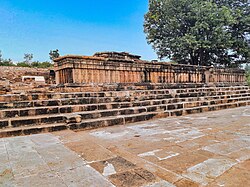
Kuti group of temples and Vaishnava monastery, Thoban
About Kuti group of temples and Vaishnava monastery, Thoban
The monastery forms the heart of the complex, consisting of long pillared corridors with adjoining rooms and temples positioned at the ends. Villagers do not refer to this structure by the term Baradari, though it has been adapted for community gatherings. Six dedicated meditation cells represent a striking feature—each is sized for a single person to enter, sit, and meditate in solitude. The temples follow the mandapika style, with some retaining partial sikhara towers, though many show signs of age and damage. Five temples are dedicated to Vishnu, while two are devoted to Shiva, indicating a complex that honored multiple aspects of the Hindu divine.
The site includes a congregational-style worship space designed for group gatherings, and a sophisticated water management system serves the entire complex. A step well provides water access, while the monument sits on the banks of the Lilavati River, a tributary of the Aur, positioning the site within a landscape of spiritual significance.
Sculptural and Artistic Program
The carved artwork distributed across the complex reveals the theological and cultural concerns of its builders. Near sanctum doorways and on exterior walls, artisans depicted various avatars of Vishnu, forms of Shiva, and goddesses including Durga and Chamunda. The sculptural program extends to Surya (the sun god), Ganesha, Kartikeya, Vedic deities, and the Navgraha (nine celestial bodies). River goddesses Ganga and Yamuna appear in the iconographic scheme, alongside representations of dancers, musicians, and amorous couples (mithuna figures). This breadth of imagery suggests a community engaged with multiple dimensions of Hindu devotional and philosophical life.
Visiting the Site
The Kuti group is protected and managed by the Archaeological Survey of India as a national monument, designated as ASI monument number N-MP-139. The complex lies in Thoban village within Ashoknagar district in the Gwalior division of Madhya Pradesh. Visitors should dress modestly when approaching the meditation cells and temple areas, as is customary at Hindu sacred sites. The site's location on the Lilavati riverbank offers a natural setting for contemplation, though visitors should be prepared for the condition typical of tenth-century monuments—some structures show weathering and partial preservation.
Specific information regarding visiting hours, entry fees, or facilities for visitors is not currently documented in available sources. It is advisable to contact the local ASI office or the village administration in Thoban before planning a visit to confirm access and any current conditions affecting the site.
Reaching Thoban
Thoban village is situated in north Madhya Pradesh, approximately within the Gwalior region. The coordinates 24.663472°N, 77.992833°E mark the site's location. Visitors traveling to the area should arrange transport to Ashoknagar district and then to Thoban village. The nearest major city is Gwalior, which has rail and road connections. Local inquiry in the village will be necessary to locate the monument, as signage may be limited.
Historical Significance
The Kuti group represents a particular moment in medieval Hindu religious practice—one in which monastic life, individual meditation, and communal worship coexisted within a single architectural framework. The presence of six meditation cells alongside five Vishnu temples and congregational spaces suggests a community that valued both solitary spiritual practice and collective devotion. The addition of structures in the eleventh century indicates the site's continued importance and use across generations. As one of the largest surviving monuments of its period in the region, the complex offers insight into how Vaishnava communities organized their spiritual and social lives during the early medieval period.
How to reach
Temples near Kuti group of temples and Vaishnava monastery, Thoban
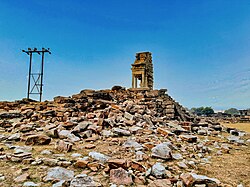
Mahadev Ghat group of temples, Thubon
The Mahadev Ghat group comprises medieval Hindu temple ruins dating to the 8th–9th century, located in Thubon village within Ashoknagar district of Madhya Pradesh. The site feat…
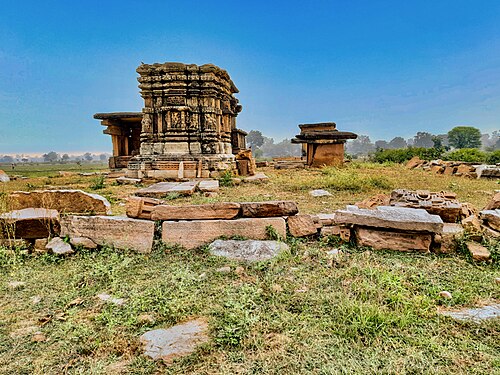
Andhakuan group of temples, Thubon
Andhakuan group of temples in Thubon is a Digambar Jain sacred site comprising 26 temples nestled in the Vindhya mountains, established in the 12th century by the merchant Padshah.
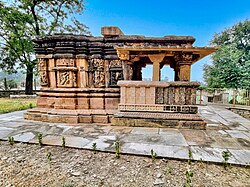
Hori ki marhia group of temples, Thubon
The Hori ki marhia group comprises mandapika-style Hindu temples in Thubon, Madhya Pradesh, with two surviving structures dedicated to Vishnu and featuring intricate stone carvi…
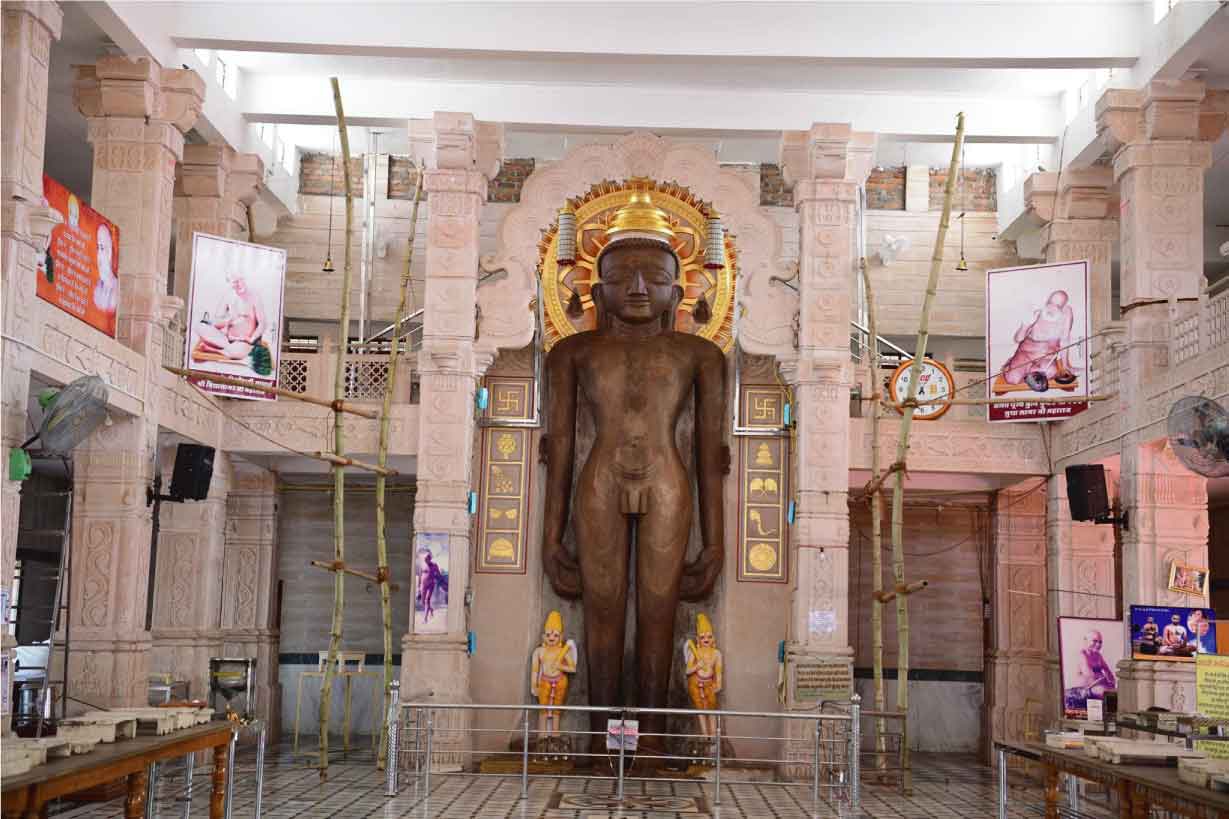
Sita marhi group of temples, Thubon
Sita Marhi is a group of Hindu temples located in Thubon, Ashoknagar district, Madhya Pradesh, situated in the sacred Vindhya mountain region between two rivers.
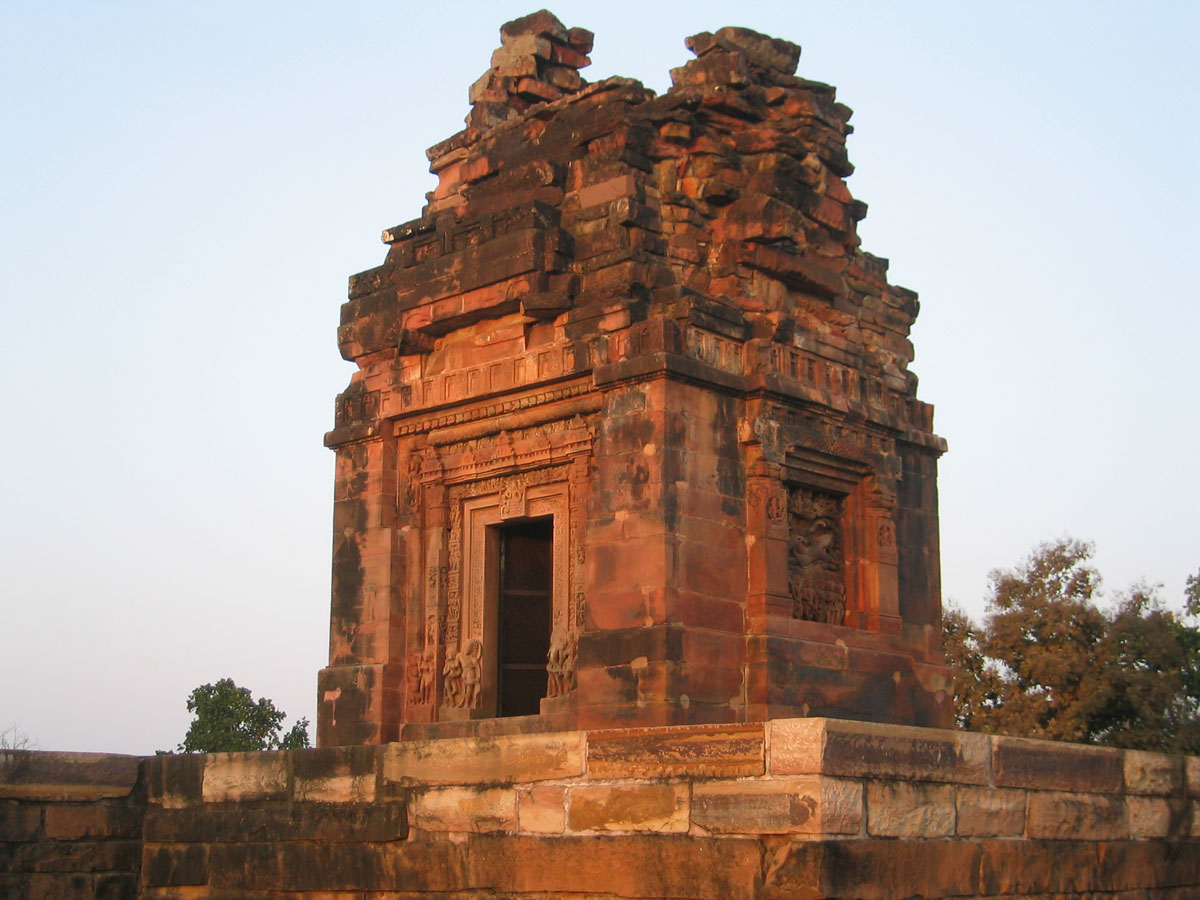
Dashavatara Temple, Deogarh
The Dashavatara Temple at Deogarh is an early 6th-century Hindu shrine dedicated to Lord Vishnu, showcasing ornate Gupta architecture with elaborate stone carvings depicting the…
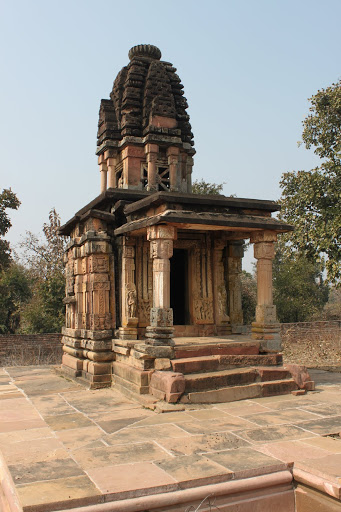
Kuraiya Bir Temple, Kuchdon
An 8th-century three-storey Hindu temple in Kuchdon village near Deogarh, Lalitpur district, originally dedicated to an unknown deity and later re-dedicated to Shiva in the 18th…