Dashavatara Temple, Deogarh
About Dashavatara Temple, Deogarh
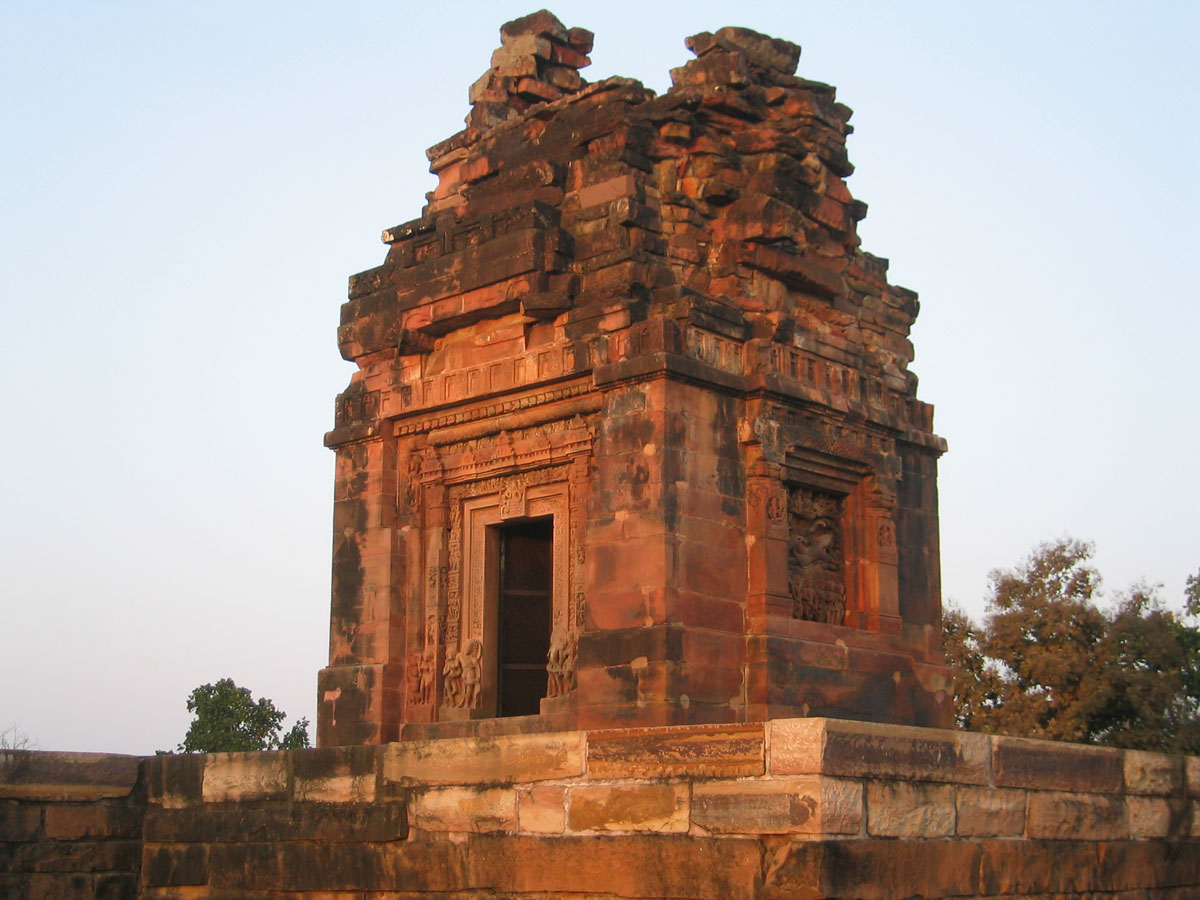
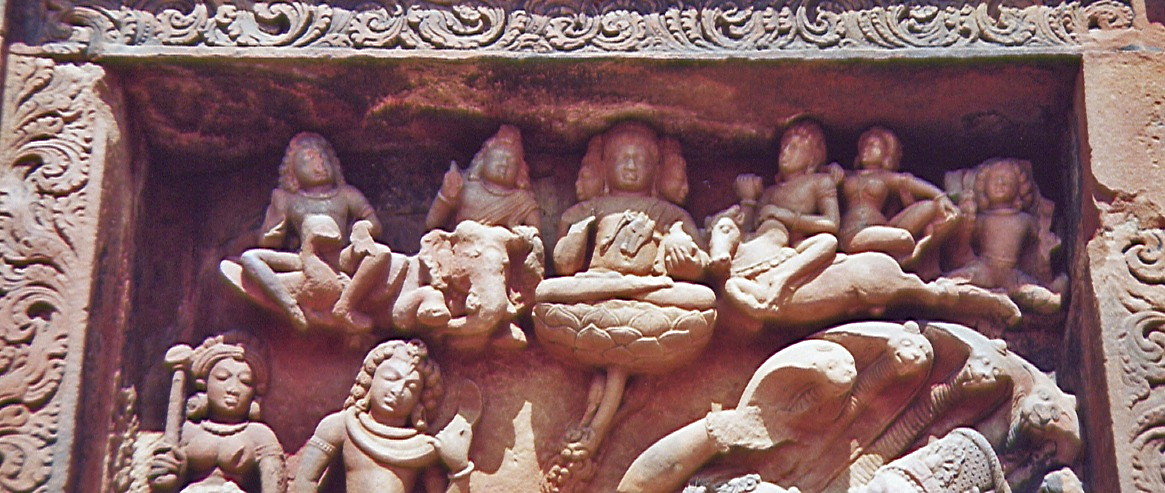
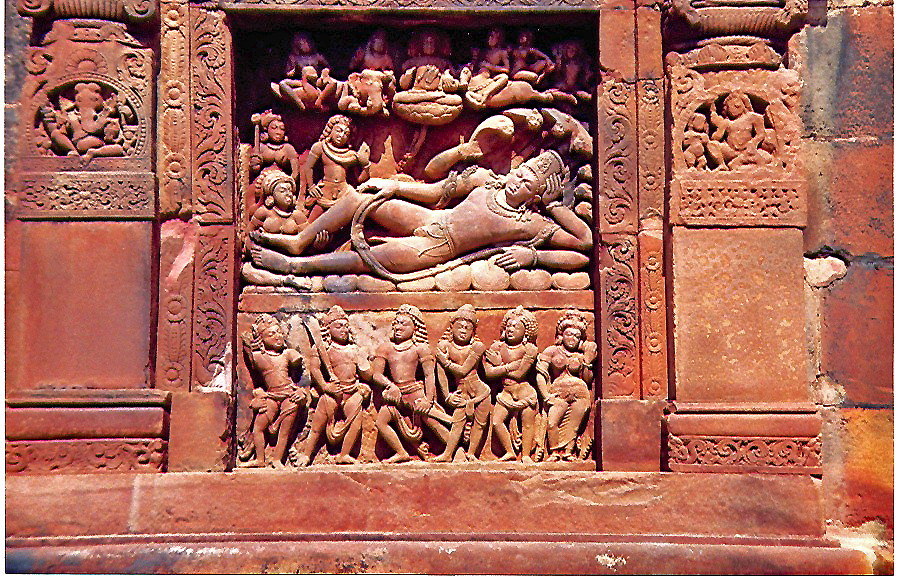
Built during the Gupta Period in the early 6th century, the Dashavatara Temple ranks among the oldest surviving Hindu stone temples. Its design is notably simple—a single-celled square structure—yet this plainness belies the ornate craftsmanship characteristic of Gupta style. The temple's survival across fourteen centuries speaks to both the durability of its construction and the devotion of those who have maintained it. Situated in the Betwa River valley of northern-central India, approximately 125 kilometres from Jhansi, the temple occupies a landscape of historical and spiritual significance. The aged structure carries the accumulated weight of centuries; its very stones are witnesses to the continuity of Hindu worship across generations.
Daily Darshan and Worship
The temple opens for darshan from 6:00 AM to 7:00 PM daily. Visitors should expect a wait of thirty minutes to an hour during peak periods. The shrine follows the daily ritual cycles typical of Vaishnava temples, though specific timings for arti and puja are best confirmed directly with temple authorities before travel, as these may shift seasonally or on festival occasions. The temple's location and age mean that the steps leading to the main shrine require physical effort to ascend; however, the surrounding grounds permit those with mobility constraints to experience the temple's spiritual presence without climbing.
Kartik Purnima and Seasonal Observance
The temple observes Kartik Purnima, typically falling in November, when the shrine receives more elaborate decoration and draws larger gatherings of devotees. This lunar festival, celebrated across Vaishnava temples, marks a significant moment in the devotional calendar. Beyond this occasion, the temple maintains its daily rhythm of worship, welcoming pilgrims throughout the year according to the rhythms of Hindu sacred time.
When and How to Visit
The cooler months from October through February offer the most comfortable conditions for visiting. Within this window, early morning and late evening hours provide relief from heat and create a more contemplative atmosphere for darshan. Visitors should carry water and wear comfortable footwear suited to navigating the terrain. Parking is available on the temple grounds. The site's aged structure demands mindful movement; visitors are asked to tread lightly and respect the customs that have preserved the temple's sanctity across centuries.
Dress and Conduct
Enter this sacred space with respectful dress and humble bearing. The temple's long history and the devotion it has inspired across generations create an atmosphere that calls for reverence. Observe the customs practiced by other worshippers, as these reflect the living tradition that has kept this shrine vital. Your conduct contributes to the preservation of both the physical structure and the spiritual environment that makes pilgrimage here meaningful.
Location and Access
The Dashavatara Temple is located in Deogarh, Lalitpur District, Uttar Pradesh, at coordinates 24.5266°N, 78.2401°E. It lies approximately 125 kilometres from Jhansi, positioned in the Betwa River valley. The temple's remote location in a region of historical importance means that planning your journey in advance—confirming current darshan timings and any seasonal variations—will ensure a smoother visit to this ancient shrine.
How to reach
You may also visit
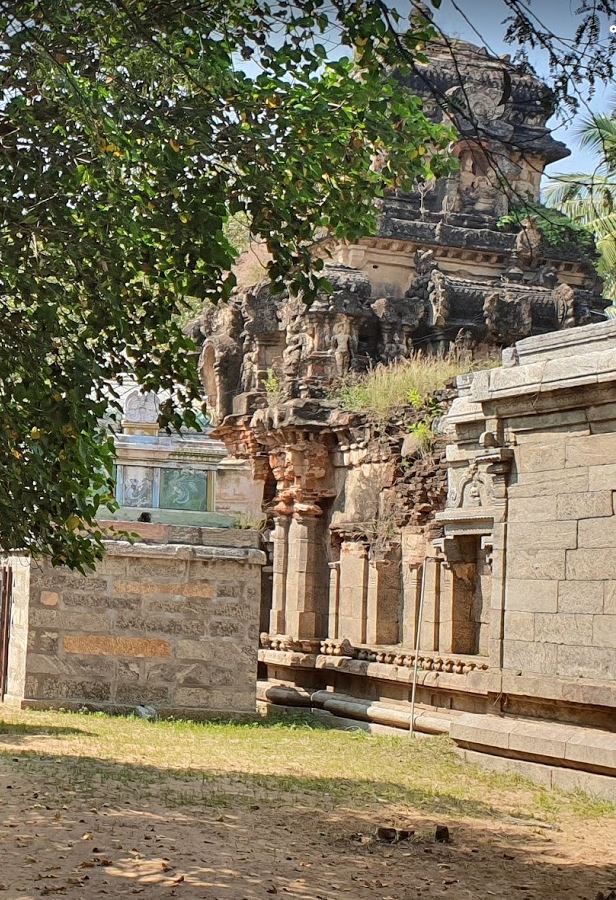
Agatheeswarar Temple, Karur
Agatheeswarar Temple in Thirumukkudalur, Karur district, is an ancient Hindu shrine dedicated to Shiva, situated at the sacred confluence of three rivers and believed to be over 1000 years old.
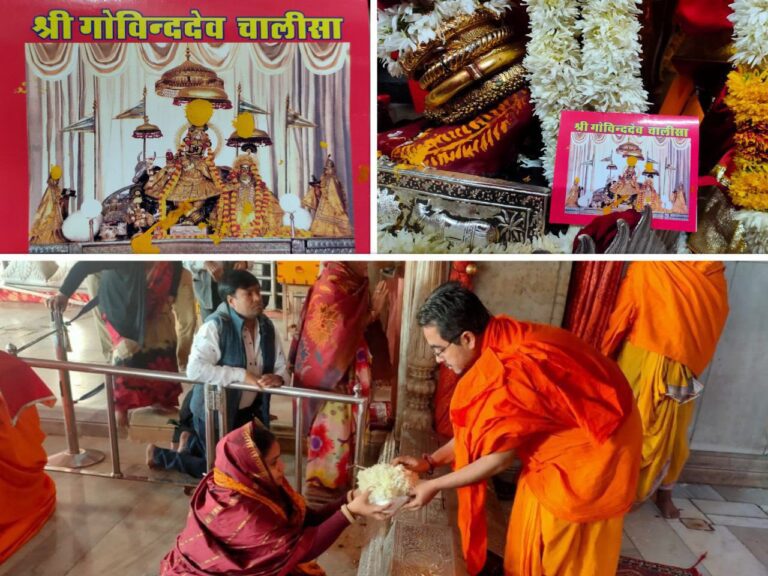
Kalyanji Temple
Kalyanji Temple in Jaipur's Chandpol Bazaar is an ancient Krishna shrine established in the 1820s, renowned for its seven daily aartis and special avatar darshan ceremonies during Akha Teej and Patottsav festivals.
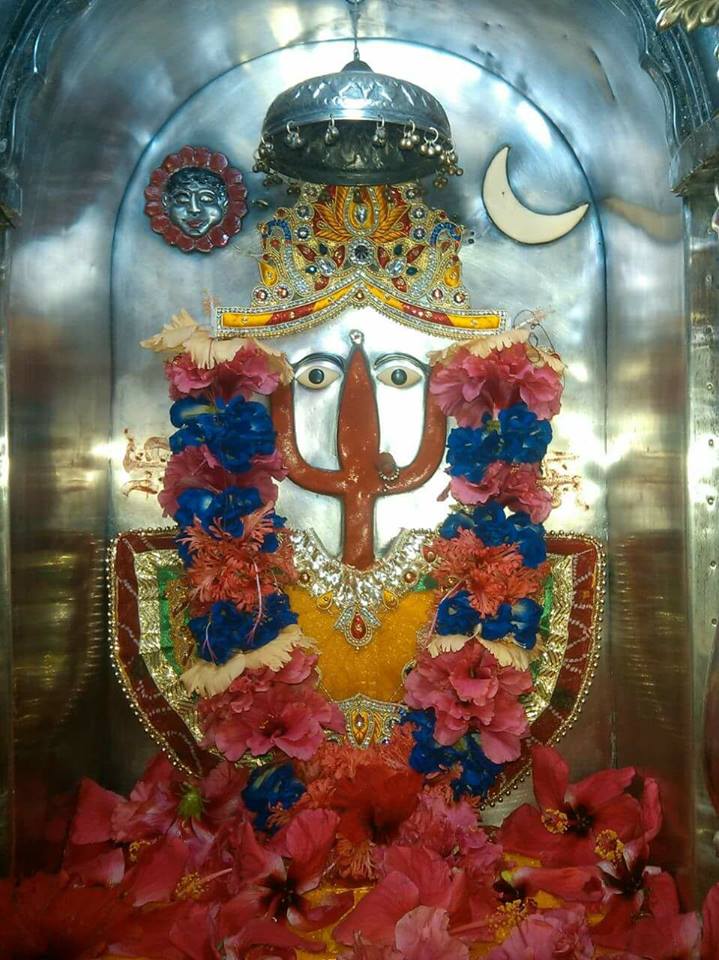
Rani Sati Mandir Mahuda
Rani Sati Mandir in Mahuda, Dhanbad District, is a Hindu temple established in 1992 that serves as a spiritual center for the local community and attracts devotees seeking blessings.