Kuraiya Bir Temple, Kuchdon
About Kuraiya Bir Temple, Kuchdon
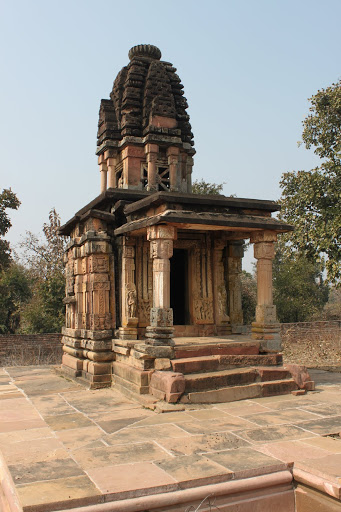
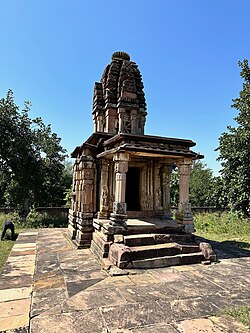
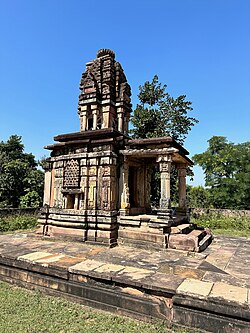
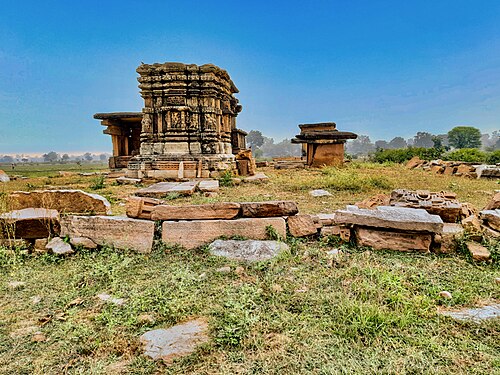
The temple displays a pancharatha square plan—a classical arrangement in Hindu temple design—crowned by a distinctive multi-storey latina shikhara (tower). The structure rises three storeys, making it architecturally notable for its vertical emphasis. The temple's lalatabimba (the sculptural element above the entrance) is unusual in its subject matter; though damaged, it appears to depict either a flying celestial being (gana) or Garuda, rather than a major deity or Gajalakshmi as more commonly seen. The temple compound extends beyond the main shrine, containing ruins and foundations of additional structures that once formed part of a larger matha (monastic complex). A step well also survives within the complex, indicating the infrastructure that supported religious life at this site.
The Matha Complex
Kuraiya Bir Temple functioned as part of a broader monastic establishment, as evidenced by the ruins scattered across the compound. Hindu mathas served as centres of learning, worship, and community life, housing monks and scholars who maintained the temple's rituals and teachings. The surviving step well would have provided water for daily use and ritual purposes. The foundations and ruins visible today suggest a once-substantial complex, though much has been lost to time. Visitors walking the grounds can observe the archaeological layers of this history, though the exact functions of individual structures remain unclear.
Worship and Darshan
As a Shiva temple, Kuraiya Bir receives worship from devotees honouring the deity in his various forms. Temples dedicated to Shiva typically maintain daily rituals involving offerings, prayers, and periods of darshan (viewing of the deity). However, specific information about current worship timings, aarti schedules, or the presence of resident priests is not available from accessible sources. Visitors planning a pilgrimage should make enquiries locally in Kuchdon village or contact the ASI office in Lalitpur district to confirm current practices and access arrangements, as the temple's status as an archaeological monument may affect visiting hours.
Visiting Information
The temple is located in Kuchdon village, approximately 24 kilometres from Deogarh in Lalitpur district, within the Jhansi administrative division of Uttar Pradesh. The precise coordinates are 24.524072°N, 78.262265°E. As an ASI-protected monument, the site may have restricted access or specific visiting protocols. Visitors should dress respectfully when approaching the shrine, following the conventions observed at Hindu temples: removing shoes before entering sacred spaces and covering shoulders and knees. The compound's archaeological nature means some areas may be uneven or partially ruined; appropriate footwear for walking on uneven ground is advisable. Bring water, as facilities at the site are limited.
Getting There
Deogarh, the nearest significant town, serves as the reference point for reaching Kuchdon. The region is accessible by road from Jhansi, a major railway hub in Uttar Pradesh. Local transport from Deogarh to Kuchdon village will be necessary; enquiring with local guides or the village itself is recommended. The journey takes visitors through the Bundelkhand landscape, an area rich in medieval temple sites. Plan the visit during daylight hours, as the temple's archaeological status and rural setting mean facilities for evening visits are minimal.
How to reach

Temples near Kuraiya Bir Temple, Kuchdon
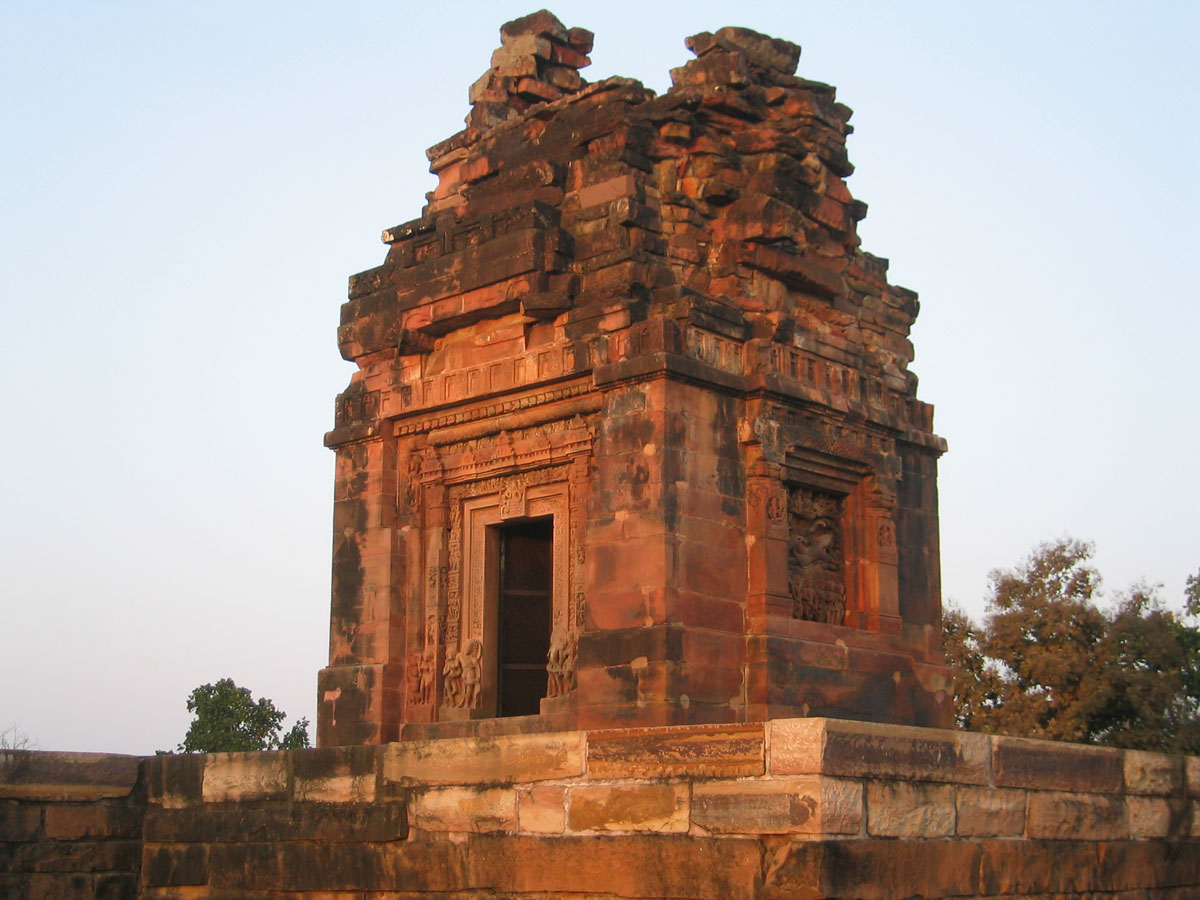
Dashavatara Temple, Deogarh
The Dashavatara Temple at Deogarh is an early 6th-century Hindu shrine dedicated to Lord Vishnu, showcasing ornate Gupta architecture with elaborate stone carvings depicting the…
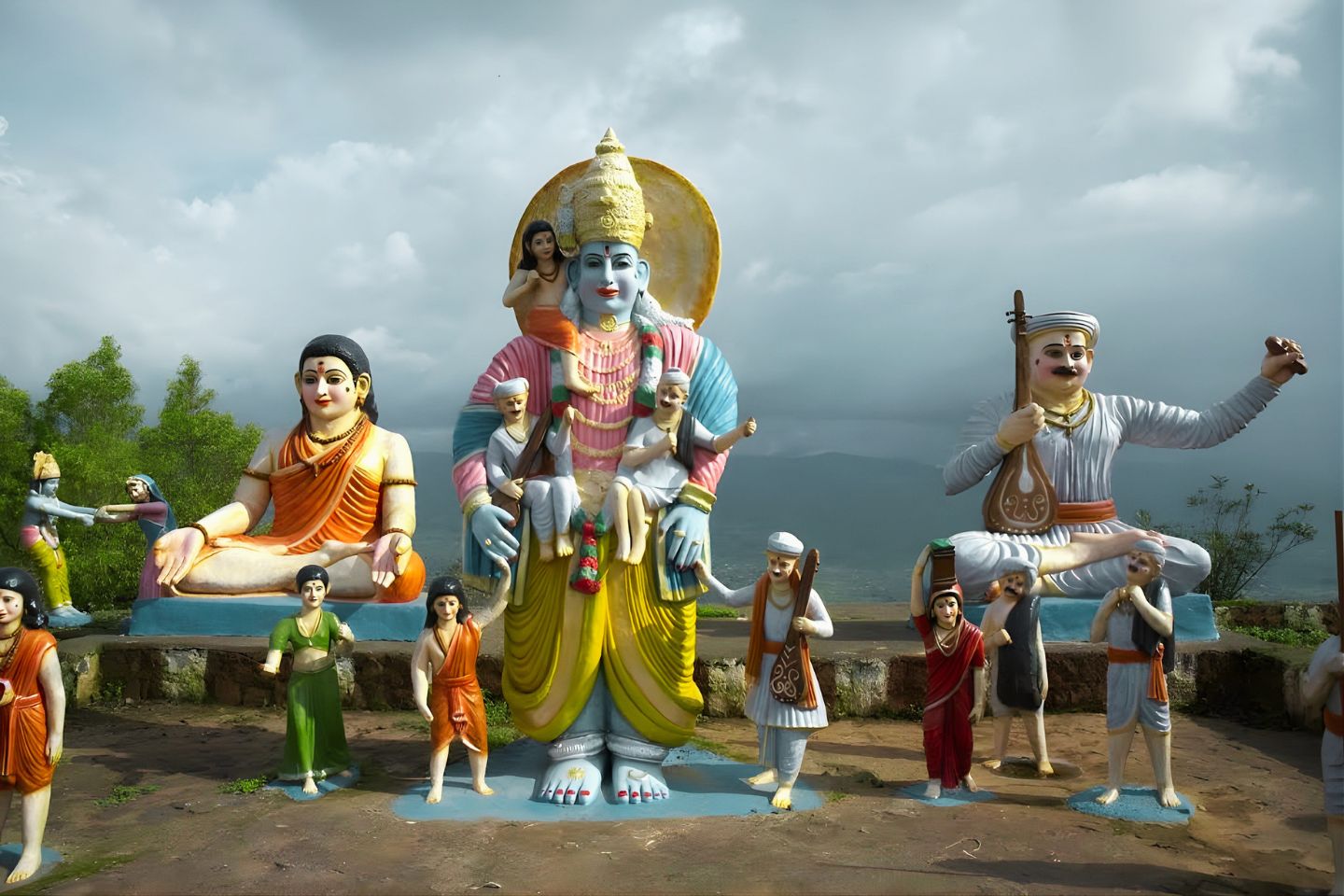
Neelkantheshwar
Nilkantheshwar Temple is a hilltop Shiva shrine near Pune dedicated to Lord Shiva, whose blue throat earned him the name Nilkantheshwar after drinking cosmic poison during the c…
Sita marhi group of temples, Thubon
Sita Marhi is a group of Hindu temples located in Thubon, Ashoknagar district, Madhya Pradesh, situated in the sacred Vindhya mountain region between two rivers.
Hori ki marhia group of temples, Thubon
The Hori ki marhia group comprises mandapika-style Hindu temples in Thubon, Madhya Pradesh, with two surviving structures dedicated to Vishnu and featuring intricate stone carvi…
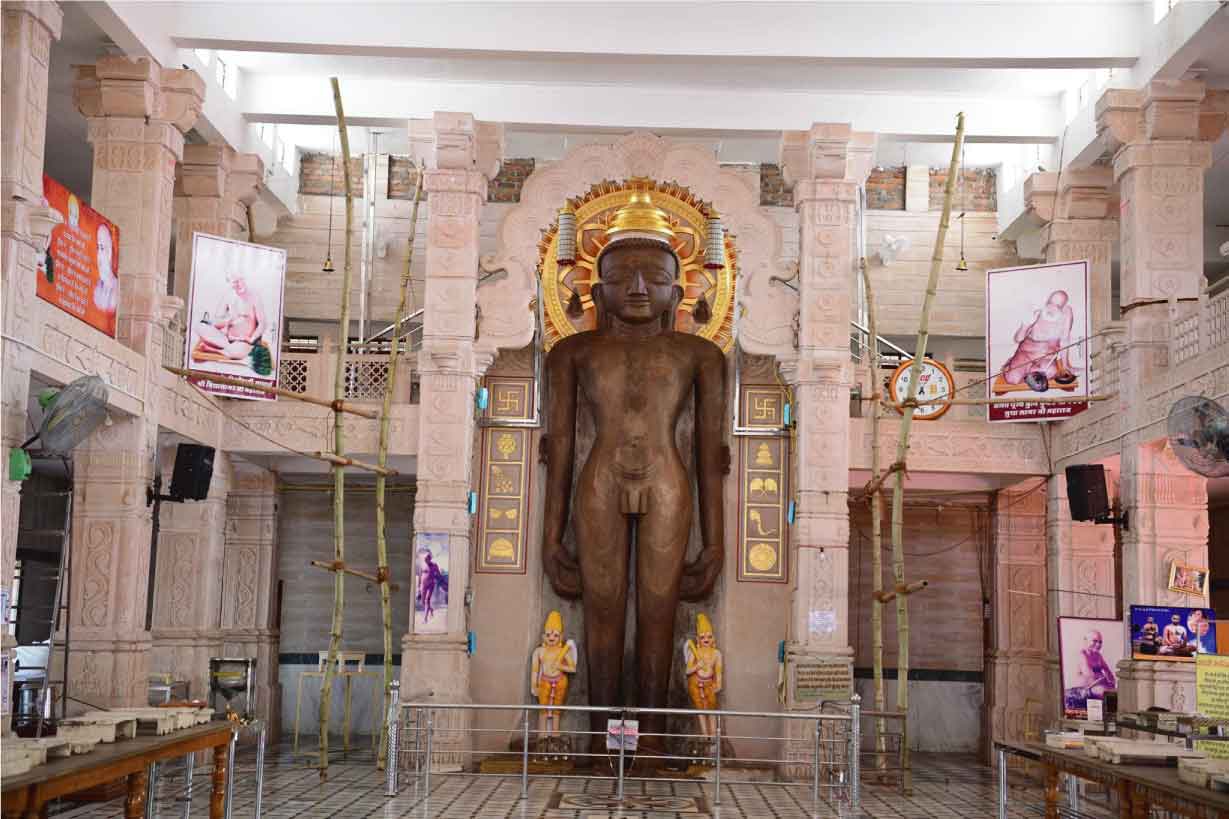
Andhakuan group of temples, Thubon
Andhakuan group of temples in Thubon is a Digambar Jain sacred site comprising 26 temples nestled in the Vindhya mountains, established in the 12th century by the merchant Padshah.
Kuti group of temples and Vaishnava monastery, Thoban
The Kuti group is a 10th-century Hindu temple and monastery complex in Thoban village, Madhya Pradesh, featuring five Vishnu temples, two Shiva temples, and six meditation cells…