
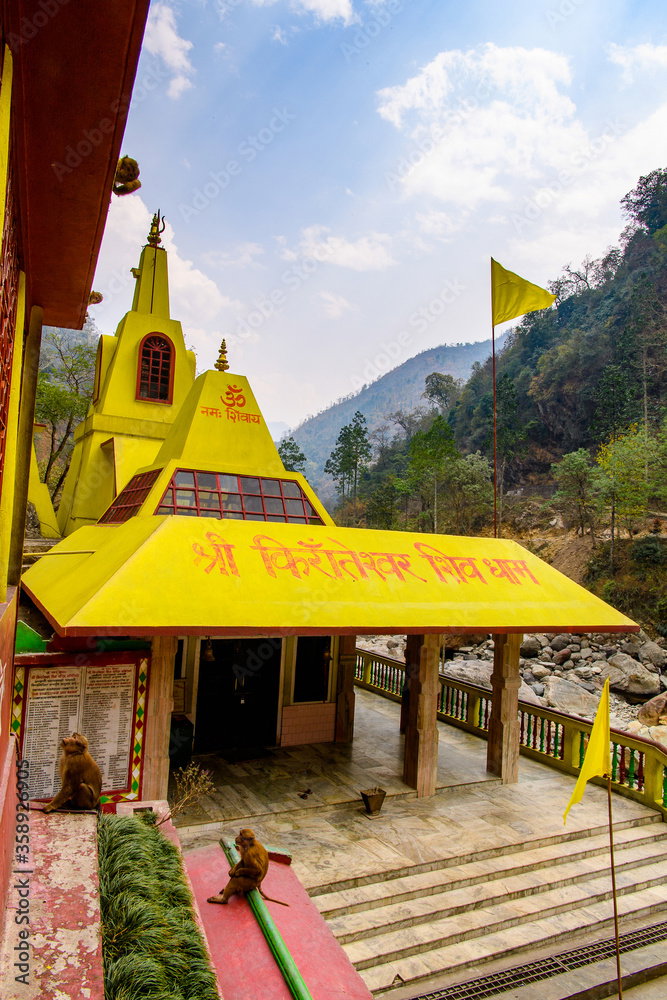
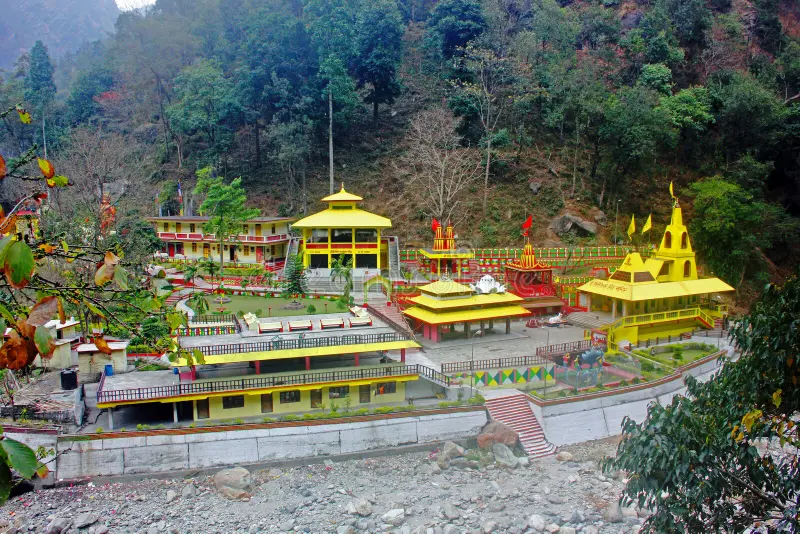
Kirateshwar Mahadev Temple
About Kirateshwar Mahadev Temple
Two major festivals draw devotees to Kirateshwar Mahadev Temple throughout the year. Maha Shivaratri, celebrated in February or March, is the primary festival occasion—a night dedicated to Shiva observed across Hindu temples with particular reverence. Bala Chaturdashi, falling in November or December, marks the second significant pilgrimage period. These festivals represent the peak seasons for visiting the temple, when the spiritual atmosphere intensifies and the community gathers for worship.
Outside these major observances, the temple remains open to daily worship, though specific darshan timings are not currently documented in available sources. Visitors planning to attend during festival periods should contact the temple directly to confirm schedules and any special arrangements.
The Deity and Worship
Shiva, the deity enshrined here, is traditionally worshipped through ritual practices common to Shaivite temples across India. Temples dedicated to Shiva typically offer abhishek (ritual bathing of the deity), puja (worship ceremonies), and darshan (viewing of the sacred image). The temple's local significance suggests that regular worship occurs, though the specific daily rituals and their timing would be best confirmed directly with temple authorities.
The temple's association with the Kirati people indicates that local devotional practices may blend regional traditions with broader Hindu worship forms, creating a distinctive spiritual character particular to this Himalayan location.
Visiting the Temple
Legship is situated in Gyalshing district at coordinates 27.45°N, 88.45°E. The temple's location along the Rangeet River makes it accessible to visitors traveling through this region of Sikkim. Those planning a visit should arrange transport via local taxi or auto-rickshaw services, as the temple does not lie on major highway routes.
Visitors should dress modestly, as is customary at Hindu temples—covered shoulders and knees are appropriate. Footwear is typically removed before entering the inner sanctum. The temple remains generally open daily, though festival days may have altered schedules. It is advisable to contact the temple in advance to confirm current darshan hours and any restrictions that may apply.
Reaching Legship
Legship is located in Gyalshing district in western Sikkim. The nearest major town is Gyalshing itself. Visitors traveling to Sikkim typically arrive through Gangtok, the state capital, from which Legship can be reached by road. The journey involves travel through the mountainous terrain characteristic of the eastern Himalayas. Local transportation options include hired vehicles or public buses serving the Gyalshing district. The exact travel time and route options should be confirmed with local tourism offices or transport providers in Gangtok.
The Sacred Landscape
The Rangeet River, flowing past the temple, is not merely a geographical feature but a sacred element within the pilgrimage experience. Rivers hold profound significance in Hindu tradition, and the Mahabharata associations attributed to this particular river deepen its spiritual resonance for devotees. The temple's positioning on the riverbank connects worshippers to both the local landscape and the broader mythological narratives that structure Hindu religious consciousness.
The Himalayan setting of Legship, with its distinctive climate and terrain, creates a pilgrimage environment quite different from temples in the plains. Visitors should be prepared for mountain weather conditions, particularly during the winter months when Bala Chaturdashi occurs.
How to reach
Temples near Kirateshwar Mahadev Temple
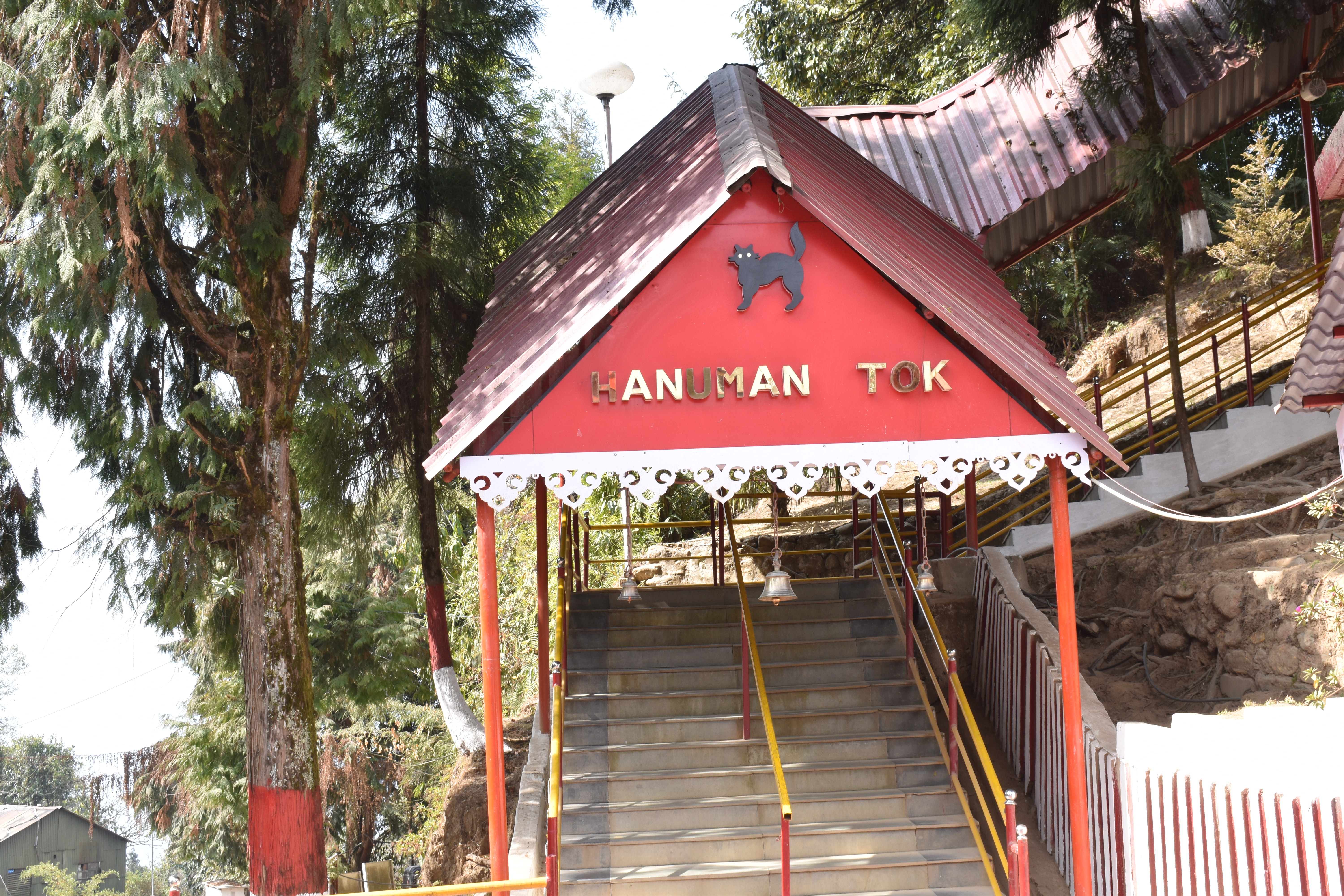
Hanuman Tok
Hanuman Tok is a revered Hindu temple dedicated to Lord Hanuman, situated at 7,200 feet near Gangtok, Sikkim, and maintained by the Indian Army since 1968. The temple offers pan…
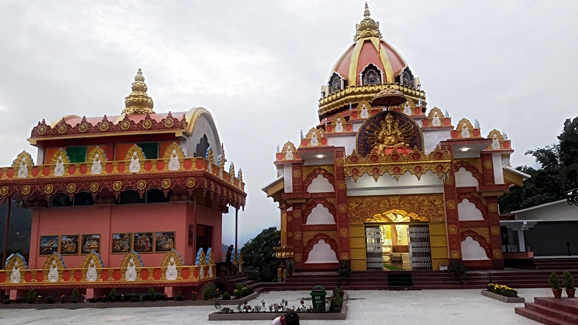
Shri Viswa Vinayaka Mandir Rhenock
Shri Viswa Vinayaka Mandir in Rhenock, Sikkim is a four-storied Hindu temple dedicated to Lord Ganesha, inaugurated in 2016 and notable for housing 51 distinct forms of the deity.
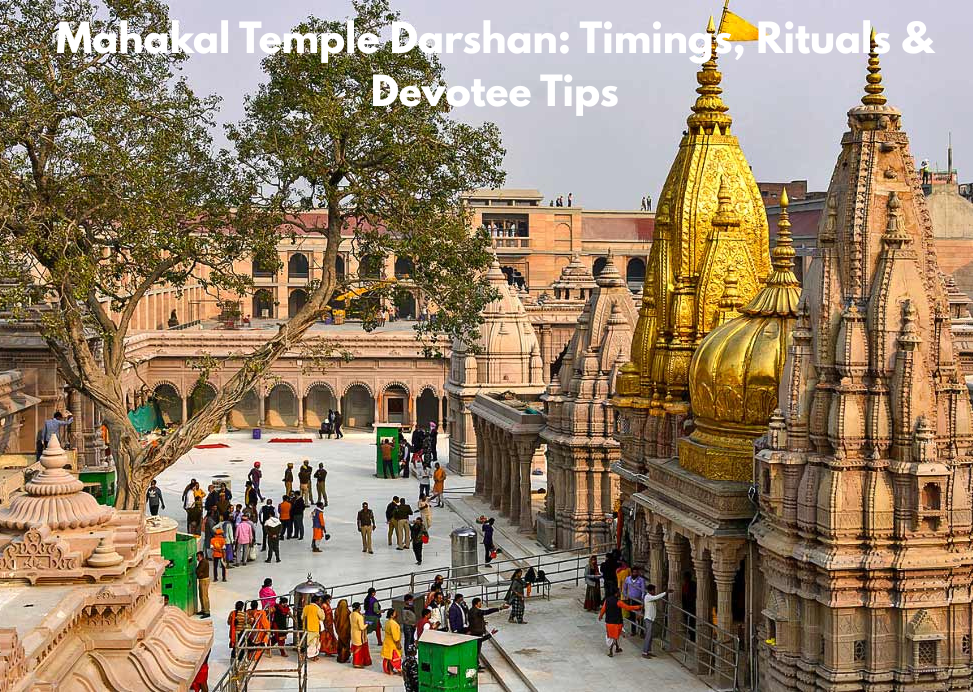
Mahakal temple
The Mahakal Temple in Darjeeling, West Bengal, is a sacred Hindu shrine dedicated to Lord Shiva, established in 1782 atop Observatory Hill as a unique blend of Hindu and Buddhis…
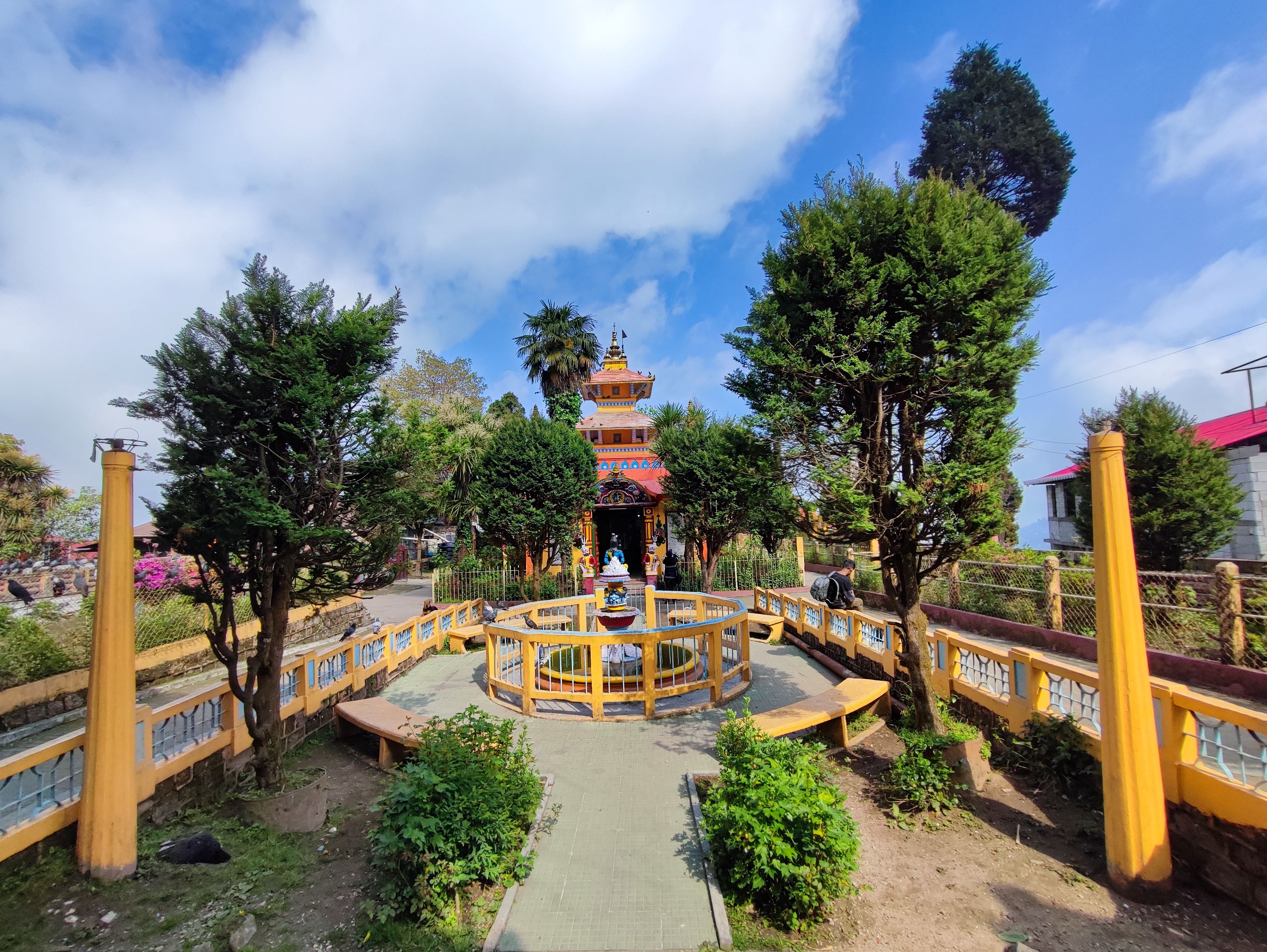
Dhirdham Temple
Dhirdham Temple in Darjeeling is a Hindu shrine constructed in 1939, featuring Nepalese architectural design inspired by Pashupatinath Temple in Kathmandu.

Arjundhara Dham
Arjundhara Dham is a Hindu pilgrimage temple located in southeastern Nepal's Jhapa district, situated in Arjundhara Municipality approximately 6 kilometers north of Birtamode.
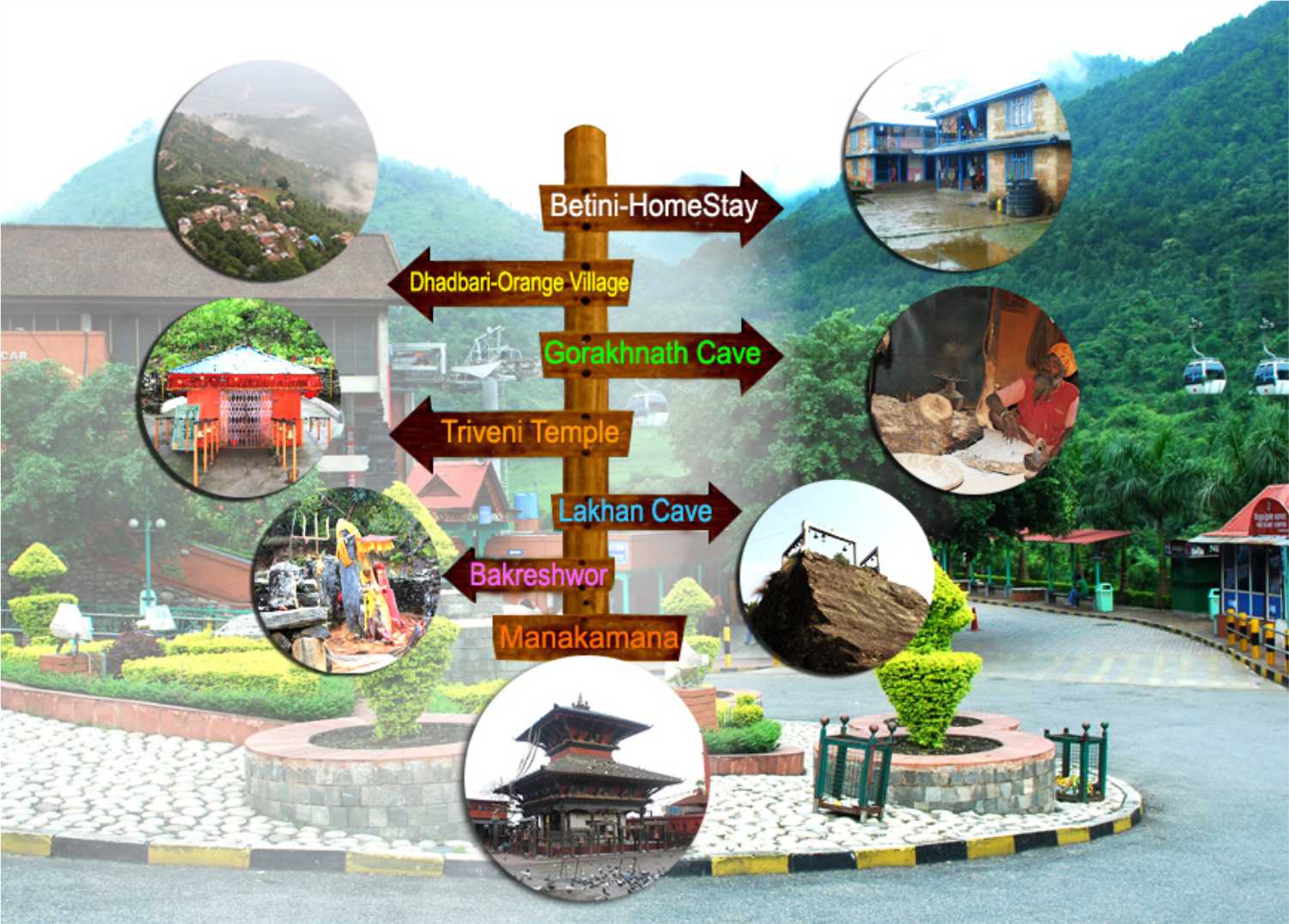
Manakamana Temple
Manakamana Temple in Gorkha, Nepal is dedicated to goddess Bhagwati and attracts devotees seeking wish fulfillment. The temple sits atop a steep hill and is accessible via a mod…