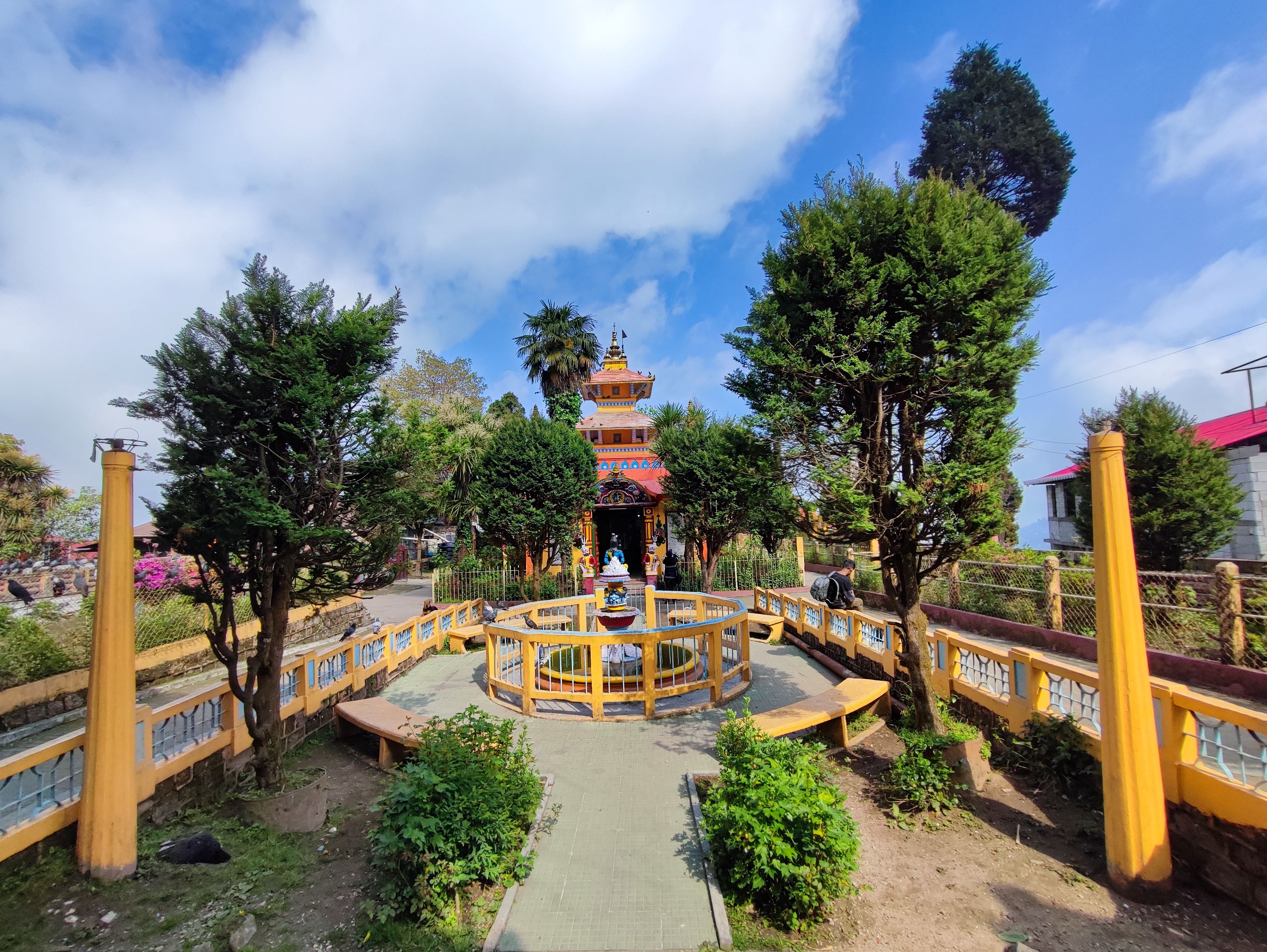
Dhirdham Temple
About Dhirdham Temple
As a Hindu temple, Dhirdham Temple serves the devotional needs of the community through regular worship and darshan—the sacred viewing of the deity or sanctum that forms the core of Hindu temple practice. While the primary deity is not recorded in available sources, the temple follows standard Hindu practices of daily ritual and worship.
Visitors to the temple should observe basic etiquette: remove shoes before entering the inner sanctum, maintain respectful silence during worship, and follow any instructions given by temple staff. Dress should be modest and respectful. Those wishing to participate in specific pujas or rituals should inquire at the temple about timing and procedures, as these vary by season and occasion. The temple staff can provide guidance on appropriate conduct and the best times to visit for particular forms of worship.
Visiting Practicalities
Visitors should plan their visit with Darjeeling's location and climate in mind. The town's elevation in the eastern Himalayas means that weather and accessibility can vary significantly throughout the year. It is advisable to check current conditions and any seasonal closures or restrictions before traveling.
Temple timings and specific details about daily worship schedules, aarti (ritual worship with lamps), and special observances should be confirmed directly with the temple or through local Darjeeling tourism resources. These details are subject to change and may vary according to religious calendars and local practices. Visitors are encouraged to arrive with realistic expectations about facilities and services, as these may differ from larger pilgrimage centers.
The Temple in Darjeeling's Community
Dhirdham Temple occupies an important place within Darjeeling's multicultural population, serving as a center for Hindu worship in a town known for its diverse communities. The temple's Nepalese architectural style and its connection to Pashupatinath reflect the significant Nepalese presence in the region and the continuity of Himalayan religious traditions in the area.
The temple represents a bridge between the sacred geography of Nepal and the spiritual life of Darjeeling, allowing devotees to maintain connections to their ancestral traditions while residing in this hill station. Its presence contributes to the religious and cultural fabric of the town, which has long served as a meeting point for communities from the plains, the mountains, and beyond.
How to reach
You may also visit
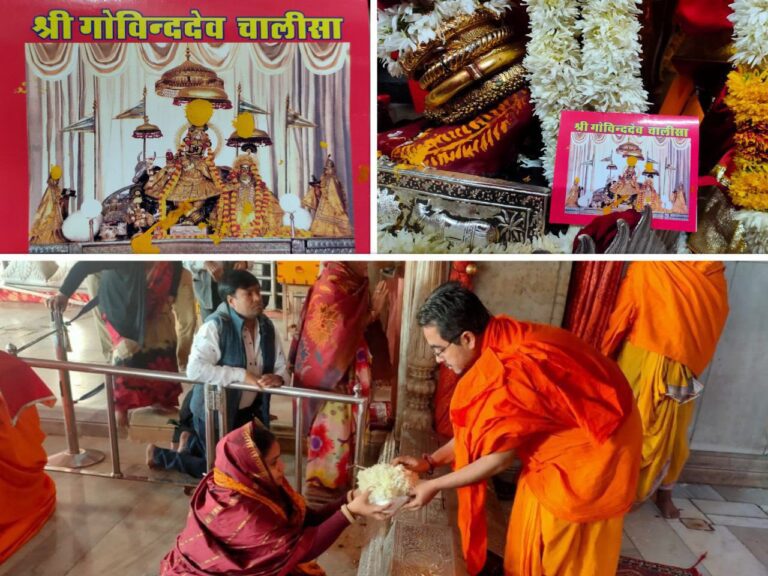
Kalyanji Temple
Kalyanji Temple in Jaipur's Chandpol Bazaar is approximately two centuries old and renowned for displaying the twenty-four avatars of Krishna, visible only twice yearly during Akha Teej and Patottsav festival.
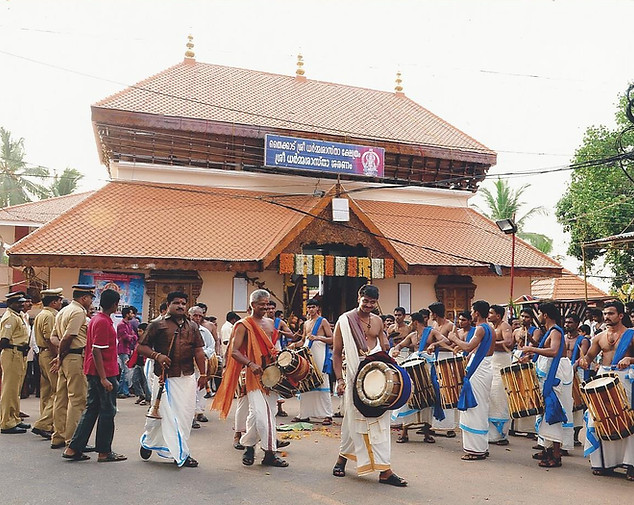
Sastha (Ayyappan) Temple
Sree Dharma Sastha Temple in Thycaud, Thiruvananthapuram, is a centuries-old shrine where the deity manifests as Dhanwanthari, the divine healer, holding the sacred blue lotus.
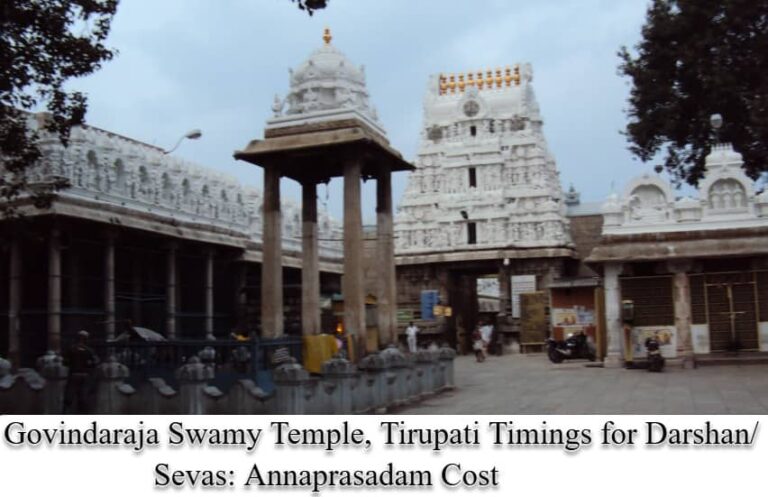
Govindarajaswamy Temple
Sri Govindarajaswamy Temple in Tirupati is an ancient Vaishnavaite shrine consecrated in 1130 AD by Saint Ramanuja, where the presiding deity rests in eternal Yoga Nidra on the serpent Adisesha.