
Arjundhara Dham
About Arjundhara Dham
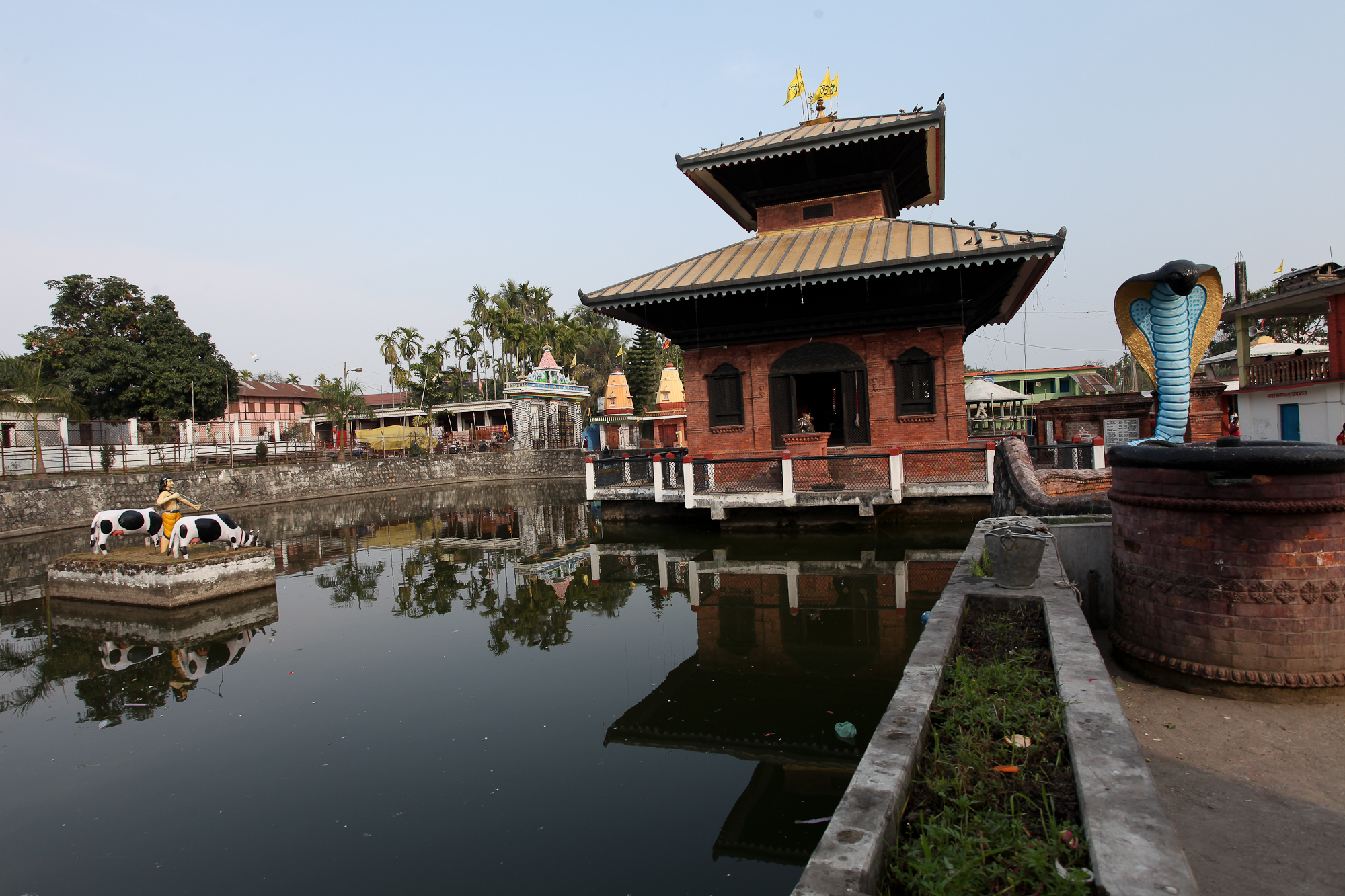
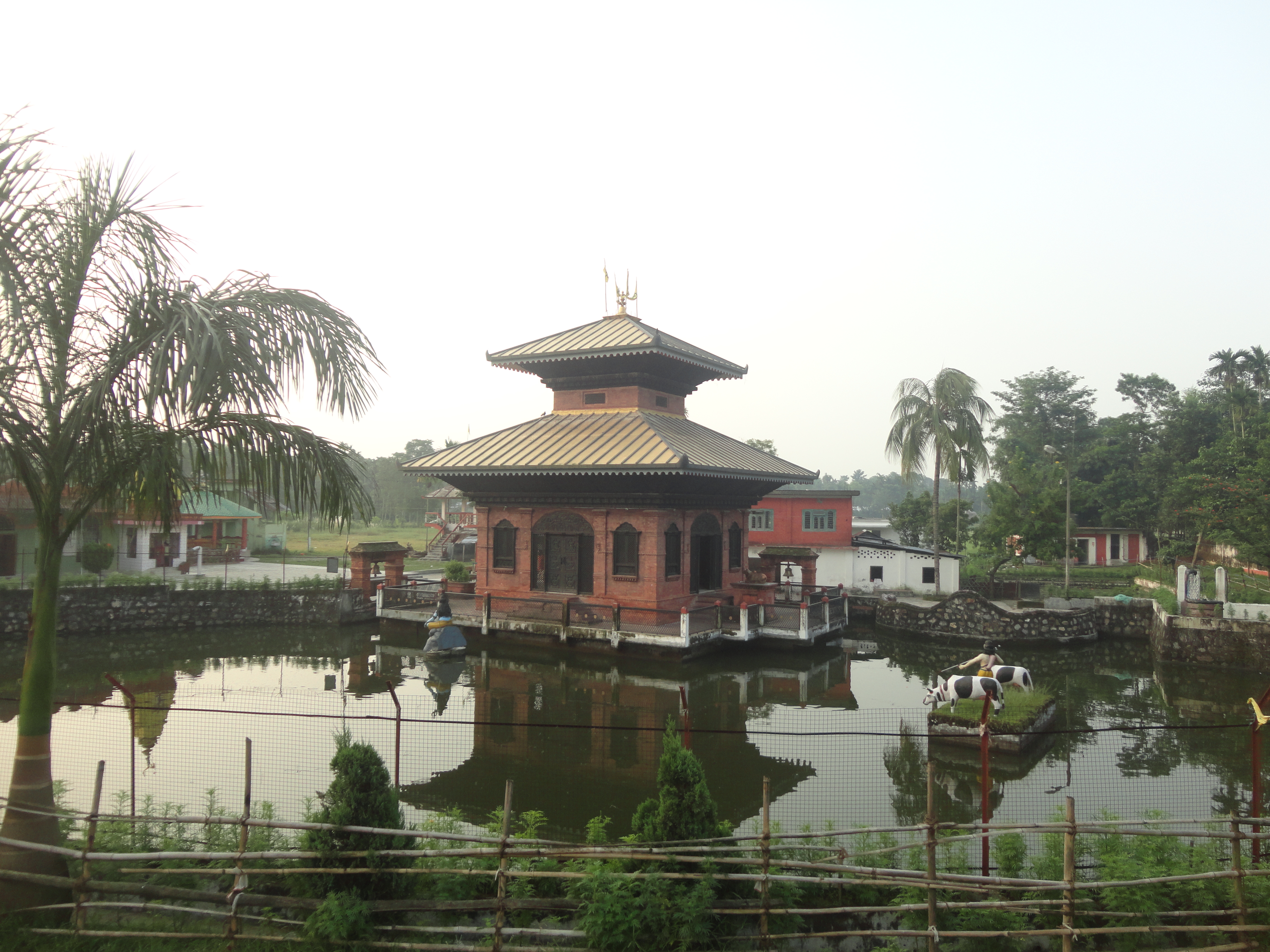
Arjundhara Dham is situated in the southeastern region of Nepal, within Jhapa District in Province No. 1. The temple lies approximately 6 kilometres north of Birtamode, the commercial centre of the area. For those travelling from Kathmandu, the journey involves a 45-minute flight to Bhadrapur, followed by a 30-minute drive to reach Arjundhara. The temple is now located within Arjundhara Municipality, having previously been part of Arjundhara VDC ward number 4.
The coordinates 26.685277777778, 87.988 mark the temple's position in this border region of Nepal. Visitors should plan their transport accordingly, as the site is not immediately adjacent to major urban centres, though it remains accessible by road from the nearest airport.
About the Temple
Limited historical documentation is available regarding Arjundhara Dham's origins, founding period, or the specific deity enshrined within its sanctum. The temple's name suggests a connection to water or sacred springs—arjun relating to clarity or purity in Sanskrit—though the exact religious significance and mythological associations require direct consultation with temple authorities or local sources.
What is known is that the temple serves as a pilgrimage site within its locality and holds significance for devotees in the region. Visitors seeking detailed information about the temple's history, primary deity, and spiritual importance should inquire upon arrival, as such details are best conveyed by those who maintain and worship at the shrine.
Visiting the Temple
Visitors to Arjundhara Dham should dress modestly, as is customary at Hindu temples throughout Nepal and India. Footwear is typically removed before entering the inner sanctum. The specific timings for darshan (viewing of the deity) and any restrictions on entry are not documented in available sources; visitors are advised to confirm these details locally or contact the temple directly upon arrival.
As with most Hindu temples, devotees may bring offerings such as flowers, incense, or sweets. Photography policies vary by temple; it is respectful to ask permission before photographing the sanctum or ritual activities. Visitors should be prepared for the possibility of limited facilities, given the temple's location in a smaller municipality, and should carry water and any necessary supplies.
Reaching Arjundhara Dham
The most practical route begins with air travel to Bhadrapur Airport, which receives flights from Kathmandu in approximately 45 minutes. From Bhadrapur, hiring a vehicle for the 30-minute drive northward will bring visitors to the temple. The road journey passes through Birtamode before reaching Arjundhara Municipality.
Those with more time may consider alternative transport options available in the region, though the road route remains the most direct. Visitors should confirm current road conditions and transport availability before departure, particularly during monsoon seasons when access may be affected.
Practical Information for Visitors
The temple's exact opening hours, aarti (ritual worship) timings, and any seasonal closures are not specified in available sources. Visitors should contact local authorities in Arjundhara Municipality or seek information from nearby residents upon arrival to confirm when darshan is available.
Accommodation options in the immediate vicinity are not documented. Visitors may need to arrange lodging in Birtamode or other nearby towns and travel to the temple for darshan. It is advisable to plan visits during daylight hours given the rural location. Carrying sufficient water, sun protection, and any personal medications is recommended, as medical facilities may be limited in the area.
How to reach
Temples near Arjundhara Dham
Kanhaiya ji ka mandir
Information about Kanhaiya ji ka mandir could not be verified from the provided sources.
Dhirdham Temple
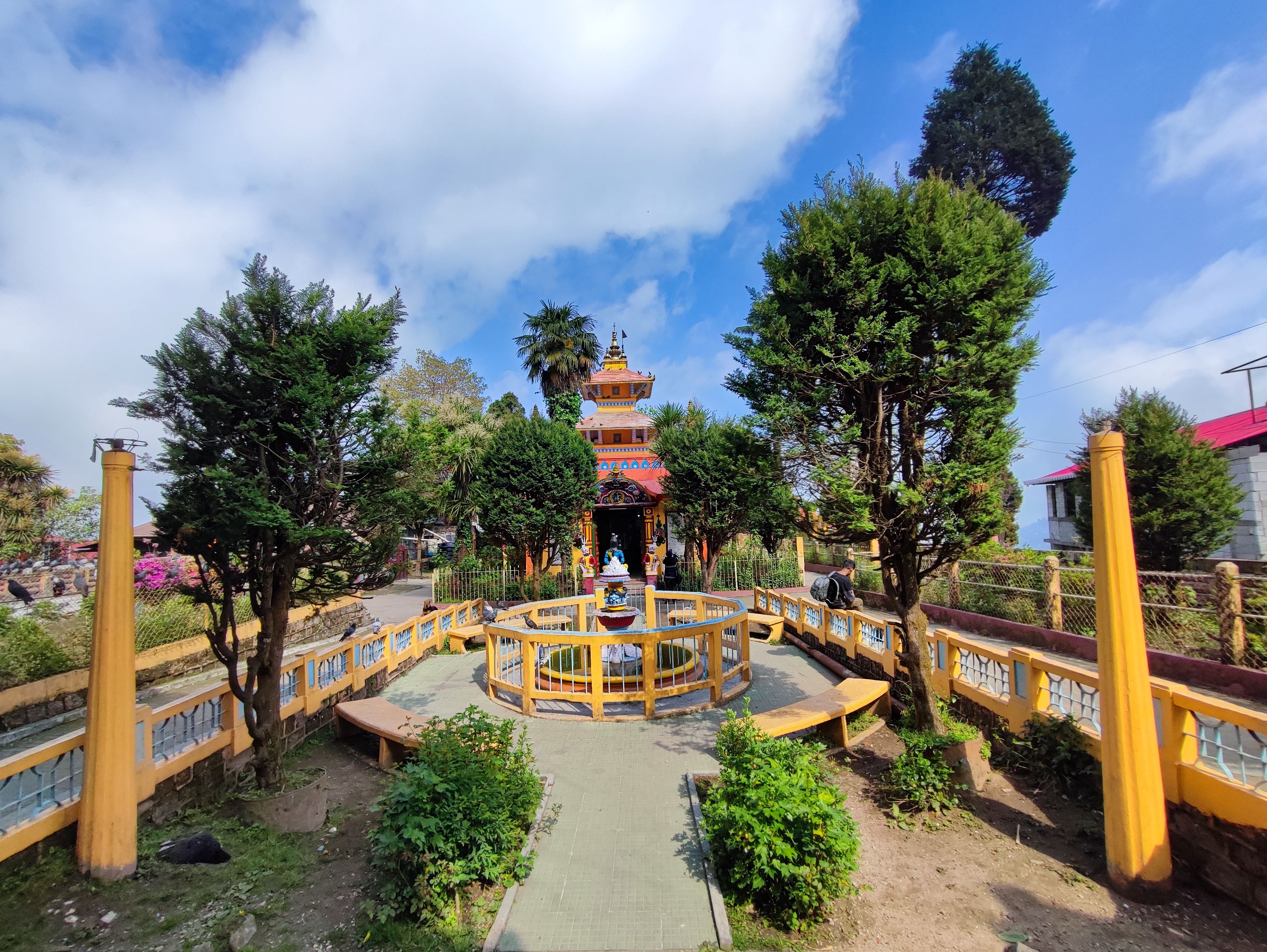
Dhirdham Temple in Darjeeling is a Hindu shrine constructed in 1939, featuring Nepalese architectural design inspired by Pashupatinath Temple in Kathmandu.
Mahakal temple
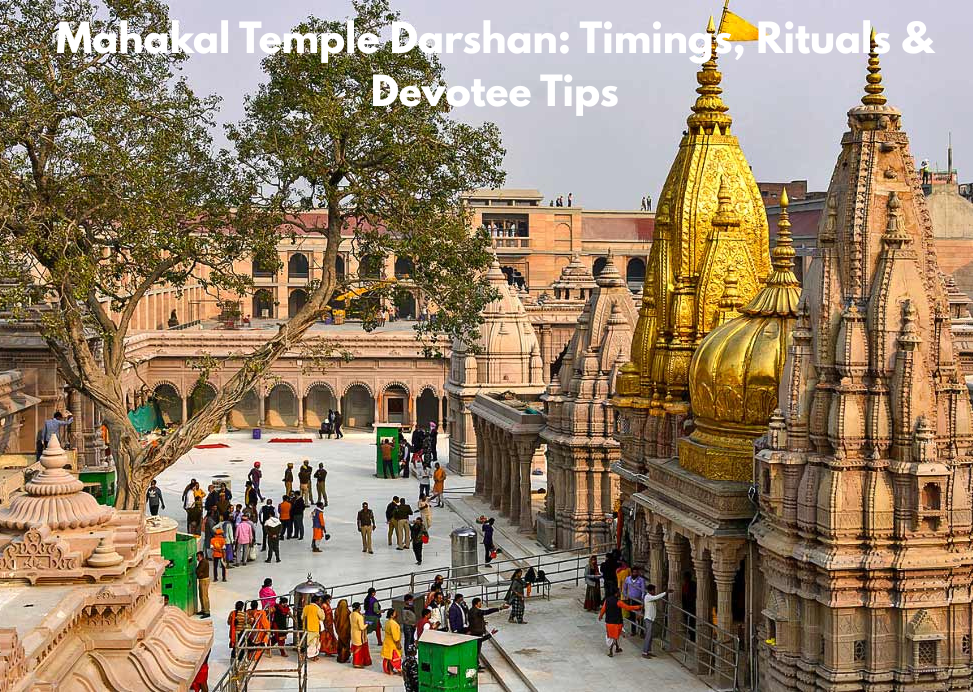
The Mahakal Temple in Darjeeling, West Bengal, is a sacred Hindu shrine dedicated to Lord Shiva, established in 1782 atop Observatory Hill as a unique blend of Hindu and Buddhis…
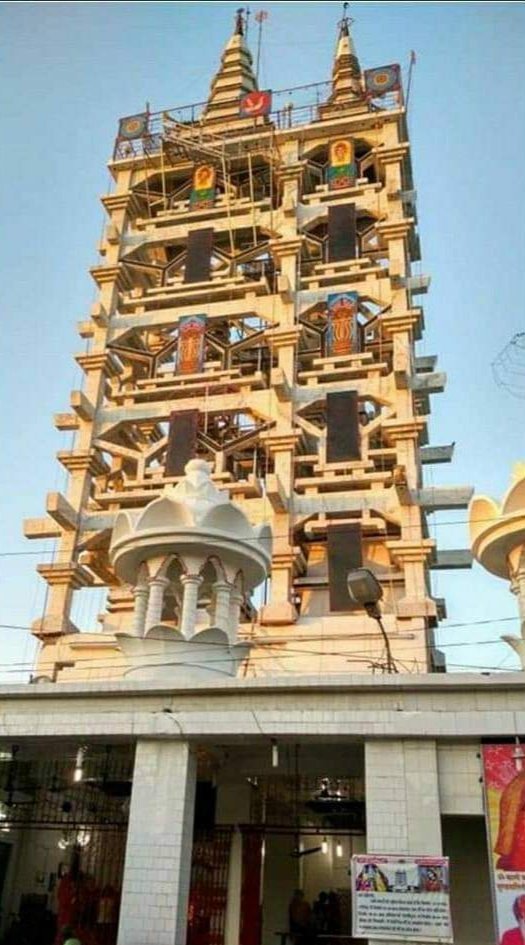
Maa Khadgeshwari Kali Mandir
Maa Khadgeshwari Kali Mandir in Araria, Bihar is a significant Hindu pilgrimage site dedicated to Goddess Kali, notable for being the world's tallest Kali temple at 152 feet and…
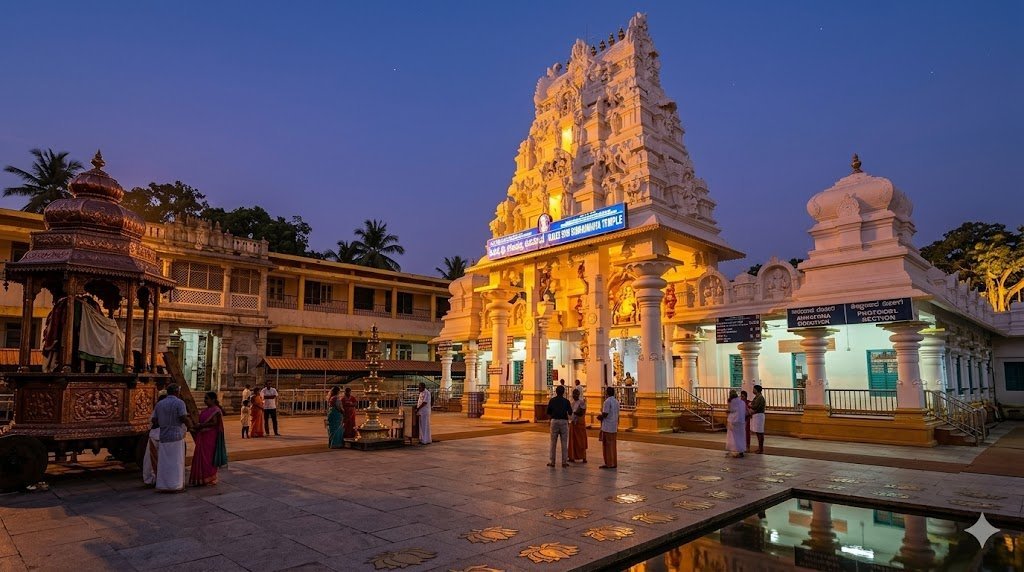
Budhasubba
Kukke Shri Subrahmanya Temple, nestled in the Western Ghats of Karnataka, is one of seven sacred Mukti Kshetras established by sage Parashurama and the foremost centre in India…
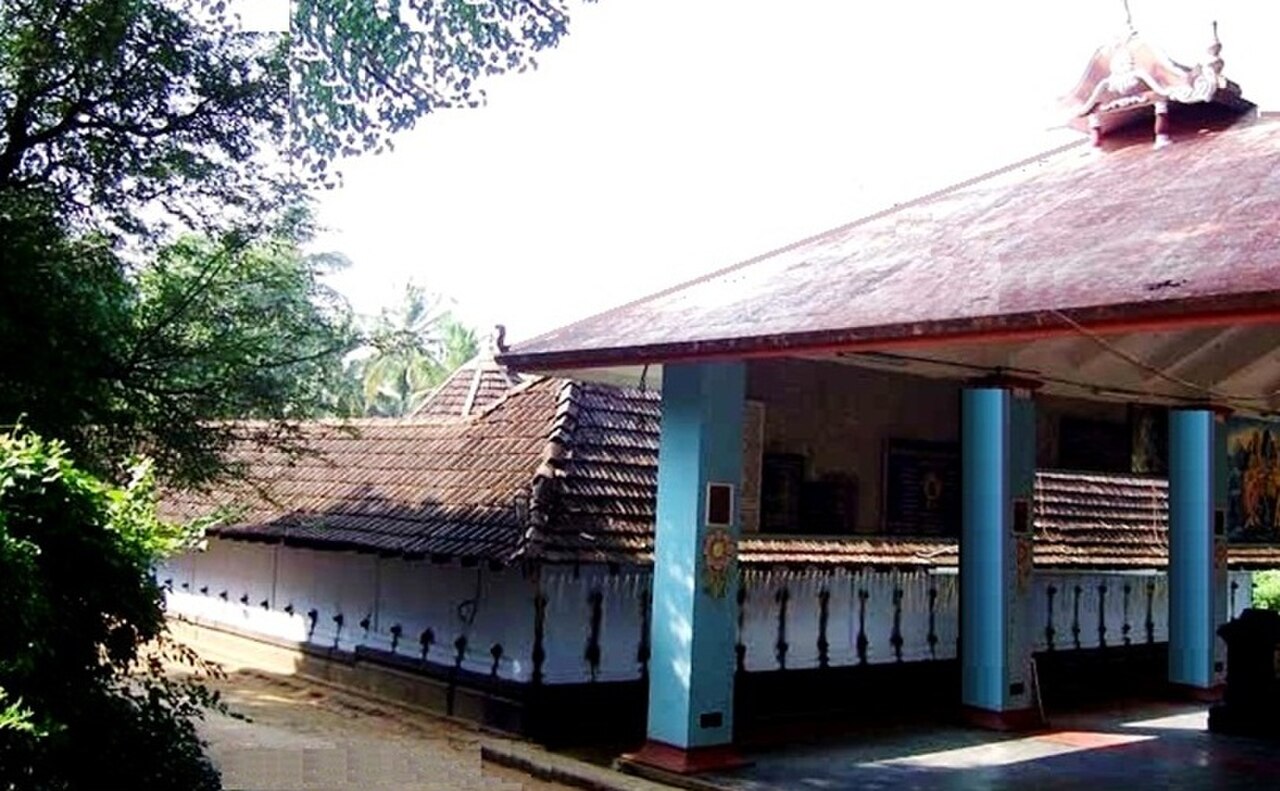
Pananchery Mudikkode Shiva Temple
An ancient Shiva temple in Pananchery, Thrissur District, Kerala, believed to have been established by sage Parashurama according to local tradition. It is recognized as one of…