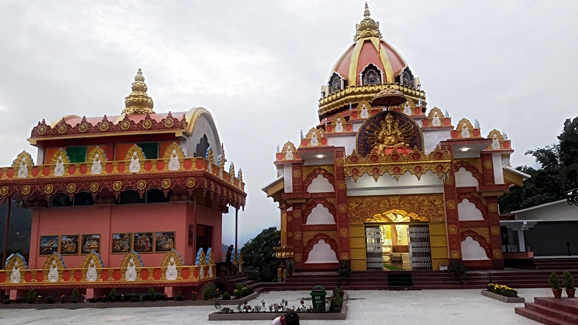
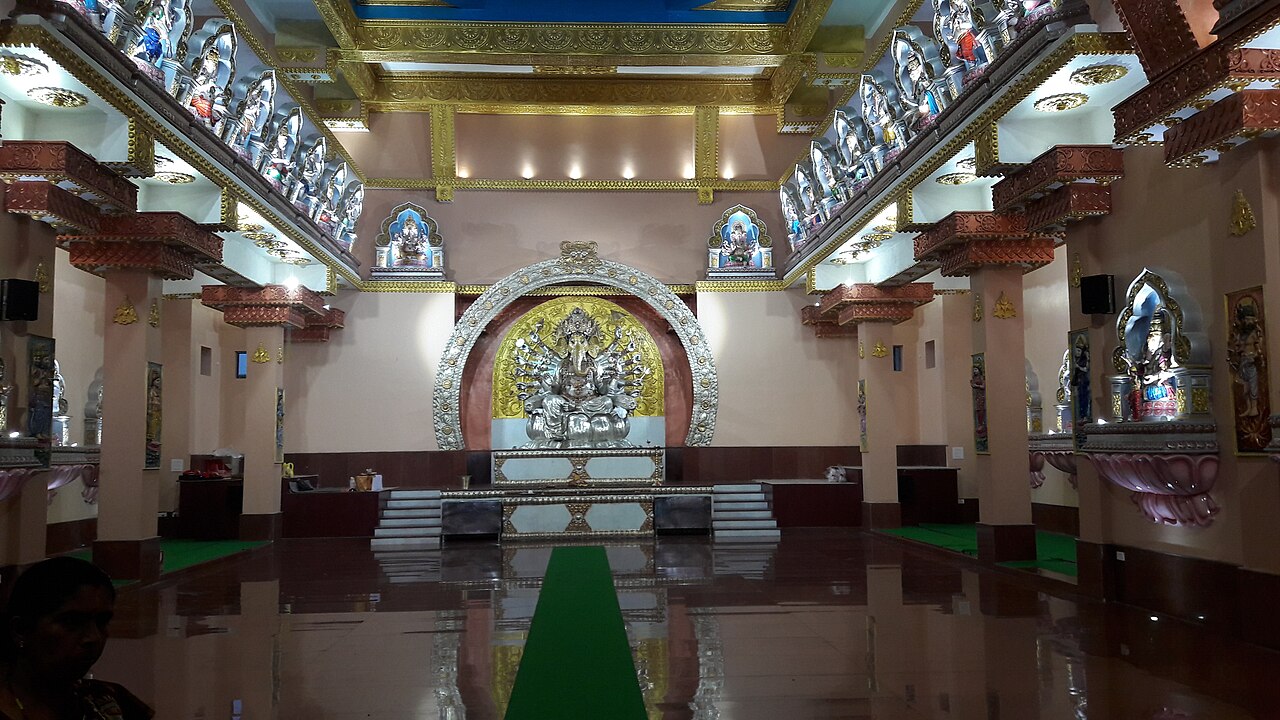
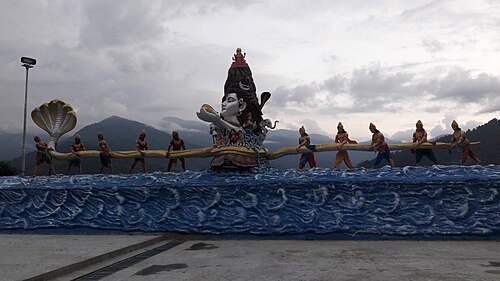
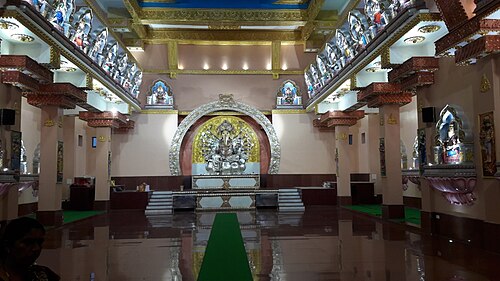
Shri Viswa Vinayaka Mandir Rhenock
About Shri Viswa Vinayaka Mandir Rhenock
The temple opens daily from 6:00 AM to 6:00 PM, allowing devotees flexible access throughout the day. Two formal aartis (ritual worship ceremonies) structure the daily rhythm: the morning aarti at 7:00 AM and the evening aarti at 5:30 PM. These ceremonies involve the ritual offering of light and prayers to the deity, and visitors are welcome to participate in or observe these practices.
For those seeking a quieter, more meditative experience, the morning hours are generally the most peaceful time to visit. Special pujas and abhishekams (ritual bathing of the deity) are organized during important Hindu festivals and auspicious occasions, though the sources do not specify which additional ceremonies occur beyond the daily aartis.
Festivals and Observances
Ganesh Chaturthi stands as the temple's most significant festival celebration. This occasion brings together grand decorations, special Ganesha abhishekams, devotional singing (bhajan and kirtan), cultural programmes, and community distribution of prasad (blessed food). The festival transforms the temple into a centre of collective worship and celebration.
Sankashti Chaturthi, a monthly observance dedicated to Ganesha, also draws devotees to the temple for special prayers. These festivals represent the primary occasions when the temple experiences heightened activity and larger gatherings of worshippers.
Visiting Information and Etiquette
Entry to the temple is free for all visitors. Photography is generally permitted in the temple premises, though visitors should seek permission before photographing inside the inner sanctum. Donations toward temple maintenance are voluntary and welcome.
Visitors should dress modestly and remove footwear before entering the shrine areas. Maintaining silence within prayer halls shows respect for those engaged in worship. The temple staff should be consulted for guidance during festivals or special occasions. As the temple sits in Sikkim's hill region, carrying a light jacket is practical, as temperatures can shift quickly. Visitors are encouraged to help maintain the cleanliness of the premises and to respect local customs and religious practices.
The temple does not offer dedicated locker facilities, so visitors should carry only essential belongings and keep valuables with them. Those travelling with luggage may prefer to store it at their accommodation.
How to Reach the Temple
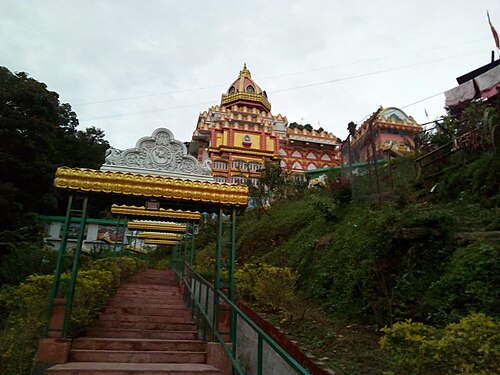
The temple enjoys good road connectivity with Gangtok (approximately 30–35 km away), Pakyong, Rangpo, and other nearby towns. State transport buses, shared jeeps, and taxis operate regularly on these routes. Those arriving by air can use Pakyong Airport, roughly 8–10 km from the temple, where taxis are readily available. For rail travellers, the nearest major stations are New Jalpaiguri and Siliguri Junction in West Bengal, both around 115–120 km away, with shared taxis and private cabs connecting these stations to the temple.
Accommodation and Practical Planning
Pakyong and the surrounding area offer budget hotels, guest houses, and family-run homestays suitable for various budgets. Gangtok, 30–35 km away, provides a wider range of mid-range and luxury accommodation options. Advance booking is recommended during tourist seasons and major festivals. Visitors should carry drinking water and light snacks if travelling with family, and plan visits during morning hours for the most peaceful experience.
How to reach
You may also visit
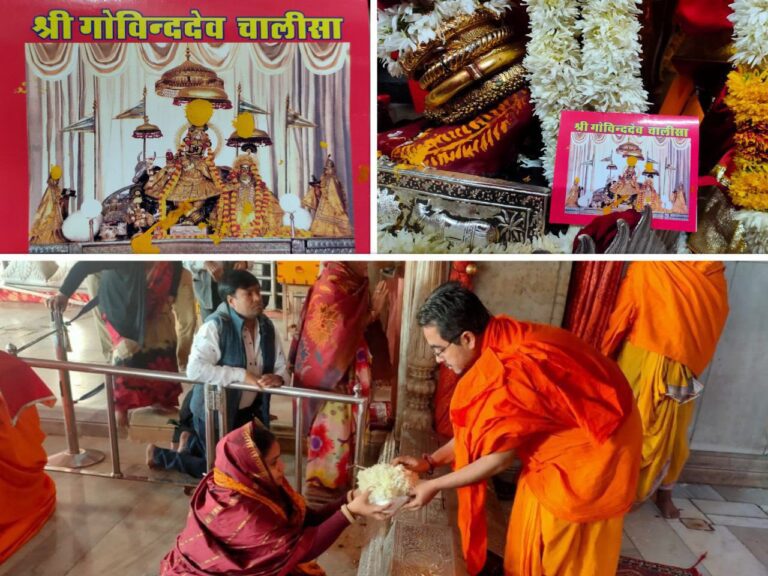
Kalyanji Temple
Kalyanji Temple in Jaipur's Chandpol Bazaar is approximately two centuries old and renowned for displaying the twenty-four avatars of Krishna, visible only twice yearly during Akha Teej and Patottsav festival.
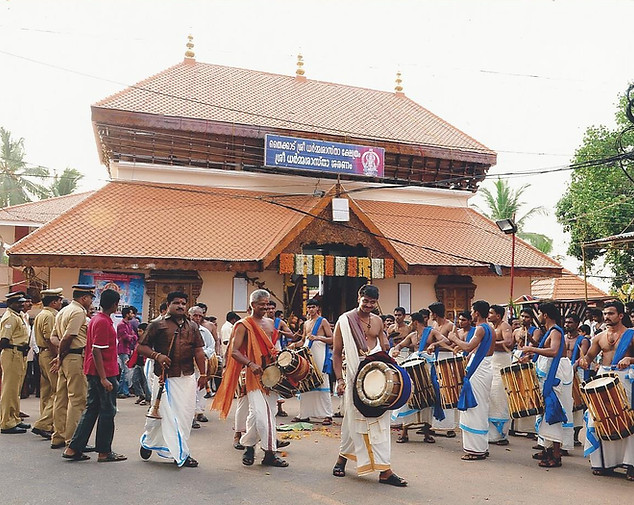
Sastha (Ayyappan) Temple
Sree Dharma Sastha Temple in Thycaud, Thiruvananthapuram, is a centuries-old shrine where the deity manifests as Dhanwanthari, the divine healer, holding the sacred blue lotus.
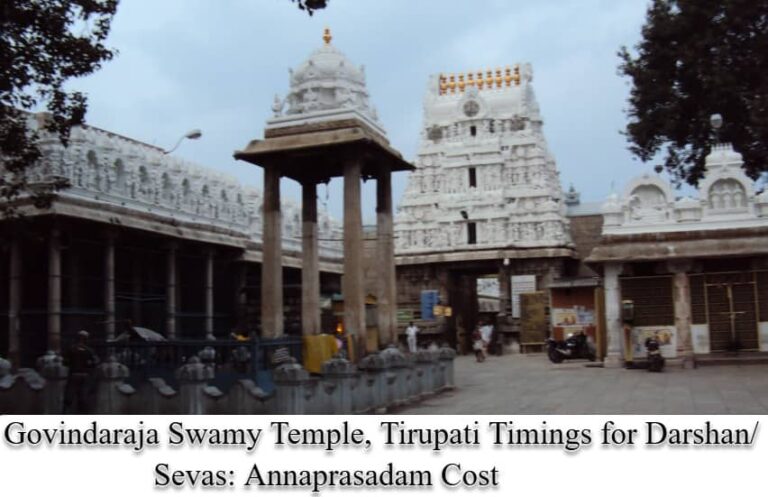
Govindarajaswamy Temple
Sri Govindarajaswamy Temple in Tirupati is an ancient Vaishnavaite shrine consecrated in 1130 AD by Saint Ramanuja, where the presiding deity rests in eternal Yoga Nidra on the serpent Adisesha.