Kelidighat
About Kelidighat
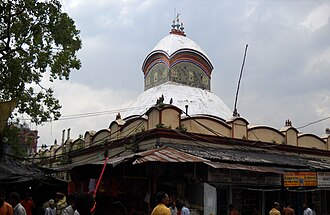
The temple in its present form dates to 1809, when construction was completed under the patronage of the Sabarna Roy Choudhury family. Work began in 1798 and took eleven years to reach completion. However, the sacred history of this site extends considerably further back. The location is mentioned in texts composed in the fifteenth century (Manasara Bhashan) and the seventeenth century (Kavi Kankan Chandi), suggesting that worship at this place predates the current structure by centuries.
The temple complex comprises several distinct elements. At its centre stands the sanctum sanctorum, which houses the main deity. Adjacent to this is the Nat Mandir, a large congregational hall. To the northeast of the sanctum sanctorum sits a Shiva temple, and elsewhere within the complex stands a shrine dedicated to Radha and Krishna. A notable feature is the Kundupukur tank, where pilgrims practice Snan Yatra, a ritual bathing ceremony. The main image of Goddess Kali is distinguished by a tongue fashioned from gold.
Daily Worship and Darshan
The temple opens for darshan from 5:00 AM to 2:00 PM, then closes for a two-hour break before reopening from 5:00 PM to 10:30 PM. This midday closure allows time for ritual maintenance and the preparation of prasad (blessed food offerings). Three aartis—formal ritual ceremonies of worship—are performed daily: the morning aarti at 5:30 AM, the sandhya aarti at 6:30 PM, and the evening aarti at 7:00 PM. These ceremonies mark significant moments in the temple's daily rhythm and offer devotees opportunities to witness the formal veneration of the deity.
Visitors planning their visit should note that early morning hours, particularly on weekdays, tend to draw smaller crowds than midday or weekend periods. The temple typically requires two to three hours for a complete visit. Darshan can be arranged through both online and offline modes.
Visiting Information and Etiquette
The temple operates daily from 5:00 AM to 10:30 PM with the midday break noted above. As this is an active place of worship under the administration of the Government of West Bengal, timings may be subject to change; it is advisable to confirm details before planning your visit.
The best time to visit from a climate perspective is October through March, when Kolkata's weather is more temperate. Weekday mornings offer a quieter experience for those seeking a more meditative darshan. Devotees should dress modestly and respectfully when entering the temple. Shoes are typically removed before entering the sanctum area. Photography policies may vary; it is courteous to ask permission before photographing. As with temples of this tradition, visitors should be prepared for crowds, particularly during festival periods and on weekends. The temple is one of Kolkata's busiest places of worship, drawing large numbers of Kali devotees throughout the year.
Location and Access
Kalighat Kali Temple is located in the Kalighat neighbourhood of Kolkata, West Bengal, at coordinates 27.875°N, 83.931°E. The temple's position on the banks of the Adi Ganga makes it accessible from various points within the city. Kolkata's public transportation network, including buses and metro services, connects to the Kalighat area, making the temple reachable for both local devotees and visiting pilgrims.
How to reach
Temples near Kelidighat
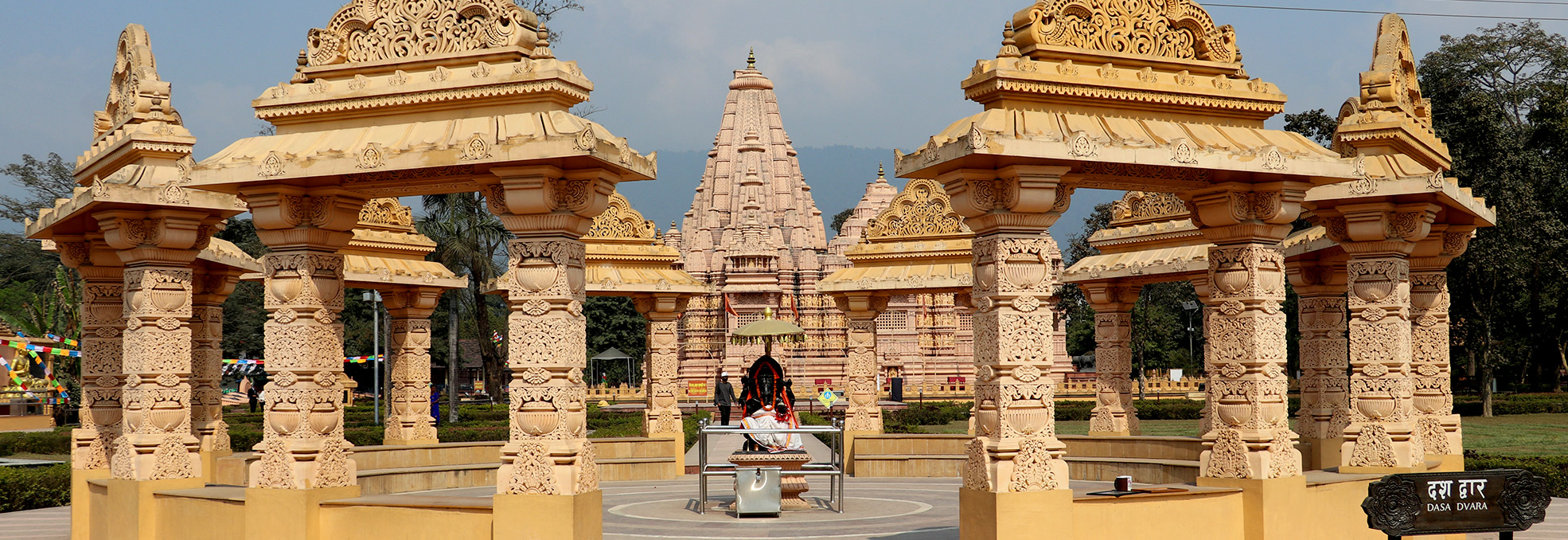
Shashwat Dham
Shashwat Dham is a Hindu spiritual complex in Devchuli, Nepal, dedicated to Lord Shiva and featuring a Vedic gurukul, yoga center, and syncretic gardens celebrating Hindu-Buddhi…
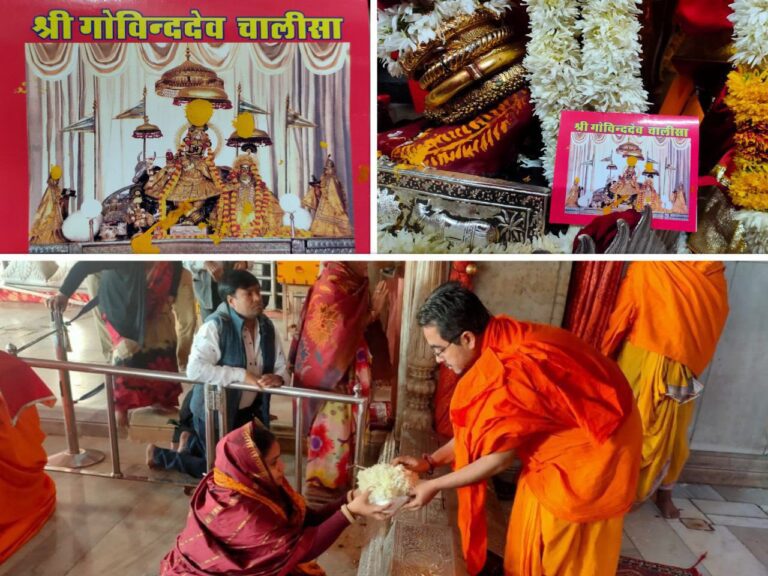
Mandavya Temple
Sri Mandavya Narayana Swamy Temple is a historic Hindu shrine dedicated to Vishnu located in Samarlakota, Kakinada district, Andhra Pradesh, drawing devotees particularly during…

Tal Barahi Temple
Tal Barahi Temple is a sacred Hindu shrine dedicated to Goddess Barahi, situated on a small island in the middle of Phewa Lake in Pokhara, Nepal. Accessible only by boat, it rep…
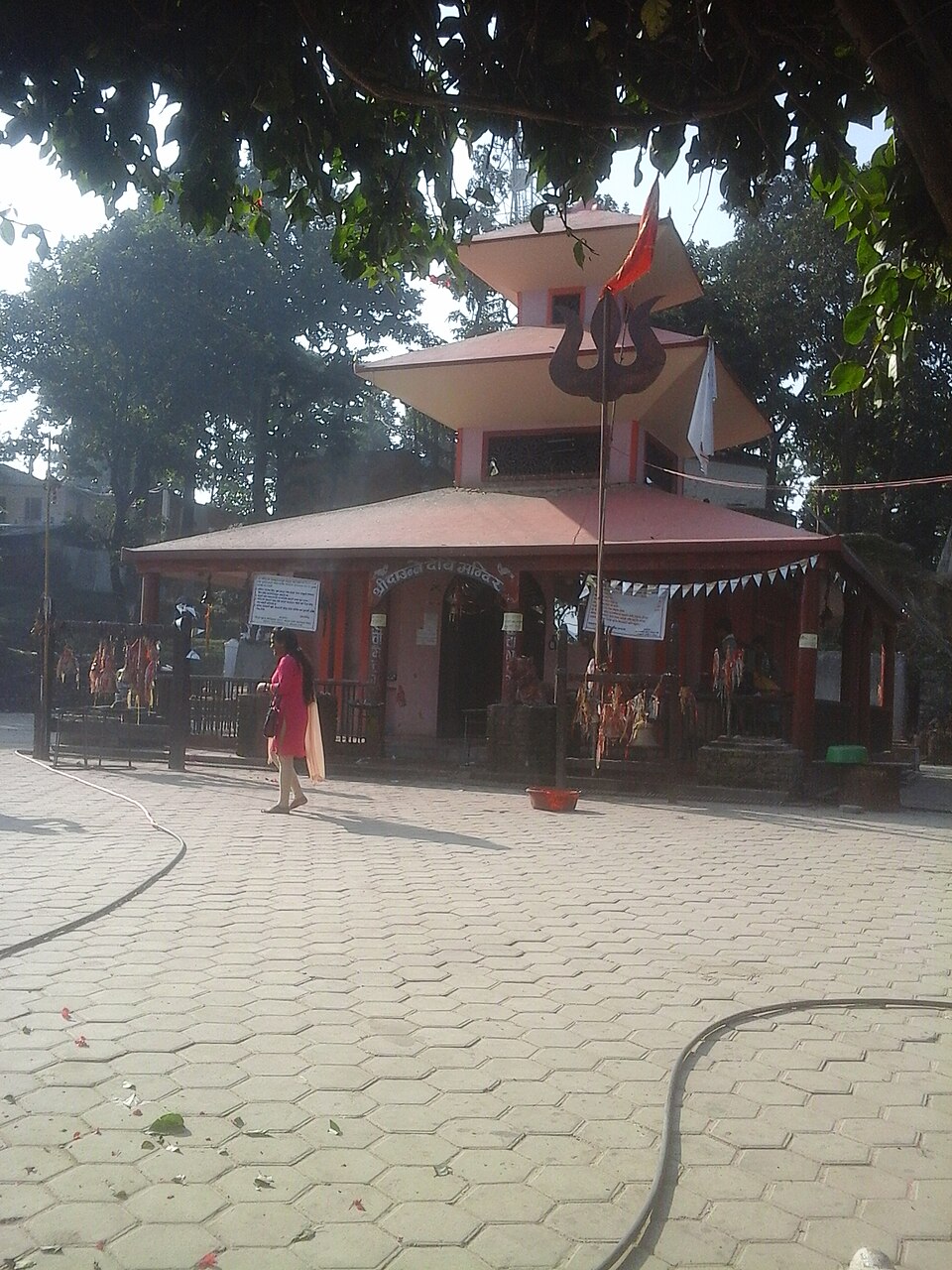
Daunne Devi Temple
Daunne Devi Temple is a Hindu shrine dedicated to Durga located at 1,033 meters elevation in Nawalparasi district, Nepal, established in the 19th century and revered as a pilgri…
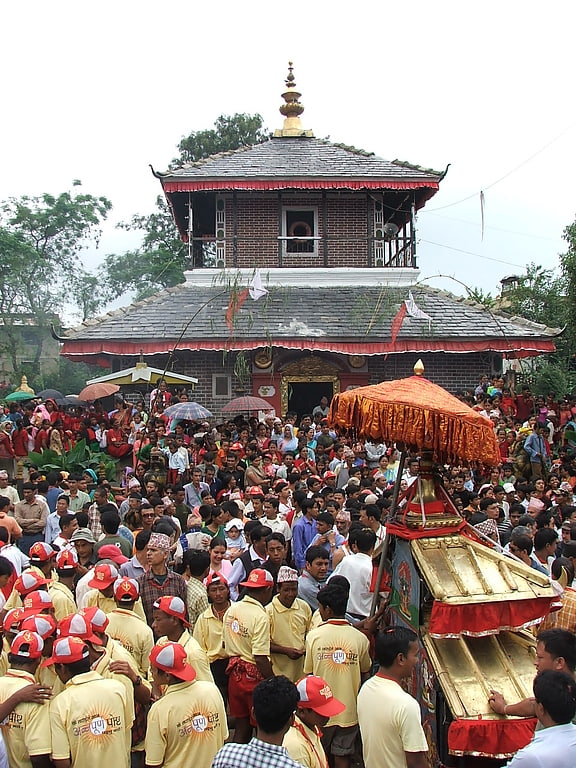
Rana Ujeshwori Bhagwati temple
The Rana Ujeshwori Bhagwati temple in Tansen, Palpa district, was constructed by Ujir Singh Thapa to honor Goddess Bhagwati following Nepal's victory in the Anglo-Nepali War. Th…

Bindhyabasini Temple
Bindhyabasini Temple is one of Pokhara's oldest and most revered Hindu shrines, perched atop a hilltop in Ward 2 and dedicated to Goddess Bindhyabasini, a manifestation of Durga…