


Tal Barahi Temple
About Tal Barahi Temple
Tradition records the temple's establishment in 1416 B.S. (Bikram Sambat), though historical documentation suggests construction may have occurred in the 18th century. The exact origins remain uncertain, but the temple has long held central importance in Pokhara's devotional landscape. Over centuries, it has served as a focal point for goddess worship and continues to draw both local devotees and pilgrims from across Nepal and beyond.
Visiting the Temple: Access and Practicalities
The only way to reach Tal Barahi Temple is by boat across Phewa Lake. Visitors should arrange boat transport from the lakeside in Pokhara; the crossing is brief but essential to the pilgrimage experience. The temple remains open to public access, welcoming devotees throughout the year.
Daily rituals sustain the temple's spiritual life, though visitor numbers and atmosphere vary considerably. Saturdays attract notably higher numbers of pilgrims, as do major festivals. The temple operates with traditional worship practices, and visitors should approach with appropriate reverence. Modest dress is customary when visiting Hindu temples; remove shoes before entering the shrine. Photography policies may apply—it is respectful to ask permission before photographing the deity or ritual spaces.
Peak Seasons and Festivals
Devotees visit Tal Barahi most actively during two Nepalese months: Baisakh (April–May) and Kartik (November–December). These periods align with the broader Hindu calendar's significant observances and bring increased pilgrimage activity to the temple.
The Dashain festival represents a particularly important occasion at the shrine, drawing vibrant public devotion and substantial crowds. Saturdays throughout the year also see elevated visitor numbers. Those seeking a quieter darshan experience should plan visits outside these peak times, though the temple's island setting naturally limits the scale of crowding compared to mainland temples.
Daily Worship and Darshan
The temple maintains traditional daily rituals that honor the goddess and sustain the sacred space. Devotees visit for darshan (viewing the deity), family prayers, and to make traditional offerings carried across the water. The short boat journey itself becomes part of the devotional practice, creating a meditative transition from the secular world to the sacred island.
The experience of approaching the temple by water, combined with the darshan of the goddess at the shrine's heart, creates a memorable spiritual encounter distinct from other Pokhara pilgrimage sites. Visitors should allow time for the boat crossing and return journey when planning their visit.
Planning Your Visit
The best times to visit are during Baisakh (April–May) and Kartik (November–December), when the weather is generally favorable and devotional activity is high. Saturdays offer another opportunity to experience the temple's vibrant atmosphere, though expect larger crowds. Those preferring quieter conditions should visit on weekdays outside festival periods.
Arrange boat transport in advance or through your accommodation in Pokhara. Bring modest clothing suitable for temple entry, and be prepared to remove footwear before approaching the shrine. The lake crossing is brief but should be factored into your visit timing. Check current boat availability and any seasonal variations before traveling, as water levels and weather may occasionally affect access.
How to reach


Temples near Tal Barahi Temple

Bindhyabasini Temple
Bindhyabasini Temple is one of Pokhara's oldest and most revered Hindu shrines, perched atop a hilltop in Ward 2 and dedicated to Goddess Bindhyabasini, a manifestation of Durga…
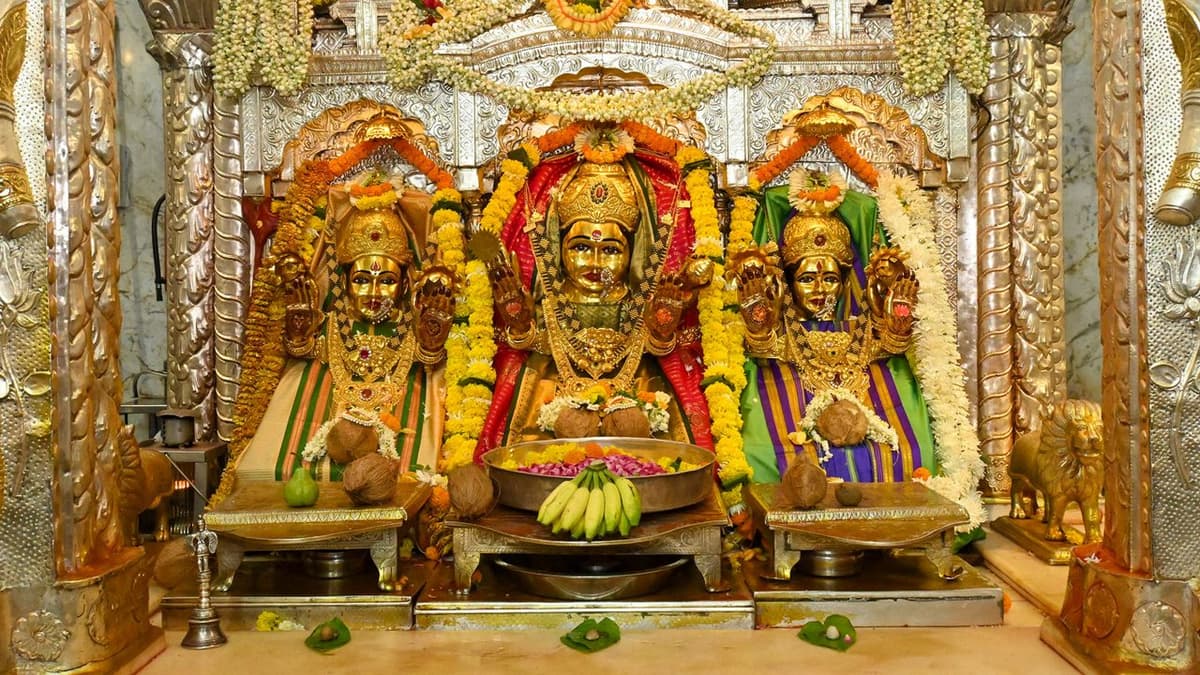
Mahadev Temple
Shri Mahalakshmi Temple in Mumbai is a revered sanctuary dedicated to Goddess Mahalakshmi, the divine embodiment of wealth and prosperity, alongside the Tridevi goddesses Mahaka…
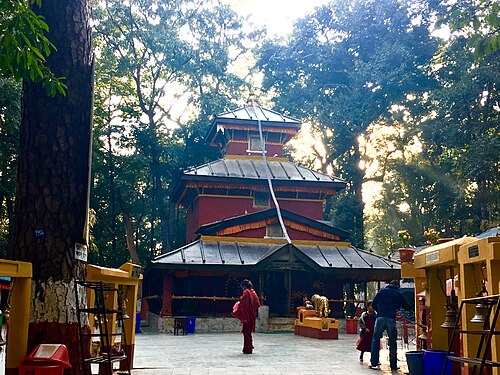
Kalika Bhagawati Temple
Kalika Bhagawati Temple in Baglung, western Nepal, is a significant Hindu shrine dedicated to the goddess Kali, situated on the southern banks of the Kali Gandaki River and serv…
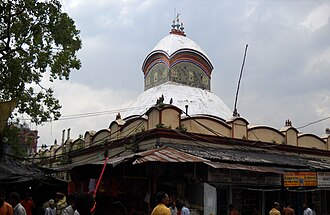
Kelidighat
Kalighat Kali Temple in Kolkata is one of India's 51 Shakti Peethas, dedicated to Goddess Kali. The present structure was completed in 1809 after eleven years of construction sp…
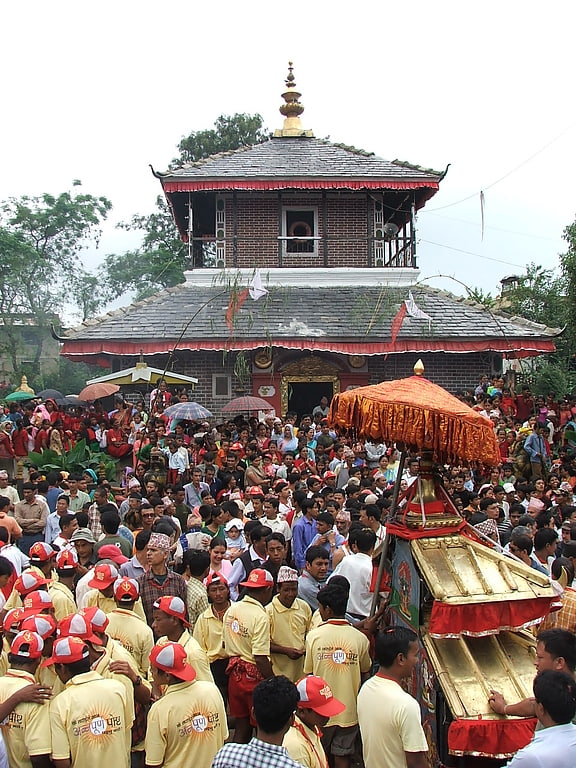
Rana Ujeshwori Bhagwati temple
The Rana Ujeshwori Bhagwati temple in Tansen, Palpa district, was constructed by Ujir Singh Thapa to honor Goddess Bhagwati following Nepal's victory in the Anglo-Nepali War. Th…
Mandavya Temple
Sri Mandavya Narayana Swamy Temple is a historic Hindu shrine dedicated to Vishnu located in Samarlakota, Kakinada district, Andhra Pradesh, drawing devotees particularly during…