Shashwat Dham
About Shashwat Dham
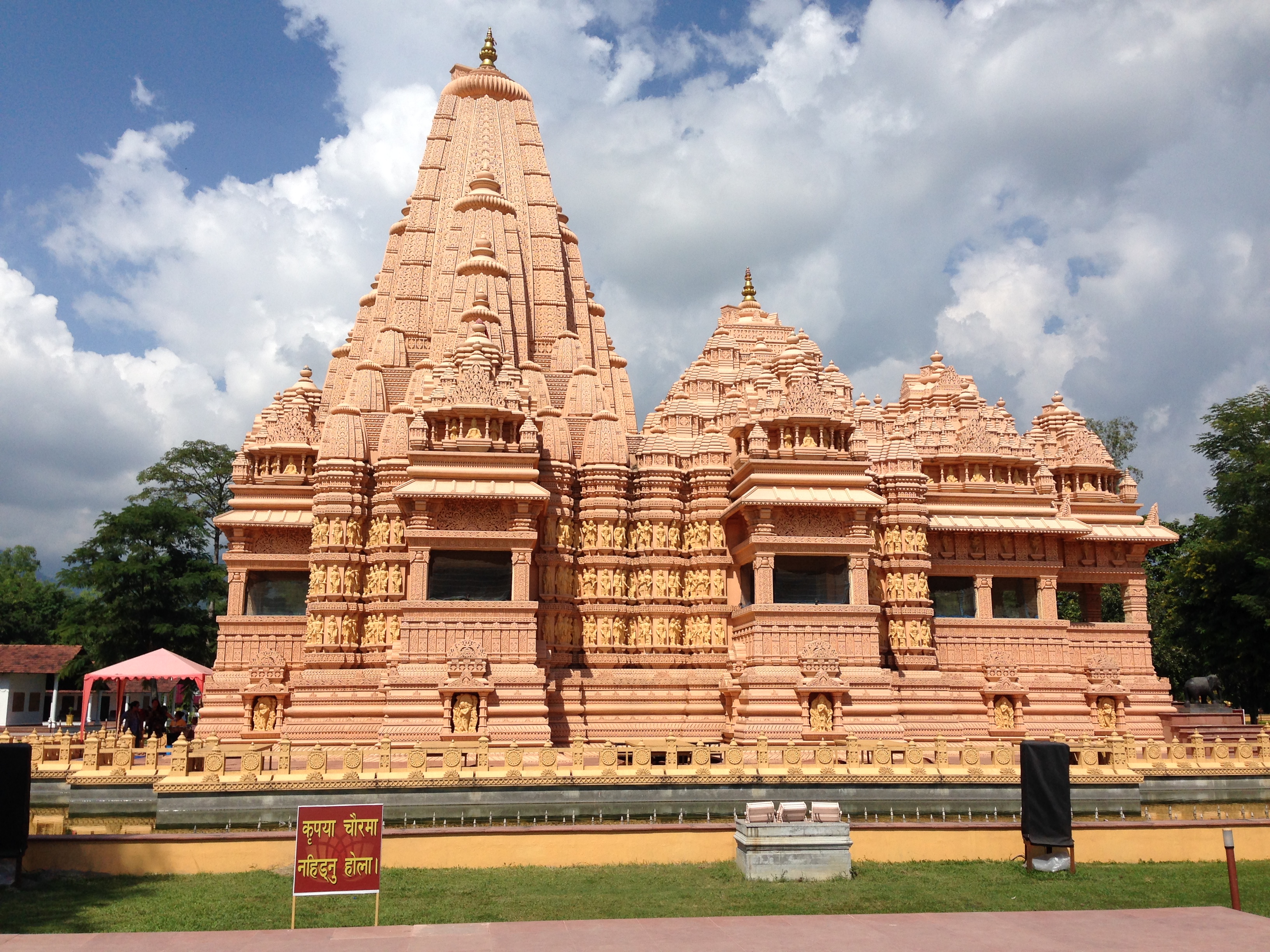
Central to Shashwat Dham's identity is its Vedic karmakanda gurukul, a traditional educational institution where young students known as batuks study the Vedas under qualified teachers and participate in temple rituals. This gurukul represents a deliberate effort to sustain the lineage of Vedic knowledge and ritual practice—the karmakanda—which forms the ceremonial backbone of Hindu worship. The gurukul operates within the temple complex, allowing students to combine theoretical study with practical engagement in the daily worship of the deity.
The presence of such an institution reflects a recognition that the transmission of Vedic knowledge requires dedicated training and immersion in both textual study and lived practice. Visitors to the temple may encounter these students engaged in their studies and ritual duties, offering a glimpse into a form of Hindu education that has persisted for millennia.
Sacred Spaces and Symbolic Design
The temple complex includes several thoughtfully designed spaces that embody Hindu and Buddhist philosophical principles. The Syncretic Garden depicts the integration of Hinduism and Buddhism, employing geometric forms to represent different Vedic traditions: a triangular shape symbolizes the Rig Veda, while a circular form represents the Yajur Veda, which deals with the Vedas of worship. This garden reflects the site's commitment to recognizing the spiritual common ground between these two great traditions.
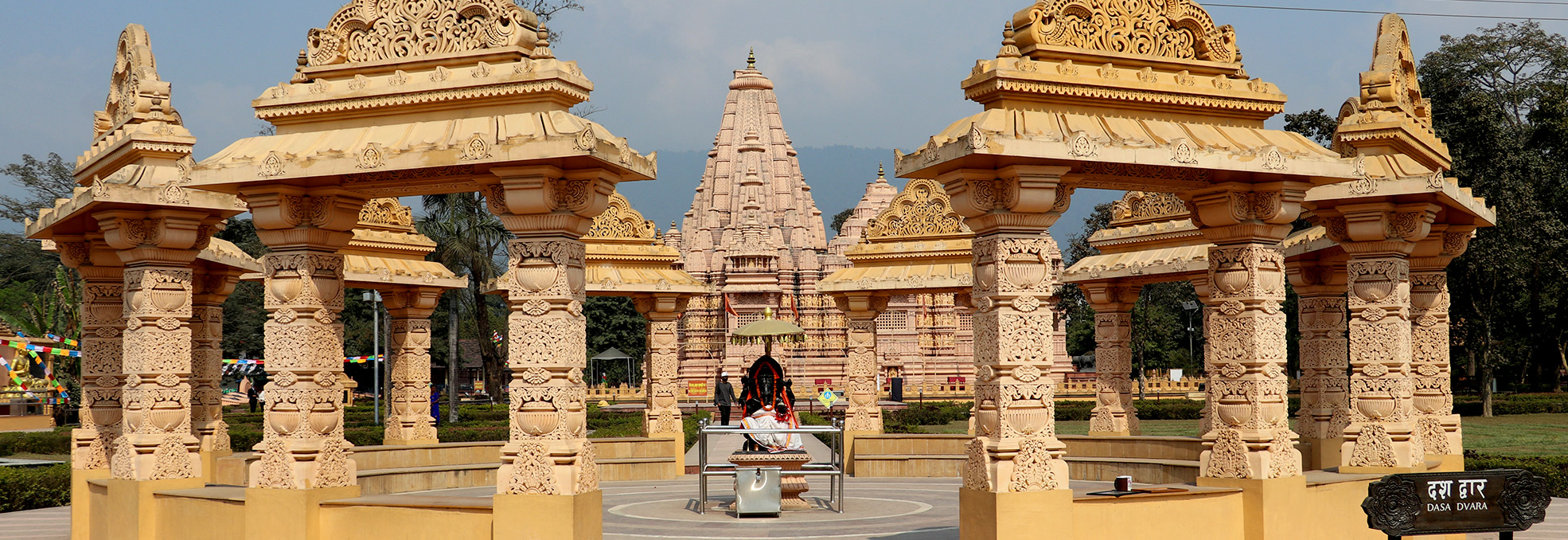
Another significant feature is the Dasa Dvara, or "ten doors," which consists of beautifully carved doorways surrounding a lotus-shaped pot filled with water at the centre. This structure carries metaphorical meaning: the ten doors represent the nine openings of the human body (two eyes, two nostrils, two ears, mouth, and two lower openings), inviting contemplation of the body as a vessel through which spiritual practice unfolds. The complex also houses both a Spiritual Museum and a Buddhist Museum, providing visitors with educational context for the traditions represented at the site.
Yoga, Meditation, and Spiritual Practice
Shashwat Dham incorporates the Sri Sri Center for Yoga and Meditation as an integral part of its offerings. This reflects the temple's understanding that spiritual development encompasses not only ritual worship and philosophical study but also the cultivation of inner peace through contemplative practice. The inclusion of yoga and meditation facilities alongside the traditional temple and gurukul acknowledges the role these disciplines play in Hindu spiritual life, particularly as understood in contemporary practice.
Visiting the Temple
The temple is located on the East West Highway in Devchuli, making it accessible by road. Visitors seeking information or wishing to arrange pujas and rituals can contact the temple directly at +977 078-545008 or 078-545023, or via email at info@shashwatdham.org. The site offers a virtual tour online, allowing prospective visitors to familiarize themselves with the layout and features before arrival.
As with most Hindu temples, visitors should dress modestly and remove their shoes before entering the inner sanctum. The temple maintains a schedule of daily worship; specific darshan timings can be confirmed through direct contact with the temple. A wide range of pujas and rituals are available, from daily offerings to specialized ceremonies addressing particular spiritual needs or life transitions. The temple's trained priests and gurukul students are equipped to guide visitors through appropriate protocols and to facilitate worship according to individual intention.
How to reach
You may also visit
Agatheeswarar Temple, Karur
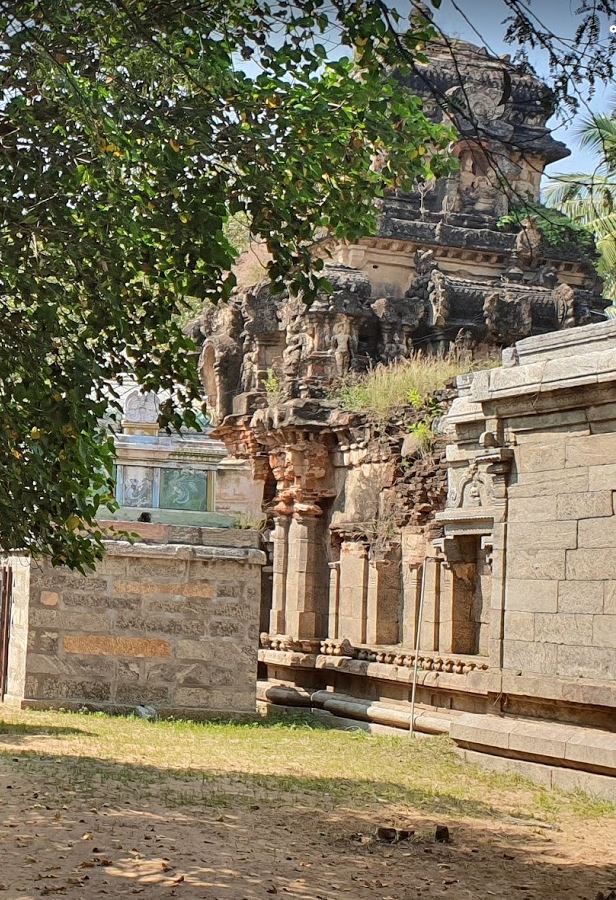
Agatheeswarar Temple in Thirumukkudalur, Karur district, is an ancient Hindu shrine dedicated to Shiva, situated at the sacred confluence of three rivers and believed to be over 1000 years old.
Kalyanji Temple
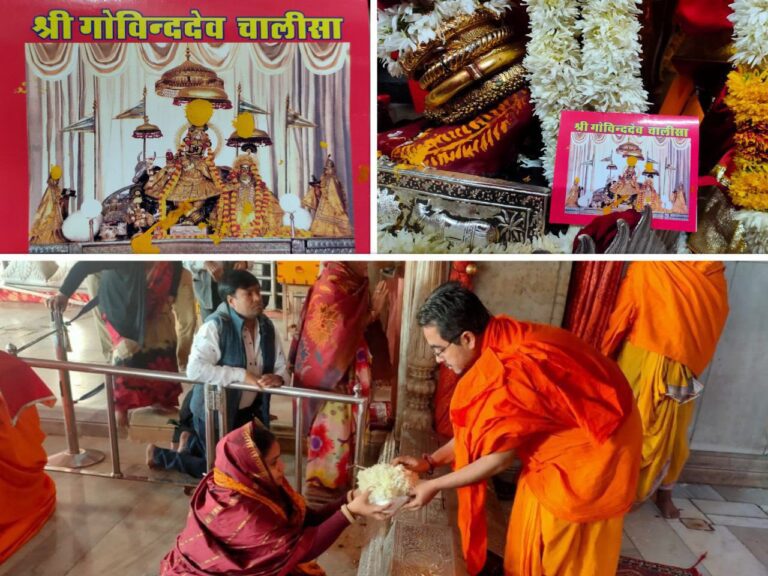
Kalyanji Temple in Jaipur's Chandpol Bazaar is an ancient Krishna shrine established in the 1820s, renowned for its seven daily aartis and special avatar darshan ceremonies during Akha Teej and Patottsav festivals.
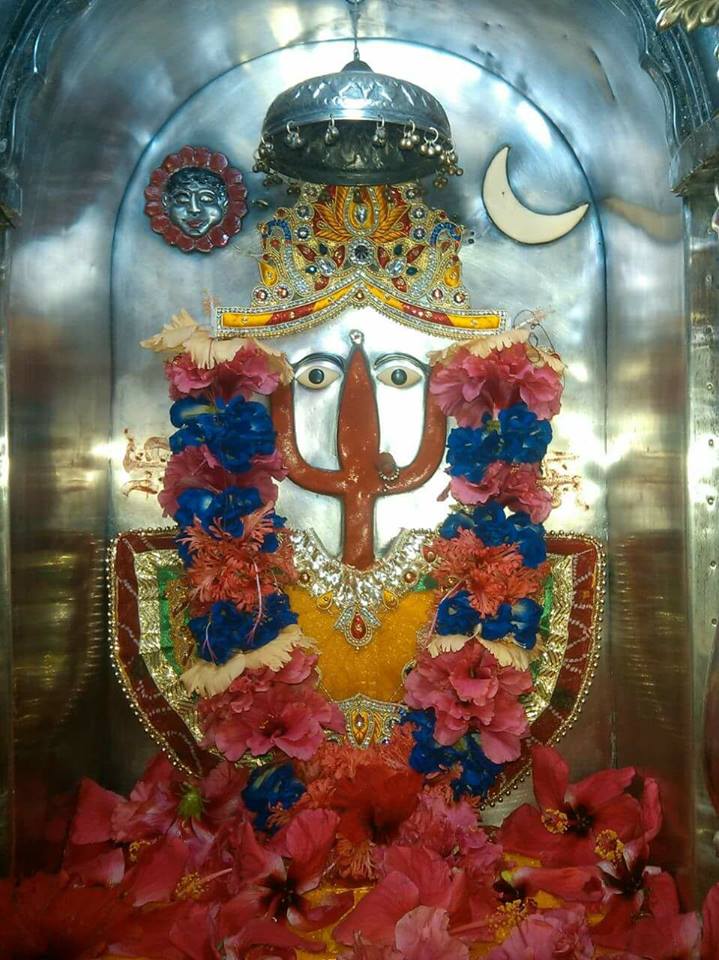
Rani Sati Mandir Mahuda
Rani Sati Mandir in Mahuda, Dhanbad District, is a Hindu temple established in 1992 that serves as a spiritual center for the local community and attracts devotees seeking blessings.