


Bindhyabasini Temple
About Bindhyabasini Temple
The temple occupies a hilltop position in Ward No. 2, Miruwa, within Pokhara's Kaski District in Gandaki Province. Its elevated setting offers both spiritual significance and practical accessibility. Three stone staircases—approached from the east, north, and southeast—provide routes to the temple summit. Visitors ascending these paths encounter a statue of Lord Hanuman near the entrance, marked with sindoor (vermillion), positioned adjacent to a shrine of Lord Ganesha. These welcoming presences at the threshold reflect traditional temple architecture, where guardian deities greet those entering sacred space.
Daily Worship and Darshan
The temple opens daily from 05:00 to 20:00, accommodating both early morning and evening visitors. The primary daily ritual is the evening aarti, conducted between 18:00 and 19:00. This ceremony involves the ritual waving of lamps before the deity accompanied by devotional chanting, creating an atmosphere of collective worship. Visitors are generally welcome to observe or participate in these rituals, though it is respectful to follow the guidance of temple priests regarding appropriate conduct and positioning during ceremonies.
Certain days carry heightened spiritual significance for darshan. Tuesdays and Saturdays hold particular importance in Hindu practice, as do the Saptami and Navami lunar dates—the seventh and ninth days of the lunar fortnight. These occasions typically draw larger numbers of devotees and may offer a more vibrant communal atmosphere for worship.
Optimal Times for Visiting
The months of Bhadra, Ashwin, and Chaitra—falling within autumn and spring seasons of the Hindu calendar—are identified as especially favorable for temple visits. These periods are traditionally associated with heightened spiritual activity and major festivals. The weather during these months in Pokhara is generally pleasant, making the climb to the hilltop temple more comfortable for visitors of varying abilities.
Combining knowledge of auspicious lunar dates with these favorable months can enhance a visit. Planning around Tuesdays, Saturdays, and the Saptami and Navami lunar dates during Bhadra, Ashwin, or Chaitra may provide both a spiritually significant experience and a more vibrant temple atmosphere as the broader devotional community gathers.
Visitor Conduct and Etiquette
As a functioning Hindu temple, Bindhyabasini observes traditional practices regarding dress and behavior. Visitors should dress modestly, covering shoulders and knees—a standard expectation at Hindu temples. Shoes are typically removed before entering the inner sanctum. The temple priests serve as guides to appropriate conduct; observing their direction regarding positioning during rituals and approaching the deity ensures respect for ongoing worship.
Participation in aarti is open to visitors, though those unfamiliar with the ritual may find it helpful to observe first and follow the lead of regular devotees. Photography policies vary; it is courteous to ask permission before photographing the deity or active worship.
Temple Architecture and Layout
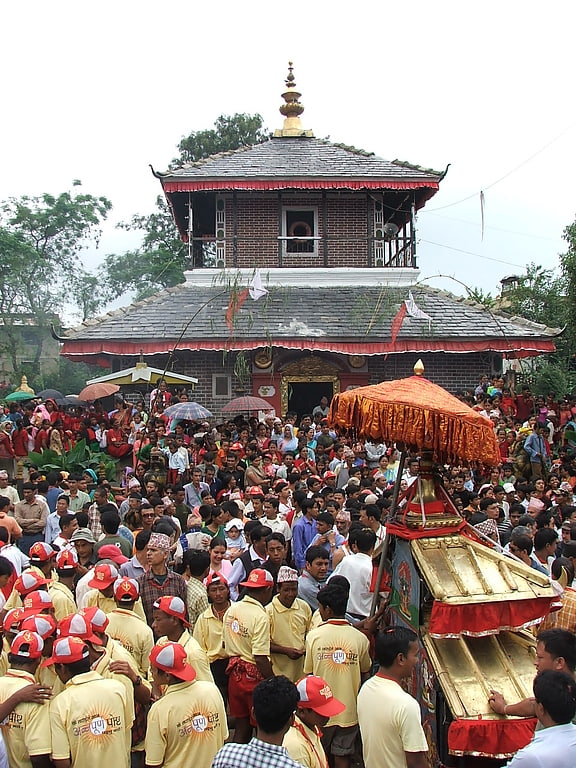
The temple complex reflects Nepalese architectural traditions characteristic of the region. The hilltop setting itself forms part of the sacred geography, with the elevated position lending spiritual prominence to the site. The presence of multiple shrines within the complex—rather than a single deity focus—reflects a common pattern in Hindu temple design, where related deities and aspects of the divine are honored in proximity. The stone staircases serving the hilltop represent both practical infrastructure and a ritualized approach to the sacred space, with the ascent itself forming part of the devotional journey.
How to reach


Temples near Bindhyabasini Temple
Mahadev Temple
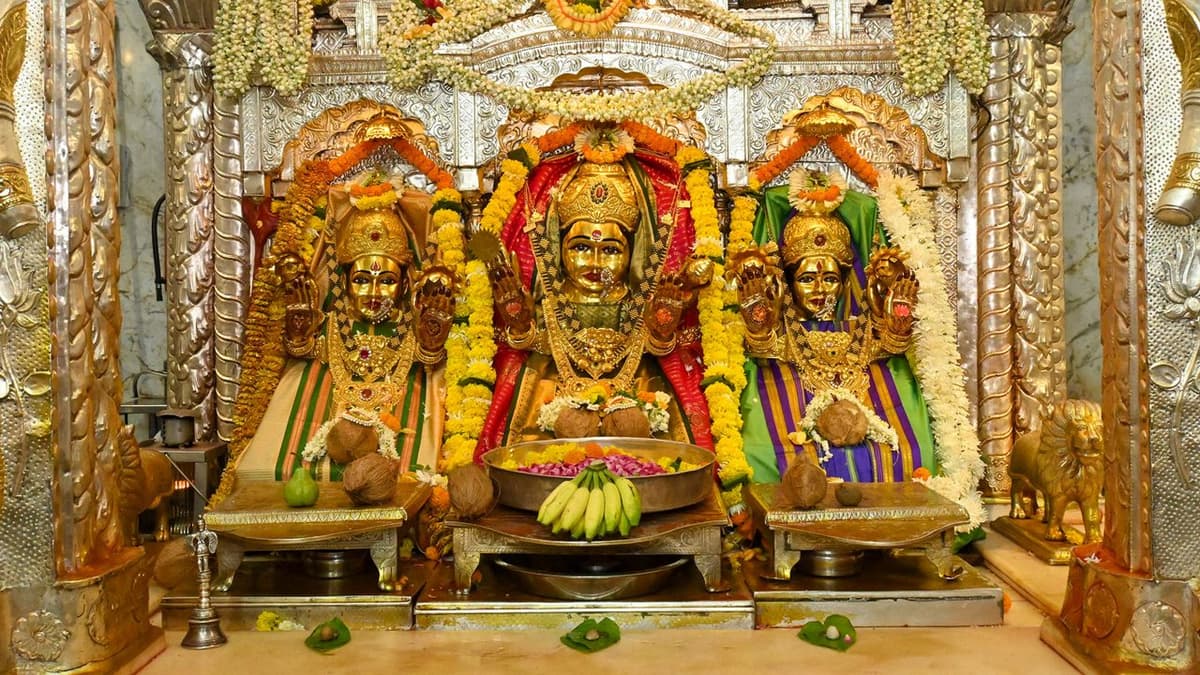
Shri Mahalakshmi Temple in Mumbai is a revered sanctuary dedicated to Goddess Mahalakshmi, the divine embodiment of wealth and prosperity, alongside the Tridevi goddesses Mahaka…

Tal Barahi Temple
Tal Barahi Temple is a sacred Hindu shrine dedicated to Goddess Barahi, situated on a small island in the middle of Phewa Lake in Pokhara, Nepal. Accessible only by boat, it rep…
Kalika Bhagawati Temple
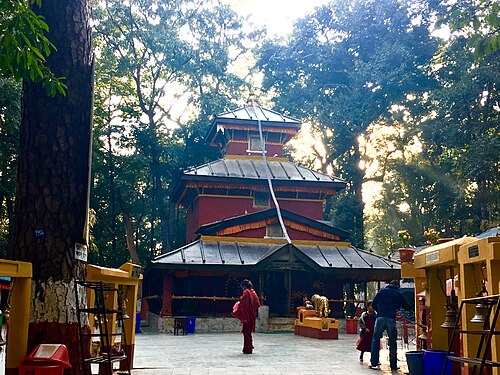
Kalika Bhagawati Temple in Baglung, western Nepal, is a significant Hindu shrine dedicated to the goddess Kali, situated on the southern banks of the Kali Gandaki River and serv…
Kelidighat
Kalighat Kali Temple in Kolkata is one of India's 51 Shakti Peethas, dedicated to Goddess Kali. The present structure was completed in 1809 after eleven years of construction sp…
Andhimul Temple
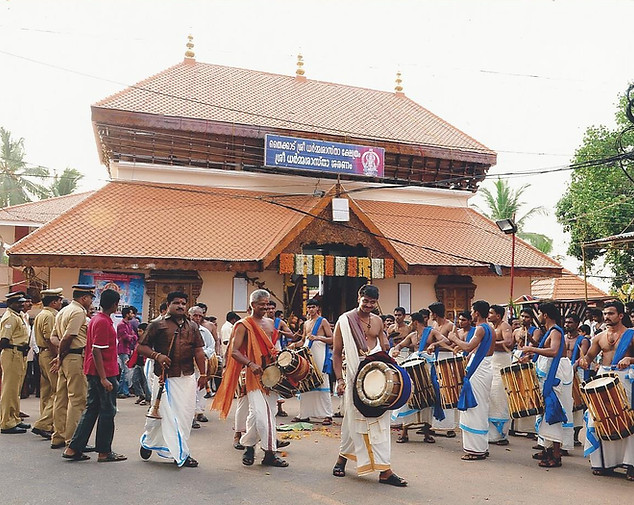
Andhimul Temple is a Hindu shrine dedicated to Shiva, located in the rural Satrasay Phant area of Anbu Khaireni Rural Municipality in Nepal. The temple was constructed in 1978 C…
Rana Ujeshwori Bhagwati temple
The Rana Ujeshwori Bhagwati temple in Tansen, Palpa district, was constructed by Ujir Singh Thapa to honor Goddess Bhagwati following Nepal's victory in the Anglo-Nepali War. Th…