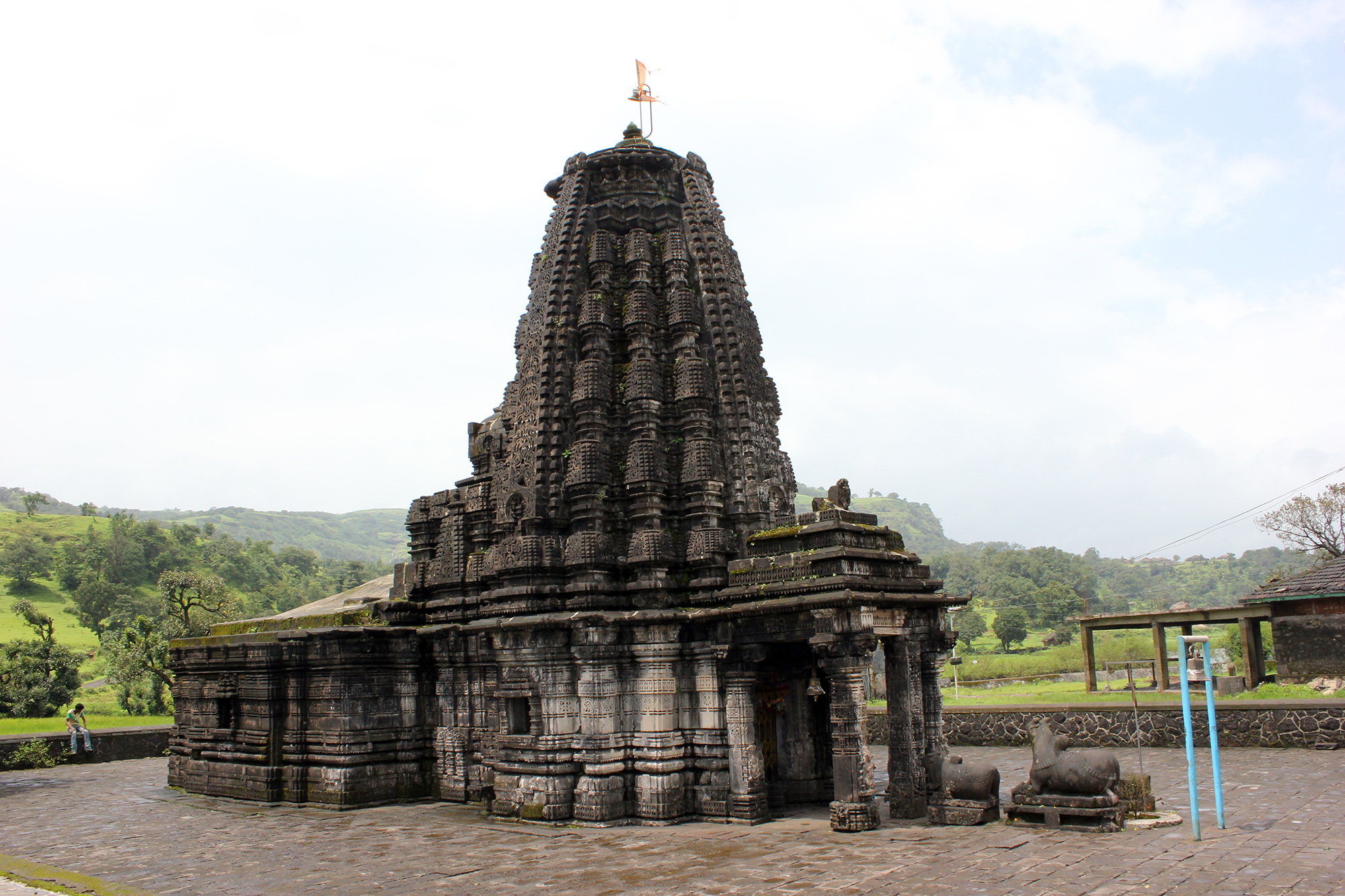
Kapilnath Temple
About Kapilnath Temple
King Ram Shah commissioned the construction of Kapilnath Temple in 1643, a period when temple building served as an important expression of royal authority and religious commitment. The temple's establishment during this era places it within a broader context of seventeenth-century Hindu temple construction across India, when rulers invested in sacred architecture as both spiritual and political acts.
The temple's survival across the intervening centuries speaks to the care of successive generations of devotees and custodians who have maintained its structures and rituals. This continuity of worship and upkeep has allowed the temple to retain its significance as a religious site into the present day.
Shivratri: The Principal Festival
Shivratri, the night sacred to Shiva, draws particularly large gatherings of worshippers to Kapilnath Temple. This festival, observed across the Hindu calendar as one of Shiva's most important celebrations, brings heightened devotional activity and substantial numbers of pilgrims to the shrine. The temple becomes notably decorated during this period, and the intensity of worship reflects the festival's central place in Shaivite practice.
Visitors planning a pilgrimage specifically to experience the temple's most vibrant observance should time their visit to coincide with Shivratri. However, those unable to visit during the festival will find the temple open to worshippers throughout the year.
Daily Worship and Visitor Access
The temple welcomes devotees for daily darshan and worship. Specific timings for opening hours and aarti (ritual worship) should be confirmed directly with the temple before traveling, as schedules may vary seasonally or on festival days. This precaution ensures visitors arrive at times when darshan is available and can participate in or observe the temple's ritual life.
Temples dedicated to Shiva typically observe morning and evening aartis, though the exact schedule at Kapilnath should be verified locally. Visitors should dress modestly and respectfully, removing footwear before entering the sanctum, as is customary in Hindu temples. Photography policies and other specific guidelines may apply; inquiring upon arrival will help ensure a respectful visit.
Location and Access
Kapilnath Temple is situated near Navratangarh in Gumla district, Jharkhand, at coordinates 23.1167°N, 84.7667°E. The temple's location in rural Jharkhand means that visitors should plan their journey with attention to local transportation options and road conditions. Those traveling from major cities will need to arrange transport to reach Navratangarh and the temple site.
Consulting local travel resources and contacting the temple in advance can provide practical guidance on the best routes and travel times from nearby towns or cities. The rural setting of the shrine means that advance planning regarding accommodation and supplies is advisable.
What to Know Before Visiting
Visitors should confirm current darshan timings and any special observances before making the journey, as festival days and seasonal changes may affect access. The temple's location in a rural area means that facilities may be limited; visitors should come prepared with water and any personal necessities they may require.
Respectful behavior—including quiet conduct in the sanctum, appropriate dress, and adherence to any guidelines posted by temple authorities—ensures a meaningful visit for oneself and other worshippers. Those unfamiliar with Hindu temple customs should observe the practices of other devotees present and follow their example.
How to reach
Temples near Kapilnath Temple
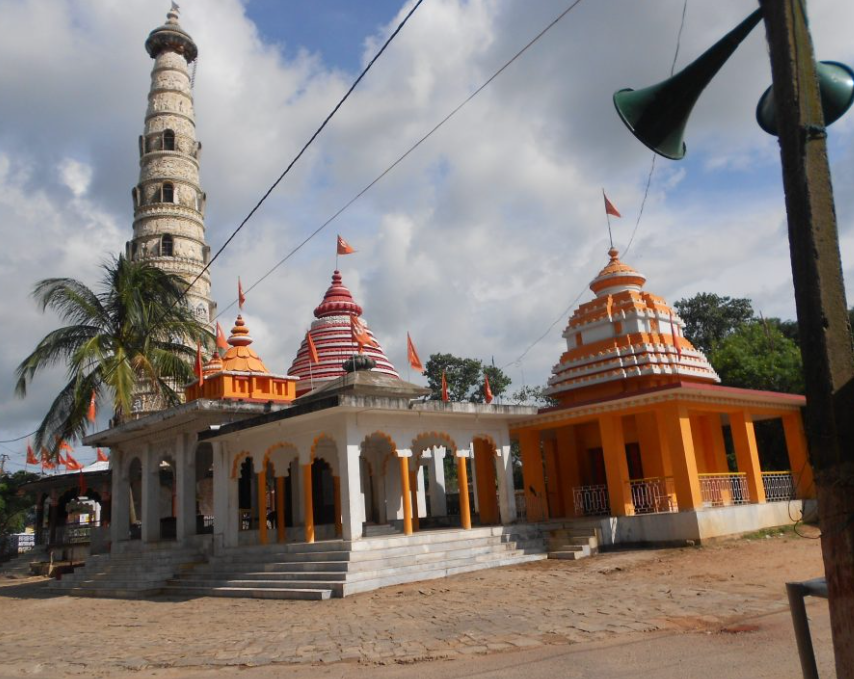
Amreshwar Dham
Amreshwar Dham, formerly known as Angrabari Temple, is a sacred Shiva temple near Khunti in Jharkhand, distinguished by its open-air Swayambhu Shivling situated beneath a banyan…
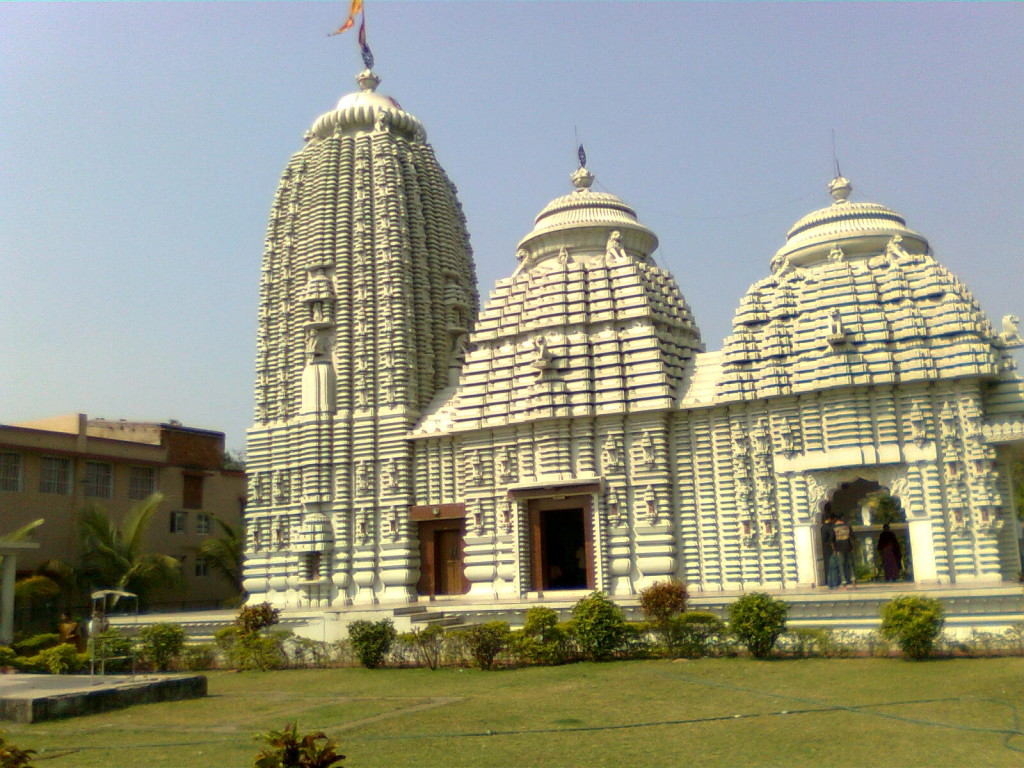
Jagannath Temple, Ranchi
A 17th-century hilltop temple in Ranchi dedicated to Lord Jagannath, notable for hosting its own Rath Yatra celebration annually.
Pahari Mandir
Pahari Mandir is a hilltop Shiva temple in Ranchi, Jharkhand, situated at 2,140 feet elevation where the deity is worshipped in linga form. The temple draws large crowds during…
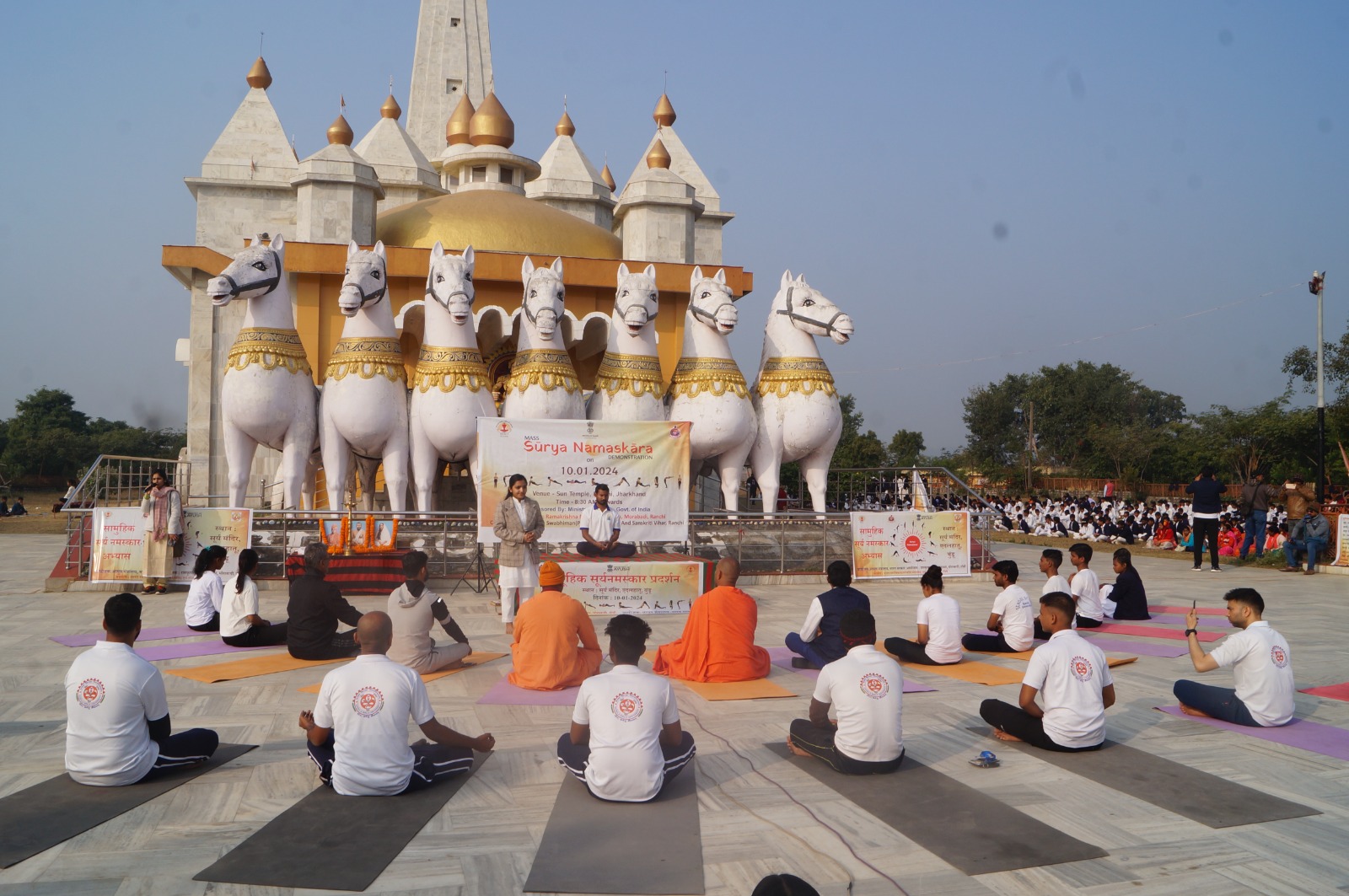
Surya Temple, Ranchi
The Surya Temple near Bundu in Ranchi is a modern Hindu temple complex dedicated to the sun god, architecturally designed as a magnificent chariot with eighteen wheels and seven…
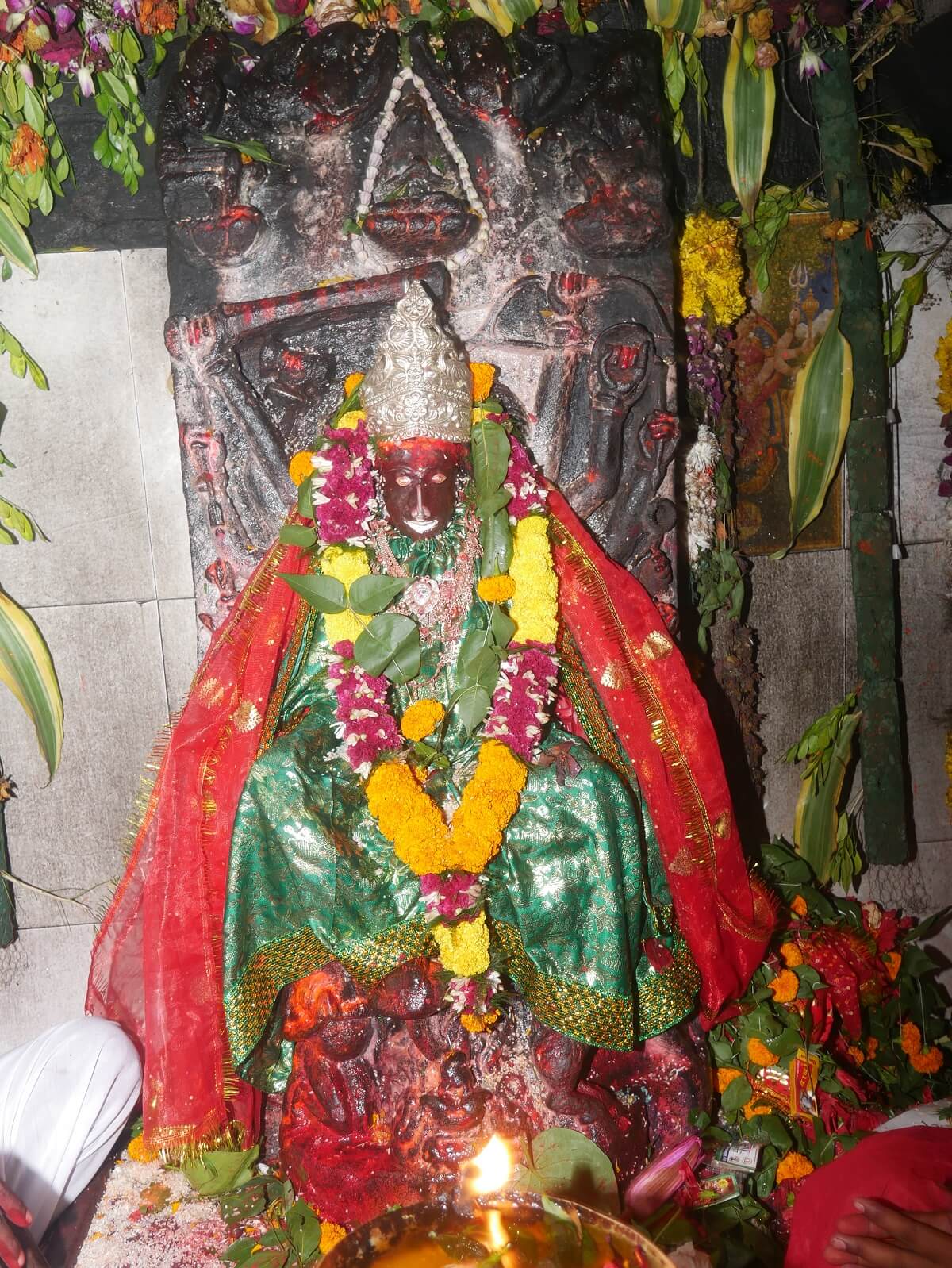
Maa Dewri Temple
Maa Dewri Temple is a 700-year-old shrine in Diuri village near Ranchi, Jharkhand, housing a rare 16-armed murti of Solah Bhuji Devi, an avatar of Goddess Durga, constructed ent…
Ruined temple near Rani Talab, Dipadih Kusmi
A vast field of scattered temple ruins dating from the 8th to 13th centuries near Rani Talab in Dipadih, Chhattisgarh, containing at least seven temple foundations with fragment…