Amreshwar Dham
About Amreshwar Dham
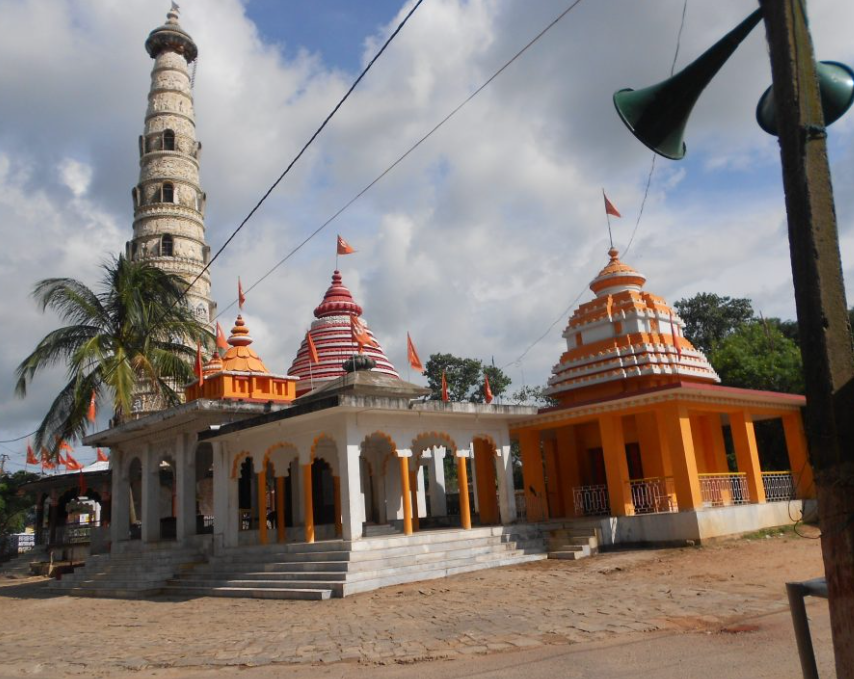
Amreshwar Dham functions as a temple complex rather than a single shrine, indicating multiple prayer spaces and structures within its grounds. The complex has been developed specifically to accommodate pilgrims and worshippers. While detailed architectural documentation is not available, the site's formal establishment as a pilgrimage destination suggests it has been organized to serve visitors and maintain regular worship practices. Those visiting should prepare for the facilities typically found at established temple complexes in rural Jharkhand, which may be more modest than those at larger urban temples.
Worship and Darshan
As a Shiva temple, Amreshwar Dham follows the worship traditions associated with this deity. The central act of worship at Hindu temples is darshan—the viewing of the deity in the sanctum. Temples dedicated to Shiva typically conduct daily rituals involving offerings, prayers, and the ringing of bells, generally at dawn and dusk with additional prayers throughout the day. Devotees commonly bring offerings such as flowers, fruits, or milk as part of their worship practice. Specific details about the daily rituals and aarti timings at Amreshwar Dham are not documented in available sources, so visitors should contact the temple management directly to confirm current worship schedules.
Festivals and Celebrations
The temple is notably decorated and draws larger numbers of visitors during three principal festivals: Raksha Bandhan, Kartik Purnima, and Ugadi. These occasions mark the busiest times at the temple complex. Raksha Bandhan, celebrated in August, honours the bond between siblings. Kartik Purnima, observed in November, is associated with Dev Deepawali and the lighting of ghats. Ugadi, falling in March, marks the Hindu New Year in the Deccan tradition. Visiting during these festivals offers the experience of the temple in its most elaborately decorated state, though visitors should expect larger crowds and should confirm specific dates and any special observances with the temple management before travelling.
Visiting Information and Etiquette
Amreshwar Dham is accessible by road via National Highway 20. Visitors from Ranchi should allow time for the 45-kilometre journey, while those from Khunti town will find it approximately 9 kilometres away. As with Hindu temples generally, modest dress is customary—covering shoulders and knees is respectful practice. Footwear must be removed before entering the inner sanctum. Specific visiting hours are not documented in available sources and may vary seasonally or for maintenance purposes, so it is advisable to contact the Amreshvar Dham Prabandh Samiti directly or make local inquiry in Khunti town for current information regarding access, facilities, and any guidelines for visitors.
Planning Your Journey
Accommodation options may be limited in the immediate vicinity of the temple, so those travelling from Ranchi or other larger cities might consider day trips or arrange lodging in advance. The temple's location on a national highway makes it reasonably accessible by vehicle for those with their own transport. For the most current and practical information—including visiting hours, special observances, available facilities, and road conditions—direct contact with the temple management committee is recommended. Local inquiry in Khunti town can also provide helpful details about the best times to visit and current conditions of access routes.
How to reach
Temples near Amreshwar Dham
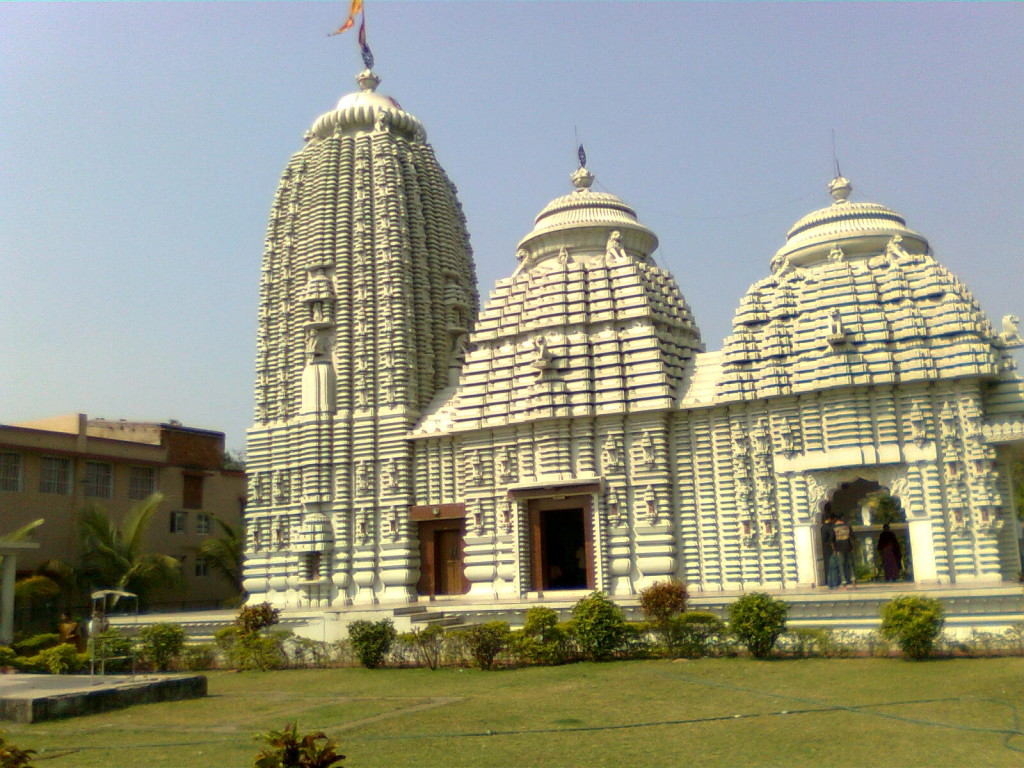
Jagannath Temple, Ranchi
A 17th-century hilltop temple in Ranchi dedicated to Lord Jagannath, notable for hosting its own Rath Yatra celebration annually.
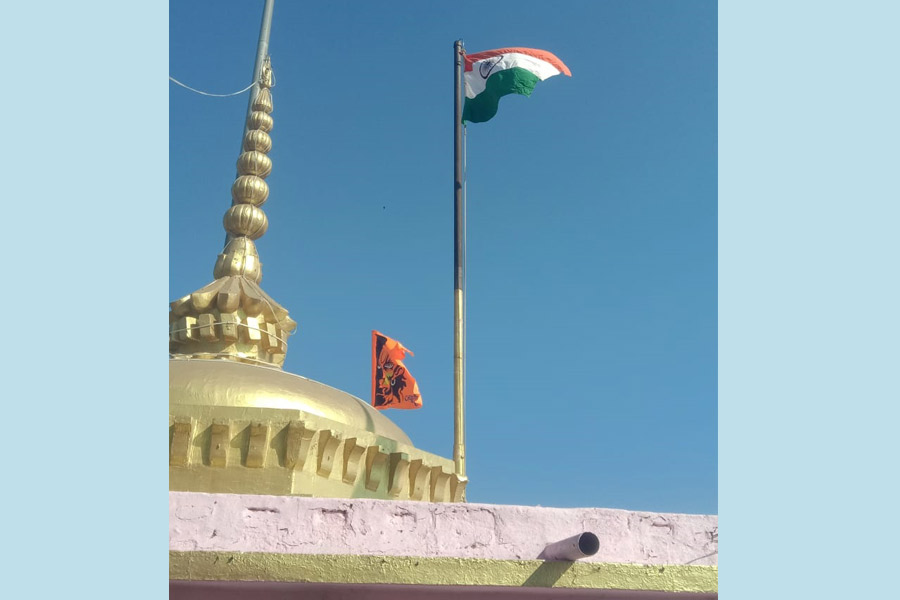
Pahari Mandir
Pahari Mandir is a hilltop Shiva temple in Ranchi, Jharkhand, situated at 2,140 feet elevation where the deity is worshipped in linga form. The temple draws large crowds during…
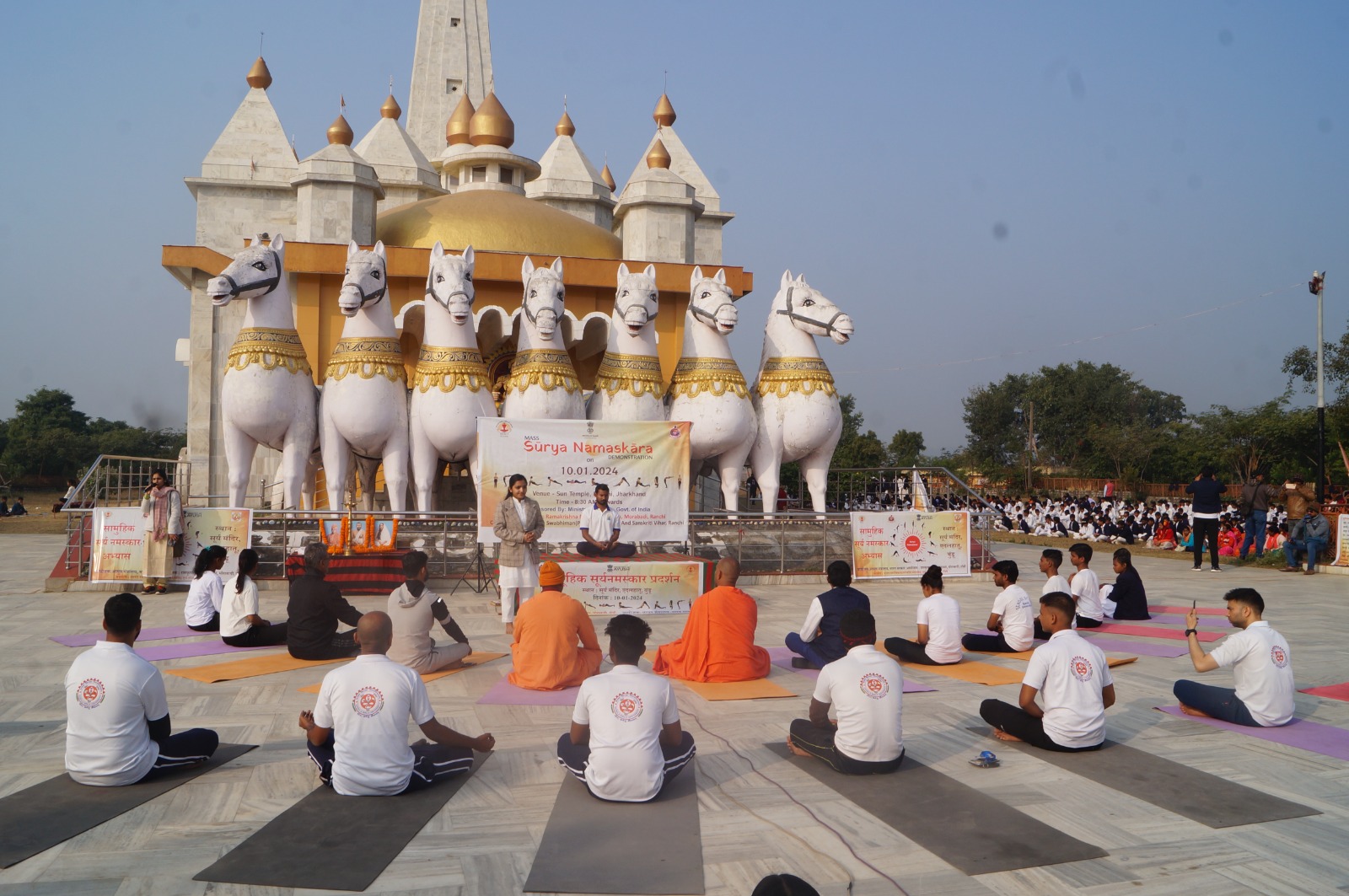
Surya Temple, Ranchi
The Surya Temple near Bundu in Ranchi is a modern Hindu temple complex dedicated to the sun god, architecturally designed as a magnificent chariot with eighteen wheels and seven…
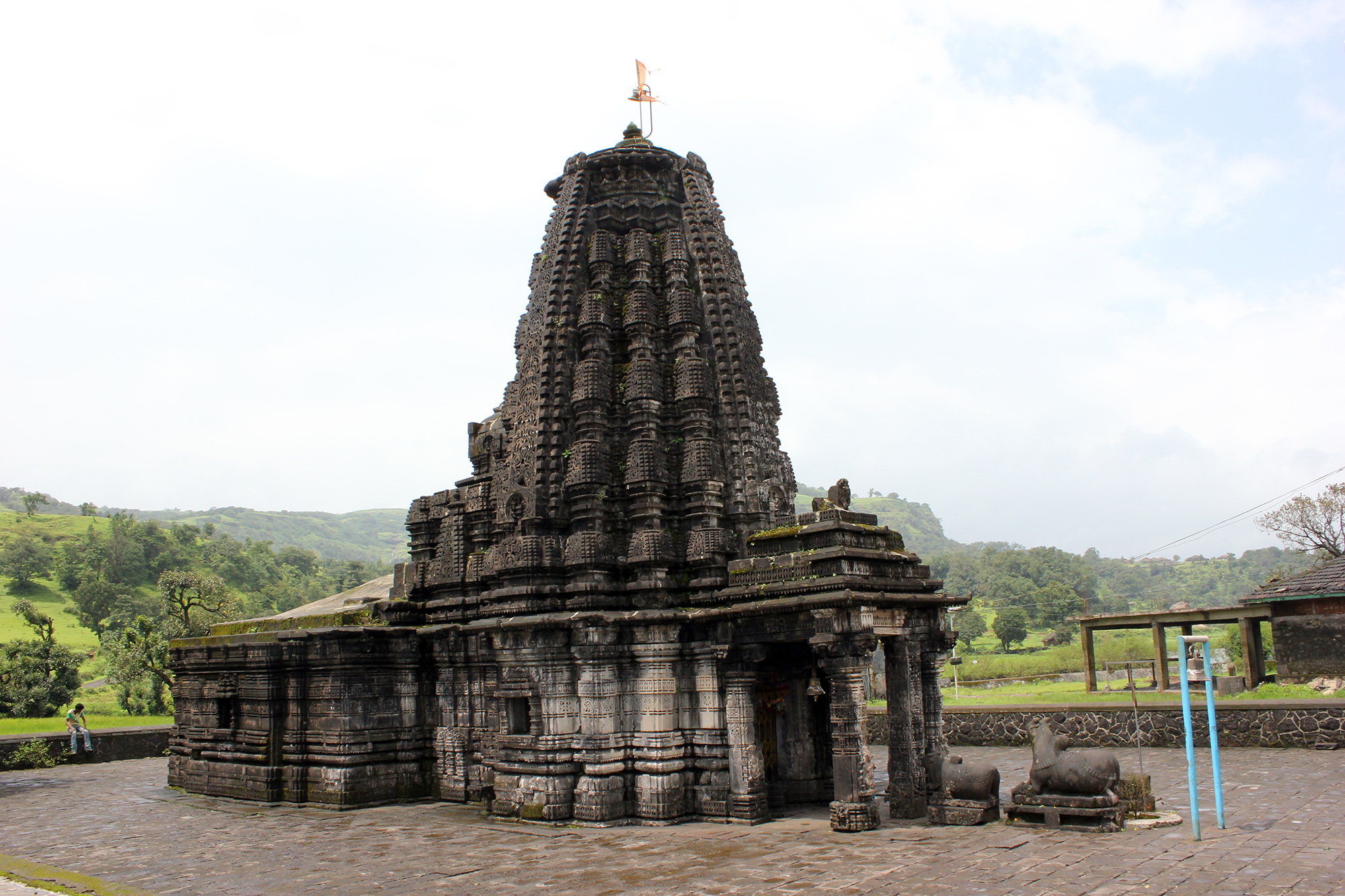
Kapilnath Temple
Kapilnath Temple is a 17th-century shrine dedicated to Shiva located near Navratangarh in Gumla district, Jharkhand, constructed by King Ram Shah in 1643 CE.
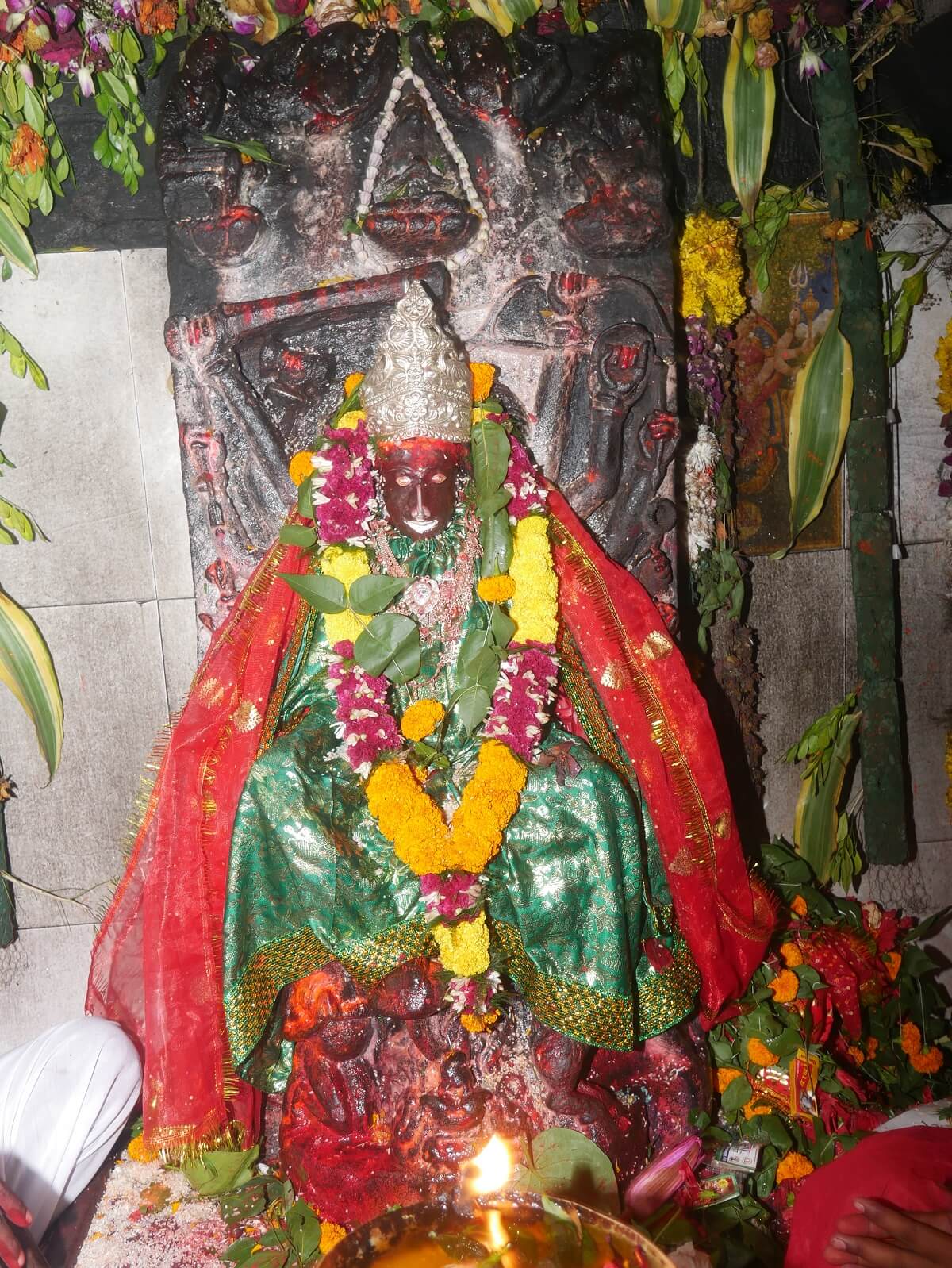
Maa Dewri Temple
Maa Dewri Temple is a 700-year-old shrine in Diuri village near Ranchi, Jharkhand, housing a rare 16-armed murti of Solah Bhuji Devi, an avatar of Goddess Durga, constructed ent…
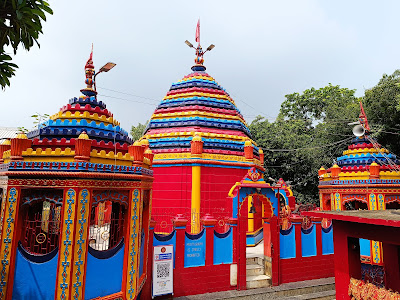
Chhinnamasta Temple, Rajrappa
Chhinnamasta Temple in Rajrappa is a revered Shakti Peeth dedicated to Goddess Chhinnamasta, situated at the confluence of the Bhairavi and Damodar rivers in Jharkhand's Ramgarh…