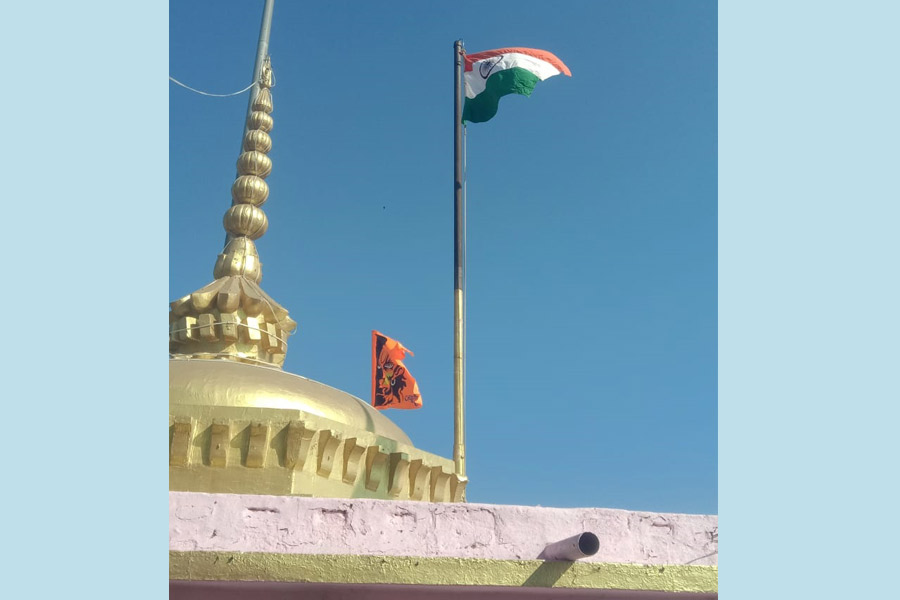


Pahari Mandir
About Pahari Mandir
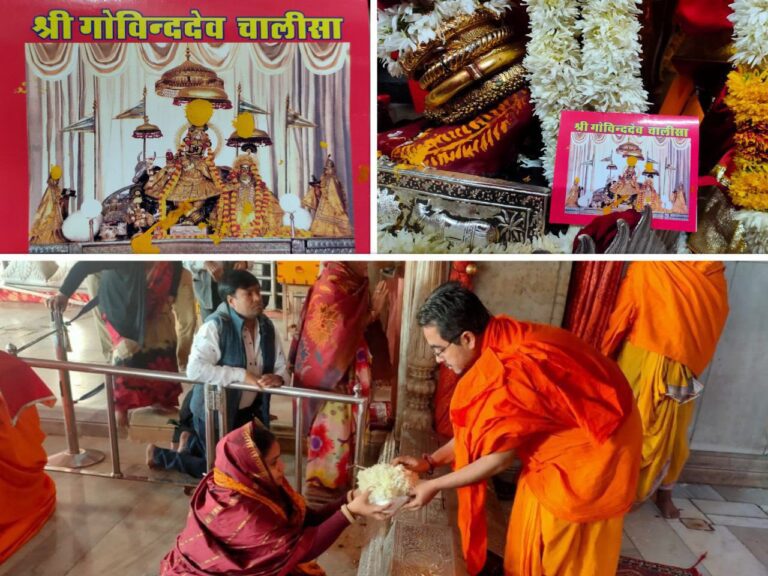
The temple maintains darshan from 4:30 in the morning until 9:00 in the evening, accommodating both early risers and those who prefer evening worship. Throughout the day, the deity receives ritual adornment known as shringaar, performed three times: in the morning, afternoon, and evening. These daily embellishments are part of the temple's regular devotional cycle, honoring Shiva with care and reverence.
Aarti, the ritual of offering light to the deity, forms a central element of worship here as it does in temples across Hindu tradition. Visitors may participate in these ceremonies or observe them as part of their darshan experience. The temple also facilitates special pujas, including Rudrabhishek—an elaborate ritual of water and milk offerings to the linga—which devotees can arrange in advance through the temple's management or online booking system.
Peak Seasons and Visitor Experience
Two periods bring substantially larger gatherings to Pahari Mandir. Shravan, the month falling in July and August according to the Hindu calendar, is traditionally a time of intensified Shiva devotion, and the temple experiences significant visitation during these weeks. Maha Shivratri, the major festival honoring Shiva that occurs in late winter or early spring, draws another major influx of worshippers.
During these peak periods, darshan queues can extend to one or two hours. Visitors seeking a quieter, more contemplative experience should plan to arrive during early morning or late evening hours, when the atmosphere is less crowded. The temple occasionally closes for restoration work, so checking its current status before planning a visit is advisable.
Conduct and Practical Considerations
The temple maintains standards of cleanliness and respect that visitors are expected to uphold. Modest dress is customary at Hindu temples and required here; footwear must be removed before entering the inner sanctum. The temple operates as a plastic-free environment, and all areas of the grounds should be treated with the same reverence afforded to the sanctum itself, with visitors maintaining quiet and mindful conduct throughout.
The hilltop location means weather conditions may differ from those in the city below, so visitors should dress appropriately for the season and bring water. Comfortable footwear suitable for climbing is advisable, though shoes must be left at the designated area before proceeding to the temple proper. Parking is available for those arriving by vehicle.
Reaching the Temple
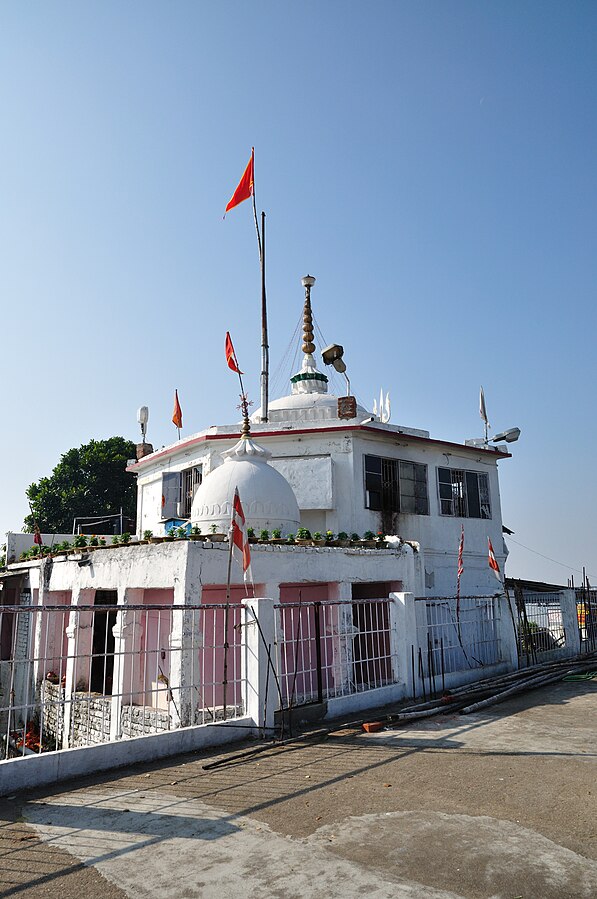
Pahari Mandir is located on Ratu Road in Ranchi, at coordinates 23.375°N, 85.311°E. The temple's position in the heart of the city makes it accessible to visitors exploring Ranchi's religious and cultural sites. Local accommodation and travel options are available in the surrounding area to support pilgrims and tourists planning their visit.
For further information or to arrange pujas in advance, visitors can contact the temple through its official website or email. The temple's management, the Ranchi Pahari Mandir Vikas Samiti (Development Committee), oversees its operations and maintenance. The temple office can be reached at 123-456-789, and inquiries may also be directed to info@paharimandirranchi.com.
How to reach

Temples near Pahari Mandir
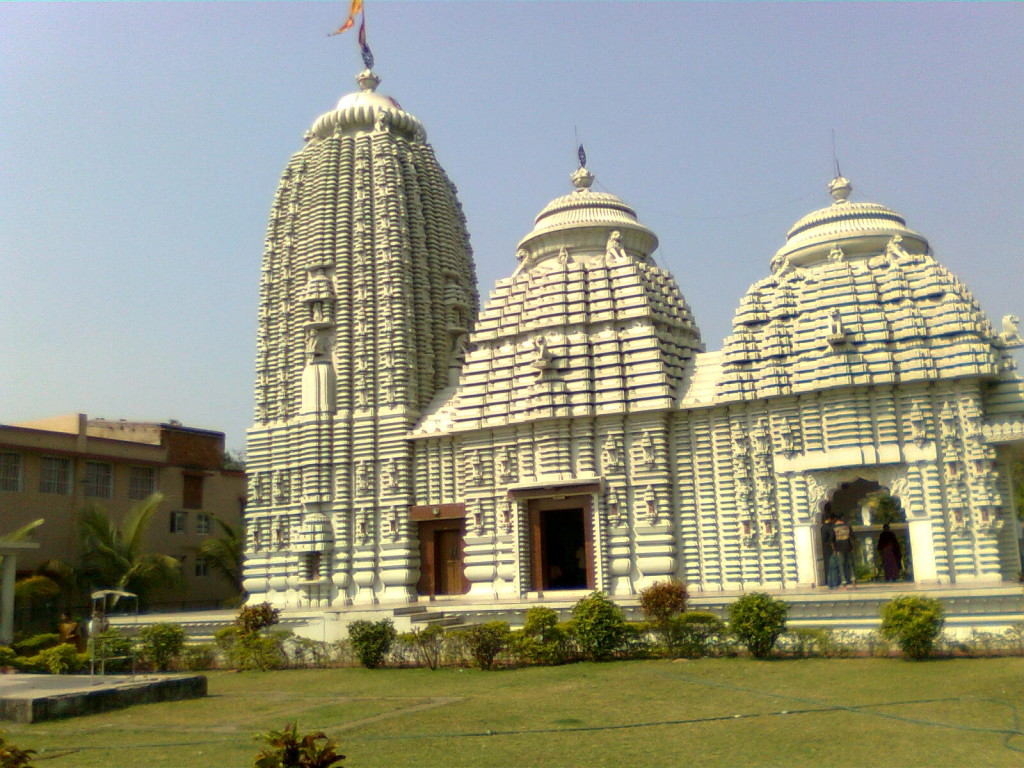
Jagannath Temple, Ranchi
A 17th-century hilltop temple in Ranchi dedicated to Lord Jagannath, notable for hosting its own Rath Yatra celebration annually.
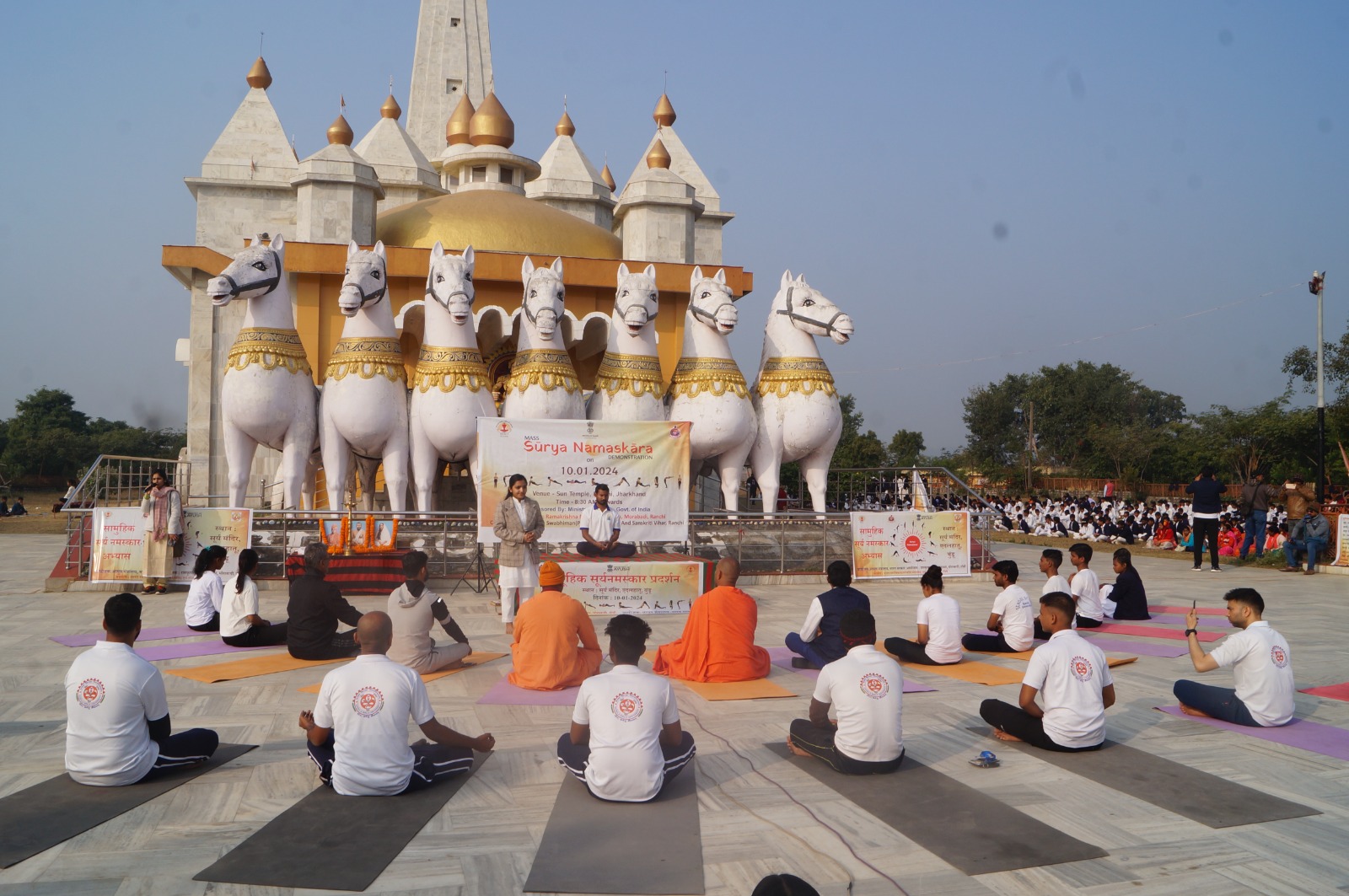
Surya Temple, Ranchi
The Surya Temple near Bundu in Ranchi is a modern Hindu temple complex dedicated to the sun god, architecturally designed as a magnificent chariot with eighteen wheels and seven…
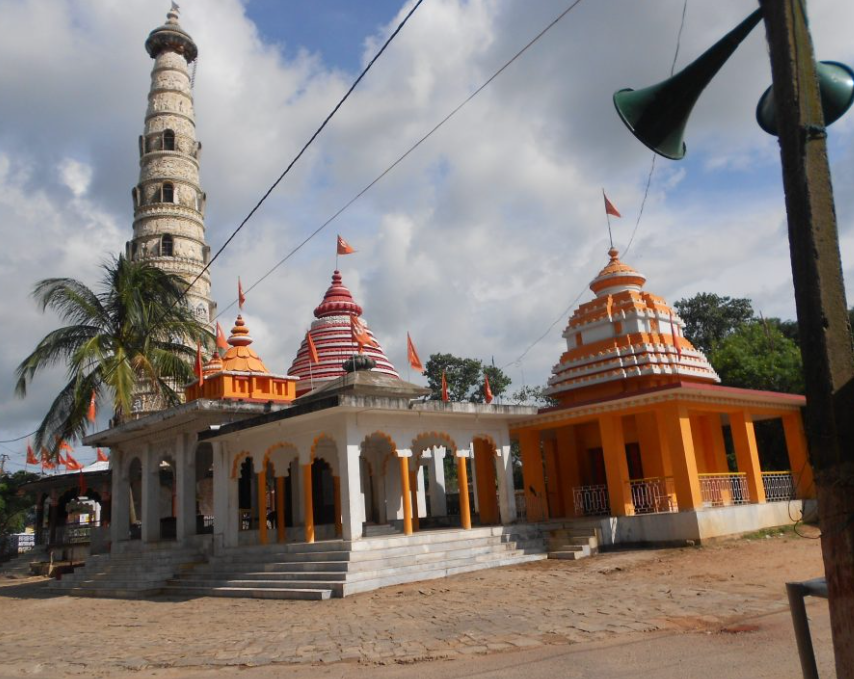
Amreshwar Dham
Amreshwar Dham, formerly known as Angrabari Temple, is a sacred Shiva temple near Khunti in Jharkhand, distinguished by its open-air Swayambhu Shivling situated beneath a banyan…
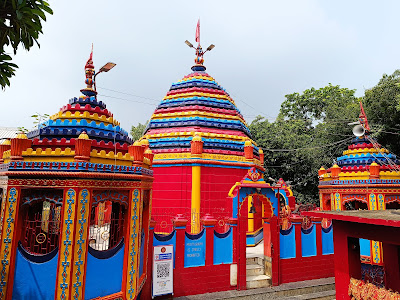
Chhinnamasta Temple, Rajrappa
Chhinnamasta Temple in Rajrappa is a revered Shakti Peeth dedicated to Goddess Chhinnamasta, situated at the confluence of the Bhairavi and Damodar rivers in Jharkhand's Ramgarh…
Chhinnamasta Temple
Chhinnamasta Temple in Rajrappa is a significant Hindu pilgrimage site dedicated to Goddess Chinnamasta, renowned for its distinctive Tantric architectural style and location at…
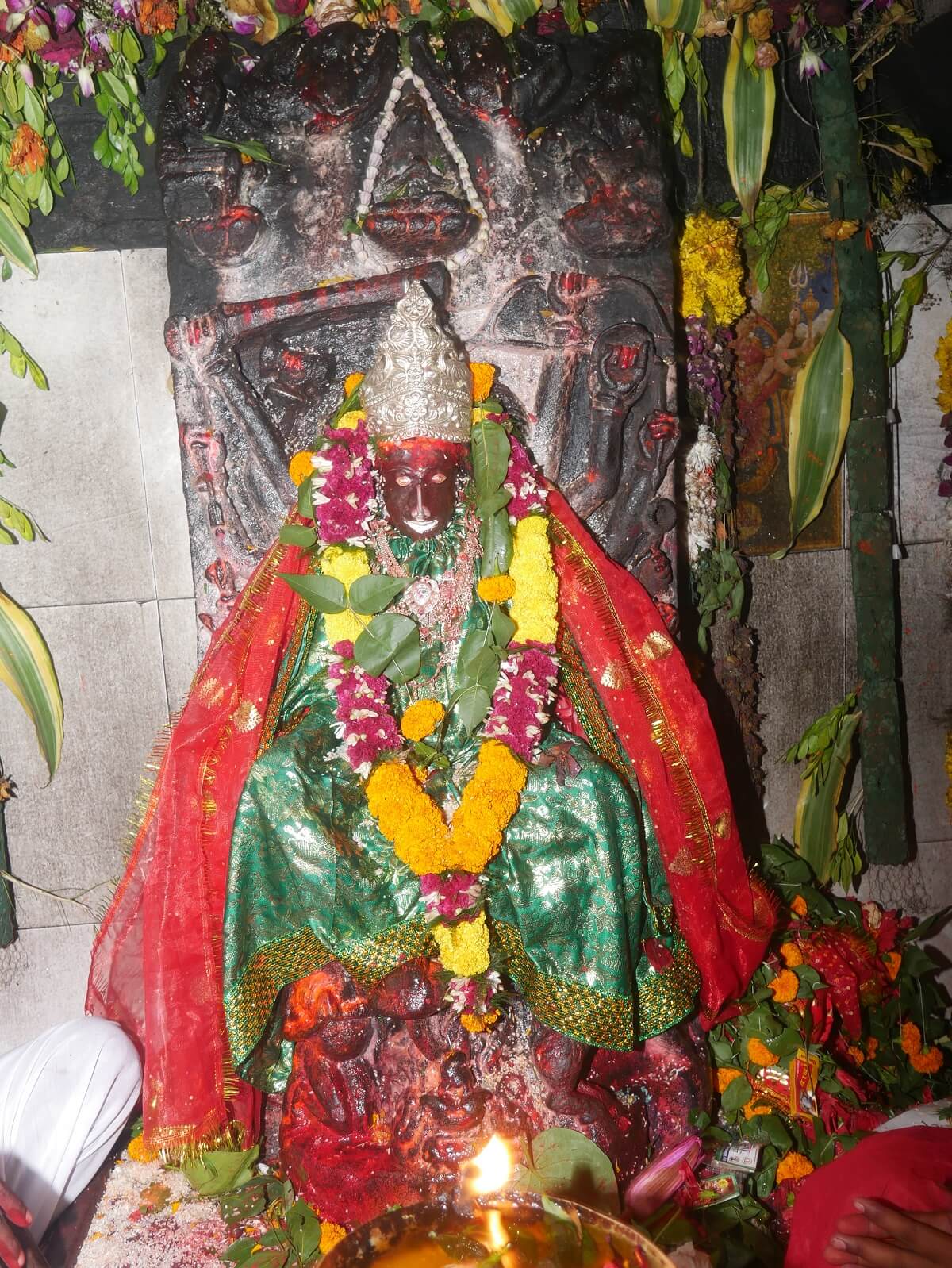
Maa Dewri Temple
Maa Dewri Temple is a 700-year-old shrine in Diuri village near Ranchi, Jharkhand, housing a rare 16-armed murti of Solah Bhuji Devi, an avatar of Goddess Durga, constructed ent…