Ruined temple near Rani Talab, Dipadih Kusmi
About Ruined temple near Rani Talab, Dipadih Kusmi
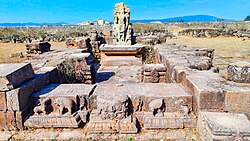
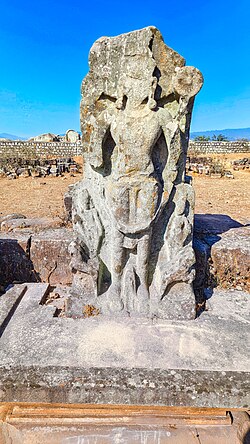
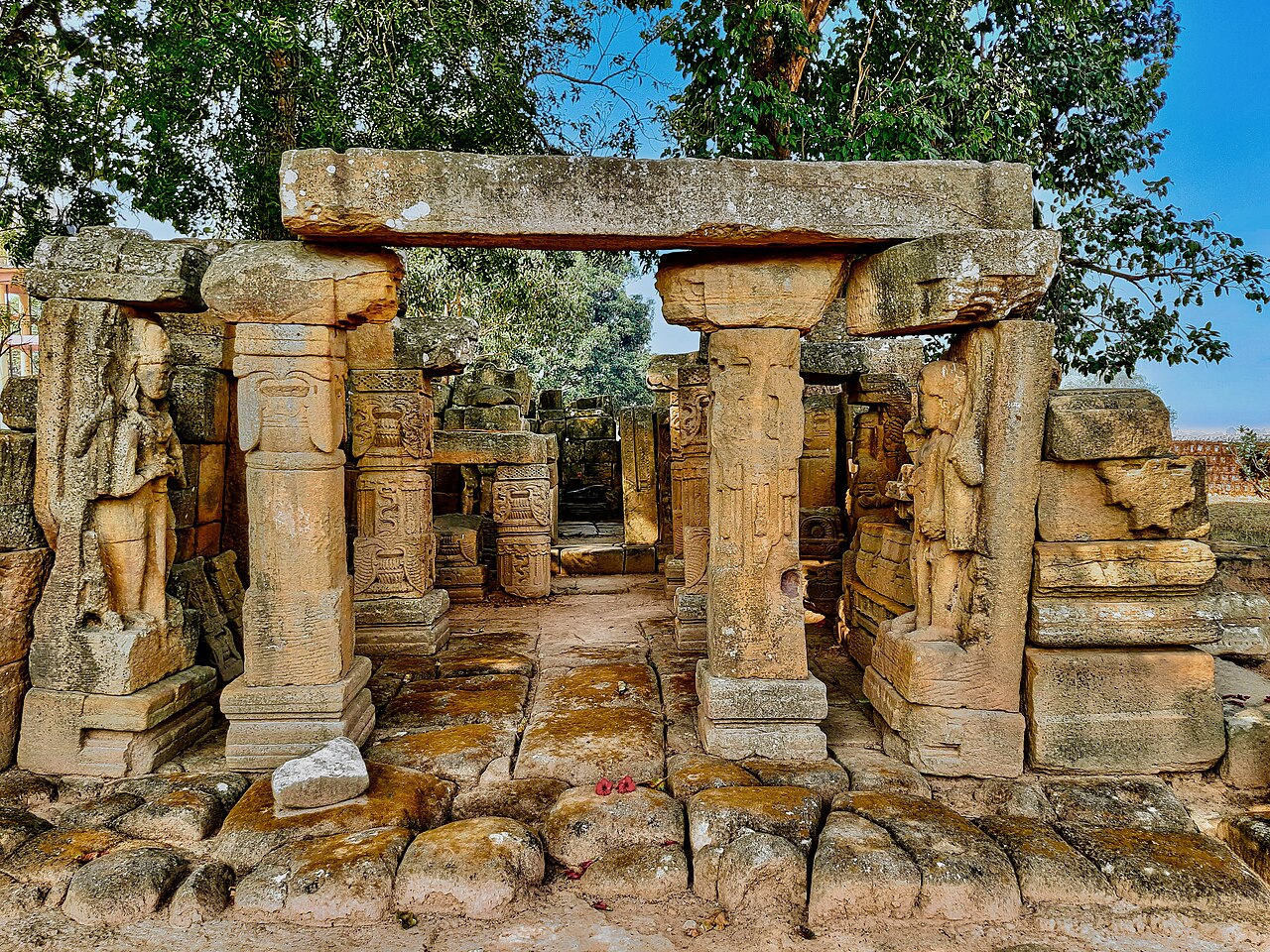
The field near Rani Talab contains scattered architectural fragments from the destroyed temples. Visitors will encounter broken pillars, sections of carved stone including kama-maithuna scenes (erotic temple sculptures), jalahari (water channels), gavakshas (window openings), and religious iconography. Among the remains are representations of Nandi (the bull), Shiva lingas, and icons of Vishnu and other Hindu deities. Many pieces are defaced, beheaded, or partially destroyed, while others show signs of natural erosion. The site conveys the scale of the temple complexes that once stood here, though reconstruction of their original form requires archaeological expertise.
Protection and Access
The ruins and surrounding mounds are protected by the Department of Archaeology and Culture of the Chhattisgarh state government. This designation means the site is recognized as culturally significant but also that visitors should treat it with appropriate respect. The protected status ensures the remains are preserved for study and future generations. Before visiting, it is advisable to check with local authorities or the archaeology department regarding any restrictions or guided access arrangements, as protected archaeological sites sometimes have specific visiting protocols.
Location and Reaching the Site
The temple ruins are located in Dipadih Kusmi village in the Balrampur–Ramanujganj district within Surguja division, Chhattisgarh. The coordinates are 23.304575°N, 83.724593°E. Dipadih is in north Chhattisgarh. The nearest major town is Balrampur. Visitors should plan travel via road from Balrampur or other district centers. Given the rural location and archaeological nature of the site, it is recommended to arrange local transportation and, if possible, guidance from someone familiar with the area or from the local archaeology department, as the ruins are scattered across a large field rather than concentrated in one location.
Visiting Considerations
As an unexcavated and partially ruined site, the terrain may be uneven and walking shoes are essential. There are no facilities such as shops, refreshments, or rest areas at the site itself—visitors should bring water and any supplies needed. The site is outdoors and exposed; plan visits during cooler parts of the day, particularly in summer months. Photography is typically permitted at archaeological sites, but always confirm with local authorities. Since this is not an active temple with regular worship, there are no darshan hours, aarti ceremonies, or ritual observances to plan around. The site is best visited with an interest in history and archaeology rather than expectation of religious services.
Historical Significance
The temples at Dipadih represent an important period of Hindu temple construction in central India. The range of artistic styles and the presence of both Hindu and Jain structures indicate this was a significant religious center during the medieval period. The carved fragments—particularly the religious iconography and architectural elements—provide evidence of the sculptural traditions and devotional practices of the 8th to 13th centuries. For scholars and those interested in Indian temple architecture and history, the site offers tangible connection to this era, even in its ruined state.
How to reach
Temples near Ruined temple near Rani Talab, Dipadih Kusmi
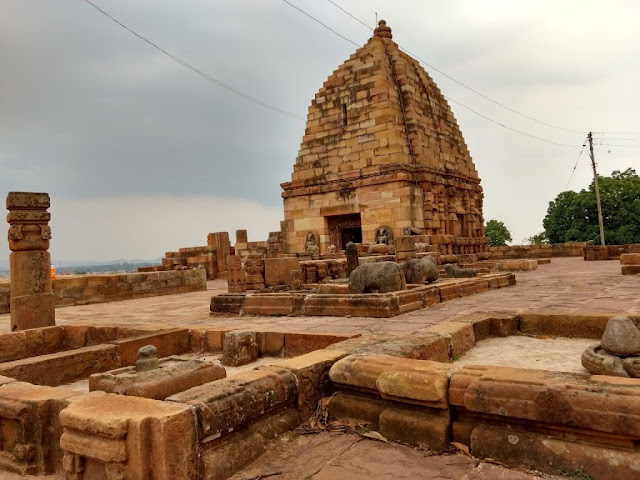
Shiva Temple Group, Harratoli Chhattisgarh
An ancient temple complex dedicated to Lord Shiva, believed to date from the 8th century CE and protected as a monument by the Archaeological Survey of India.
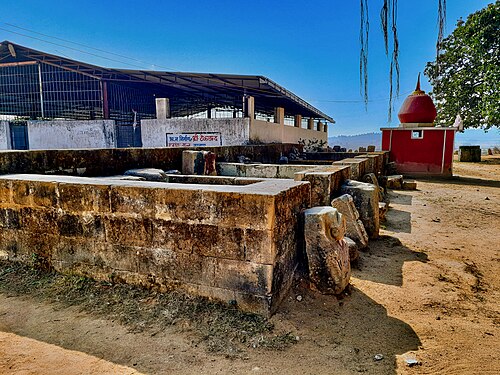
Shiva Temple ruins, Devgarh-Bhadwahi
The Shiva Temple ruins at Devgarh-Bhadwahi in Chhattisgarh represent a significant medieval Hindu temple site dating to the 11th–12th century, featuring mutilated artwork depict…
Cherka Deur Devi Temple ruins, Devgarh–Bhadwahi
Cherka Deur Devi Temple ruins are located in Devgarh–Bhadwahi within Surguja district, Chhattisgarh. The temple remains are part of the region's historical Hindu religious herit…
Satmahala Group of Temples, Kalcha-Bhadwahi
The Satmahala Group comprises seven ancient brick temples in Kalcha-Bhadwahi village, Surguja district, believed constructed during the 8th or 9th century and now in a dilapidat…
Kapilnath Temple
Kapilnath Temple is a 17th-century shrine dedicated to Shiva located near Navratangarh in Gumla district, Jharkhand, constructed by King Ram Shah in 1643 CE.
Renukeshwar Mahadev Temple
Renukeshwar Mahadev Temple in Renukoot, Sonbhadra district, is a hilltop shrine dedicated to Lord Shiva, built by the Birla Group in 1972 and named after the adjacent Rihand Riv…