
Kanak Durga Temple
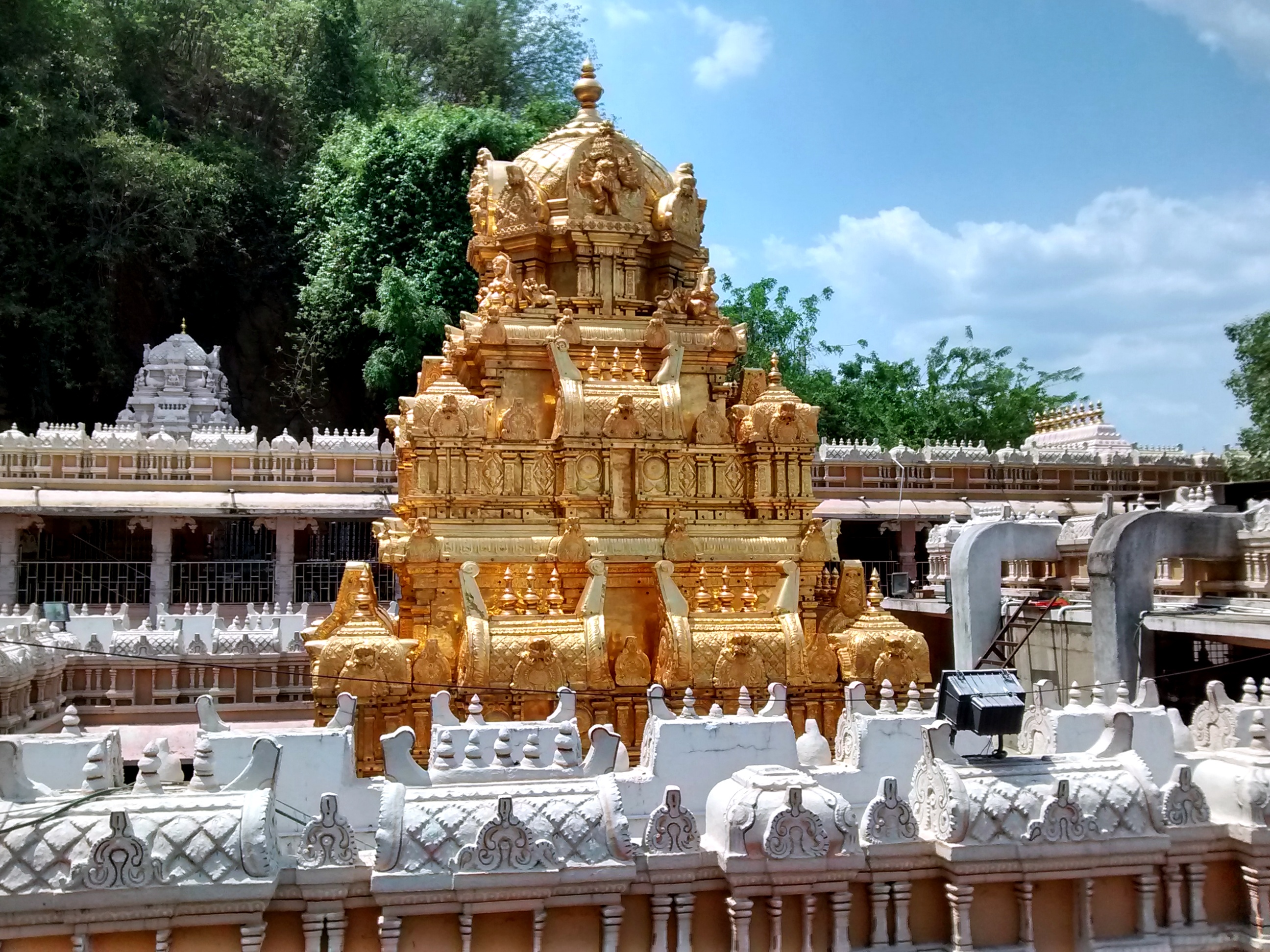
About Kanak Durga Temple
Dasara, observed in September or October, is the temple's most significant festival. During this nine-day celebration, the goddess is adorned in different forms each day—including manifestations as Maha Kali, Lakshmi, and Saraswati—drawing large numbers of devotees to Indrakeeladri. The festival is distinctive in how it honors multiple aspects of the divine feminine across consecutive days.
Beyond Dasara, the temple observes Shakambari Utsavam in July or August, a three-day celebration in which the goddess is decorated entirely with vegetables, fruits, and greens, representing her role as the bearer of nourishment. Sankranti, the harvest festival in January, brings special poojas and gatherings of devotees on the Krishna River banks below the hill. Additional sevas (ritual services) available year-round include Kumkumarchana, worship with sacred kumkum and recitation of the goddess's thousand names, and Chandi Homam, a fire ritual invoking Durga through the Devi Mahatmyam for protection and fulfillment of devotees' prayers.
Planning Your Visit
The best time for a peaceful darshan experience is on weekday mornings between 4:00 AM and 6:00 AM, before the day's main crowds arrive and while the hill remains cool. Witnessing the Praat Aarti at 6:00 AM is particularly atmospheric, with the Krishna River visible below as dawn breaks over Vijayawada. For those unable to visit at dawn, any weekday morning offers a less crowded alternative to weekends.
Weather considerations favor October through February, when temperatures are more comfortable for the climb and time spent on the hill. Dasara, while spiritually significant and visually spectacular with elaborate decorations, draws extremely large crowds—a factor to weigh depending on your preference for solitude or communal celebration. Temple timings can extend significantly during major festivals, so verification through kanakadurgamma.org or direct contact with the temple office is advisable before traveling.
Practical Information for Visitors
The temple is located at Sri Durga Malleswara Swamy Devasthanam, Indrakeeladri, Vijayawada, Andhra Pradesh 520001. Visitors should dress modestly, as is customary at Hindu temples; women typically wear salwar kameez, sarees, or equivalent modest clothing, while men wear dhotis or simple trousers and shirts. Footwear is removed before entering the sanctum, and photography policies should be confirmed at the entrance.
The climb to the hilltop temple involves stairs; visitors with mobility concerns should plan accordingly or inquire about alternative access. Bring water, especially if visiting during warmer months or early morning hours. The official temple website offers online booking for darshan categories and information about accommodation options for pilgrims. During peak seasons and festivals, arriving well before your preferred darshan time is prudent, as queues can form quickly despite the tiered access system.
How to reach
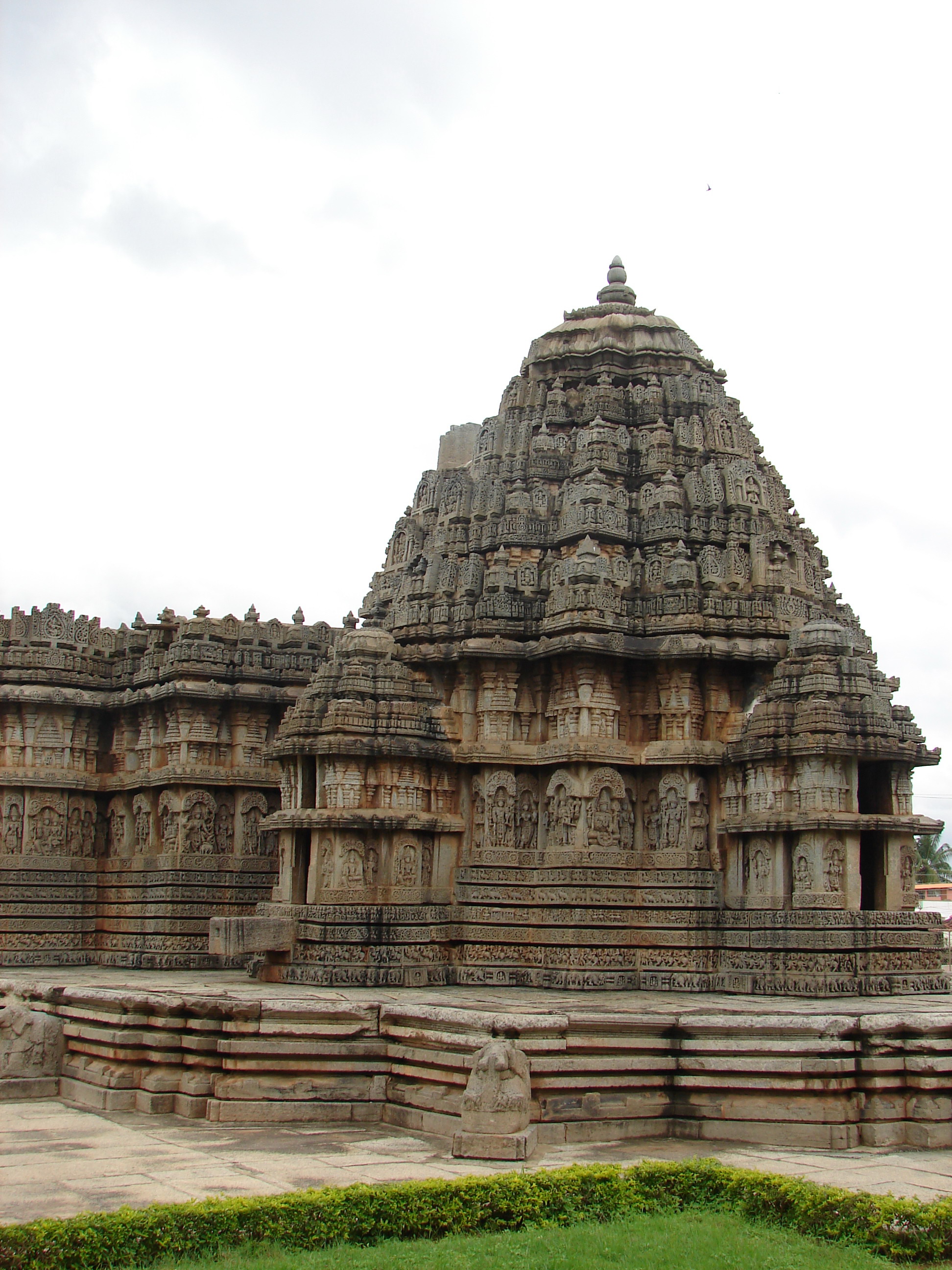
You may also visit
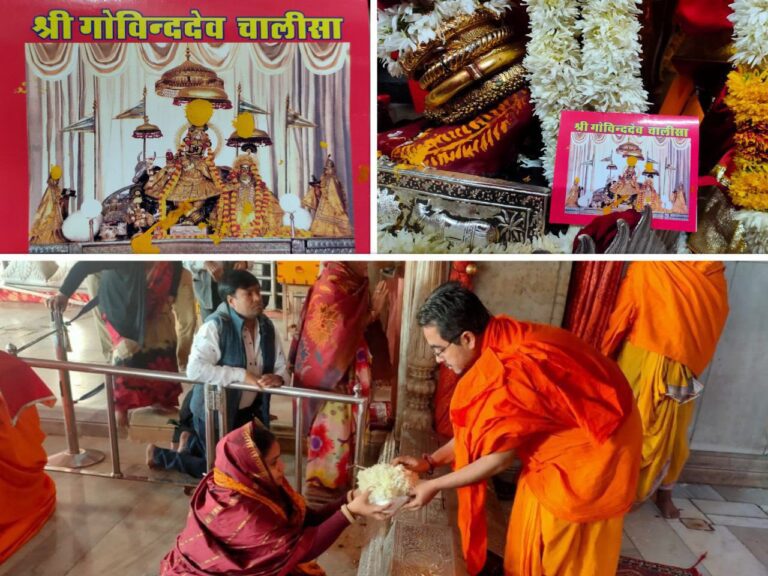
Kalyanji Temple
Kalyanji Temple in Jaipur's Chandpol Bazaar is approximately two centuries old and renowned for displaying the twenty-four avatars of Krishna, visible only twice yearly during Akha Teej and Patottsav festival.
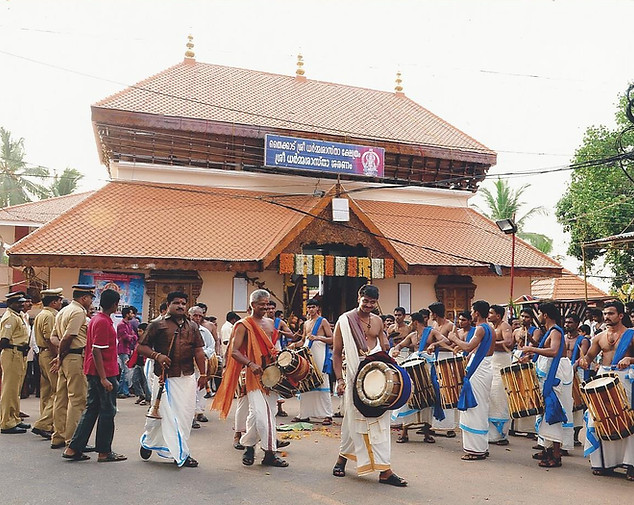
Sastha (Ayyappan) Temple
Sree Dharma Sastha Temple in Thycaud, Thiruvananthapuram, is a centuries-old shrine where the deity manifests as Dhanwanthari, the divine healer, holding the sacred blue lotus.
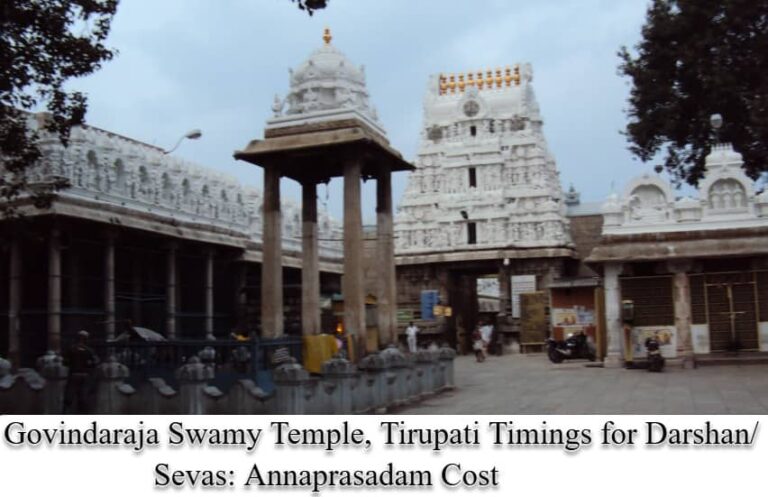
Govindarajaswamy Temple
Sri Govindarajaswamy Temple in Tirupati is an ancient Vaishnavaite shrine consecrated in 1130 AD by Saint Ramanuja, where the presiding deity rests in eternal Yoga Nidra on the serpent Adisesha.