Ghanteswara Siva Temple
About Ghanteswara Siva Temple
The temple follows a pidha vimana design, a pyramidal tower form characteristic of Odishan temple architecture. The structure measures 2.83 metres in total height, making it a compact shrine suited to its role within the larger precinct. The temple is triratha in plan, meaning it has three projections on each side, a feature that adds visual complexity to its modest dimensions.
The gandi—the tower portion—comprises three tiers, rising above a cella (inner sanctum) that measures 0.90 square metres. The doorjambs, through which devotees enter to approach the lingam, measure 0.82 metres in height and 0.41 metres in width. An inscription appears in the lalatabimba, the decorative panel above the doorway, though the sources do not record its content or age. The entire structure, built from laterite, reflects the building traditions and available materials of its region.
Worship and Darshan
As a Siva temple, Ghanteswara follows the devotional practices common to Saiva shrines across India. Devotees approach the lingam within the cella to offer prayers and receive darshan—the sacred sight of the deity. The intimate scale of the shrine means that worship here is personal and direct, without the elaborate ceremonial apparatus of larger temples.
The sources do not record specific timings for darshan, daily rituals, or the presence of resident priests. Visitors should inquire locally about access times and any offerings or protocols observed at the shrine, as these details vary by location and management.
The Kapileswara Precinct
Ghanteswara Siva Temple should not be visited in isolation but understood as part of the Kapileswara precinct, a sacred geography where multiple shrines serve complementary spiritual functions. The presence of Dutiya Kapileswara (a second Kapileswara shrine), Gupteswar temple, and the larger Kapileswara temple with its Bhoga-mandapa suggests a site of sustained religious importance. The precinct may have developed over centuries as successive generations added shrines or rebuilt existing ones.
Pilgrims visiting this area would benefit from understanding the relationships between these temples and the traditions they serve. Local guides or temple staff can provide context about the precinct's history and the significance of each shrine.
Visiting Information
The temple is located at coordinates 20.26472222°N, 85.86111111°E, placing it in Odisha. The shrine's modest size and position within a larger precinct mean that a visit here is typically brief—time enough for darshan and a few moments of prayer. Visitors should dress modestly, as is customary at Hindu temples, and remove footwear before entering the sanctum.
Since the sources do not specify current opening hours, facilities, or management contact details, visitors are advised to inquire locally before planning a visit. The precinct's location within a residential or pilgrimage area suggests that access may be straightforward, but confirming details in advance prevents disappointment.
A Place of Quiet Devotion
Ghanteswara Siva Temple represents the enduring presence of Saiva worship in Odisha's sacred landscape. Its laterite construction, pidha vimana form, and position within the Kapileswara precinct mark it as a shrine rooted in regional architectural and devotional traditions. For those drawn to intimate encounters with the divine, or to those exploring the interconnected temples of the Kapileswara precinct, this small shrine offers an opportunity for focused worship away from larger, more crowded centres.
How to reach
Temples near Ghanteswara Siva Temple
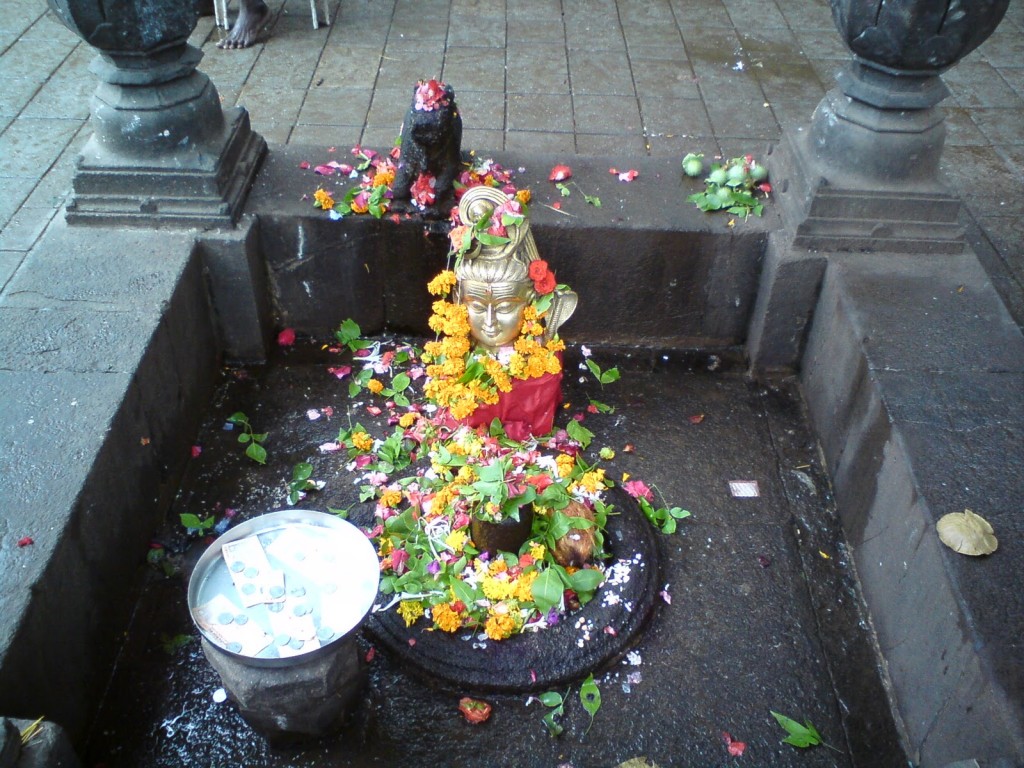
Astasambhu Siva Temples
Astasambhu Siva Temples comprise a sacred cluster of eight ancient Shiva shrines spread around Bindusagar Lake in Bhubaneswar's Old Town, each housing a Shiva Linga of different…
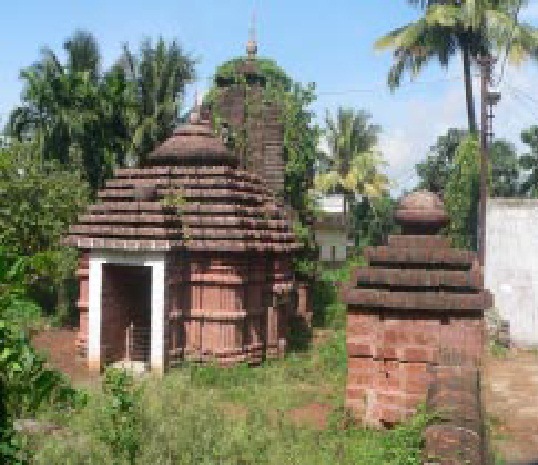
Champakesvara Siva Temple
Champakesvara Siva Temple in Bhubaneswar's Old Town is a laterite shrine dedicated to Lord Shiva, believed by locals to house a submerged lingam and serve as an abode of protect…
Baba Akhandalamani Temple
Shri Akhandalamani Pitha is a sacred Shiva temple in Aradi village, Bhadrak district, Odisha, preserving ancient Vedic traditions and serving devotees since the 1800s.

ammavaru temple
Ammavaru Temple in Bhubaneswar is a Hindu shrine dedicated to a goddess, established in the 12th century and located on Raj Path in the city's municipal corporation area.
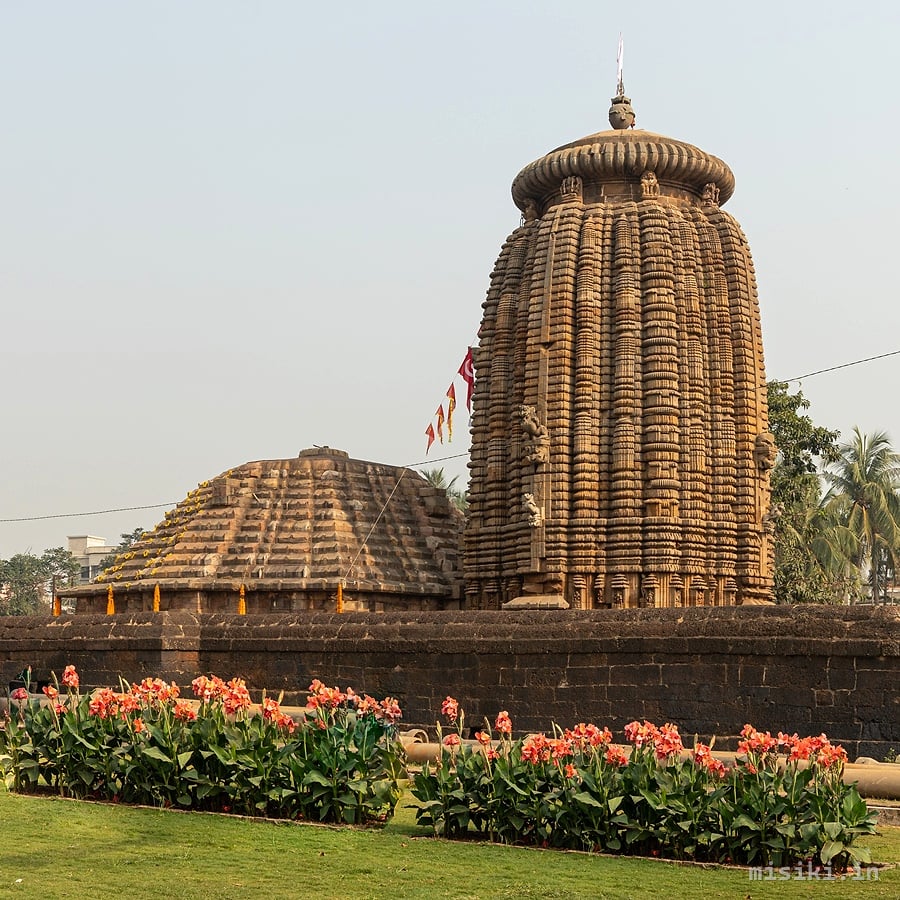
Megheswar Temple
Megheswar Temple is a 12th-century shrine dedicated to Lord Shiva, located on Tankapani Road in Bhubaneswar. This medieval structure represents significant Odishan architectural…
Lakhesvara Siva Temple
Lakhesvara Siva Temple in Bhubaneswar's Old Town is an ancient shrine dedicated to Lord Shiva, featuring a sacred lingam within a circular yoni-pitha and situated near the histo…