Kachamkurissi Maha Vishnu Temple
About Kachamkurissi Maha Vishnu Temple
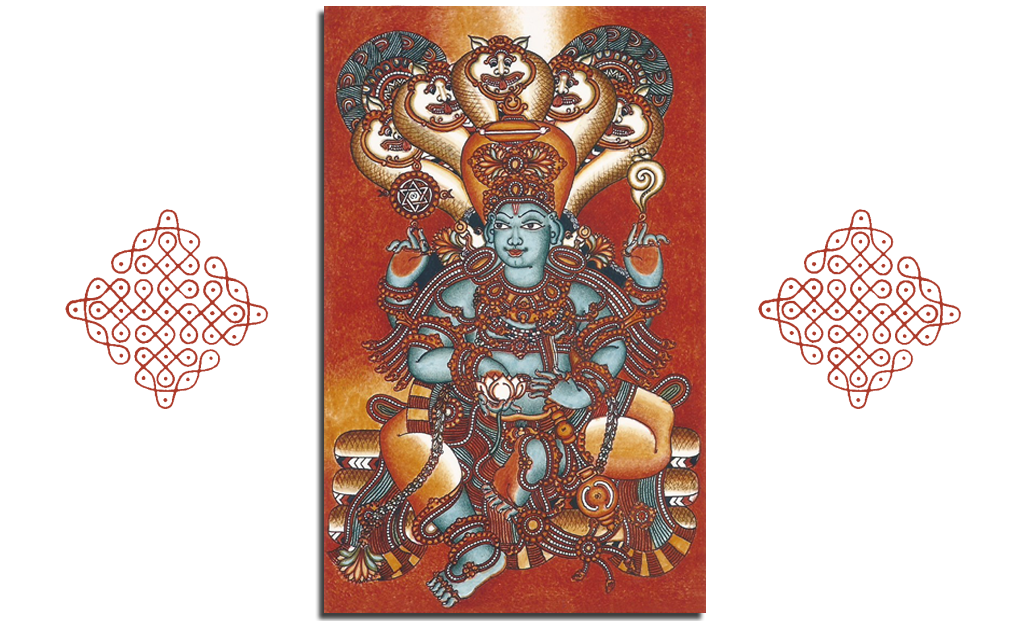
According to temple tradition, Sage Kashyapa performed penance in the Govindamala hills, and Mahavishnu, pleased with his devotion, appeared before him. The Lord instructed the sage to build a temple between two rivers—the Ikshu and Gayathri, both mentioned in the Puranas. Kashyapa commissioned Viswakarma, the divine architect, to craft the wooden idol and the surrounding deities. The temple thus stands as a fulfillment of the Lord's own request, rooted in the spiritual landscape of the region. The location near Kollangode in Palakkad district carries additional significance: the Kollangode royal family, believed to belong to the Surya Vamsha (solar dynasty), holds a hereditary role in Vedic rituals performed across Kerala. When a Soma Yaaga is conducted anywhere in the state, the right to supply the Somalatha plant and deer hide is vested in this royal family, and these offerings may be given to Brahmins only at this temple. One-sixth of the benefits accrued from such rituals is traditionally reserved for the royal house.
Daily Worship and Rituals
The temple follows a structured daily worship schedule centered on the principal deity. The signature invocation of this temple is the Thiru Kachamkurissi Suprabatham, a devotional composition created by Shri MRR Varier and set to music by Carnatic vocalist Shri P. Unnikrishnan. Devotees commonly chant the mantra "Om Namo Narayanaya" and also invoke "Hare Rama," reflecting the temple's dual theological emphasis. The Utsava Murthy is taken out in procession three times daily during the Seeveli (processional worship), allowing devotees to witness the deity in movement through the temple precincts. Various poojas are available for specific intentions—ranging from offerings for bodily comfort and wealth to rituals addressing particular spiritual concerns. The temple maintains a puja schedule that devotees should consult before visiting to understand timing and availability of specific rituals.
Temple Architecture and Layout
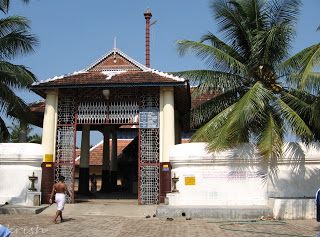
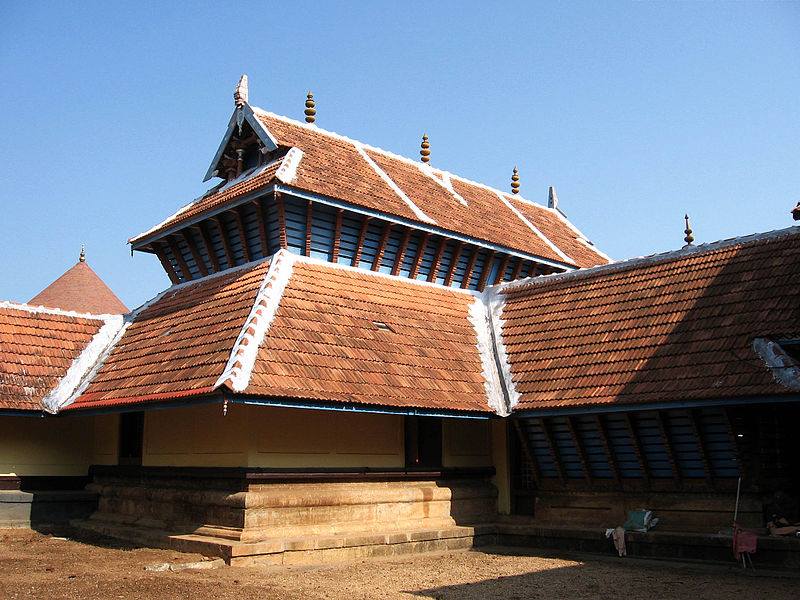
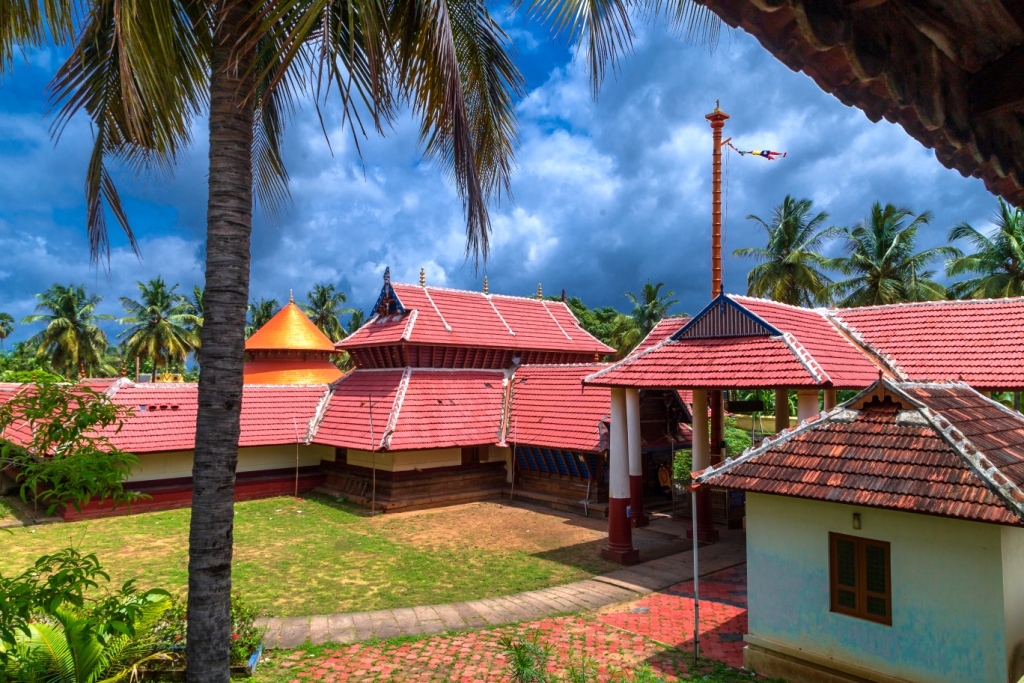
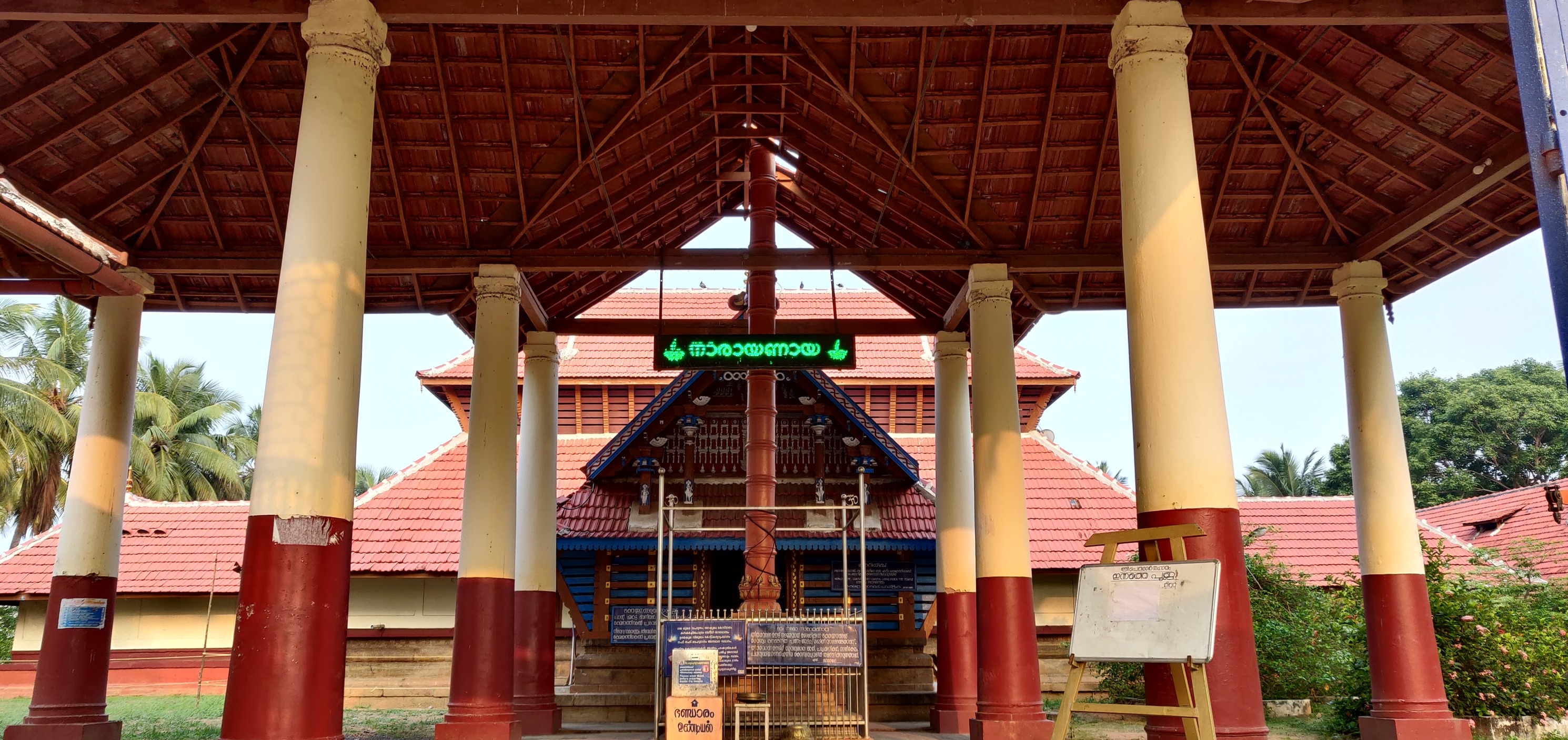
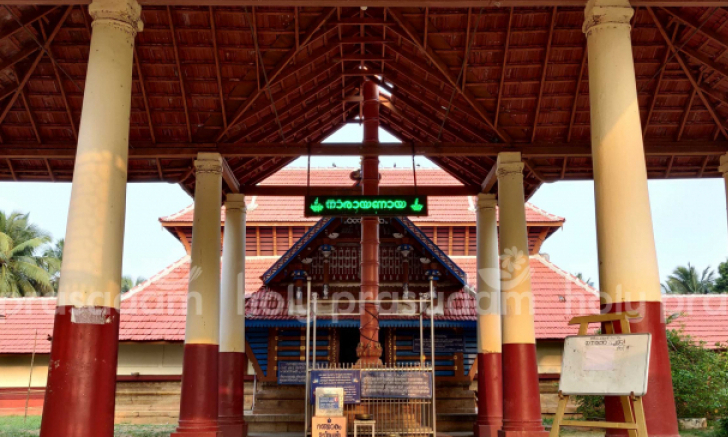
The temple's design reflects Kerala's architectural traditions while accommodating its unique wooden central idol. The sanctum (Sreekovil) is the focal point, its outer walls adorned with Ramayana frescoes that serve as visual scripture for pilgrims. The arrangement of the main deity with the consorts positioned on either side but visible only through mirrors represents a sophisticated theological and architectural solution, allowing the full divine presence to be acknowledged while maintaining specific viewing protocols. The temple complex includes spaces for ritual performance, processional movement, and devotee circulation. The presence of subsidiary shrines—including those for Ganapathy, Nagasubrahmanya, Shasthavu, and Siva—indicates a comprehensive sacred landscape within the temple grounds.
Visiting the Temple
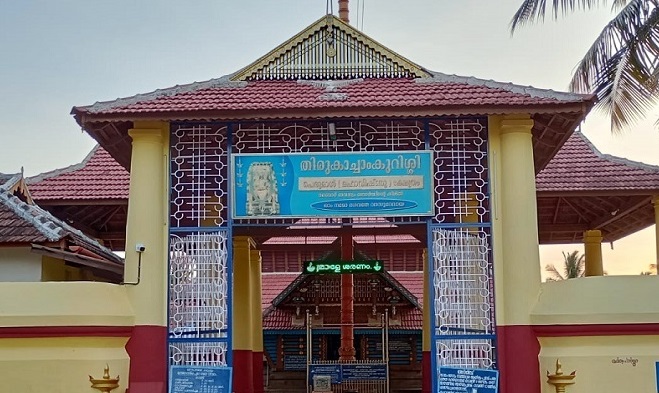
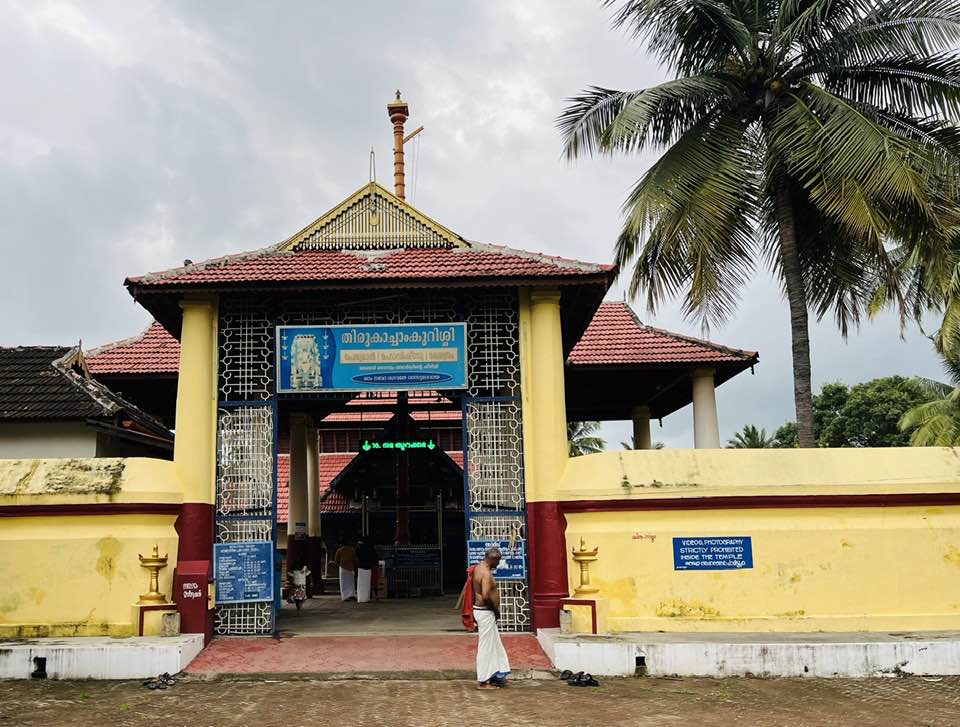
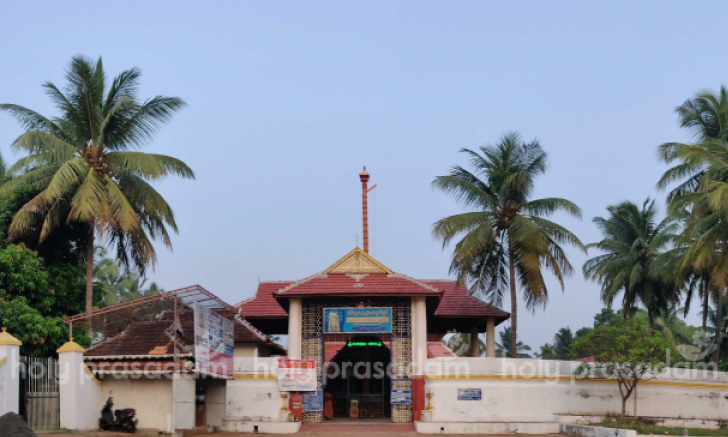
The temple is located approximately 7 kilometers from Kollangode town in Palakkad district, Kerala. The precise address is Payyore, Kollangode, Palakkad 678506. Visitors should check the temple's official website or contact the temple directly for current puja schedules and darshan timings, as these may vary seasonally or during special observances. As with most Hindu temples in Kerala, modest dress is expected—covering shoulders and knees is customary. Visitors should remove footwear before entering the sanctum area. Photography policies vary; it is best to inquire at the temple entrance. The temple accepts offerings and donations for specific poojas, with various options available at different price points for those wishing to sponsor rituals on behalf of themselves or family members.
The Soma Yaaga Tradition
The temple holds a unique place in Kerala's Vedic ritual landscape through its connection to the Soma Yaaga, one of the most elaborate Vedic sacrifices. The hereditary role of the Kollangode royal family in supplying essential materials for these rituals—and the requirement that such offerings be given to Brahmins only at this temple—makes Kachamkurissi a custodian of an ancient ritual tradition. Devotees interested in understanding Kerala's living Vedic heritage will find this temple significant as a functioning center where classical ritual knowledge continues to be preserved and practiced.
How to reach
Temples near Kachamkurissi Maha Vishnu Temple
Meenkulathi Temple
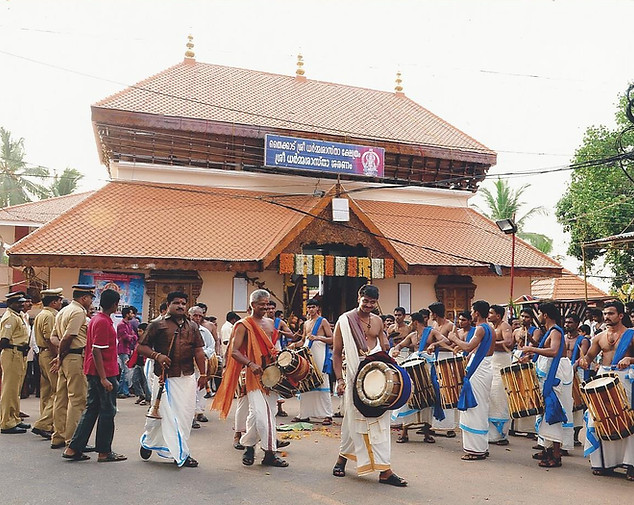
Meenkulathi Bhagavathi Amman Temple in Pallassana, Palakkad, is a significant Kerala pilgrimage site dedicated to the goddess Bhagavathi. The temple attracts devotees seeking bl…
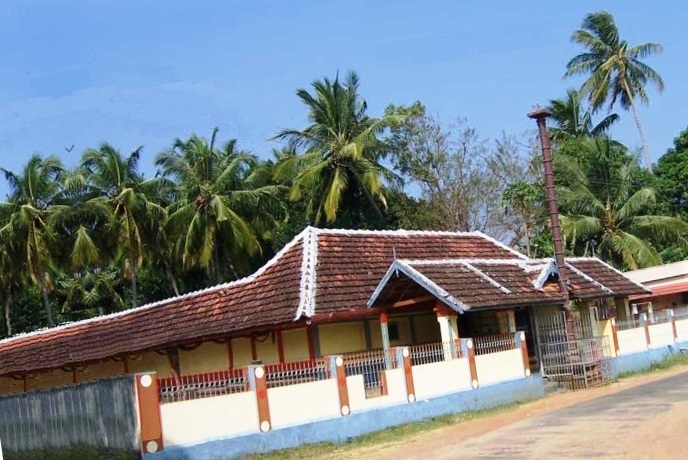
Pokkunny Siva Temple
Pokkunny Siva Temple is an ancient shrine dedicated to Lord Shiva, uniquely situated within the Perumkulam pond in Kerala's Palakkad district. It ranks among the 108 sacred Shiv…

Ootukulangara Bhagavathy Temple, Peruvemba
Ootukulangara Bhagavathy Temple in Peruvemba, Palakkad district, Kerala, is a Hindu shrine dedicated to the goddess Bhagavathy, believed to be a swayambhu (self-manifested) idol…
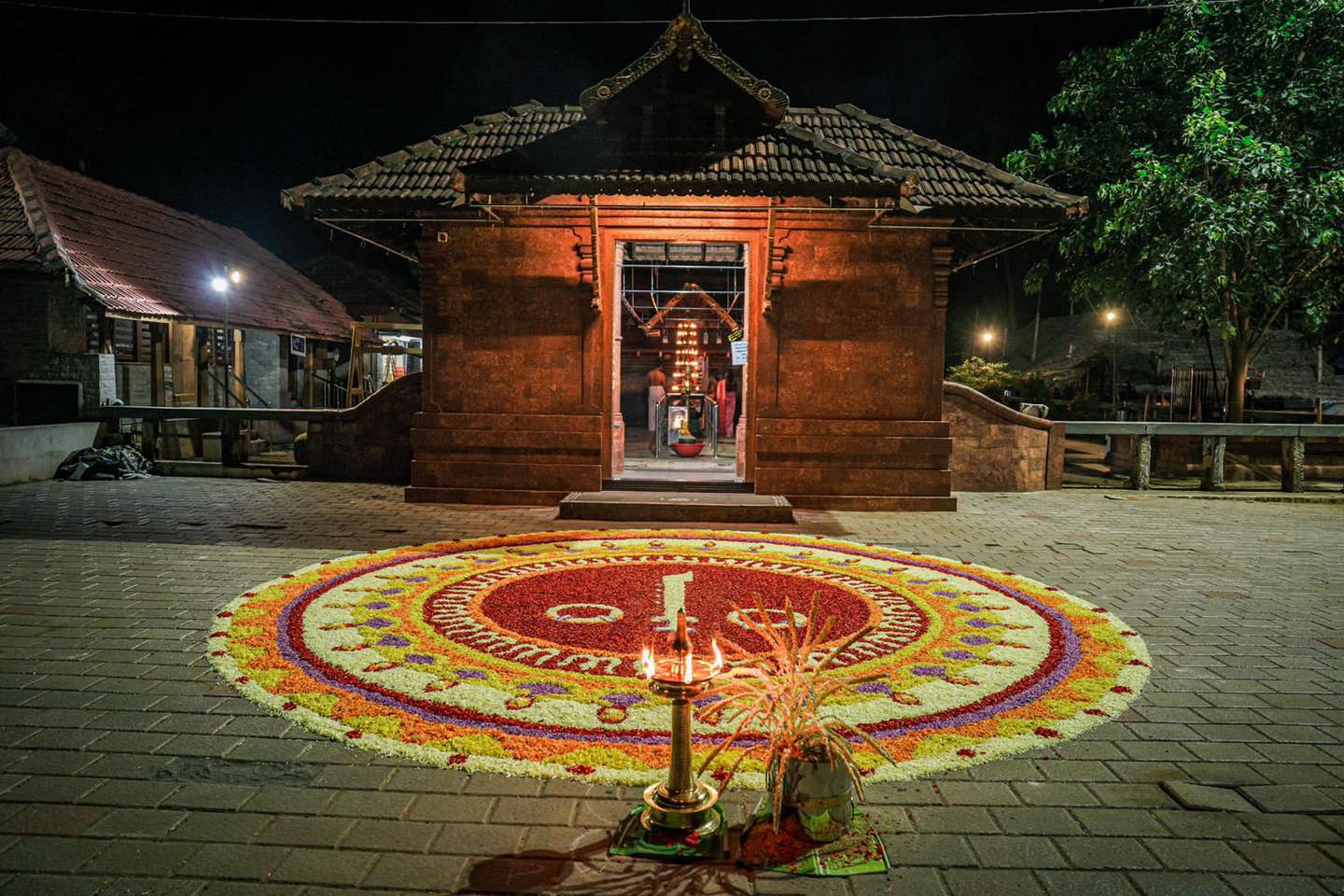
Chittoorkavu Devi Temple
Chittoorkavu Devi Temple in Palakkad is an ancient shrine dedicated to Goddess Bhadrakali, revered for her role in a historical victory commemorated annually through the Konganp…
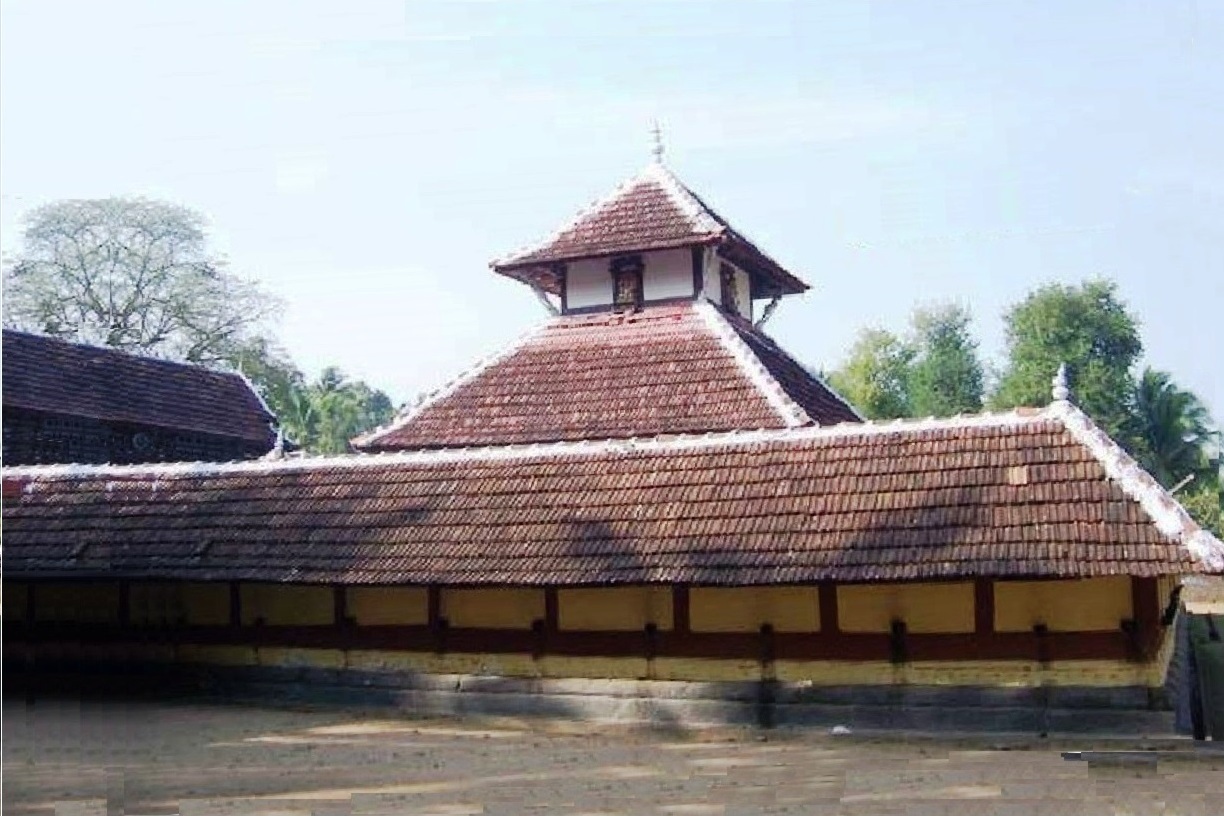
Thrippalur Mahadeva Temple
Thrippalur Mahadeva Temple is an ancient Hindu shrine on the Gayatri river banks in Alathur, Palakkad, dedicated to Lord Shiva, Krishna, and Narasimha. According to tradition, s…

Kodumbu Mahadeva Temple
Kodumbu Mahadeva Temple, also known as Kodumbu Subramanya Swamy Temple, is a Vijayanagara-period shrine dedicated to Murugan in Palakkad district, Kerala. Established by Tamil S…