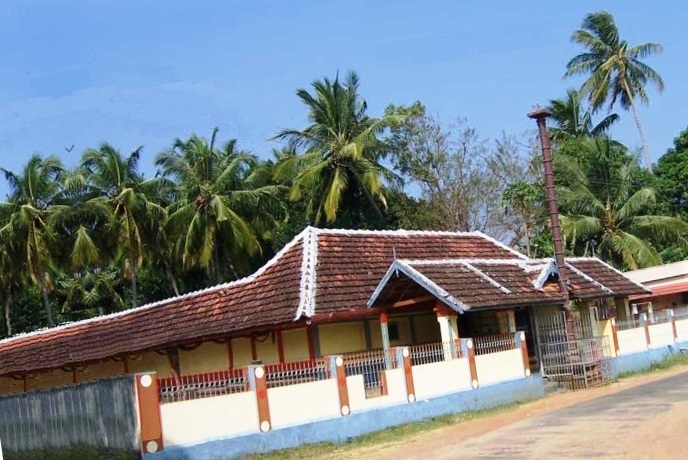
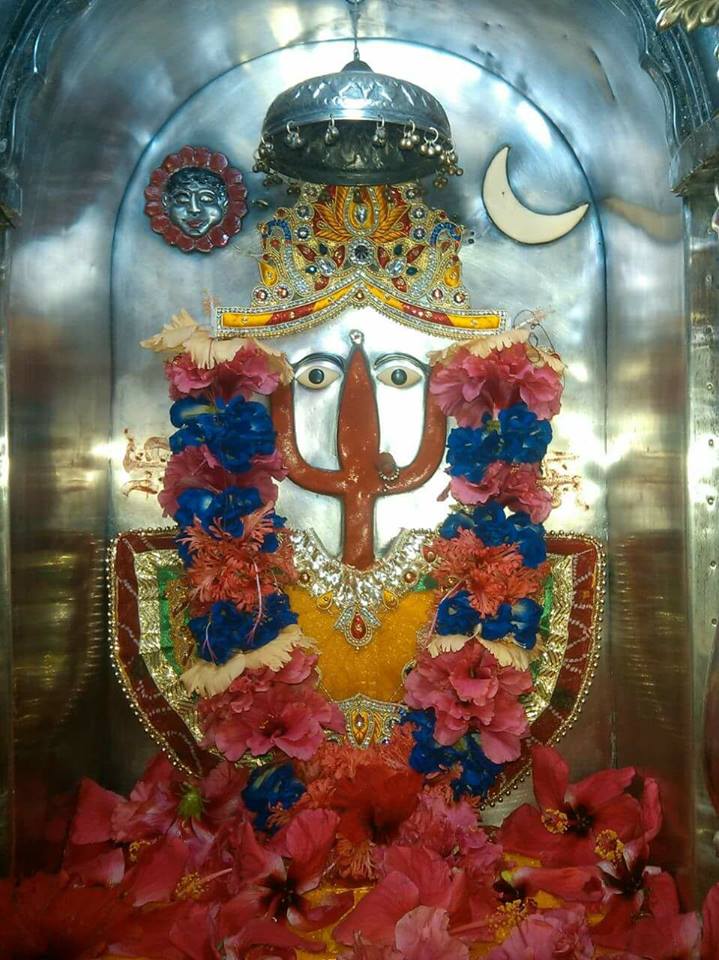
Pokkunny Siva Temple
About Pokkunny Siva Temple
The temple follows Kerala's traditional architectural conventions, with its most striking feature being its location within the Perumkulam pond. The shrine stands elevated within the water, reached by a pathway that historically formed part of the temple pond itself. This spatial arrangement creates an uncommon design in Hindu temple architecture, where the devotee's approach to the sanctum involves navigation across water. The Kerala architectural tradition evident in the construction reflects regional practices developed over centuries, adapted to local geography and spiritual vision. Visitors should be aware that access to the temple requires careful footing, particularly during and after the monsoon season when water levels rise significantly.
Festivals and Sacred Observances
Maha Shivaratri, the great night dedicated to Lord Shiva, is observed at Pokkunny Siva Temple with special rituals and extended worship. This festival, celebrated according to the lunar calendar, draws devotees who gather for night-long vigils and meditation. The specific timing and detailed ritual schedule vary from year to year and should be confirmed directly with temple authorities before planning a visit. Devotees typically engage in fasting and circumambulation during this significant observance. The temple's pond setting creates a distinctive atmosphere for these celebrations, with the water's surface reflecting the sacred rituals performed within the shrine. The temple is also noted as observing Kartik Purnima, Diwali, and Dussehra, occasions when the shrine receives heightened decoration and increased pilgrimage.
Visiting the Temple: Practical Considerations
Modest dress is expected when approaching the shrine, following Hindu temple conventions. Footwear should be removed before entering the inner sanctum. The pond setting requires visitors to exercise caution during navigation, particularly in monsoon months when water levels are elevated and pathways may be compromised. It is advisable to check current conditions and accessibility before planning your visit, especially if traveling during or immediately after the rainy season. The temple's remote village location means that facilities are limited; nearby towns offer accommodation and dining options, but visitors should not expect extensive commercial infrastructure immediately adjacent to the shrine. Carrying water and basic provisions is recommended. The temple's exact darshan and aarti timings should be confirmed with authorities before travel, as these may vary on festival days.
Reaching Pokkunny Siva Temple
The temple is situated in Vadavannur village, Alathur, Palakkad district, Kerala, at coordinates 10.6486°N, 76.7008°E. Palakkad town serves as the nearest major urban center with transportation connections. Local roads connect to the village, though the final approach involves rural pathways that require careful navigation. Visitors traveling by road should allow additional time for the journey through village routes. Public transportation options from Palakkad town to Alathur should be confirmed locally, as service frequency may be limited. GPS navigation using the provided coordinates can assist in locating the shrine, though local inquiry upon arrival in Alathur is advisable for final directions to the pond temple.
How to reach
You may also visit
Kalyanji Temple
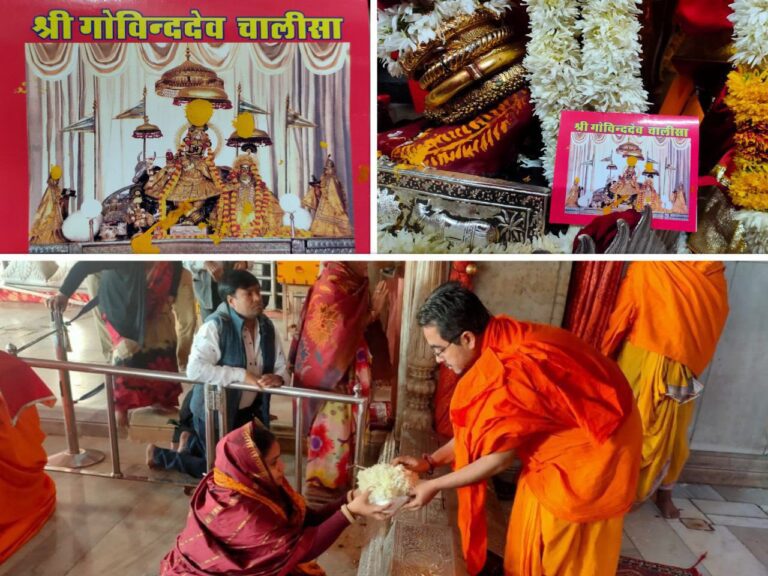
Kalyanji Temple in Jaipur's Chandpol Bazaar is approximately two centuries old and renowned for displaying the twenty-four avatars of Krishna, visible only twice yearly during Akha Teej and Patottsav festival.
Sastha (Ayyappan) Temple
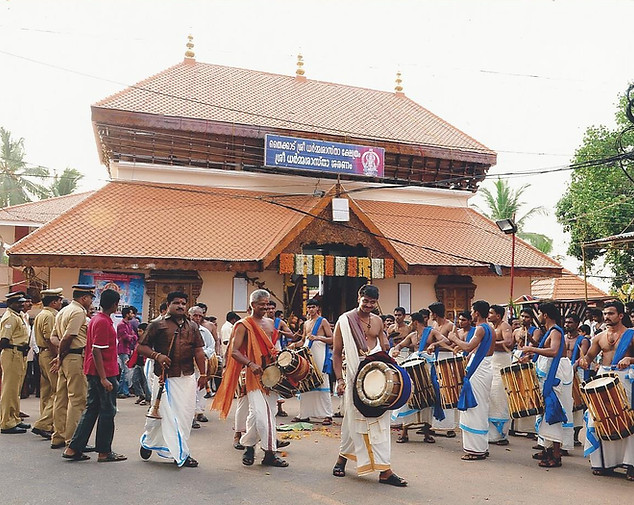
Sree Dharma Sastha Temple in Thycaud, Thiruvananthapuram, is a centuries-old shrine where the deity manifests as Dhanwanthari, the divine healer, holding the sacred blue lotus.
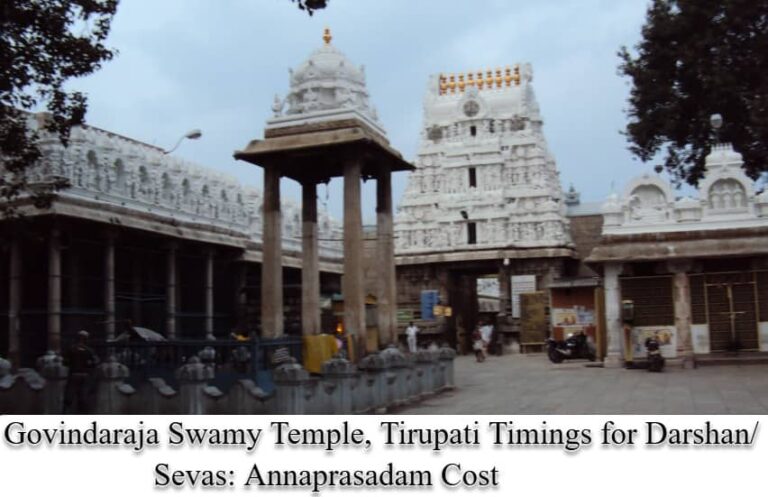
Govindarajaswamy Temple
Sri Govindarajaswamy Temple in Tirupati is an ancient Vaishnavaite shrine consecrated in 1130 AD by Saint Ramanuja, where the presiding deity rests in eternal Yoga Nidra on the serpent Adisesha.