
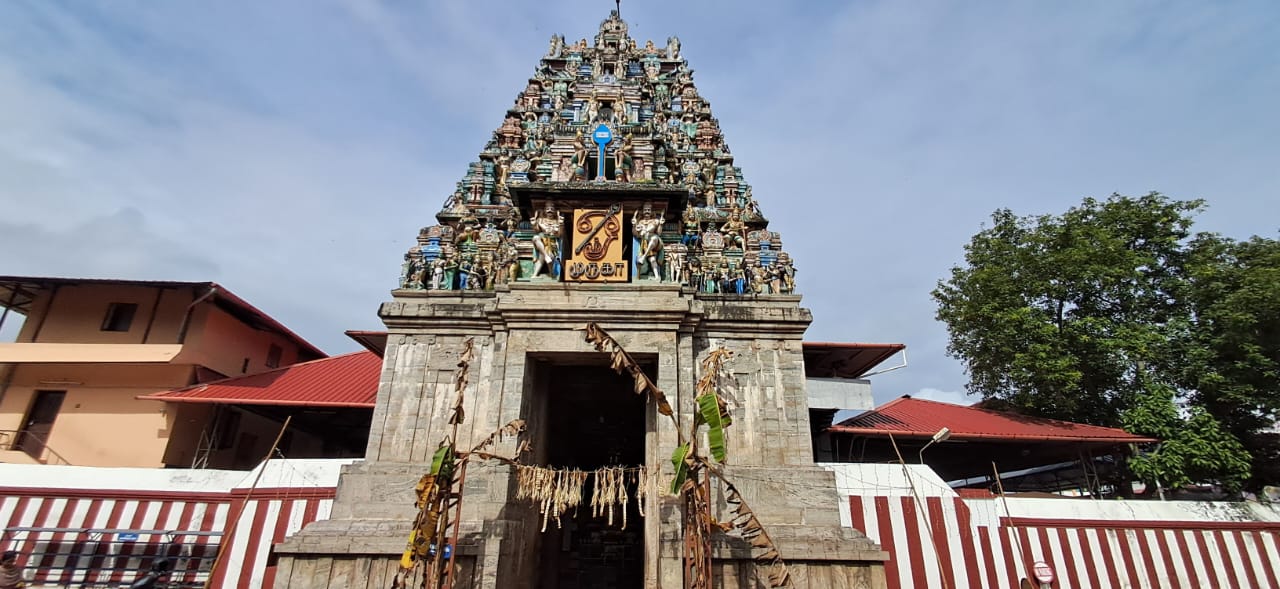

Kodumbu Mahadeva Temple
About Kodumbu Mahadeva Temple
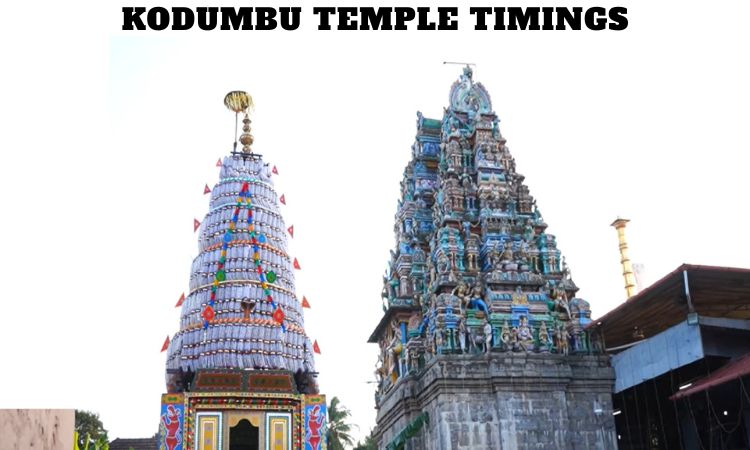
The temple displays Dravidian architectural features characteristic of South Indian shrine design. While specific details of its structural elements remain limited in available sources, the presence of a gopuram (temple tower) and sanctum reflects the traditional layout of temples from this architectural tradition. The temple's physical form has endured from the Vijayanagara period to the present day, testament to both its construction and the community's commitment to its maintenance.
Daily Worship and Offerings
The temple maintains two distinct darshan periods each day: morning hours from 04:30 to 08:00, and evening hours from 17:30 until midnight. This extended evening schedule accommodates devotees whose circumstances prevent early morning visits. The temple's ritual life centers on offerings deeply rooted in South Indian temple practice. Panchamrutham—a mixture of five sacred substances—and payasam, a sweet rice pudding, form the primary offerings made to the deity. These substances carry both spiritual significance and the weight of centuries-old tradition within Hindu worship.
The employment of Tamil Sengunthar priests ensures that ritual procedures follow Tamil conventions, maintaining doctrinal and liturgical continuity with practices established long before the temple's current location became part of Kerala.
Festivals Honoring Murugan's Victories
The temple's festival calendar revolves around celebrations of Murugan's triumphs. Soorasamharam, observed during the Malayalam month of Thulam (October–November), forms the temple's most elaborate festival observance. This celebration commemorates Murugan's defeat of the demon Soorapadman through an intricate ritual performance. Devotees carry large effigies representing multiple demons—Aana Maha Sooran, Singa Mughan, Banu Gopan, and Soorapadman—while separate chariots transport idols of Veera Baahu, Bala Subrahmanian, and Kalyana Subrahmanian. The ritual battle unfolds over three hours in the afternoon, transforming the temple grounds into a space where mythology becomes lived experience.
A ten-day festival beginning on Bharani day in the Malayalam month of Makaram draws substantial numbers of worshippers. Beyond these major observances, the temple marks Skanda Shashti, Thiruvonam, Navaratri, and Deepavali with special ceremonies. Ratholsavam, the chariot festival, occurs on the seventh day of Thaipooyam. Every twelfth year, the temple performs Kumbhabhisheka (ritual consecration) and Maamaangam ceremonies, events of heightened spiritual significance. Devotees particularly favor visits during Karthika month and on Sashti (the sixth lunar day), both considered auspicious for Murugan worship.
Planning Your Visit
October and November represent the optimal months for visiting, particularly during Soorasamharam when the temple's ritual calendar reaches its most elaborate expression. The Makaram festival period similarly offers visitors the opportunity to witness the temple's ceremonial life in full measure. However, the temple welcomes visitors throughout the year during its regular darshan hours.
Modest dress is appropriate when visiting any Hindu temple; this applies equally here. Visitors must remove footwear before entering the sanctum and should maintain respectful conduct throughout the temple precincts. These practices reflect standard etiquette observed across Hindu sacred spaces. Note that timings may vary on festival days—contacting the temple office beforehand ensures you arrive at appropriate hours.
Reaching Kodumbu Temple
The temple is situated in Kodumbu village, Palakkad district, approximately five kilometers from Palghat town via the Chittoor route. Palghat maintains road and rail connections to major cities throughout Kerala and neighboring states. From Palghat, local transportation can be arranged to reach the temple. Those using GPS navigation may reference coordinates 10.74136, 76.697666. Visitors with personal vehicles will find the temple accessible from the main road network connecting Palghat to surrounding villages. The temple office can be reached at 0491-2574425 for directions or to confirm festival timings before your journey.
How to reach

Temples near Kodumbu Mahadeva Temple
Thiruvaalathoor Randumoorthi Bhagavathi Kshethram
Thiruvaalathoor Bhagavathi Temple, also known as Sree Randumoorthy Temple, is an ancient Devi shrine in Palakkad, Kerala, distinguished by its worship of two principal goddess f…

Ootukulangara Bhagavathy Temple, Peruvemba
Ootukulangara Bhagavathy Temple in Peruvemba, Palakkad district, Kerala, is a Hindu shrine dedicated to the goddess Bhagavathy, believed to be a swayambhu (self-manifested) idol…
Kottekkad Temple
Kottekkad Temple is a Hindu temple located approximately 8 km from Thrissur, Kerala, housing multiple deities including Bhagavathi, Shiva, Hanuman, Ayyappan, Murugan, and serpen…
Chittoorkavu Devi Temple
Chittoorkavu Devi Temple in Palakkad is an ancient shrine dedicated to Goddess Bhadrakali, revered for her role in a historical victory commemorated annually through the Konganp…

Thirupuraikkal Temple
Thirupuraikkal Temple, also known as Karnaki Amman Temple, is an ancient and powerful Shakti shrine located in Puthur, Palakkad, Kerala, where Bhadrakali is the primary deity wo…
Vadakkanthara Thirupuraikkal Bhagavathy Temple
Sree Vadakkanthara Bhagavathy Temple, also known as Sree Thirupuraikkal Bhagavathi, is a prominent Kerala temple dedicated to the goddess Bhagavathi, an incarnation of Durga, of…