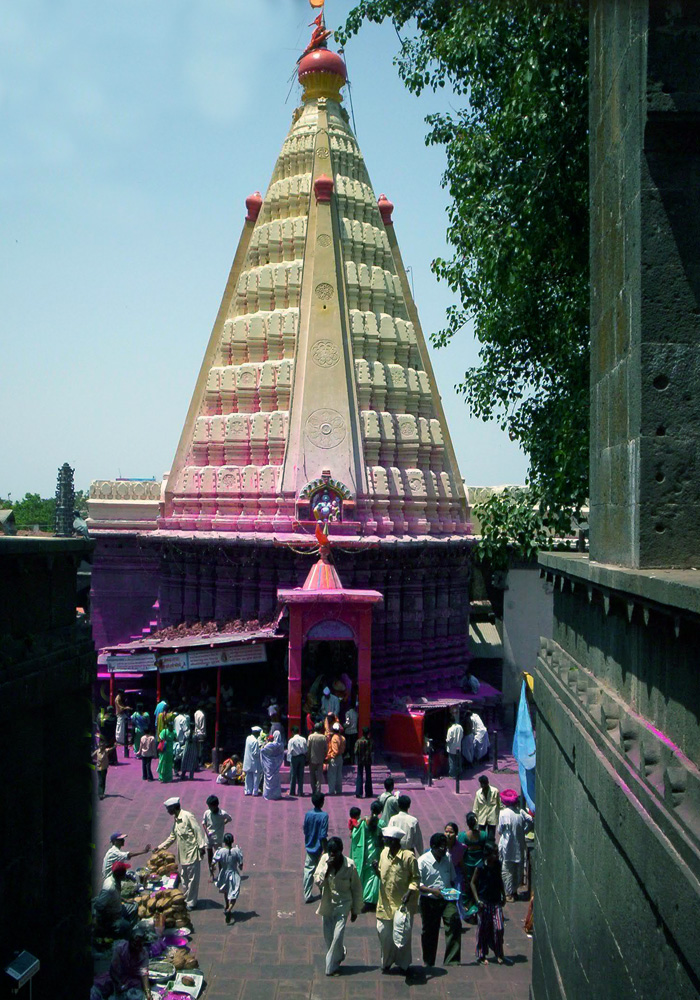
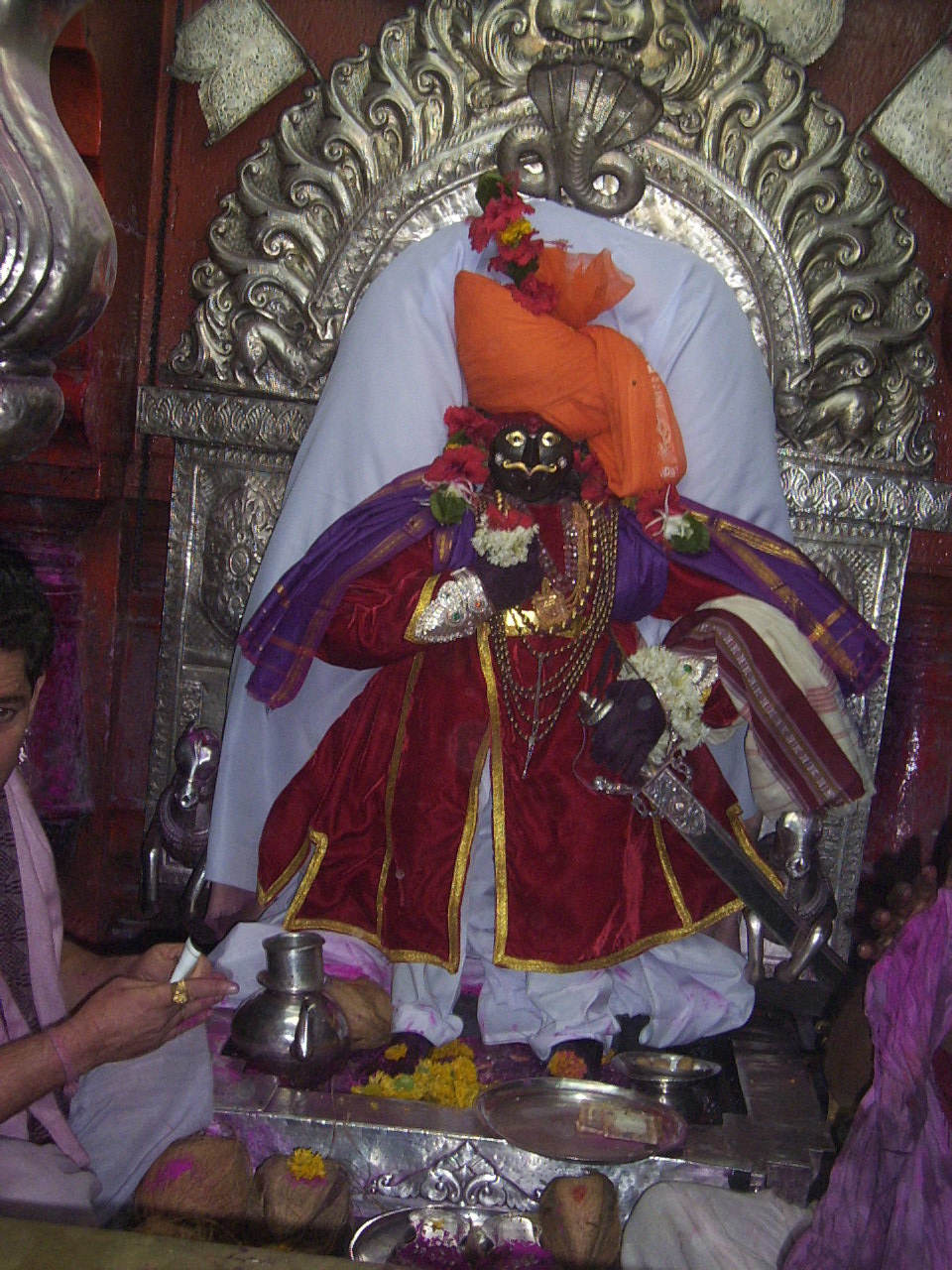
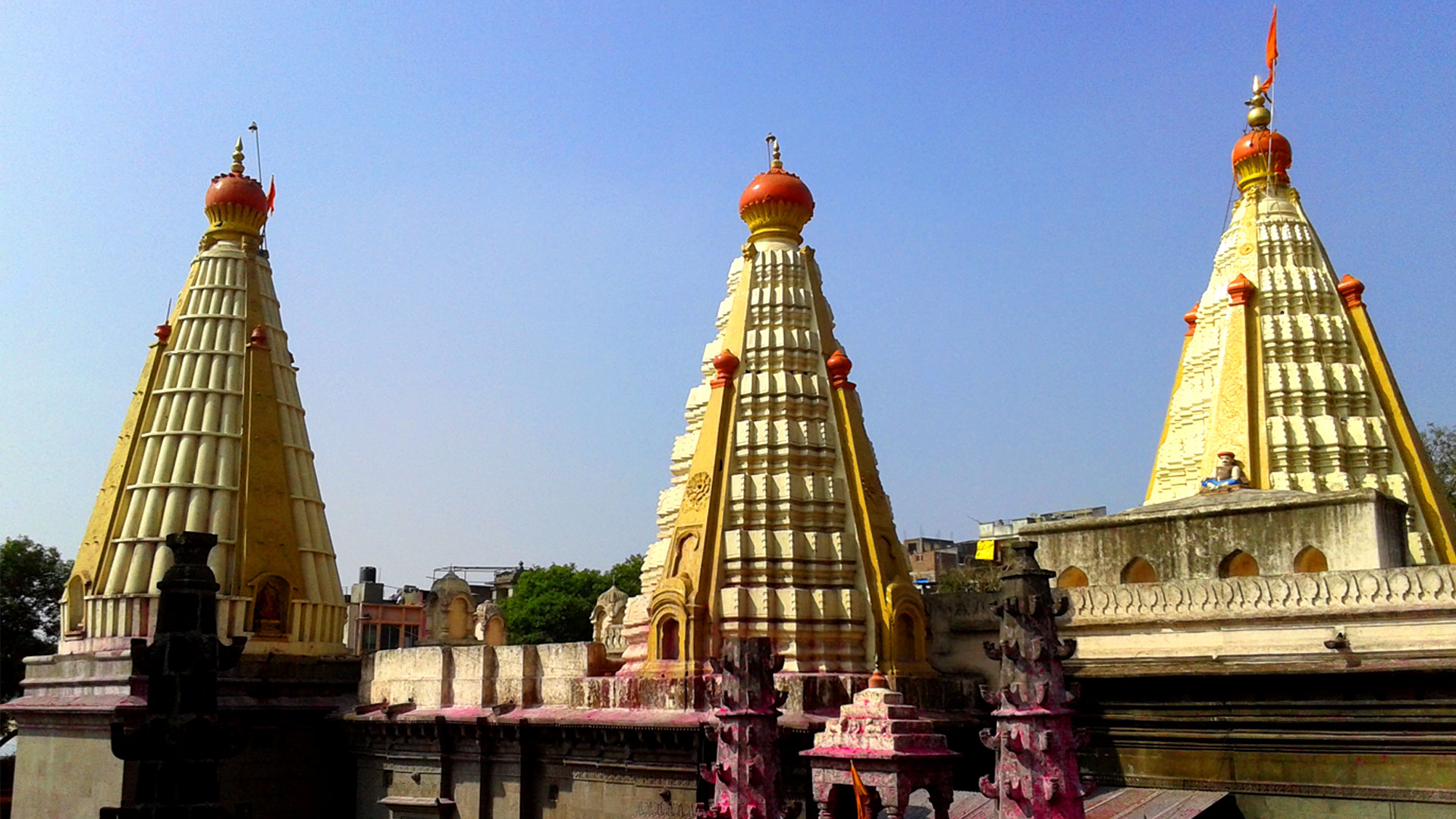
Jyotiba Temple
About Jyotiba Temple
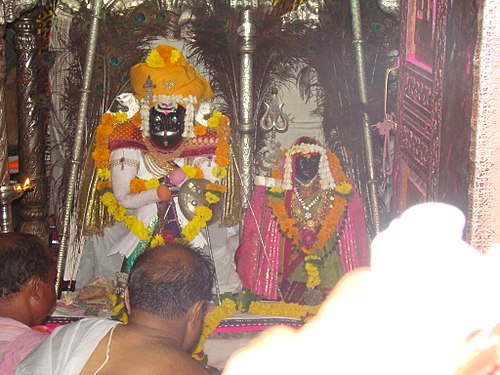
The temple maintains a structured rhythm of daily worship that shapes the devotional life of the shrine. Darshan—the viewing of the deity—is available in two sessions: mornings from 07:00 to 12:00, and evenings from 16:00 to 19:00. Throughout the day, multiple ritual moments punctuate the worship schedule. The Kakad Aarti, an early morning ritual, begins at 05:00, followed by the Panchamrit Abhishek at 08:00. The Maha Puja Aarti occurs at 09:00, with the Dhup Aarti and Maha Naivedya at 09:30. In the afternoon, the Snaan Abhishek and Baithi Puja take place at 15:00, and the day concludes with the Dhup Aarti and Shejarti at 19:00. These rituals offer visitors opportunities to witness or participate in the temple's devotional practices. It is advisable to confirm timings with the temple before travelling, as schedules may vary on festival days.
Annual Fairs and Festival Observances
The temple observes several significant festivals throughout the year. Makar Sankranti in January draws devotees during this harvest festival marking the sun's entry into Capricorn in the Hindu calendar. Raksha Bandhan in August brings families to celebrate the bond between siblings. The Sharad Navaratri season in September and October transforms the temple into a focal point of worship during these nine nights dedicated to the Goddess.
The most important gatherings occur on the full moon nights of Chaitra and Vaishakha, the Hindu months spanning March through May. During these lunar periods, annual fairs take place at the temple, creating occasions when the shrine is particularly busy and elaborately decorated. These full moon nights hold special spiritual significance in the Hindu calendar, and the temple becomes a destination for pilgrims seeking to observe these auspicious times. Visitors should expect larger crowds during these periods and plan accordingly for parking and entry.
Visiting Practicalities and Etiquette
Visitors to Jyotiba Temple should observe standard temple etiquette. Footwear is removed before entering sacred spaces, and modest dress is expected. Respectful conduct during rituals and worship is essential. The full moon nights of Chaitra and Vaishakha represent optimal times for pilgrimage, when the temple's spiritual atmosphere is heightened and community gatherings create a vibrant devotional environment. However, these periods also draw significant numbers of worshippers, so advance planning is recommended. The months of October through March generally offer favorable conditions for visiting, with more moderate weather and smaller crowds than the peak fair seasons.
For inquiries about specific practices or to confirm details before your visit, the temple office can be reached at 02328-239041 or 9158222424.
Location and Access
Jyotiba Temple is situated at coordinates 16.7°N, 74.23°E in Taluka Panhala, near Wadi Ratnagiri in Kolhapur district. The full address is Shree Jyotiba Devasthan, Wadi Ratnagiri, Taluka Panhala, District Kolhapur, Maharashtra, India. The site is accessible by road; Kolhapur district is well-connected to major towns and cities in Maharashtra. Visitors from other regions should plan their route through Kolhapur and then proceed to the temple's location in the Panhala taluka area. Navigation applications can be used with the provided coordinates for precise directions to the shrine.
How to reach
Temples near Jyotiba Temple
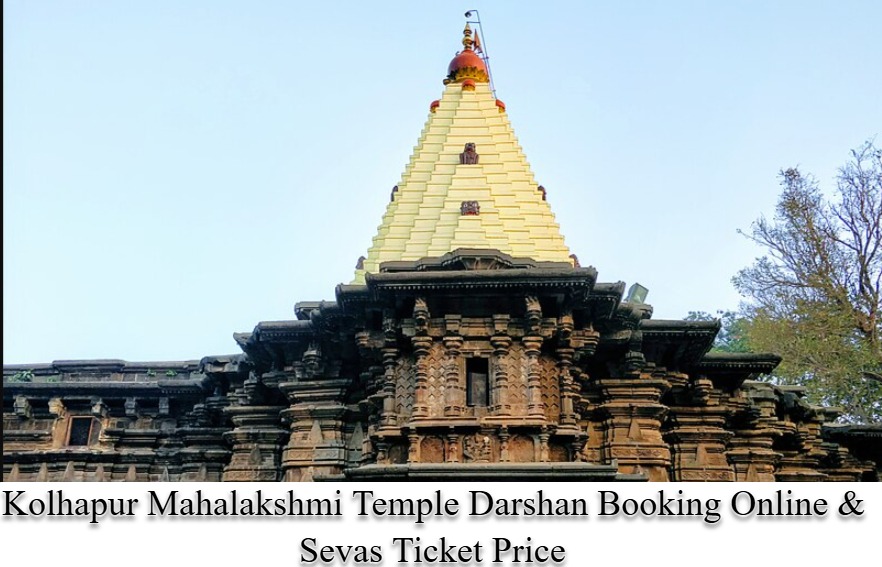
Mahalakshmi Temple, Kolhapur
Mahalakshmi Temple in Kolhapur is one of the three and a half Shaktipeethas, dedicated to Goddess Mahalakshmi. According to tradition, the Goddess manifested here to vanquish th…
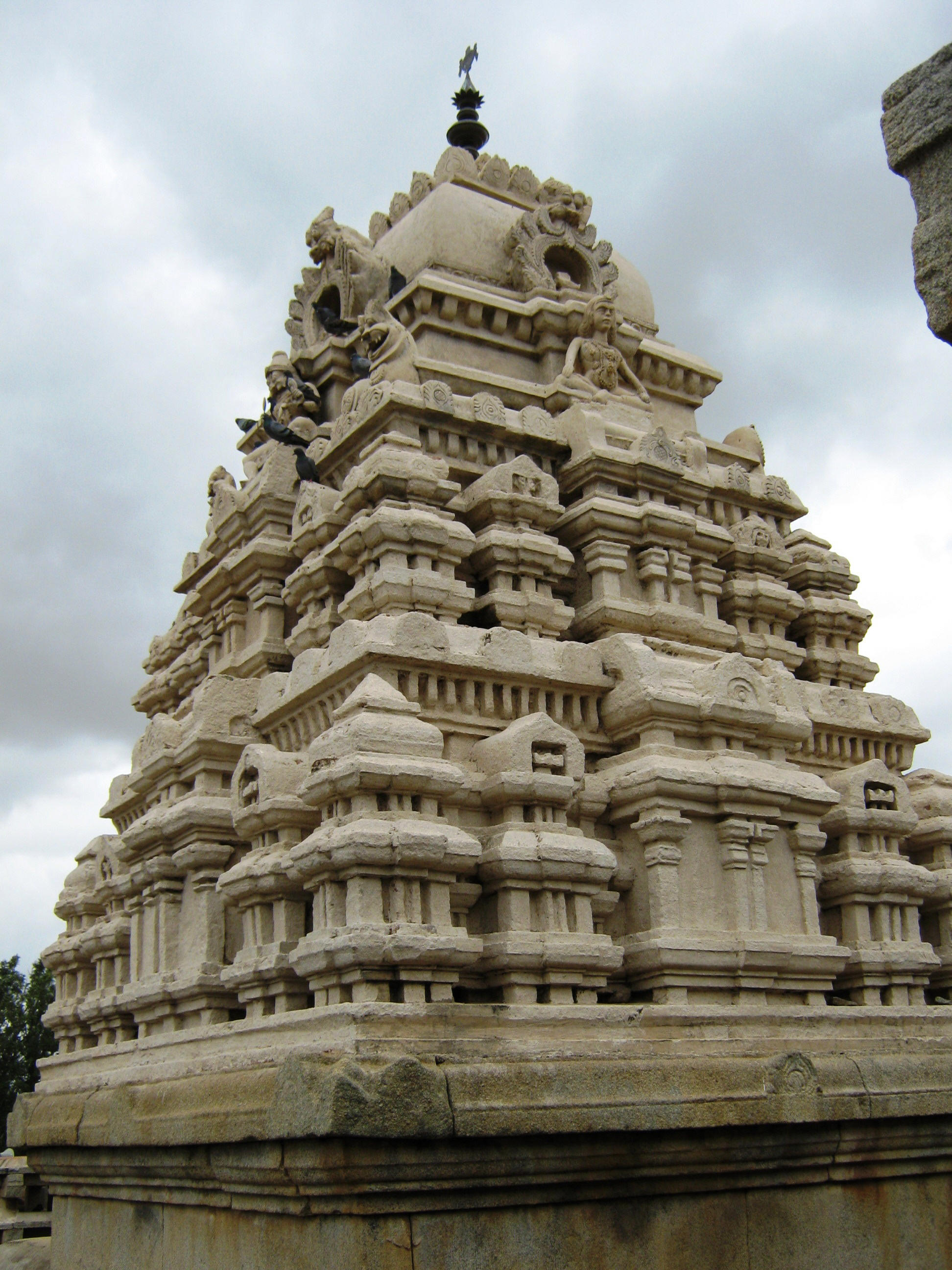
Veerbhadra Temple
Veerabhadra Temple in Lepakshi is a magnificent Vijayanagara-era shrine dedicated to Lord Shiva, renowned for its architectural marvels including a gravity-defying hanging pilla…
Kopeshwar temple
Kopeshwar Temple at Khidrapur in Kolhapur district is a 12th-century Hindu shrine dedicated to Shiva, built by Shilahara king Gandaraditya and situated on the banks of the Krish…
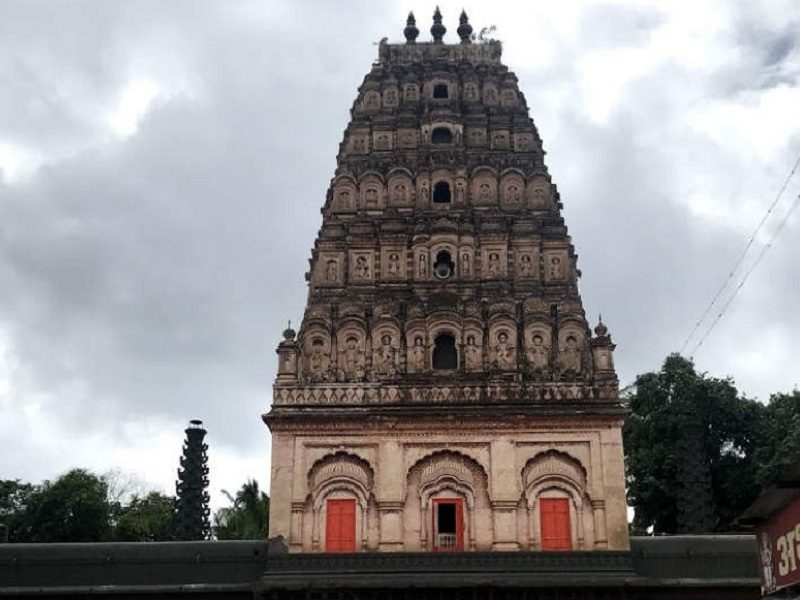
Ganpati Temple, Tasgaon
The Ganpati Temple in Tasgaon, Sangli district, is renowned for its distinctive right-curved trunk idol embellished with 125 kilograms of solid gold and its iconic seven-storied…
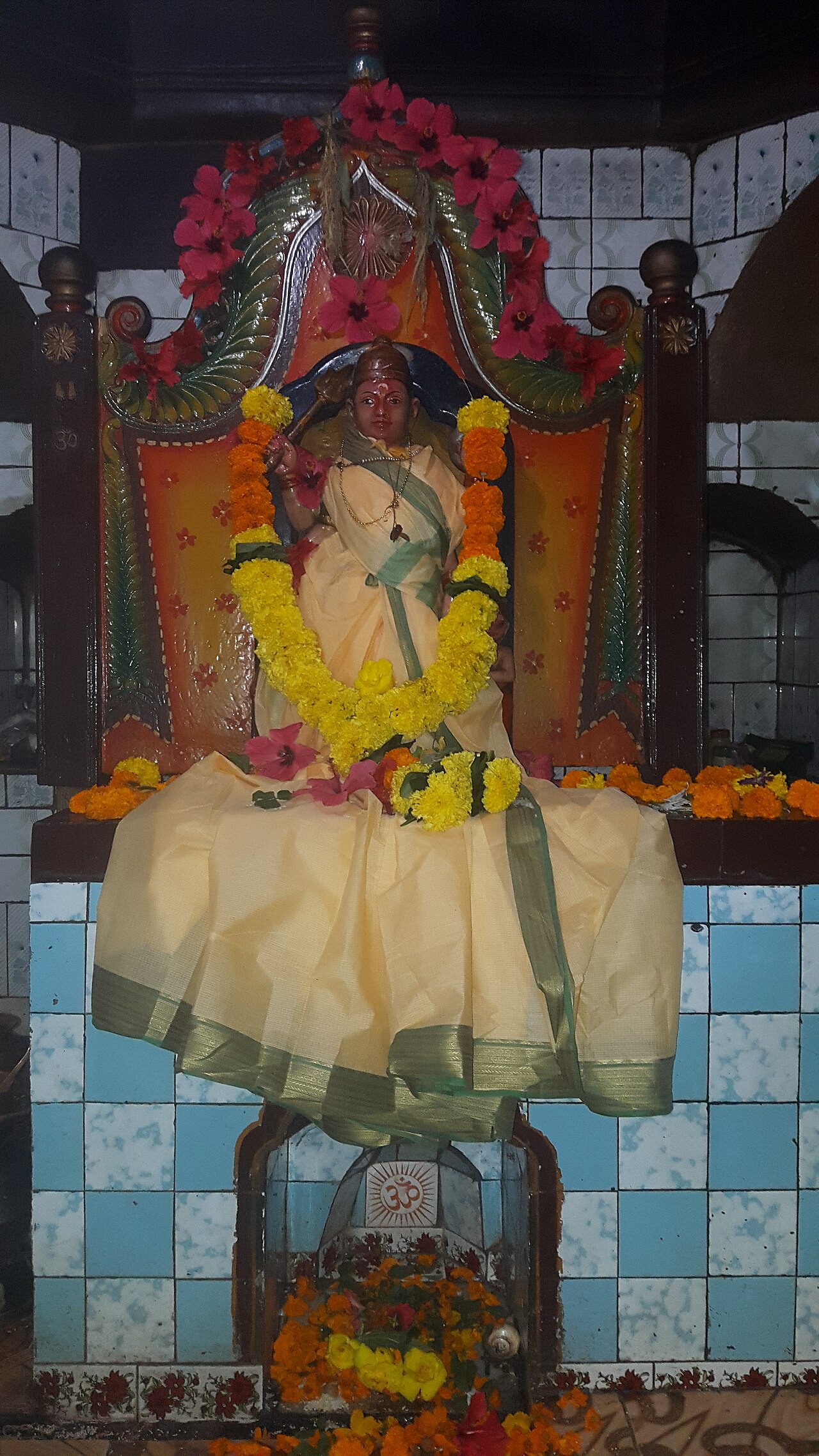
Aryadurga devi, Devihasol
Aryadurga Devi temple in Devihasol is a sacred Hindu shrine dedicated to Goddess Aryadurga, the Kuldevi of many Karahde Brahmins, located in the scenic Konkan region of Maharash…
Sidhhanath Temple, Kharsundi
Sidhhanath Temple in Kharsundi, Sangli district, is an ancient shrine dedicated to Lord Siddhanath, believed to be an incarnation of Lord Shiva and the patron deity of the Aatpa…