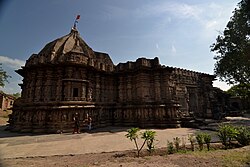
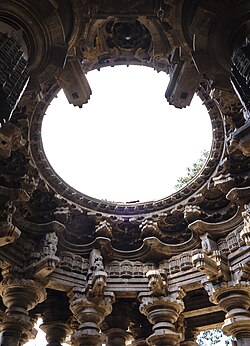
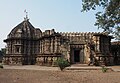
Kopeshwar temple
About Kopeshwar temple
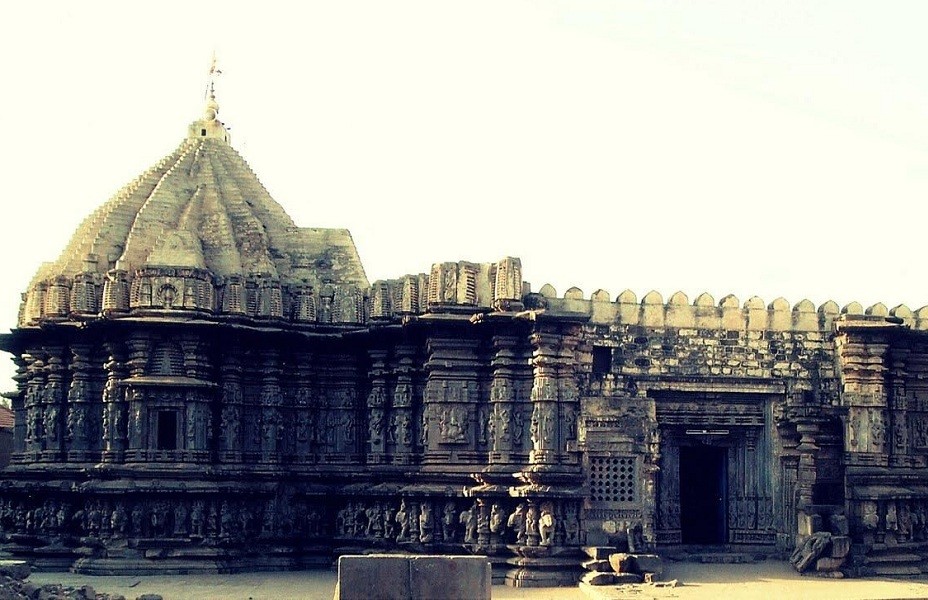
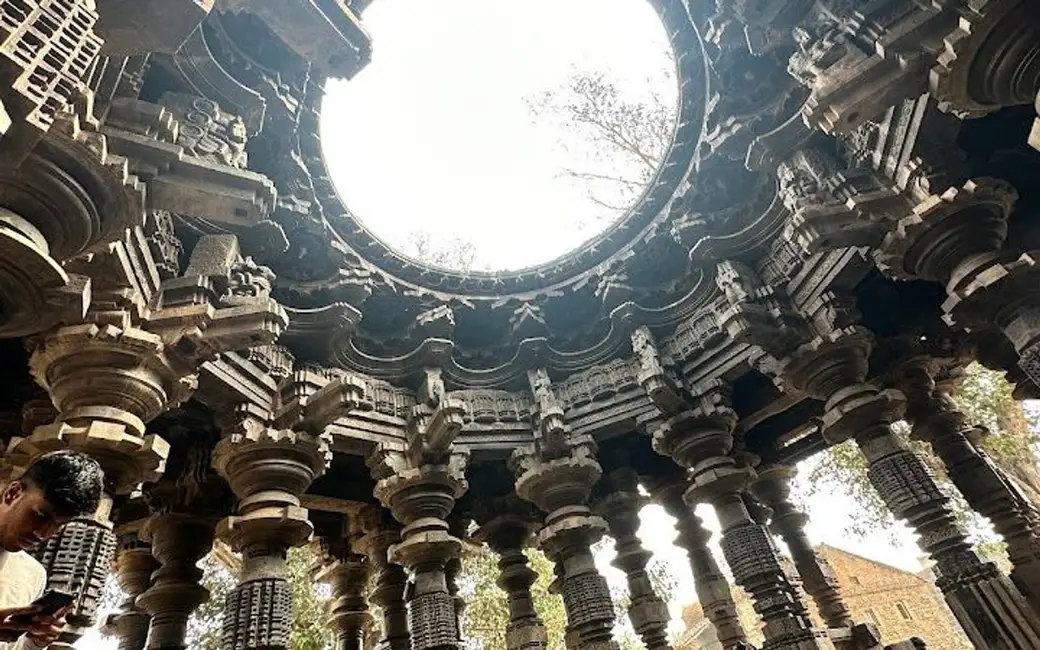
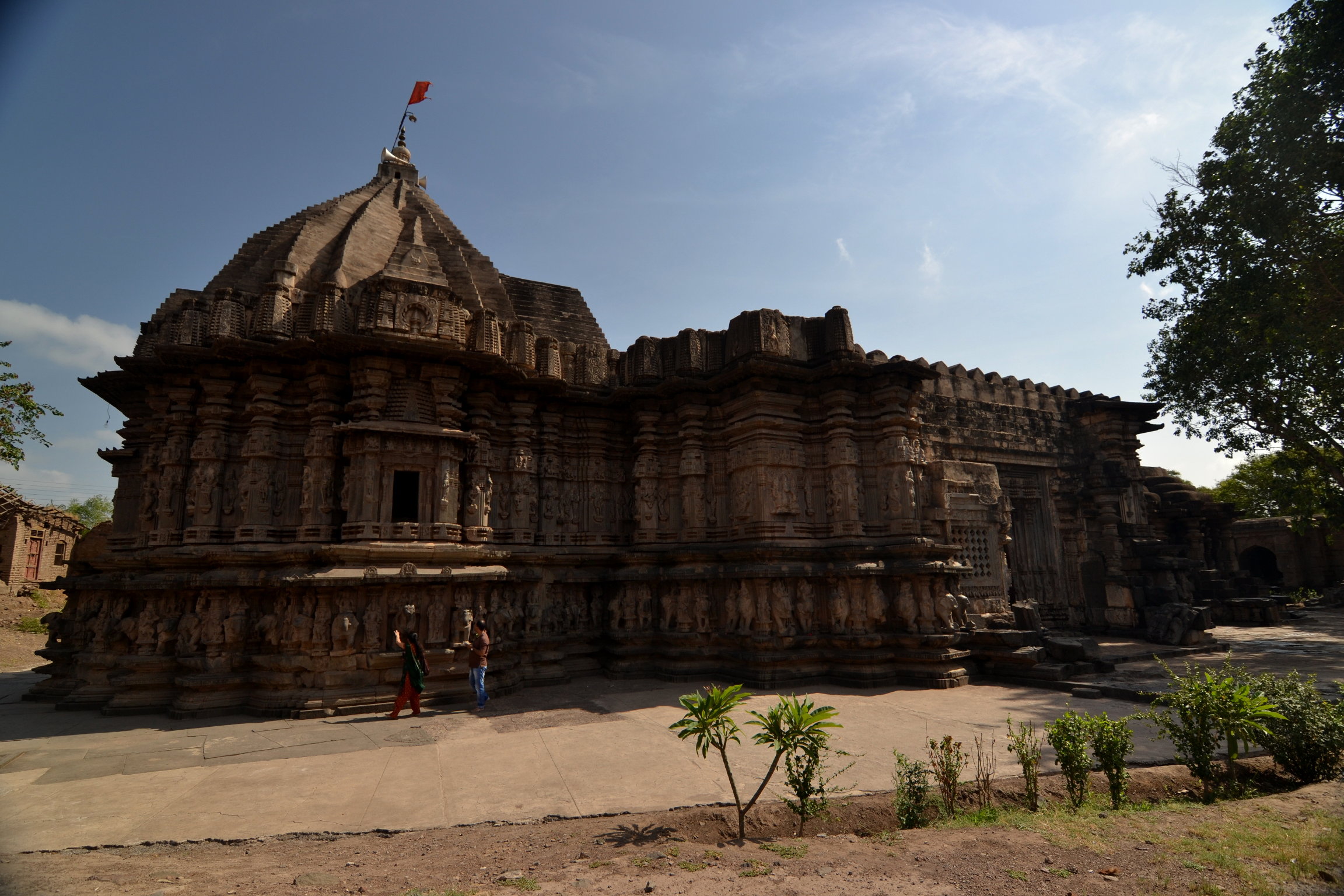
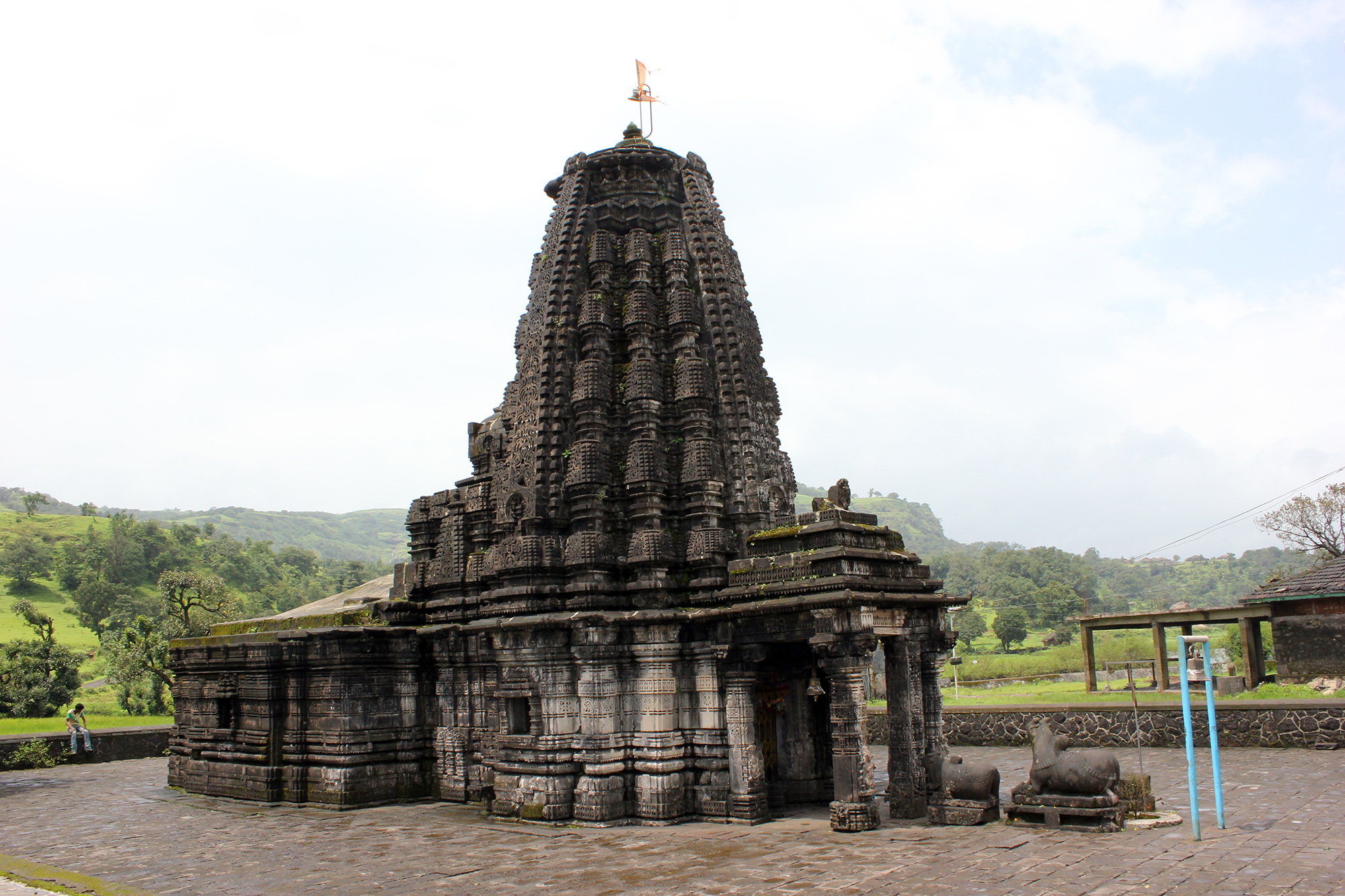
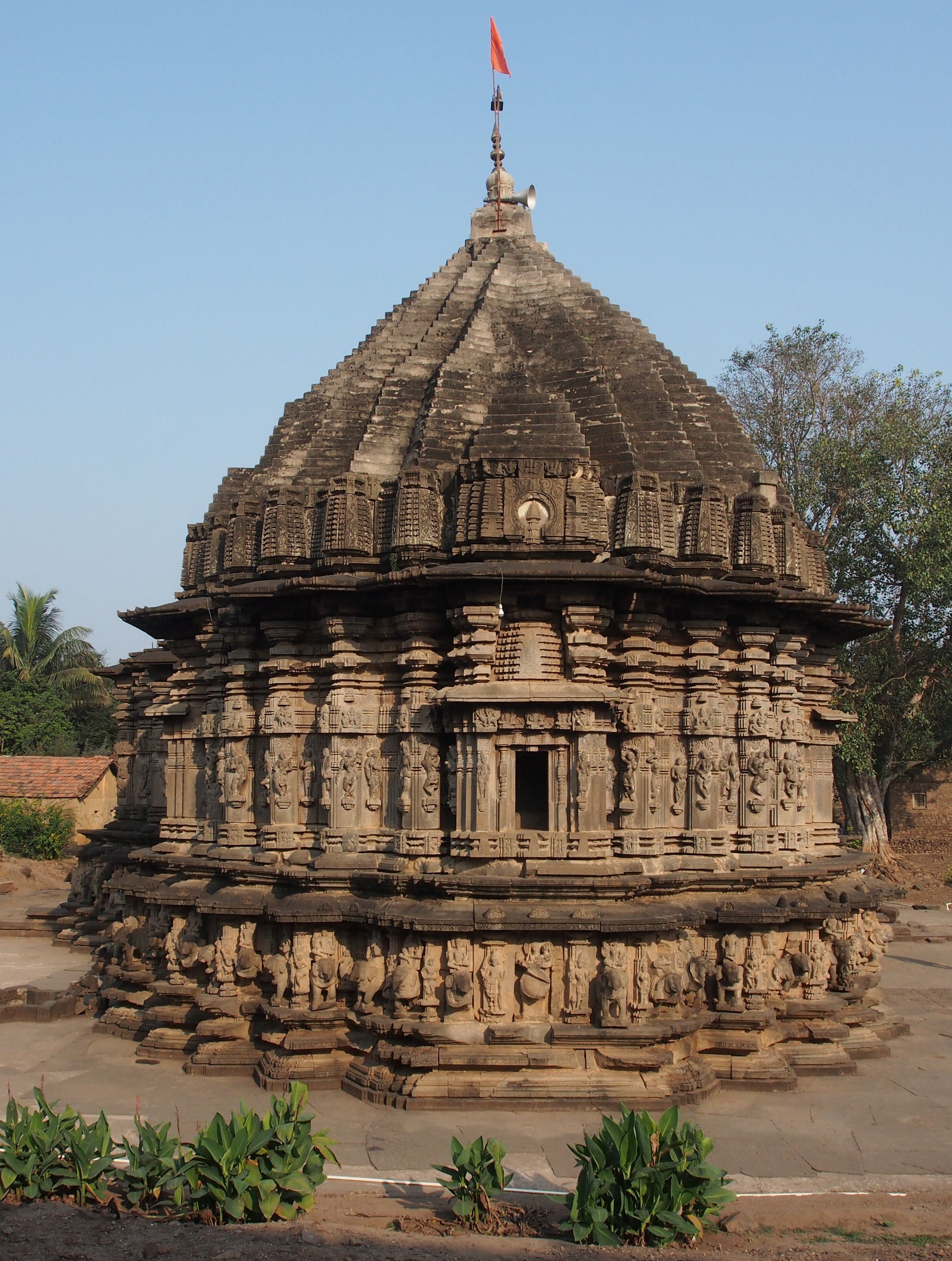
The Kopeshwar Temple emerged during the reign of the Silahara dynasty, a period of considerable cultural and architectural development in the Deccan. King Gandaraditya's decision to commission this temple demonstrates the dynasty's engagement with Hindu religious institutions despite their own Jain affiliations. The 12th century was a formative period for temple construction in Maharashtra, and Kopeshwar represents the artistic and architectural sensibilities of that era.
The temple's construction spanned several decades, with work continuing through the 12th century. This extended building period suggests a substantial undertaking, likely involving skilled craftsmen and considerable resources. The temple's survival to the present day, despite the region's complex political history, testifies to its cultural importance to successive generations of devotees.
Visiting the Temple
Kopeshwar Temple is situated in Khidrapur village, Kolhapur district, approximately to the east of Kolhapur city. The temple is also accessible from Sangli. Visitors should plan their journey accounting for travel time from either city, as the temple occupies a rural location rather than an urban center.
As a Shiva temple, visitors following Hindu custom typically remove footwear before entering the sanctum and maintain respectful behavior throughout the premises. Modest dress is appropriate when visiting Hindu temples. The Krishna river's proximity means the temple grounds may experience seasonal variations in accessibility depending on water levels and weather conditions.
Worship and Daily Rituals
Shiva temples traditionally maintain daily worship schedules centered on ritual offerings and prayers. While specific darshan timings for Kopeshwar are not documented in available sources, Hindu temples of this tradition typically open early in the morning and again in the evening, allowing devotees to view the deity during designated hours. Aarti—the ritual of offering light to the deity—typically occurs at dawn and dusk, marking the principal moments of communal worship.
Devotees visiting Shiva temples often participate in or witness abhishek (ritual bathing of the deity), circumambulation of the sanctum, and receipt of prasad (blessed offerings). The temple's location on the Krishna river may have historically facilitated ritual bathing practices associated with Shiva worship.
Reaching Kopeshwar Temple
The temple is located at coordinates 16.7°N, 74.68°E in Khidrapur, Kolhapur district. Visitors traveling from Kolhapur city should head eastward toward Khidrapur village. Those approaching from Sangli have an alternative route to the temple. The Krishna river's course through the region provides a geographical landmark for navigation.
Public transportation options and road conditions should be verified before travel, as rural temple locations in Maharashtra may have limited regular bus services. Private vehicle travel offers greater flexibility for reaching the site. Visitors should allow adequate time for the journey and consider local conditions, particularly during monsoon season when river proximity may affect accessibility.
Significance for Devotees
For followers of Shaivism, Kopeshwar Temple represents an ancient center of worship with continuous spiritual significance across nearly nine centuries. The temple's age and its association with a major medieval dynasty lend it historical weight within the region's religious landscape. Devotees visiting the temple participate in a tradition of worship that extends back to the 12th century, connecting them to generations of practitioners who have sought Shiva's blessings at this site.
The temple's riverside location adds to its appeal for those seeking sacred geography. The Krishna river, one of India's holiest waterways, enhances the spiritual atmosphere and provides opportunities for ritual bathing before or after temple visits.
How to reach
Temples near Kopeshwar temple
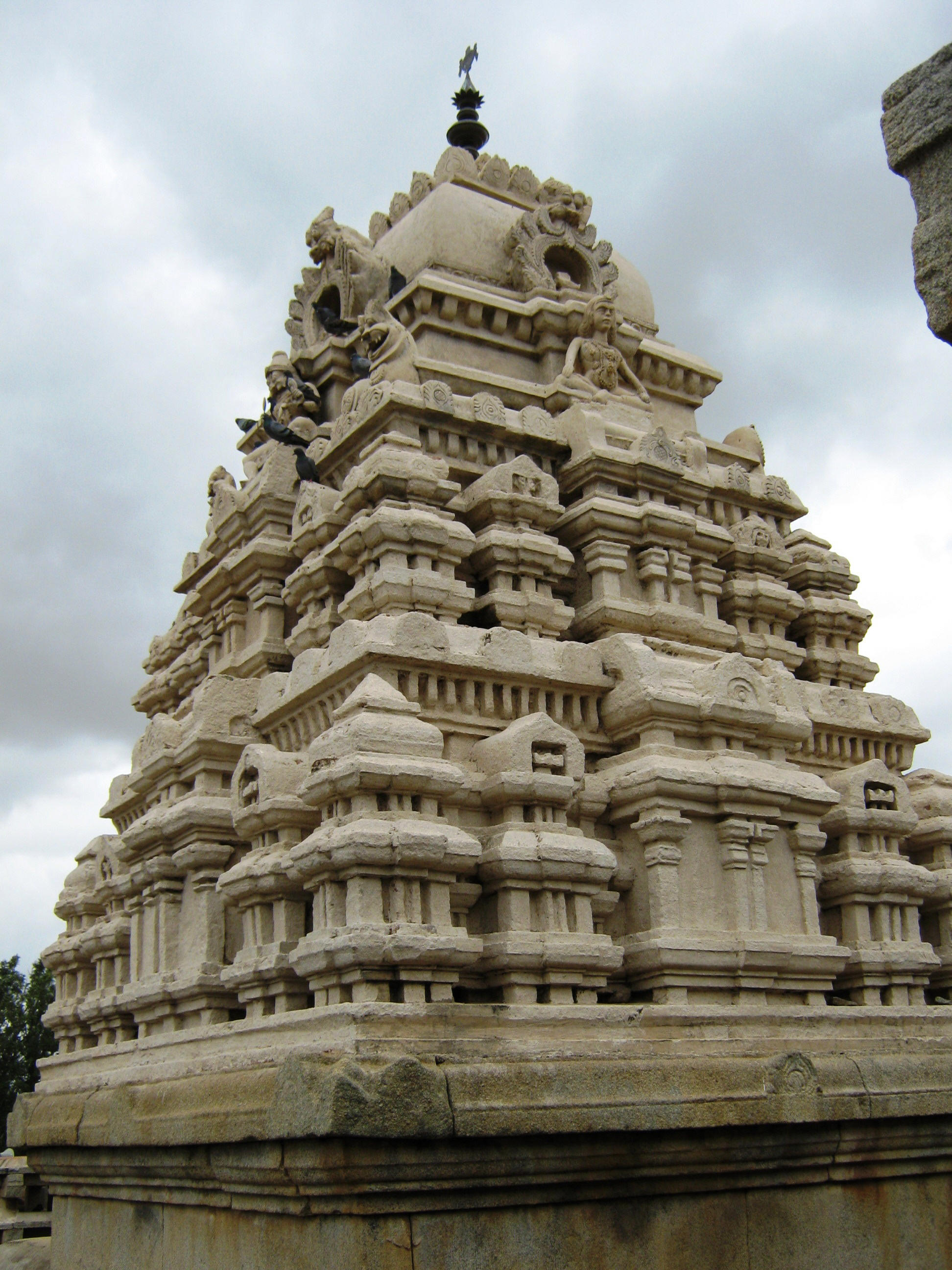
Veerbhadra Temple
Veerabhadra Temple in Lepakshi is a magnificent Vijayanagara-era shrine dedicated to Lord Shiva, renowned for its architectural marvels including a gravity-defying hanging pilla…
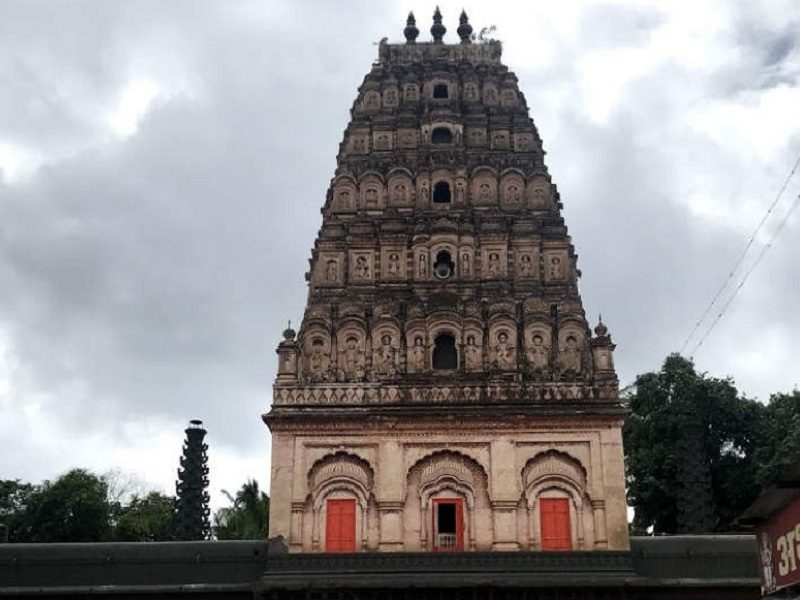
Ganpati Temple, Tasgaon
The Ganpati Temple in Tasgaon, Sangli district, is renowned for its distinctive right-curved trunk idol embellished with 125 kilograms of solid gold and its iconic seven-storied…
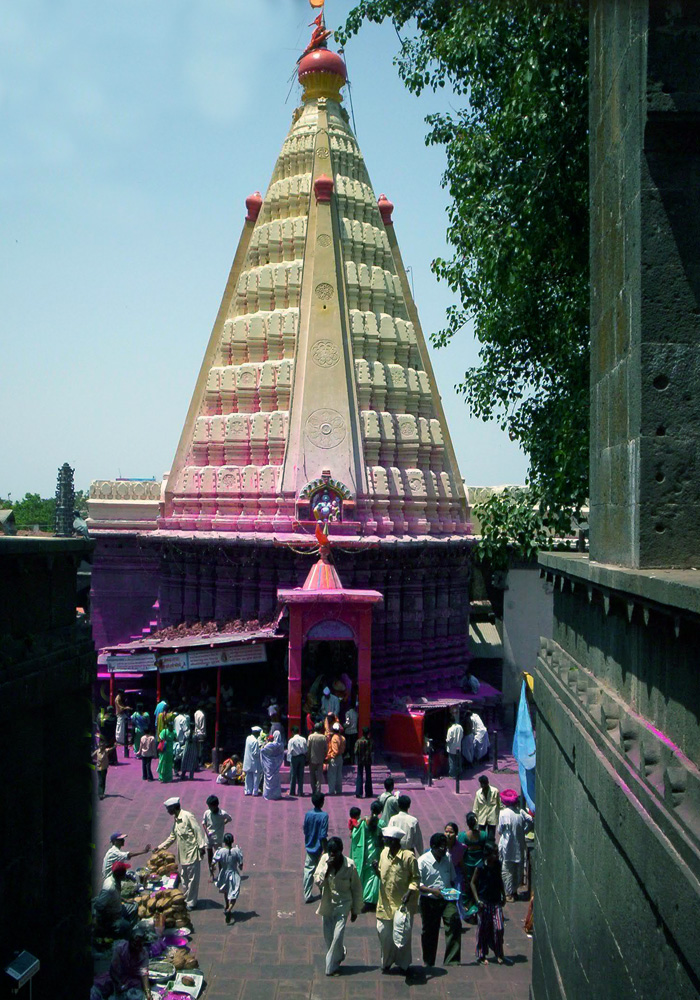
Jyotiba Temple
Jyotiba Temple is a sacred Hindu shrine dedicated to Lord Jyotiba (Kedareshwar), a folk-Shiva deity, situated on a hilltop near Wadi Ratnagiri in Kolhapur district, Maharashtra.…
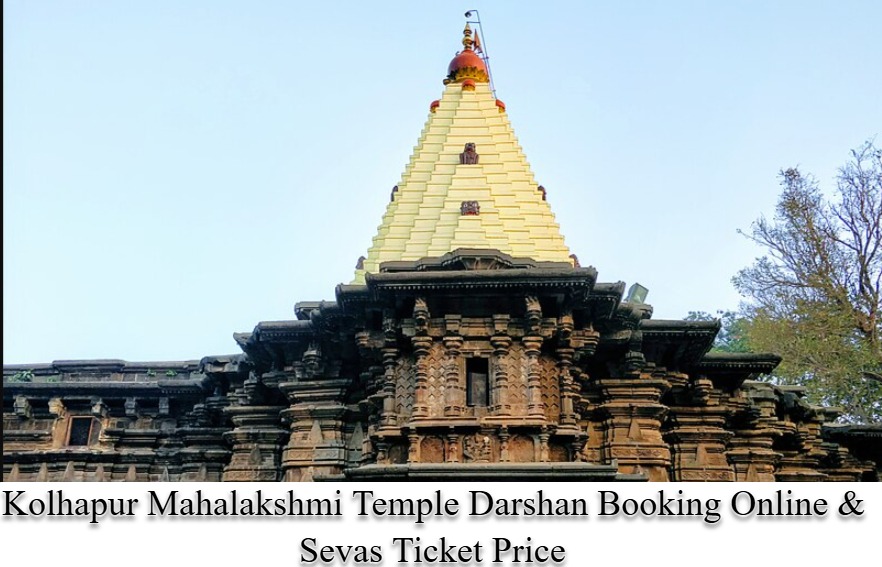
Mahalakshmi Temple, Kolhapur
Mahalakshmi Temple in Kolhapur is one of the three and a half Shaktipeethas, dedicated to Goddess Mahalakshmi. According to tradition, the Goddess manifested here to vanquish th…
Sidhhanath Temple, Kharsundi
Sidhhanath Temple in Kharsundi, Sangli district, is an ancient shrine dedicated to Lord Siddhanath, believed to be an incarnation of Lord Shiva and the patron deity of the Aatpa…
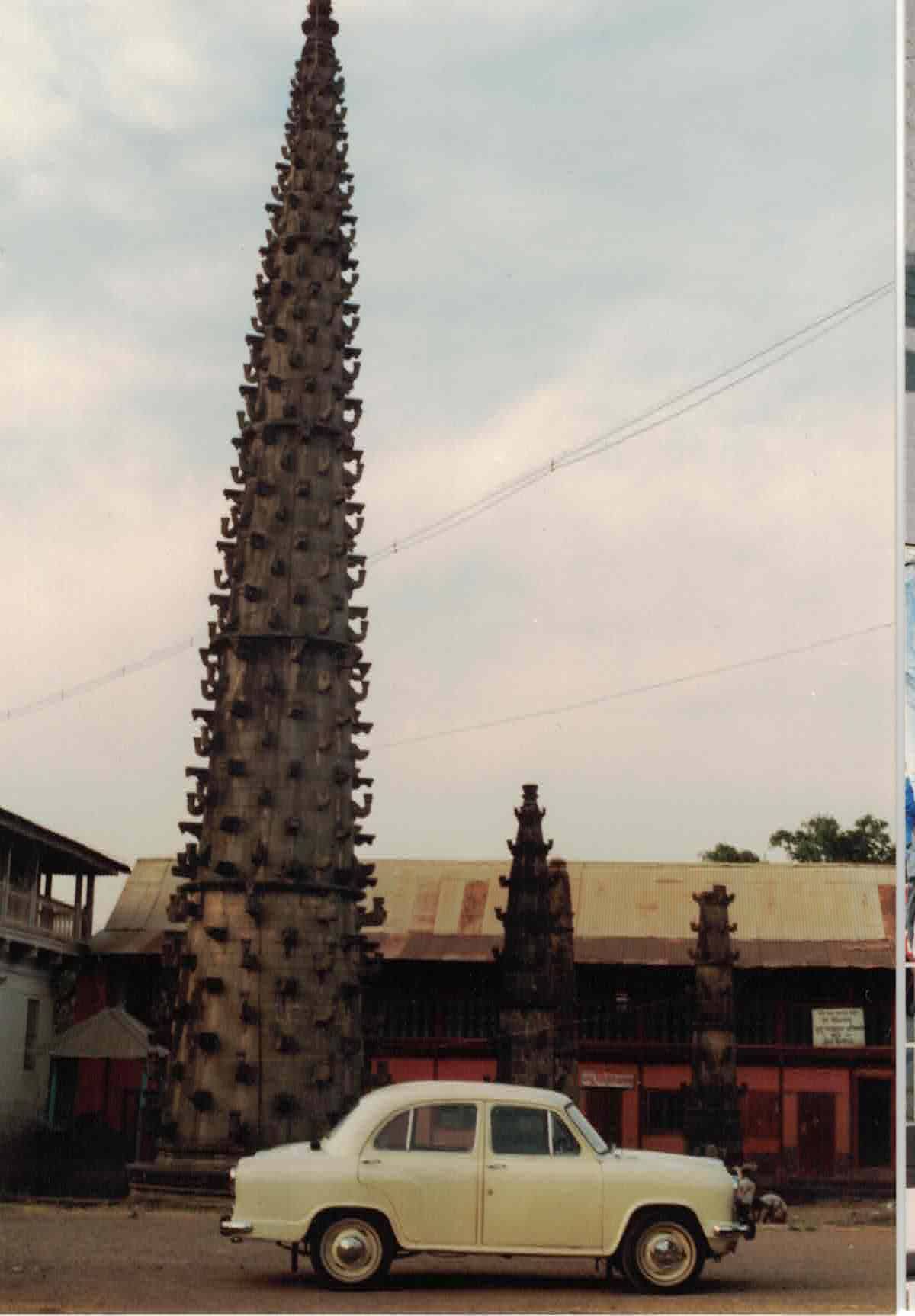
Yamai Temple
Yamai Devi Temple, situated atop a hill complex in Aundh, Satara district, Maharashtra, is dedicated to Goddess Durga and serves as a significant pilgrimage center for devotees…