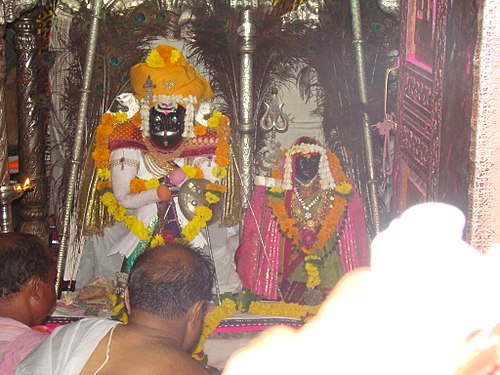
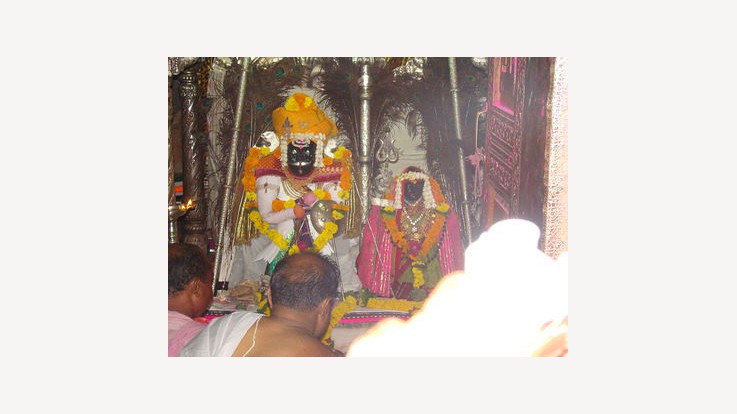
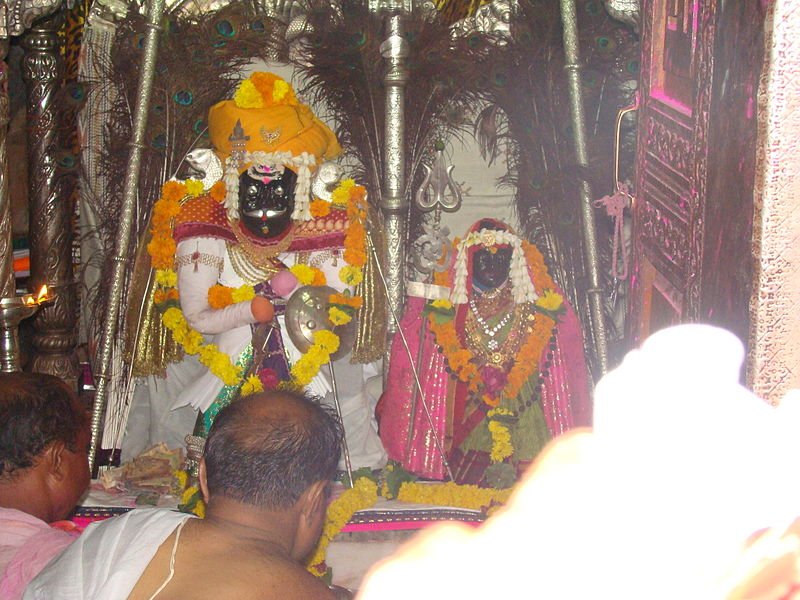
Sidhhanath Temple, Kharsundi
About Sidhhanath Temple, Kharsundi
Every three years, typically in December, the temple observes a remarkable tradition: the deity is carried in a ceremonial palanquin (Palki) to meet Goddess Zakabai at a location between Kharsundi and Neilkarnji. This procession, known locally as the triennial meeting, draws villagers and devotees who accompany the deity on this sacred journey. The event represents a unique expression of regional devotion, blending mythology with communal participation.
The logistics and exact dates of this triennial procession vary, and visitors interested in witnessing this event should make local enquiries well in advance to confirm timing and accessibility.
The Annual Siddhanath Yatra
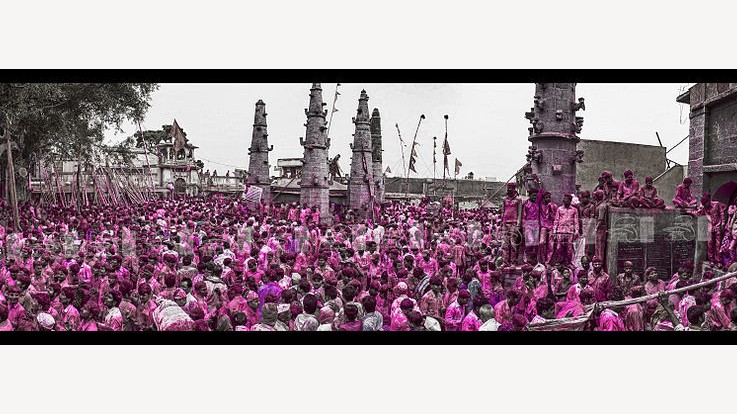
The primary pilgrimage season occurs during Chaitra, the month spanning March and April in the Hindu calendar. During this period, the annual Siddhanath Yatra draws devotees to the temple. This is considered the most auspicious time for darshan (viewing the deity) and for participating in the temple's ritual life. Visitors planning their journey should aim for this window to experience the temple at its most vibrant.
The Sacred Spring at Gohdapur
A few kilometres from Kharsundi lies Gohdapur, where a natural spring has flowed continuously for generations without drying. Local tradition attributes the spring's origin to an incident involving Siddhanath's horse. According to the account, the horse startled at the sight of a snake—placed there, the story suggests, to prevent the deity from reaching his second wife—and in its fear struck the ground with such force that water began to flow. Whether understood as literal history or spiritual metaphor, the spring represents an enduring natural feature associated with the temple's sacred geography and remains a point of pilgrimage interest.
Visiting the Temple
Visitors should dress modestly, as is customary at Hindu temples. Shoes are typically removed before entering the inner sanctum. The temple's location in Kharsundi village, Aatpadi Taluka, Sangli district, places it in rural Maharashtra; visitors should plan travel accordingly and allow time for the journey from larger towns. Local accommodation and facilities in the immediate area are limited, so advance planning is advisable.
The best times to visit are during Chaitra (March-April) for the annual yatra, or December if one wishes to observe the triennial procession—though confirmation of the latter's exact timing should be sought locally. Outside these peak periods, the temple remains open to devotees, though the atmosphere will be quieter. Visitors are encouraged to show respect for ongoing worship and to follow any guidance offered by temple staff regarding access to different areas of the shrine.
How to reach
You may also visit
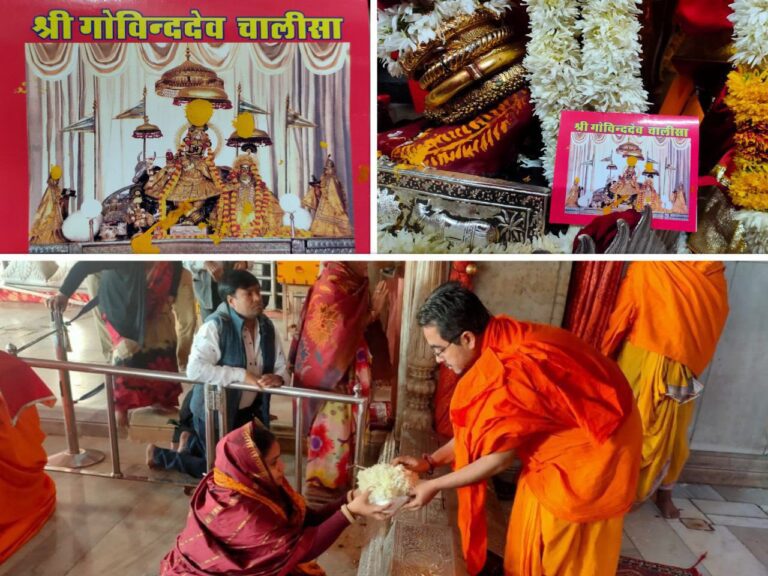
Kalyanji Temple
Kalyanji Temple in Jaipur's Chandpol Bazaar is approximately two centuries old and renowned for displaying the twenty-four avatars of Krishna, visible only twice yearly during Akha Teej and Patottsav festival.
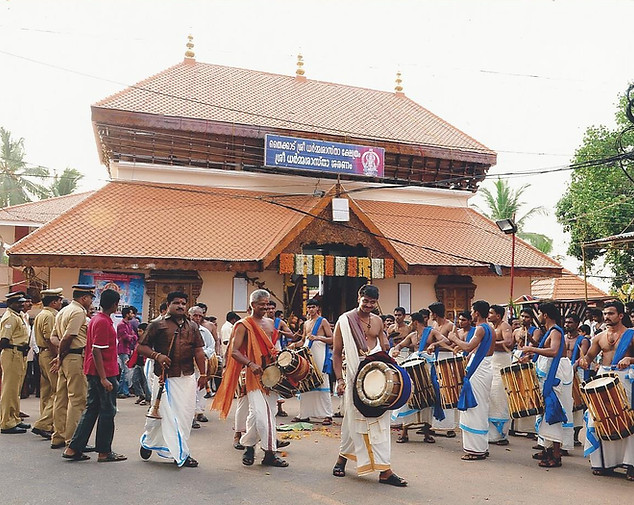
Sastha (Ayyappan) Temple
Sree Dharma Sastha Temple in Thycaud, Thiruvananthapuram, is a centuries-old shrine where the deity manifests as Dhanwanthari, the divine healer, holding the sacred blue lotus.
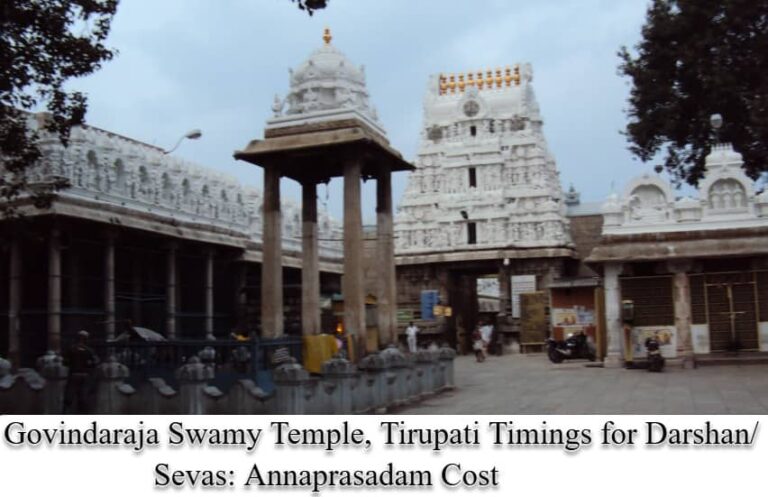
Govindarajaswamy Temple
Sri Govindarajaswamy Temple in Tirupati is an ancient Vaishnavaite shrine consecrated in 1130 AD by Saint Ramanuja, where the presiding deity rests in eternal Yoga Nidra on the serpent Adisesha.