Jhandewalan Temple
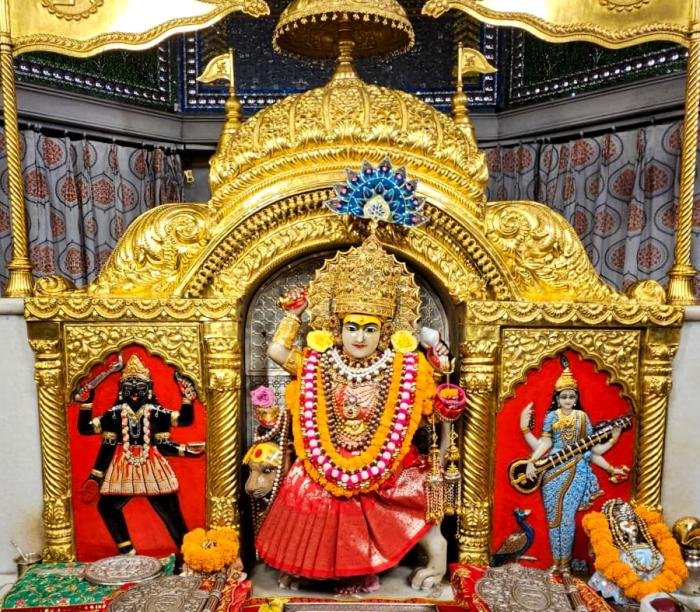
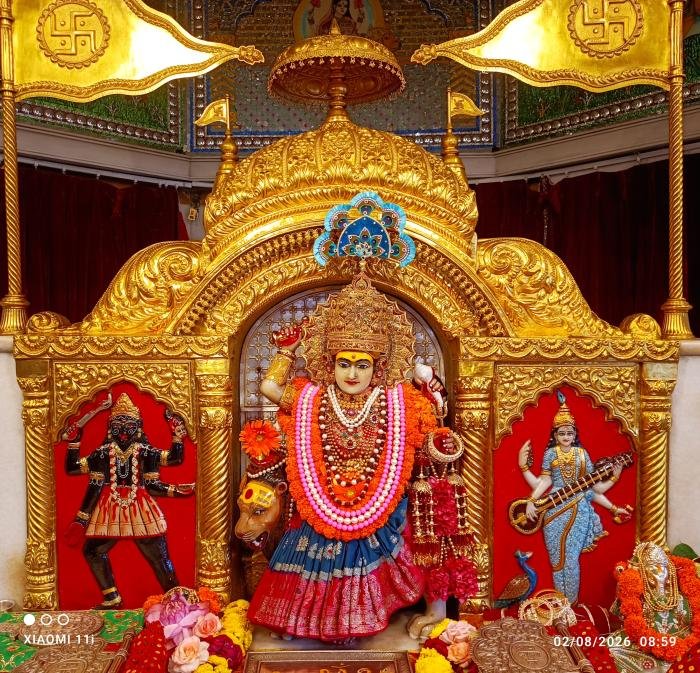
About Jhandewalan Temple
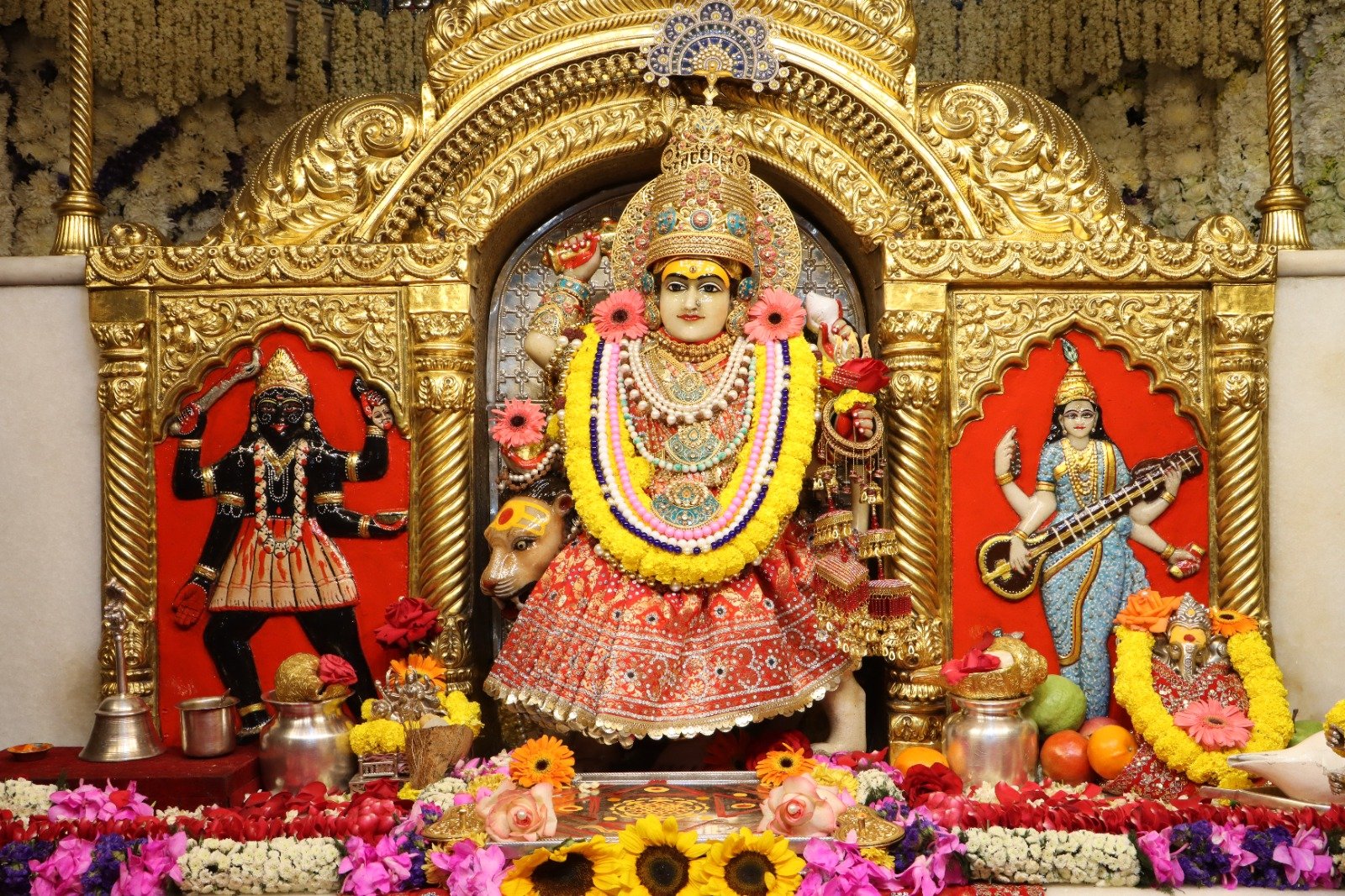
The temple maintains a structured daily rhythm of worship centered on multiple aartis—ritual offerings of light and prayer. The Mangala Aarti begins at 6:00 AM, followed by the Morning Shringar Aarti at 9:00 AM, which involves adorning the deity. At noon, the Bhog Aarti marks the offering of sanctified food. The Evening Shringar Aarti takes place at 7:30 PM, and the day concludes with the Shayan Aarti at 10:00 PM, when the deity is prepared for rest. Between the morning and evening sessions, the temple closes from 12:00 PM to 4:00 PM for cleaning rituals and the preparation of Bhog (blessed food offerings). This afternoon break is an important detail for visitors to note when planning their darshan.
Visiting Hours and Seasonal Schedules
The temple operates on different schedules depending on the season. During summer months, the shrine opens at 5:00 AM and closes at 12:00 PM, then reopens at 4:00 PM until 10:00 PM. In winter, the opening time shifts to 6:00 AM (with closing at 12:00 PM), and the evening session ends at 9:00 PM. During Navratri—the nine-day festival dedicated to the goddess—the temple extends its hours significantly, opening as early as 4:00 AM and remaining open until 10:00 PM to accommodate the surge in pilgrims. For those seeking a quieter darshan experience, weekday mornings between 6:00 and 7:00 AM tend to be less crowded than evenings or weekends. The temple can be reached at 10196 Jhandewala Estate, Deshbandhu Gupta Marg, New Delhi – 110055, and live darshan is available via YouTube and Facebook for those unable to visit in person.
Navratri and Festival Observances
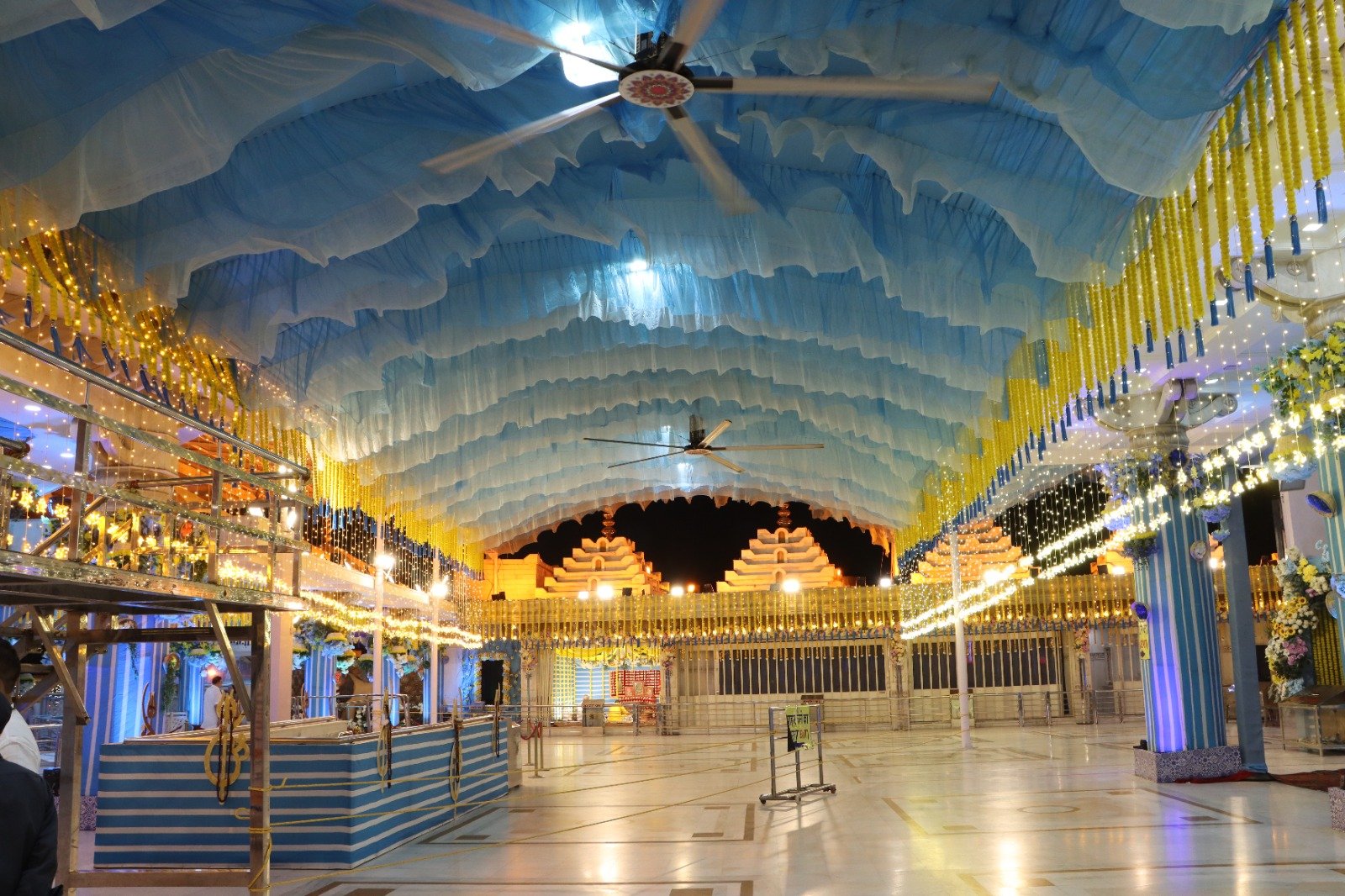
Navratri holds special significance at this temple, with the nine-day celebration drawing large numbers of devotees to honor the goddess in her various forms. During this period, the temple's schedule expands dramatically to accommodate pilgrims, and special rituals and programs are conducted throughout the day. The festival includes continuous devotional singing and recitations of the goddess's praises from 9:00 AM to 5:30 PM by various performers. The Durga Ashtami (the eighth day of Navratri) is marked with particular reverence, including a night vigil. The temple also celebrates other significant occasions in the Hindu calendar, including Krishna Janmashtami and Ganesh Chaturthi, each with their own observances and special timings. These festivals represent the broader cycle of worship that structures the temple's annual calendar.
Practical Information for Visitors
Visitors should plan their trip around the temple's afternoon closure from 12:00 PM to 4:00 PM, during which the premises are not accessible for darshan. Weekday mornings offer a more peaceful experience than weekends or festival days. The temple can be contacted at 7440079900 or 7440071100 for specific inquiries. While the sources do not detail dress codes or specific etiquette requirements, visitors to temples dedicated to the goddess typically observe modest dress as a mark of respect. Shoes are generally removed before entering the inner sanctum, as is standard practice in Hindu temples. The temple's website at jhandewalamandir.org provides additional information about current programs and celebrations. Those planning to visit during major festivals should arrive early, as queues can extend significantly during peak hours.
Historical Context
The temple's founding in the 19th century places it within a period of significant religious and social change in Delhi. Originally located in Ram Bagh, it once hosted the Pavan Pariksha Mela—a religious gathering that continued until Partition altered the region's demographic and social landscape. The relocation and transformation of the temple reflects the broader history of Delhi's religious institutions adapting to urban change. Today, surrounded by modern development, Jhandewalan Mandir remains a continuity with this past while serving as an active center of worship for contemporary devotees.
How to reach
Temples near Jhandewalan Temple
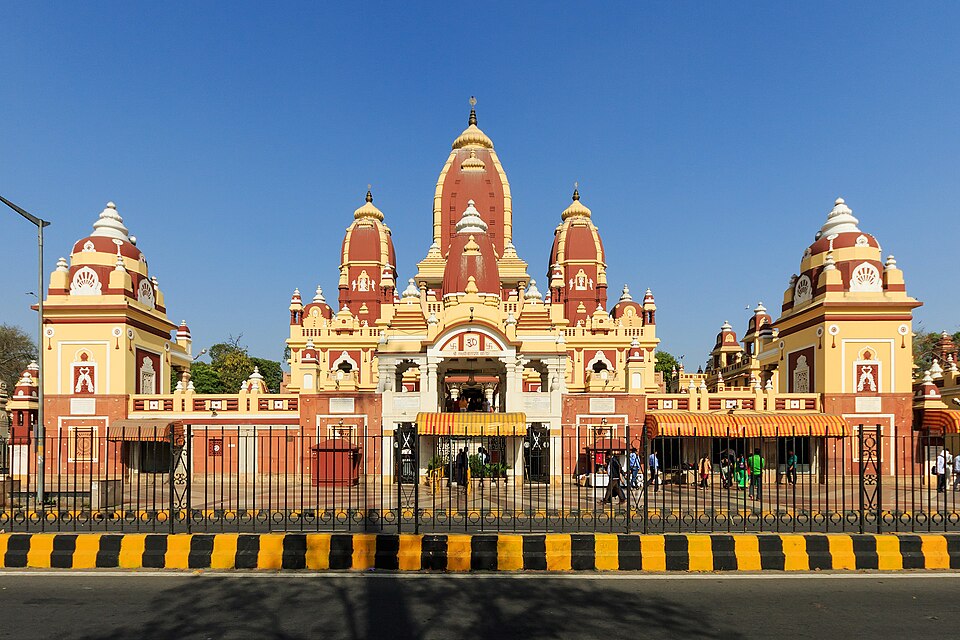
Laxminarayan Temple
Laxminarayan Temple, commonly known as Birla Mandir, is a Hindu temple in New Delhi dedicated to Lakshmi and Vishnu. Built between 1933 and 1939 by industrialist Jugal Kishore B…
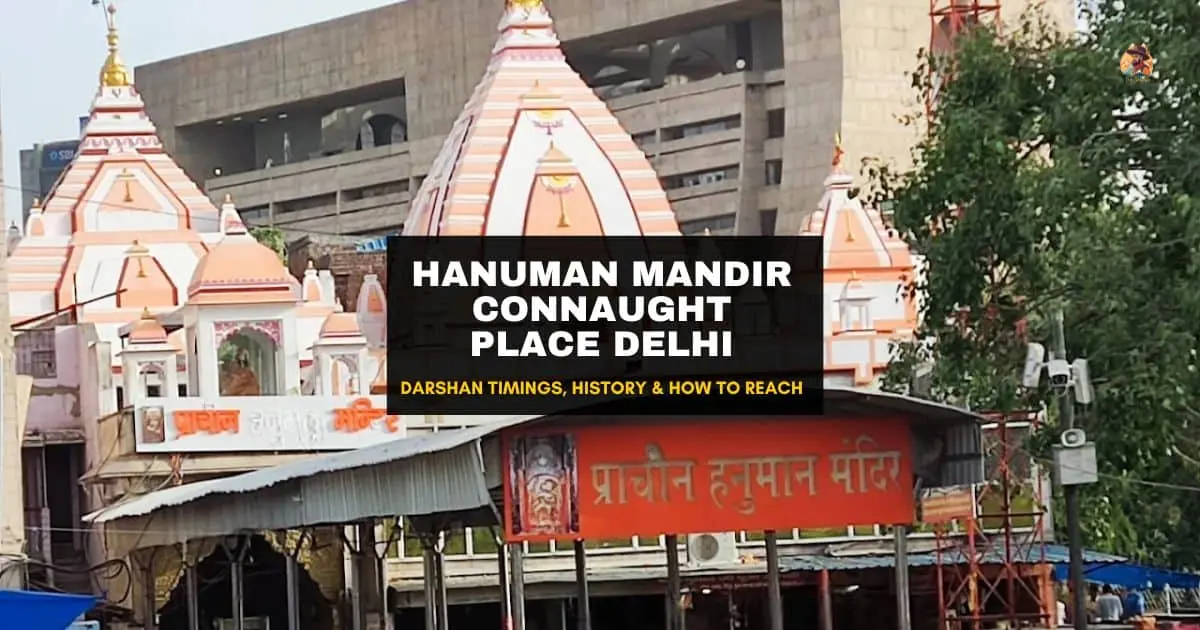
Hanuman Temple, Connaught Place
Hanuman Temple in Connaught Place, New Delhi, is an ancient shrine claimed to date from the Mahabharata era, dedicated to Hanuman and revered for embodying courage, strength, an…
Nili Chhatri Mandir
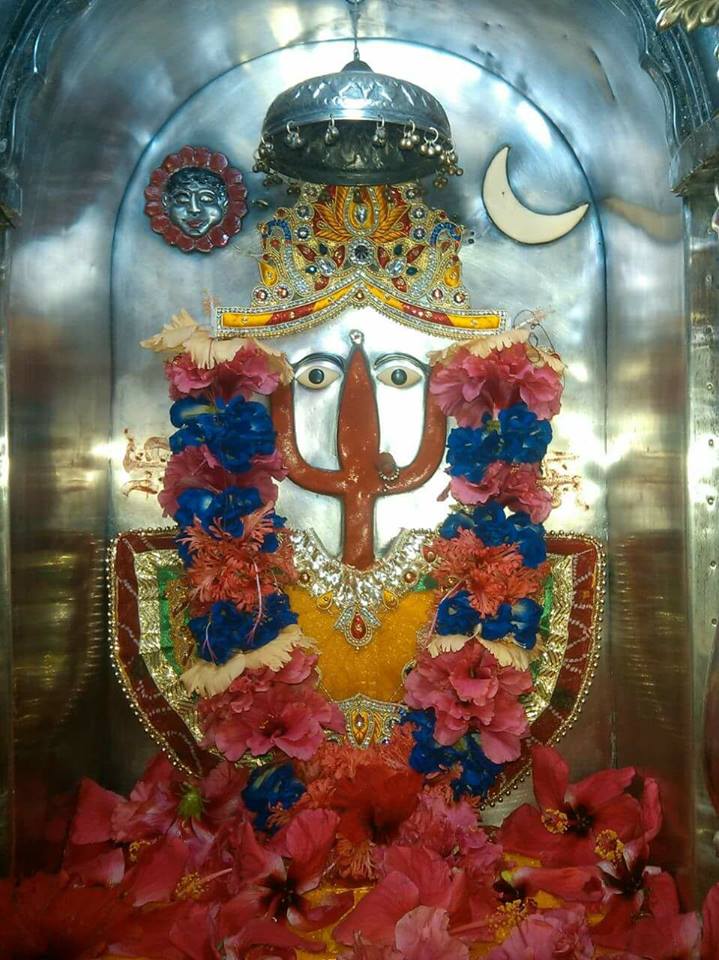
Nili Chhatri Mandir is an ancient Shiva temple located in Old Delhi near Yamuna Bazar, believed to date from the Mahabharata era. The shrine maintains regular darshan hours and…
Kali Mata Mandir
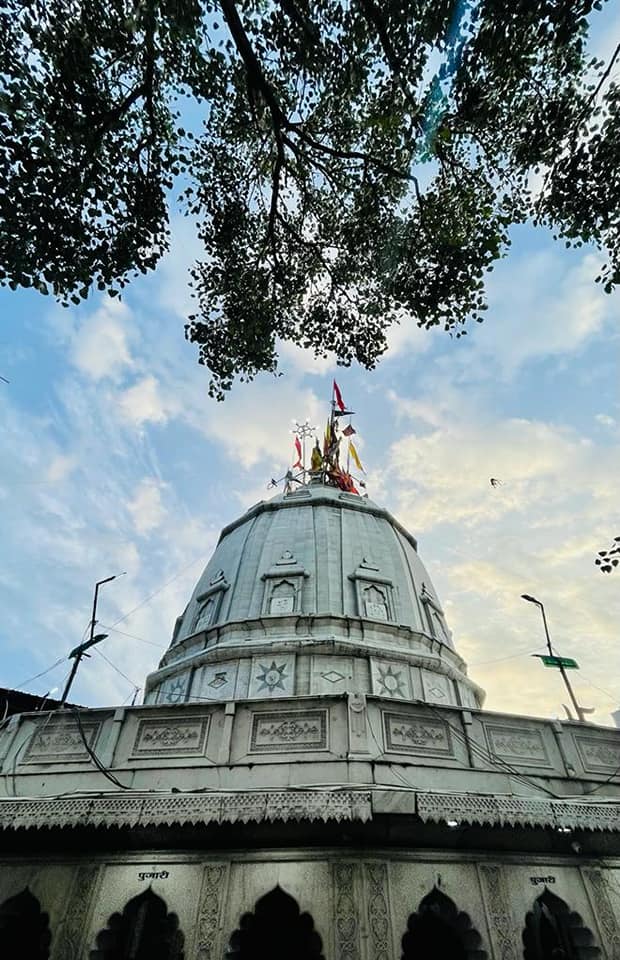
Kali Mata Mandir in South Delhi's Kalkaji area is an ancient temple dedicated to Goddess Kali, believed to date back over 3,000 years. The temple maintains a rigorous daily wors…
Dev Mandir
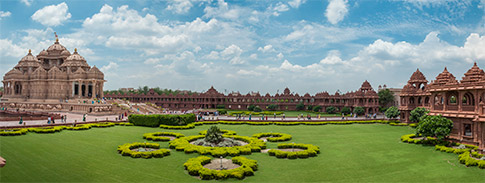
Swaminarayan Akshardham in New Delhi is a sprawling spiritual complex dedicated to Bhagwan Swaminarayan, featuring over two hundred murtis and blending traditional Hindu archite…
Swaminarayan Akshardham
Swaminarayan Akshardham in New Delhi is a sprawling Hindu temple complex dedicated to Bhagwan Swaminarayan, inaugurated in 2005 as a spiritual and cultural campus featuring trad…