Laxminarayan Temple
About Laxminarayan Temple
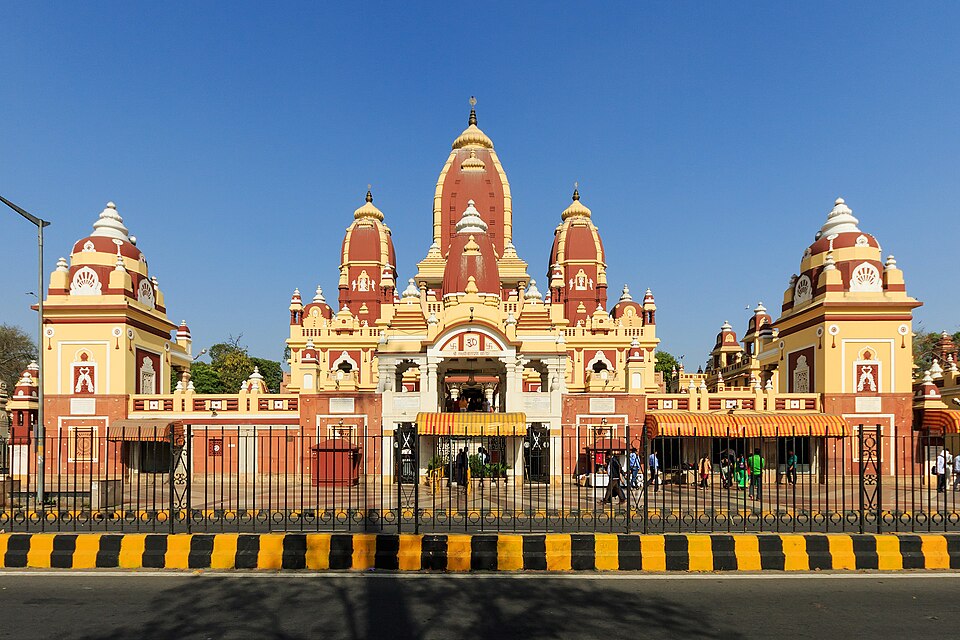
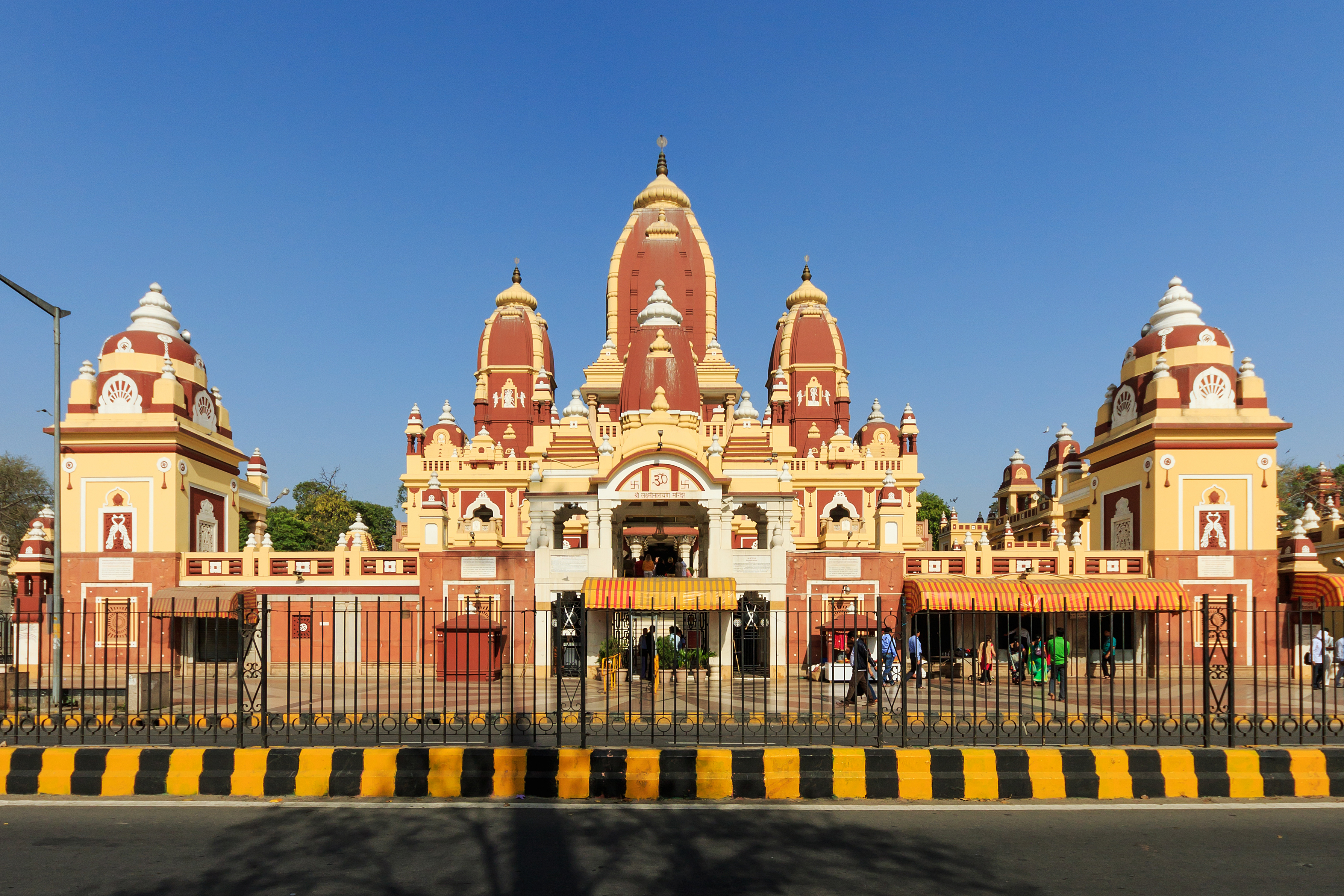
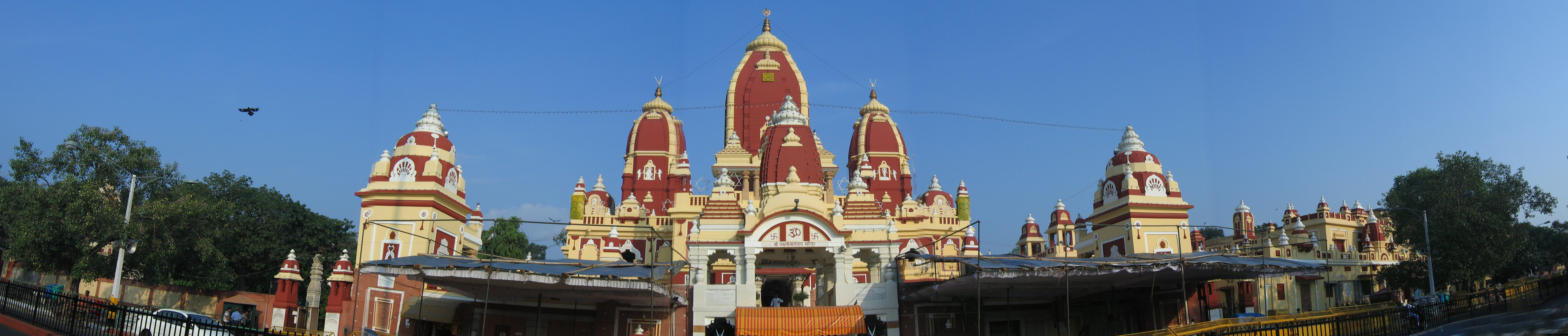
Built between 1933 and 1939 under the patronage of Jugal Kishore Birla, the Laxminarayan Temple emerged during a formative period in India's modern history. Its inauguration by Mahatma Gandhi carried symbolic weight beyond the ceremonial: Gandhi ensured that members of all castes would be permitted entry to the temple, establishing an explicitly inclusive spiritual space. This commitment to caste-inclusive worship was a deliberate statement at a time when such openness was not universal practice. The temple thus stands as both a place of worship and a monument to a particular vision of Hindu spirituality—one that rejected hierarchical restrictions on access to the divine.
Daily Darshan and Worship
The temple opens for darshan from 06:00 to 22:00 daily, though summer schedules adjust these timings to 04:30–13:30 and 14:30–21:00, likely to accommodate the heat. Darshan—the act of viewing and receiving blessings from the deity—forms the core of worship here, as in most Hindu temples. Devotees visit throughout the day to stand before the presiding deities and offer prayers. The rhythm of daily rituals and aarti (the ceremonial waving of lights before the deity) structures the temple's spiritual life, though specific aarti timings are not detailed in available sources. Visitors planning their visit should confirm exact aarti schedules with the temple directly, as these may vary.
The Temple Complex and Shrines
Beyond the main sanctum dedicated to Laxminarayan, the temple complex houses smaller shrines honoring additional deities. Shiva, associated with meditation and transformation; Ganesha, the remover of obstacles; Hanuman, the devoted follower of Rama; and Buddha, the historical founder of Buddhism—all receive dedicated worship spaces within the grounds. This arrangement reflects a broader Hindu approach to spirituality that acknowledges multiple paths and forms of the divine. Visitors moving through the complex will encounter these various shrines, each serving devotees with particular spiritual needs or preferences.
Visiting Information and Practicalities
The Laxminarayan Temple is located in New Delhi at coordinates 28.6327°N, 77.1989°E. Standard temple etiquette applies: visitors should dress modestly and remove footwear before entering the sanctum. The temple's caste-inclusive founding principle means all visitors are welcome regardless of background. Since darshan timings may shift seasonally and festivals may alter regular schedules, it is advisable to confirm current hours before travelling. The temple functions as an active place of worship, so visitors should be respectful of ongoing rituals and the devotional atmosphere. Photography policies are not specified in available sources and should be clarified upon arrival.
Reaching the Temple
The temple's central New Delhi location makes it accessible by various means of transport. Visitors should use the coordinates (28.6327°N, 77.1989°E) with mapping applications to plan their route. Public transport options in Delhi typically include metro, bus, and taxi services; specific transit directions can be obtained through local travel resources. Parking availability near the temple is not detailed in available sources and should be confirmed in advance if arriving by private vehicle.
How to reach
You may also visit
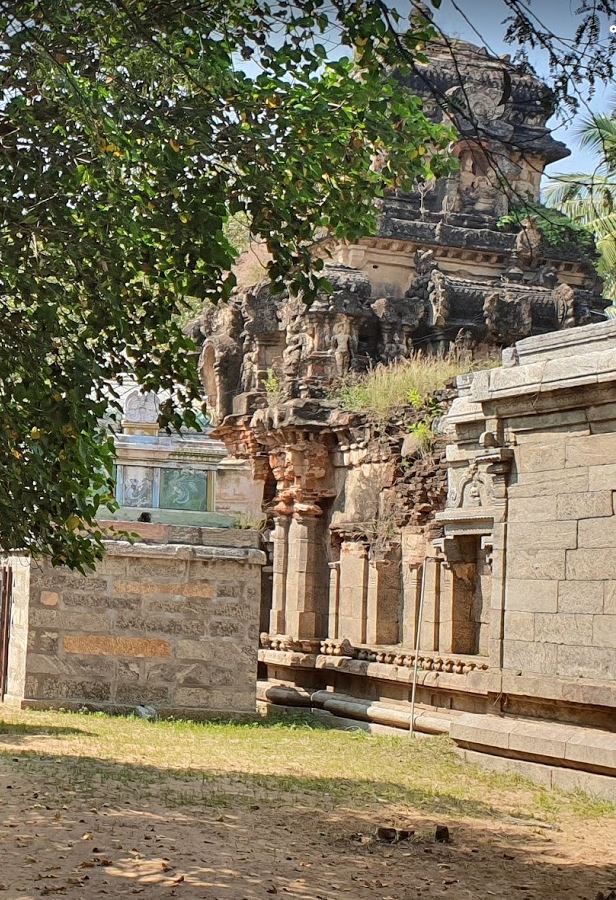
Agatheeswarar Temple, Karur
Agatheeswarar Temple in Thirumukkudalur, Karur district, is an ancient Hindu shrine dedicated to Shiva, situated at the sacred confluence of three rivers and believed to be over 1000 years old.
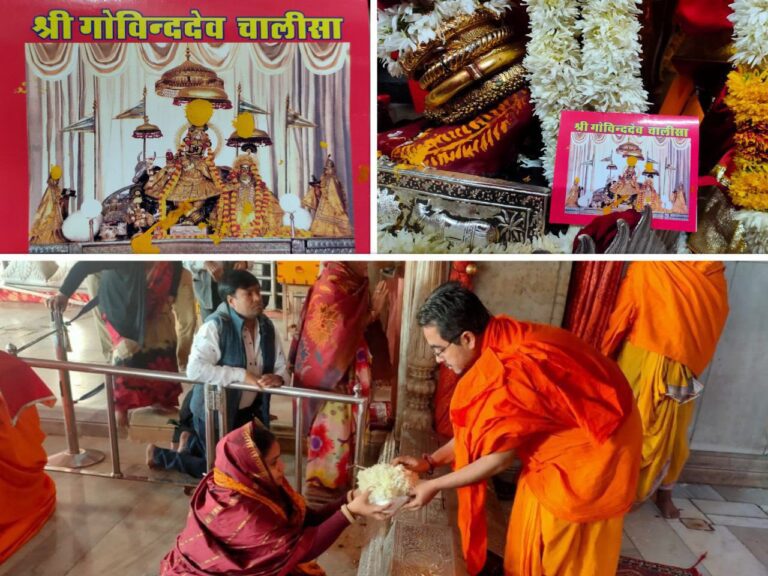
Kalyanji Temple
Kalyanji Temple in Jaipur's Chandpol Bazaar is an ancient Krishna shrine established in the 1820s, renowned for its seven daily aartis and special avatar darshan ceremonies during Akha Teej and Patottsav festivals.
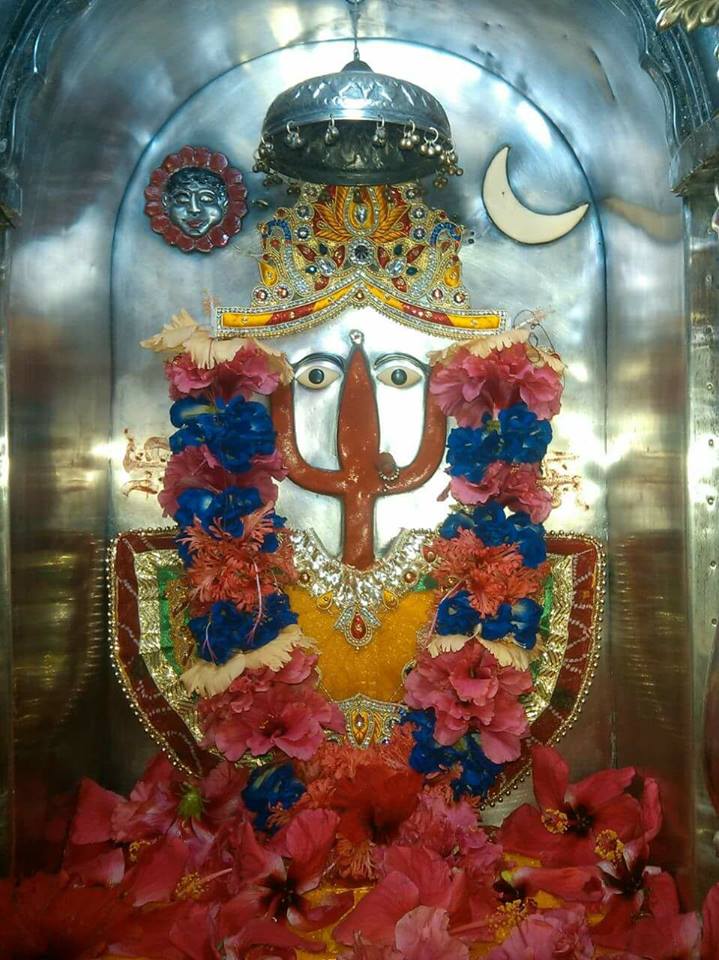
Rani Sati Mandir Mahuda
Rani Sati Mandir in Mahuda, Dhanbad District, is a Hindu temple established in 1992 that serves as a spiritual center for the local community and attracts devotees seeking blessings.