Jal Binayak Temple
About Jal Binayak Temple
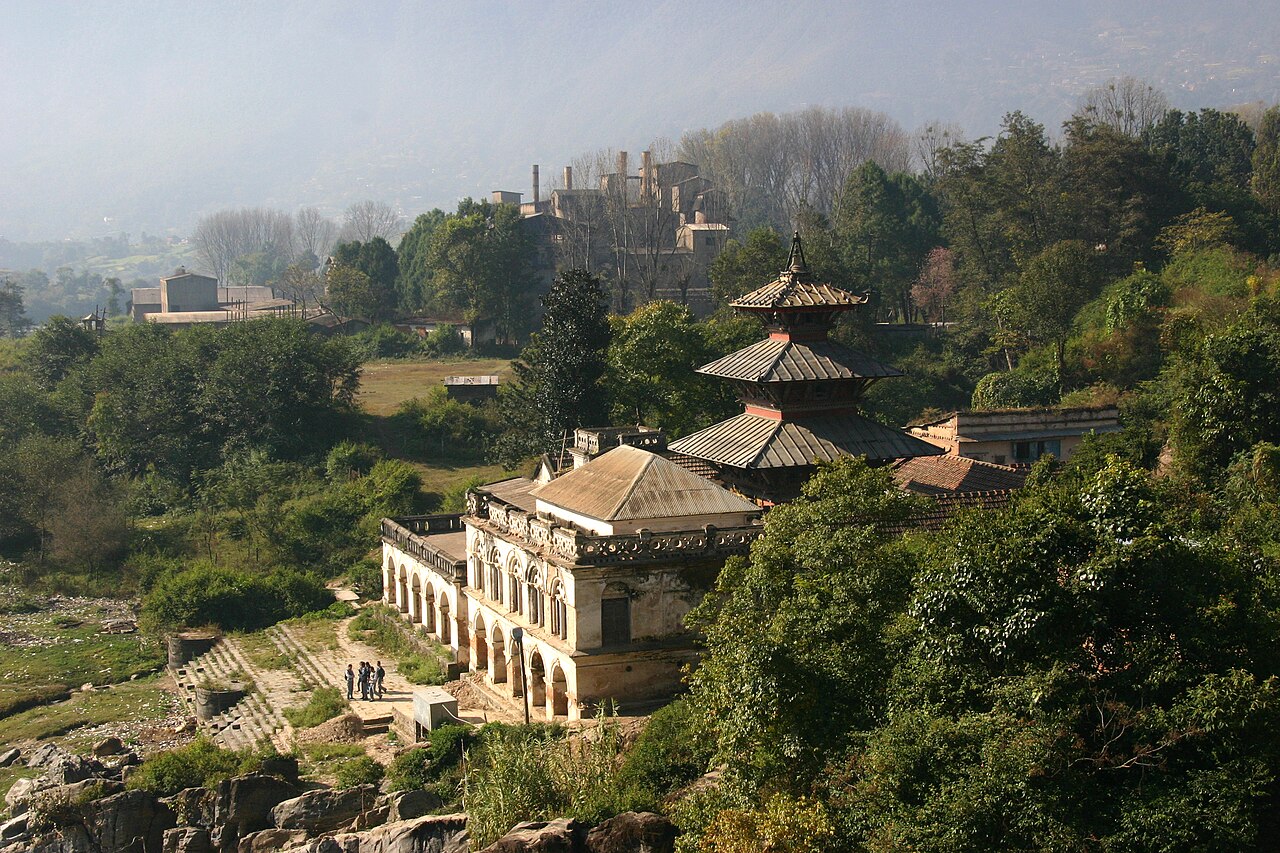
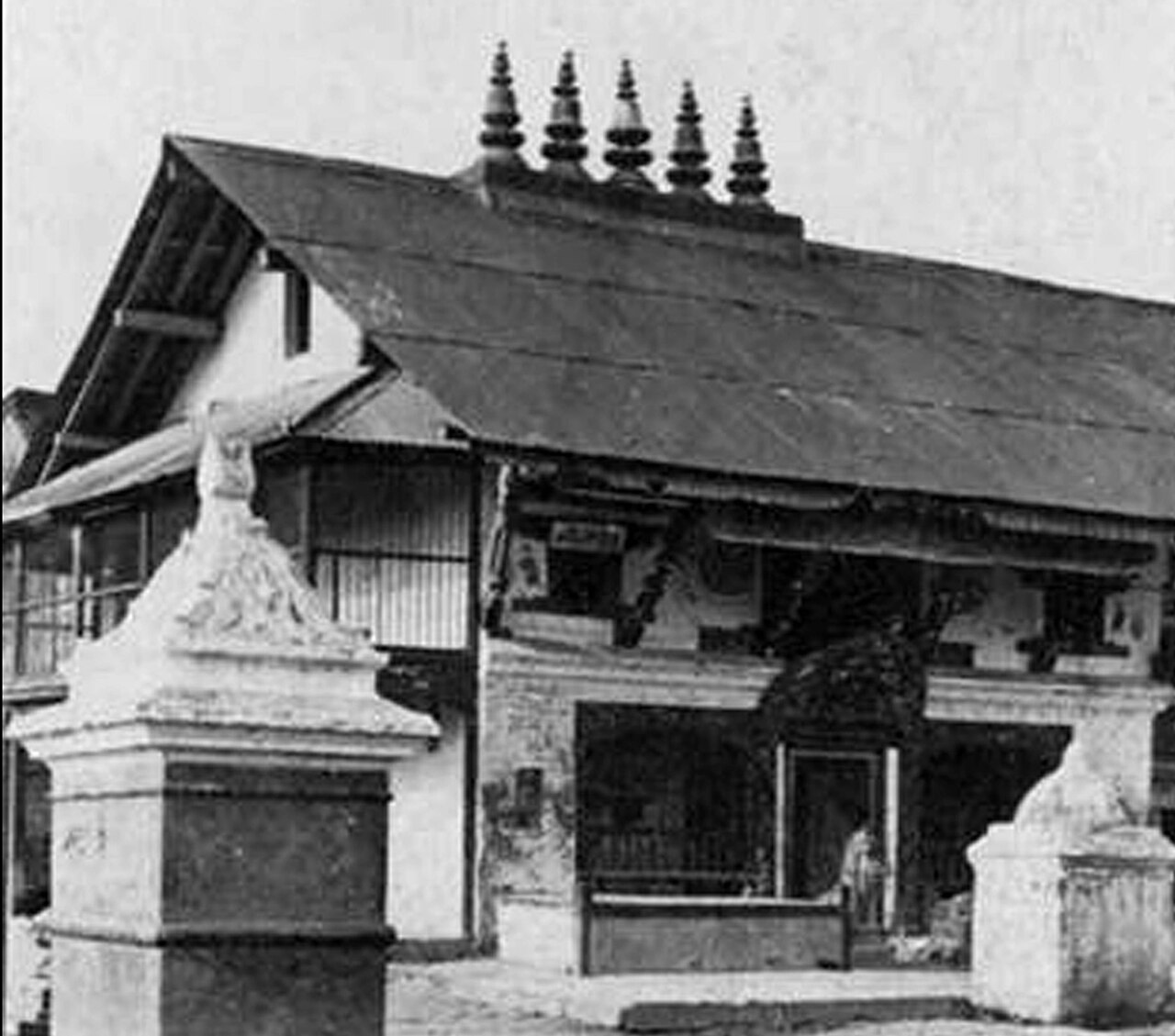
The temple follows the pagoda architectural style characteristic of Kathmandu Valley shrines. This distinctive form, with its tiered roofs and ornamental details, reflects centuries of Nepali Hindu building tradition. The pagoda design serves both aesthetic and functional purposes, creating a visually recognizable sacred space while accommodating the ritual needs of worshippers.
The temple's physical setting in Chobhar positions it within the broader geography of the valley's sacred sites. Visitors approaching the shrine encounter the architectural vocabulary of Nepali temple design, which differs notably from temple styles found in India proper.
Daily Worship and Darshan
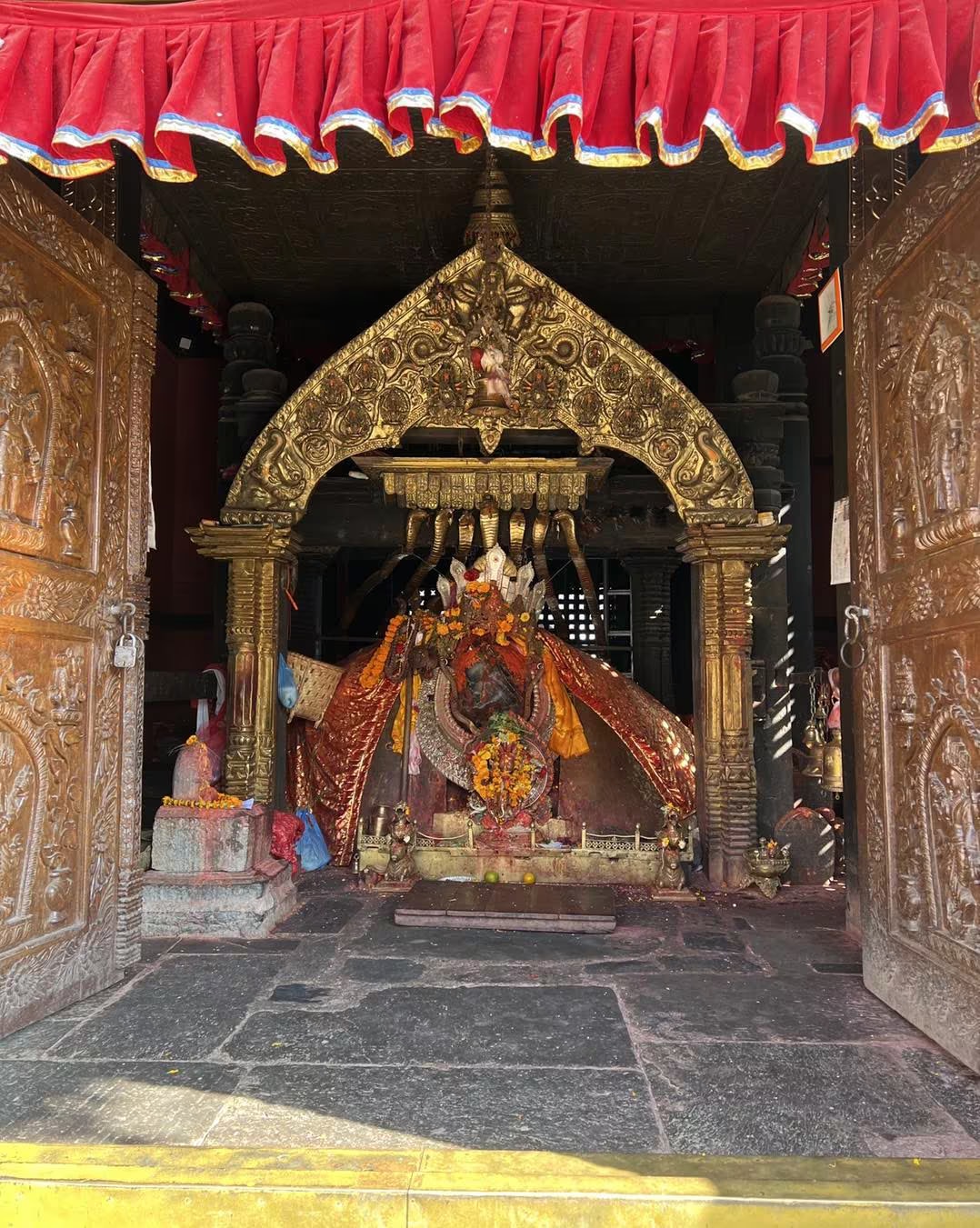
The temple remains open daily for darshan—the practice of viewing and receiving blessings from the deity's image. Specific opening hours vary and should be confirmed locally before visiting, as timings may shift seasonally or on festival days. Temples dedicated to Ganesh typically maintain daily ritual schedules including aarti, the ceremonial worship performed with light, though the precise timing of Jal Binayak's ceremonies requires direct verification with the temple.
Darshan forms the primary mode of worship available to visitors. This involves standing respectfully before the deity's murti (sacred image) to receive its blessings. The practice requires appropriate dress—modest clothing that covers shoulders and knees—and respectful conduct throughout the shrine. Visitors should remove shoes before entering the inner sanctum and maintain silence or speak only in hushed tones. Photography policies vary; it is wise to ask permission before taking images within the temple.
Festivals and Auspicious Times
The temple observes heightened activity during festivals dedicated to Ganesh. Ganesh Chaturthi, Dussehra, and Sharad Navaratri are particularly significant occasions that draw increased numbers of devotees and typically involve special rituals and extended darshan hours. These festival periods carry special spiritual weight within the Hindu calendar and are considered especially auspicious for worship and the seeking of blessings.
Visitors planning to attend during festivals should confirm the temple's schedule in advance, as timings often differ substantially from regular days and crowds may be considerable. Those preferring a quieter, more contemplative experience may find ordinary days outside the festival calendar more suited to intimate worship. The choice between visiting during celebrations or on quieter days depends on whether you seek the collective energy of festival gatherings or a more personal encounter with the shrine.
Visiting Information and Etiquette
Before visiting, confirm current darshan hours directly with the temple, as specific opening times are not fixed and may vary. Plan your visit with flexibility regarding timing. Dress modestly, covering shoulders and knees; remove footwear before entering the inner sanctum. Maintain respectful conduct—speak quietly, avoid pointing at the deity's image, and follow the lead of other worshippers regarding ritual practices.
The temple does not provide accommodation or dining facilities; these should be arranged in Kathmandu or nearby areas. Bring water and any personal medications you may need. If you wish to make an offering or donation, small amounts of money or flowers are customary; inquire at the temple regarding current practices. Women may be subject to certain restrictions during menstruation according to traditional practice; this varies by temple and should be understood before visiting.
Reaching Jal Binayak
The temple is located in Chobhar, Kathmandu District, at coordinates 27.6583°N, 85.2933°E. Chobhar lies within the Kathmandu Valley and is accessible from central Kathmandu by local transport. Taxis and shared vehicles operate throughout the valley; confirm directions and current travel conditions locally, as road conditions and transport availability may change. The journey from Kathmandu city center typically takes under an hour depending on traffic and your starting point.
How to reach
Temples near Jal Binayak Temple
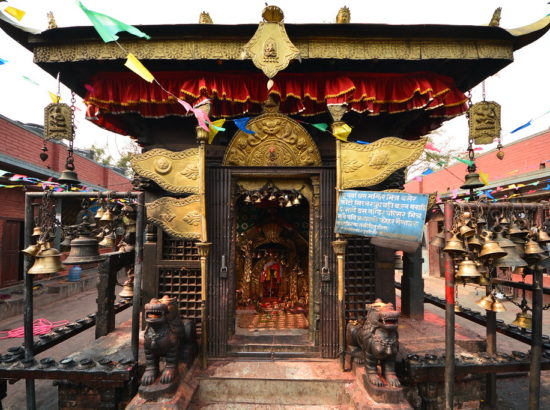
Karya Binayak Temple
Karya Binayak Temple is a Hindu shrine dedicated to Lord Ganesh located in Lalitpur District, approximately 10 kilometres south of Kathmandu. Devotees worship here before beginn…
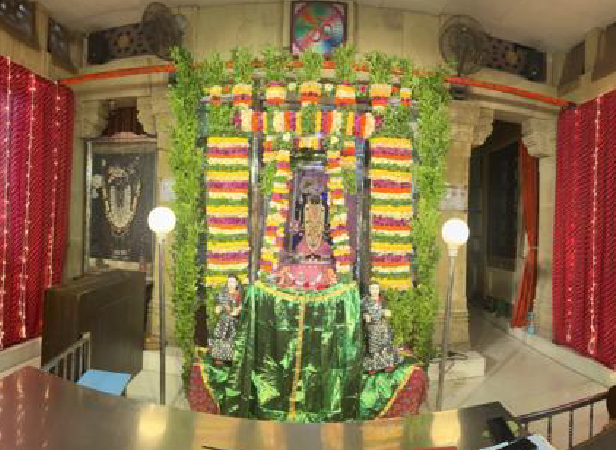
Krishna Mandir
Shree Dwarkadhishji Mandir in Mumbai is a historic Hindu temple dedicated to Lord Krishna, worshipped as Dwarkadhish ('King of Dwarka'), standing for over 150 years as a promine…

Kumbheshwar Temple
Kumbheshwar Temple is one of Patan's oldest Hindu temples, a five-story structure built in the 14th century by King Jayasthiti Malla and dedicated to Shiva, distinguished by its…
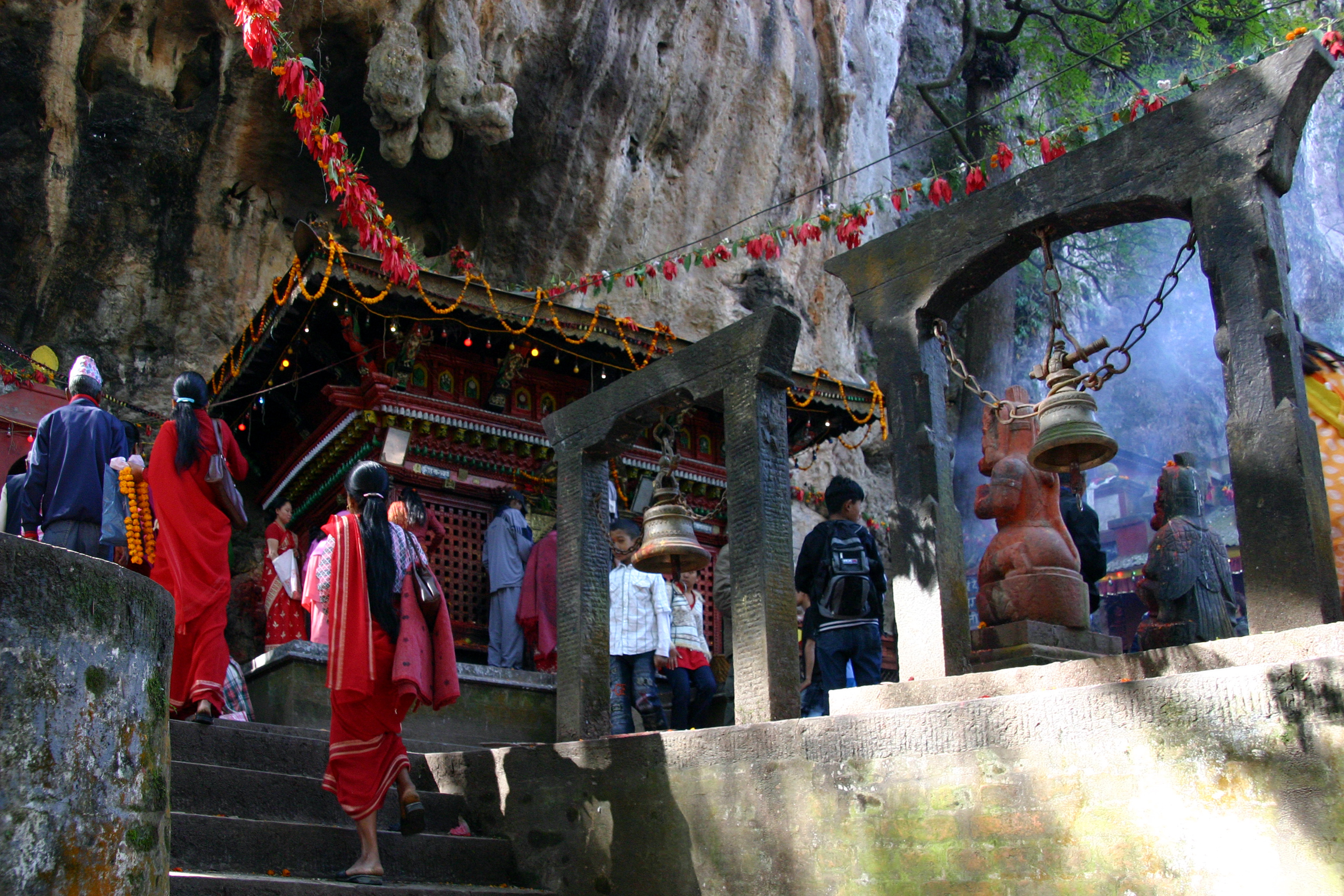
Sheshnarayan Temple
Sheshnarayan Temple is an ancient Hindu temple complex located near Pharping in the Kathmandu Valley, approximately 20 kilometers southwest of Kathmandu, Nepal.
Balkumari temple
Balkumari Temple in Lalitpur District, Nepal, is a mysterious 17th-century Newari pagoda shrine dedicated to Goddess Balkumari, a form of the Astamatrikas, distinguished by its…
Sankata Temple
The Saṃkaṭā Temple at Te Bahal in Kathmandu is a sacred shrine where Buddhists worship Palah: Dya to ward off misfortune and illness, particularly on Saturdays, while also vener…