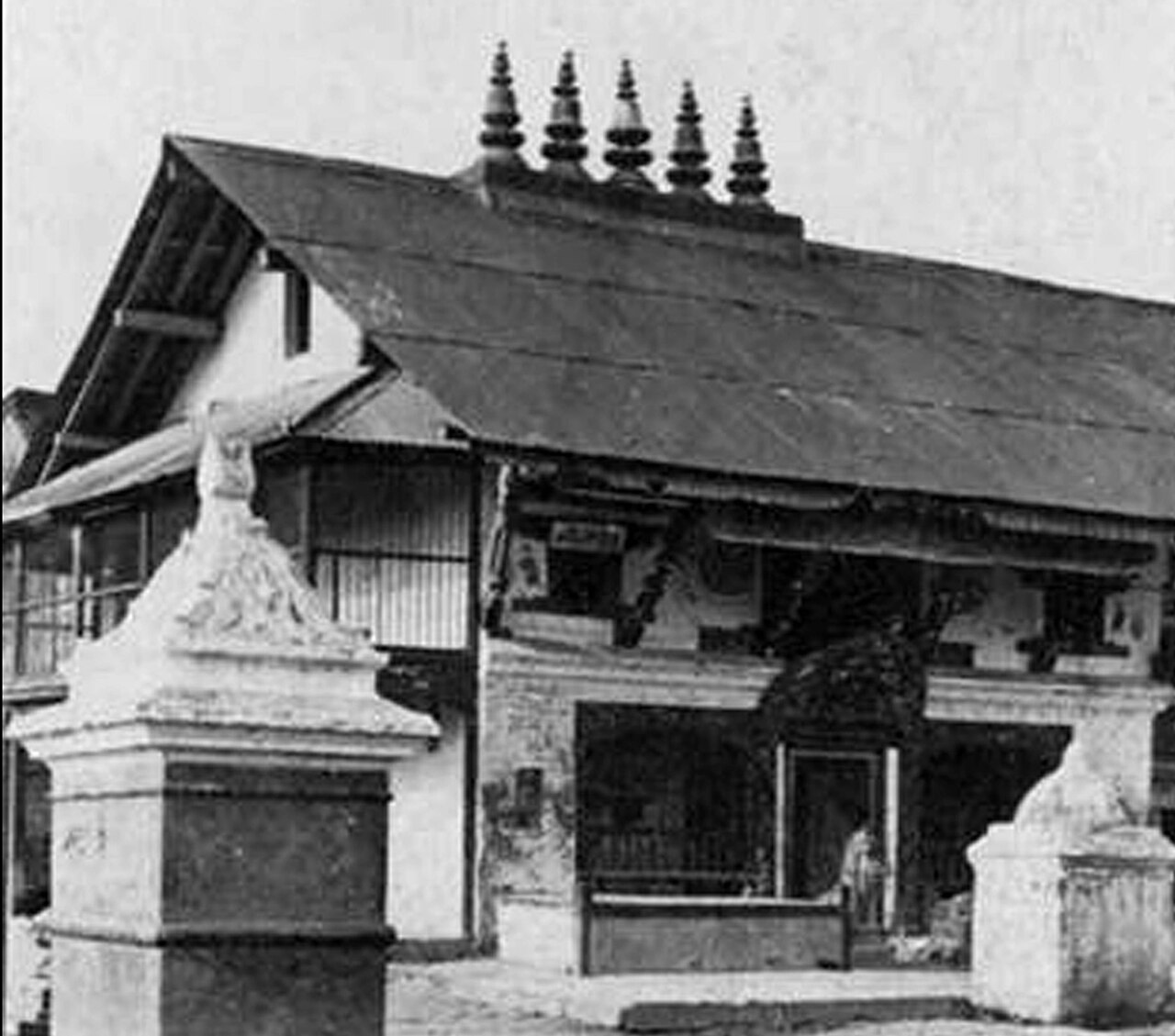
Sankata Temple
About Sankata Temple
Saturday holds particular importance at Sankata Temple. Buddhists gather on this day in notable numbers to worship Palah Dya and seek blessings to ward off bad luck and sickness. The concentration of devotees on Saturdays reflects a widespread practice in Buddhist temples where certain days are associated with specific deities or spiritual purposes. If you wish to experience the temple during its busiest and most spiritually significant time, Saturday is the day to visit.
Location and Access
The temple is situated within Te Bahal, a historic courtyard area in Kathmandu. The coordinates 27.70238056, 85.31215 mark its precise location for those using GPS navigation. Te Bahal itself is an established neighbourhood within the city, making the temple accessible to visitors already exploring Kathmandu's Buddhist heritage sites. The temple's position within this traditional area means it can often be visited as part of a broader exploration of the locality's religious and cultural landmarks.
What to Expect During Your Visit
Sankata Temple operates as an active place of worship rather than a museum. Visitors should approach with respect for ongoing religious practice and the devotees who come to seek blessings. The atmosphere, particularly on Saturdays, reflects genuine spiritual engagement rather than tourism infrastructure. Modest dress is appropriate when visiting Buddhist temples; loose-fitting clothing that covers shoulders and knees is customary. Shoes are typically removed before entering the inner sanctum, following Buddhist temple etiquette.
As a functioning shrine, the temple may have limited formal visitor facilities. There are no recorded details about specific opening hours, parking, or amenities such as refreshment areas. It is advisable to visit during daylight hours and to check locally for any current access information before your visit. Photography policies are not documented; it is respectful to ask permission before photographing the shrine or worshippers.
Etiquette and Respectful Visiting
When visiting Sankata Temple, remember that you are entering a space where Buddhists come to worship and seek spiritual aid. Maintain quiet and composed behaviour within the temple grounds. Avoid pointing at or photographing worshippers without permission. If you are not Buddhist, your presence as an observer is generally welcomed, but participation in rituals should follow the guidance of temple staff or senior worshippers present.
Offerings of flowers, incense, or small donations are common practices at Buddhist temples and are often appreciated. However, check with temple attendants about appropriate offerings and where to place them. Handle any religious objects or texts with care and respect.
Planning Your Visit
The best time to visit is Saturday, when the temple experiences heightened spiritual activity and larger gatherings of devotees. This day offers the fullest sense of the temple's significance within the local Buddhist community. However, the temple likely welcomes visitors on other days as well, though with fewer worshippers present.
Allow time to explore Te Bahal itself, which contains other temples and traditional architecture. The area is walkable and offers insight into Kathmandu's layered religious landscape. Combine your visit with nearby sites if you are spending a full day in the neighbourhood. Bring water and wear comfortable walking shoes, as Kathmandu's streets can be uneven. The temple's exact opening hours are not documented, so arriving in the morning or early afternoon provides the safest window for access.
How to reach
Temples near Sankata Temple

Naradevi Temple
Naradevi Temple, also known as Swetakaali Temple, is a Hindu tantric shrine in historic Kathmandu dedicated to the goddess Sweta Kali, believed to embody powerful female energy…
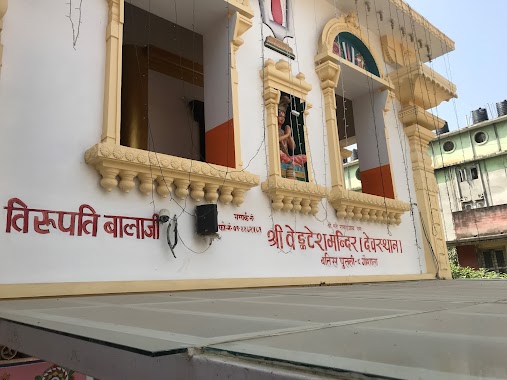
Venkatesh Mandir, Kathmandu
Venkatesh Mandir in Kathmandu is a Hindu temple dedicated to Lord Venkateswara (Tirupati Balaji), modeled after the famous Tirupati temple in India. The temple serves the local…

Kumbheshwar Temple
Kumbheshwar Temple is one of Patan's oldest Hindu temples, a five-story structure built in the 14th century by King Jayasthiti Malla and dedicated to Shiva, distinguished by its…
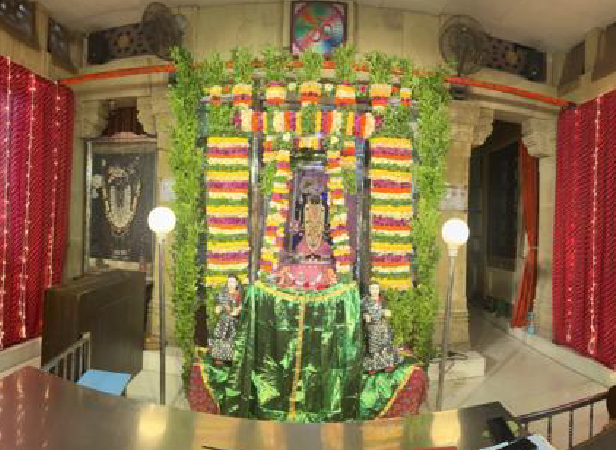
Krishna Mandir
Shree Dwarkadhishji Mandir in Mumbai is a historic Hindu temple dedicated to Lord Krishna, worshipped as Dwarkadhish ('King of Dwarka'), standing for over 150 years as a promine…
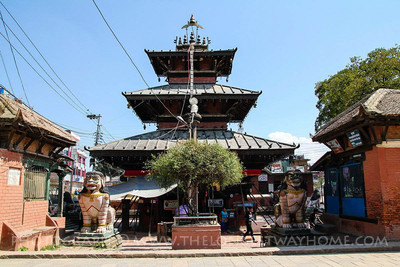
Balkumari temple
Balkumari Temple in Lalitpur District, Nepal, is a mysterious 17th-century Newari pagoda shrine dedicated to Goddess Balkumari, a form of the Astamatrikas, distinguished by its…
Jal Binayak Temple
Jal Binayak Temple is a sacred Hindu shrine dedicated to Lord Ganesh located in Chobhar, Kathmandu Valley, Nepal. It stands as one of the four principal Ganesh temples of the va…