Iringol Kavu Temple
About Iringol Kavu Temple
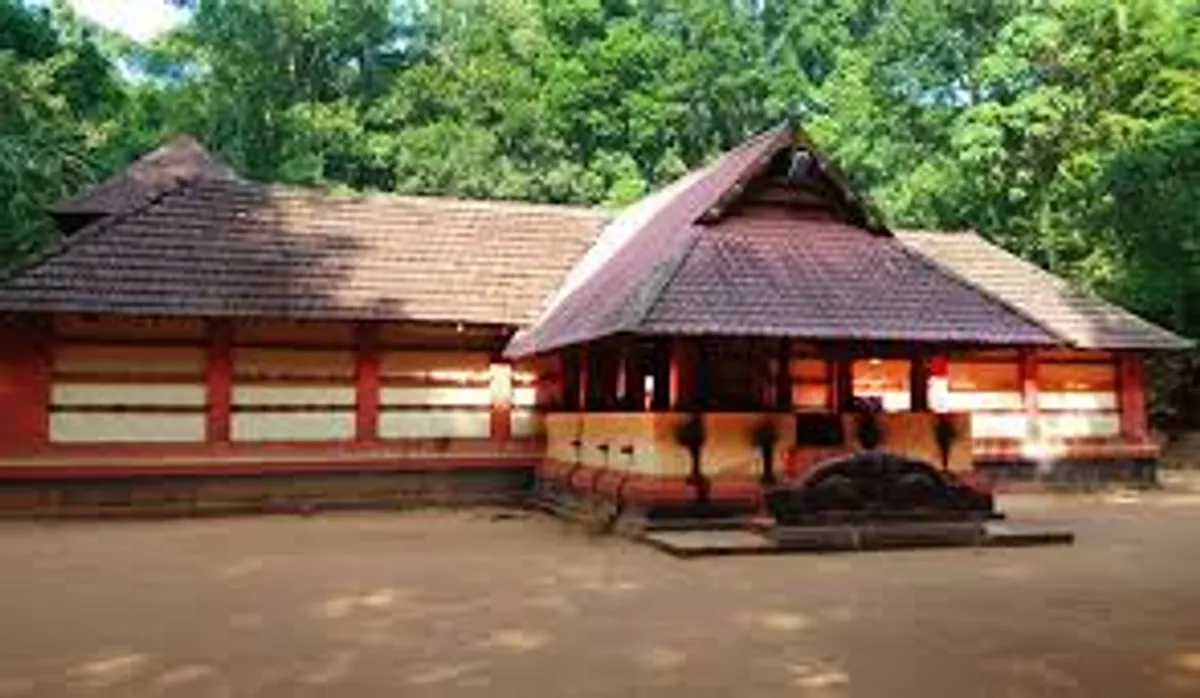
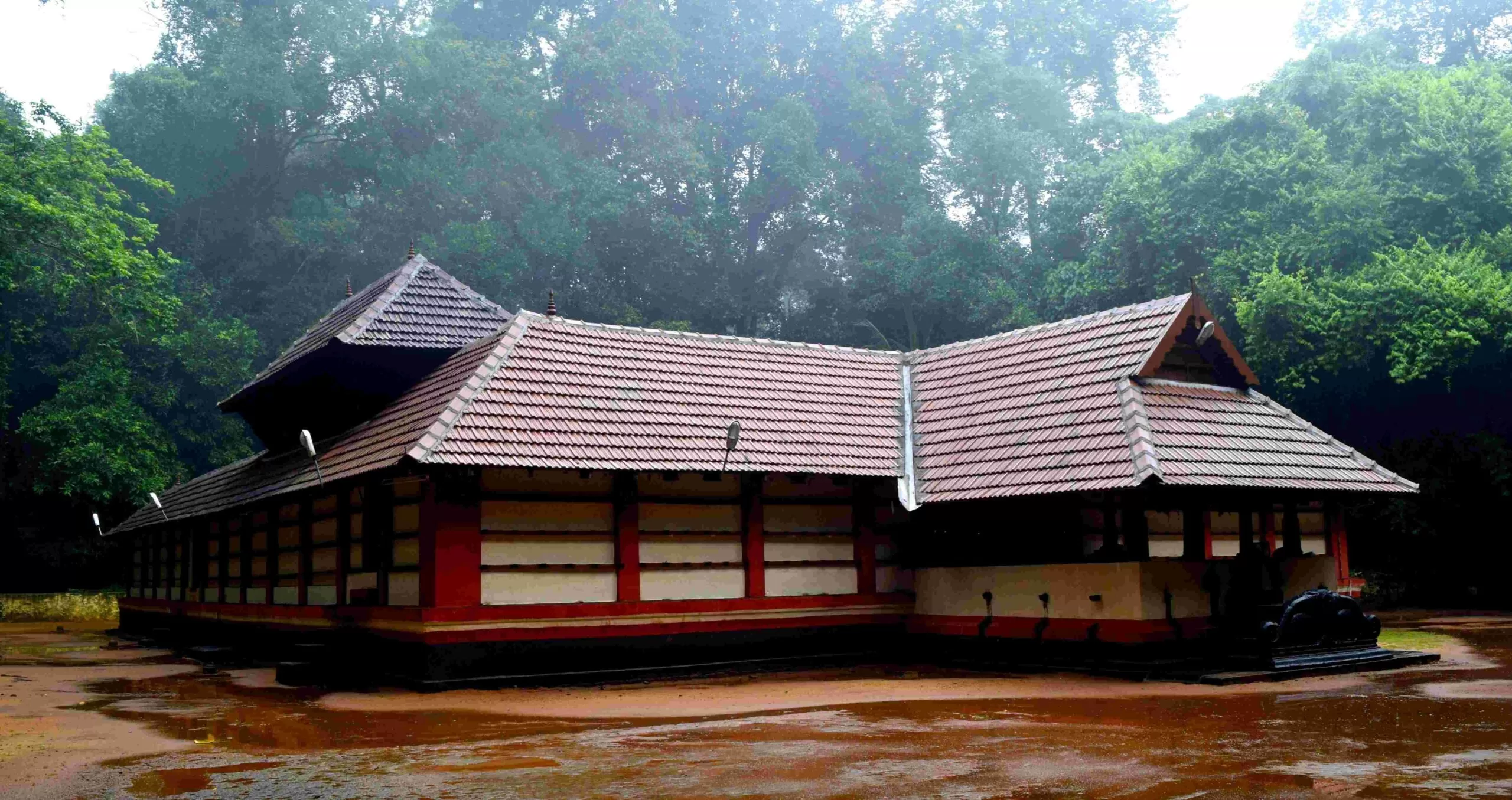
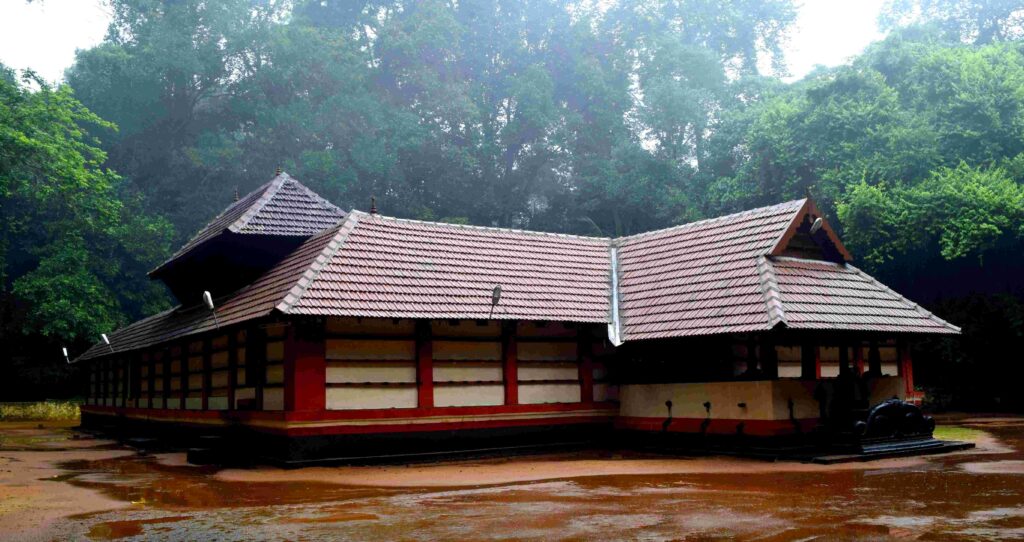
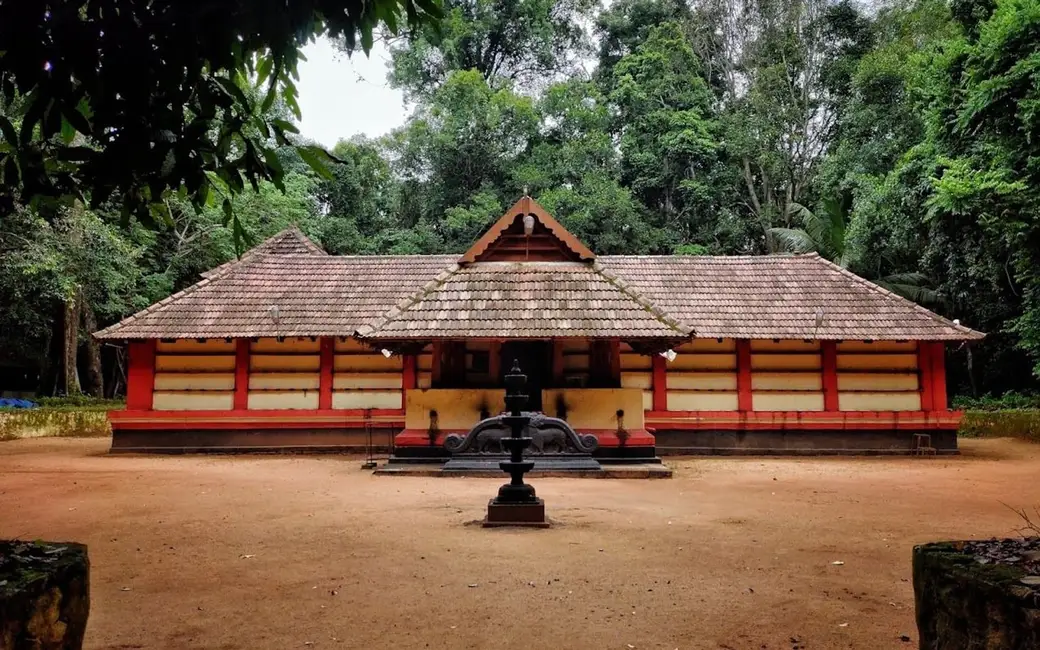
The temple reflects Kerala's distinctive architectural traditions, though the sources do not detail specific structural elements. What visitors encounter instead is the interplay between built shrine and natural forest. Dense trees overhang the approaches, and low-hanging creepers create a canopy that filters light and sound. A walkway strewn with dry leaves leads inward, while narrow paths crisscross the premises.
The most-frequented route, marked by steps, is advisable for visitors unfamiliar with the terrain. The forest setting is not incidental to the temple's character but central to it—the towering trees and vegetation are understood by devotees as integral to the sacred landscape rather than mere surroundings.
Daily Worship and Darshan
The temple opens at 5:00 AM for morning worship, closing at 11:00 AM. Evening rituals begin at 5:00 PM and conclude at 8:00 PM. Darshan is free for all devotees. The temple conducts a range of ritual offerings, including Muttarukkal (coconut breaking), Poomoodal (flower offerings), and various pudding offerings such as Neypayasam and Kadumpayasam. Rituals are performed in both Sanskrit and Malayalam.
During major festivals, the temple provides free annadanam (communal meal) and distributes prasadam including kumkum, holy water, and payasam to devotees.
Festivals and Sacred Observances
The temple observes several significant festivals throughout the year. Iringole Pooram falls in March or April, while Thrikarthika is celebrated in November or December. An annual Punaprathishta Day is also observed. These festival periods are considered particularly auspicious times to visit, when the temple's spiritual atmosphere intensifies and community participation is high.
Visiting Information: Dress, Conduct, and Practicalities
Visitors are expected to observe a traditional dress code. Men should wear a mundu (dhoti) without a shirt or upper garment when entering the sanctum; modern trousers and jeans are discouraged. Women should wear a saree, salwar kameez, or skirt and top; revealing or casual Western clothing is not permitted. These requirements reflect the temple's character as an active place of worship rather than a tourist attraction.
Photography is restricted. Professional cameras and videography are prohibited entirely. Only minimal mobile phone snapshots are permitted, and these should not be taken within the sanctum. The forest terrain limits wheelchair accessibility. Informal parking is available near the entrance, though vehicles must remain outside the core grove area.
The temple requests that visitors treat the space with honour and respect. A quiet atmosphere pervades the surroundings, and the site is not positioned as a tourist destination but as a living sacred space for devotees.
Best Times to Visit
Early morning hours between 5:00 and 8:00 AM offer the most tranquil experience. The winter months from November to February provide pleasant weather for the forest walk. Festival seasons bring heightened spiritual energy and community participation, though these periods will also draw larger crowds.
How to Reach
The temple lies approximately 35 kilometres from Ernakulam. From Perumbavoor town, which is well-connected via Main Central Road and Aluva-Munnar Road, visitors can take a local bus towards Kothamangalam or Kuruppampady, alighting at the post office or temple stop. Auto-rickshaws are readily available from Perumbavoor bus stand. From the drop-off point, a 500-metre walk along Iringole Temple Road through the sacred grove leads to the temple entrance.
For those arriving by rail, Aluva station is 18 kilometres away, Angamaly (for Kalady) is 20 kilometres distant, and Ernakulam Junction is 35 kilometres away. Kochi International Airport is 16 kilometres from the temple. Mid-range hotels and residencies are available 1.5 to 3 kilometres away in Perumbavoor town. For further information, contact the temple at +91 93888 69608.
How to reach
Temples near Iringol Kavu Temple
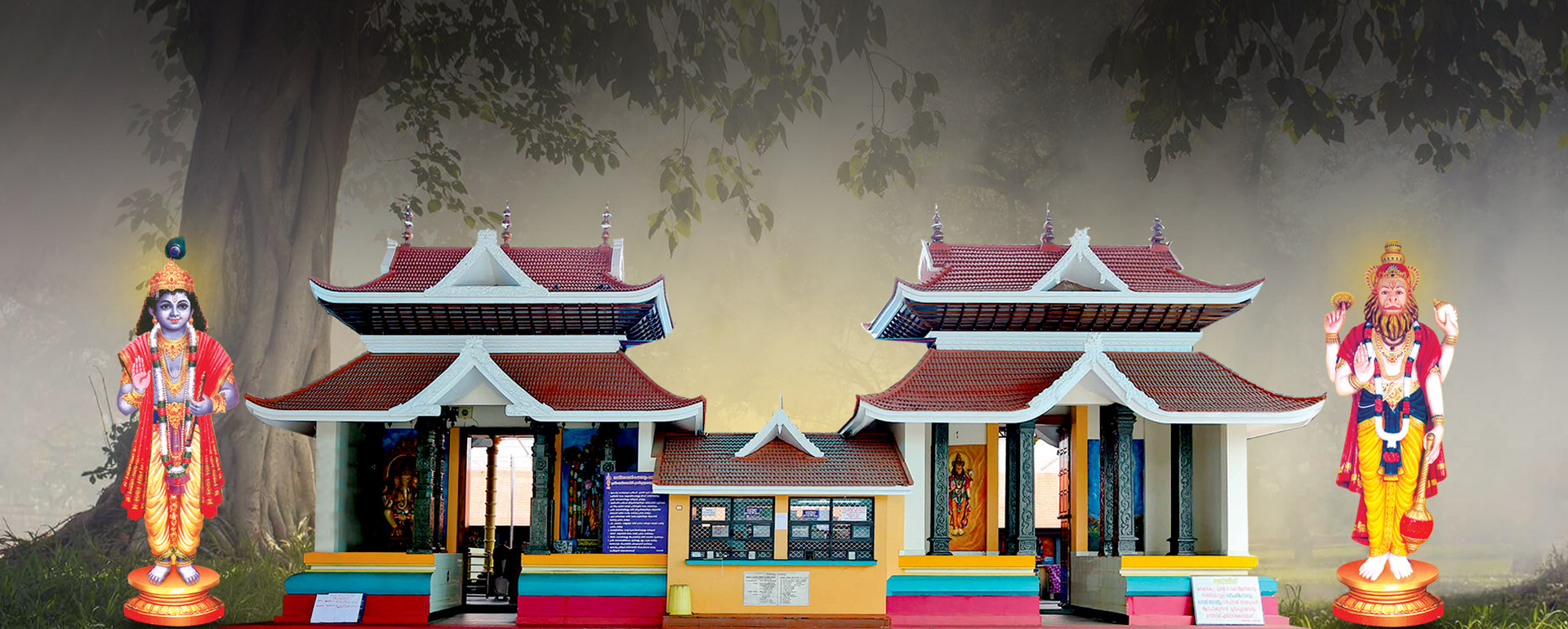
Chelamattom Shree Krishna Swami Temple
Chelamattom Sree Krishna Swami Temple, revered as Dakshina Kasi, is a Hindu shrine on the banks of the Periyar River in Kerala's Ernakulam district. The temple houses Lord Krish…
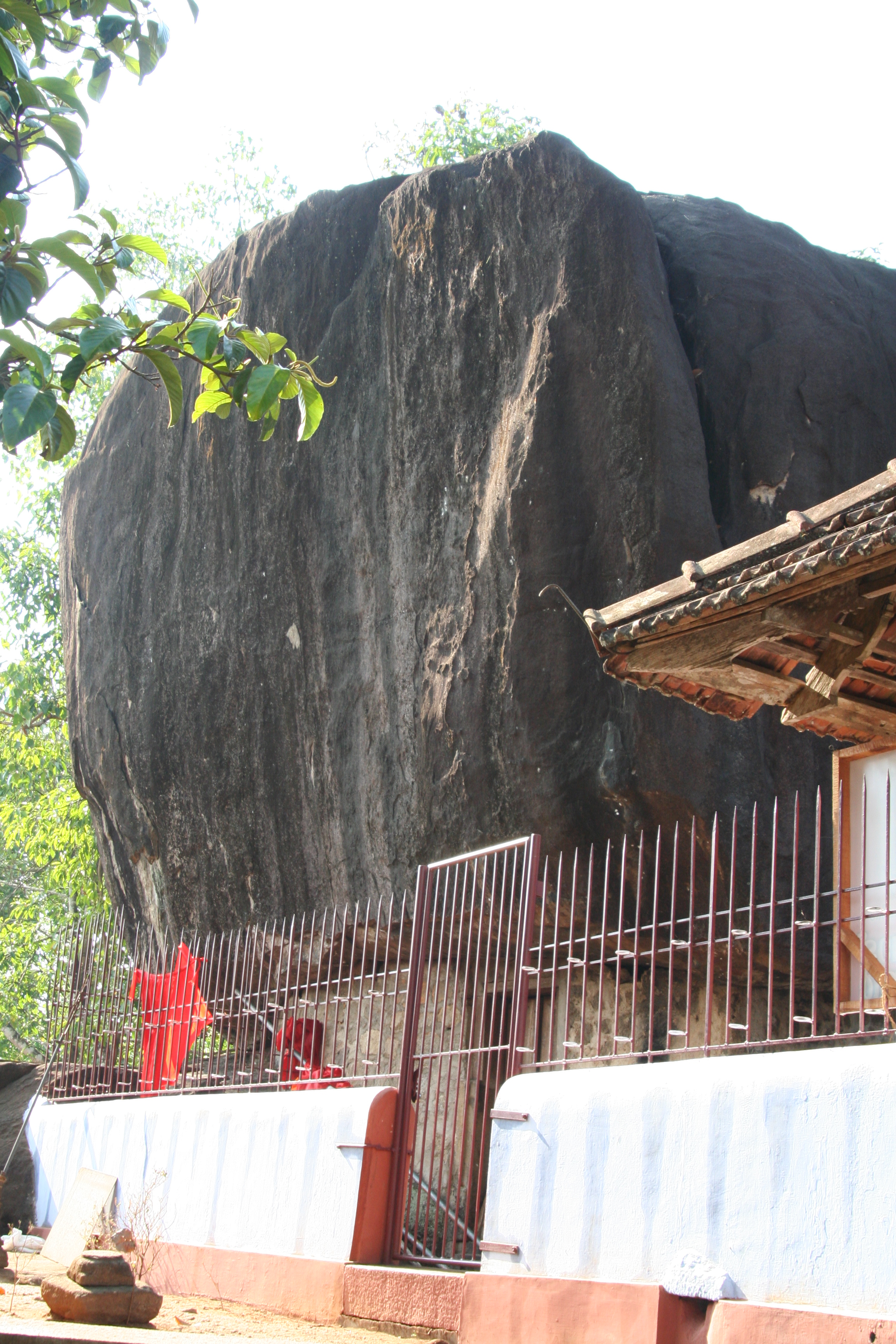
Kallil Temple
Kallil Temple is an ancient Hindu-Jain sanctuary in Kerala, situated 8 km from Perumbavoor in Ernakulam district. Dedicated to Goddess Bhagavati, it stands as one of Kerala's mo…
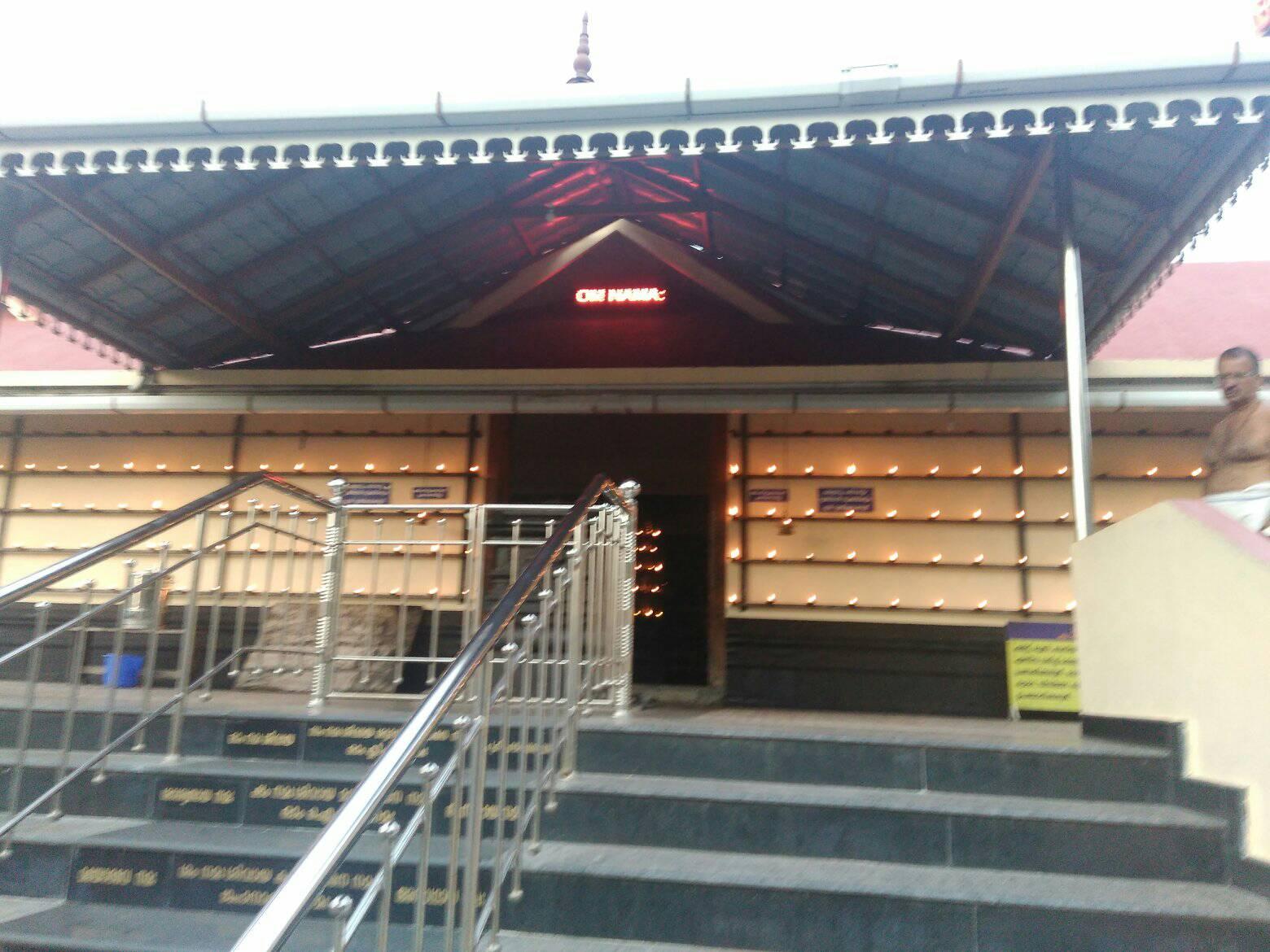
Keezhtali Mahadeva Temple
Keezhtali Mahadeva Temple is an ancient Shiva shrine in Thrissur, Kerala, believed to be one of 108 temples established by Parashurama. It houses one of Kerala's largest Shivali…
Thiruvairanikkulam Mahadeva Temple
Thiruvairanikkulam Mahadeva Temple is a renowned Shiva-Parvati shrine in Kerala where the deities face opposite directions—an unusual feature. The temple is particularly celebra…
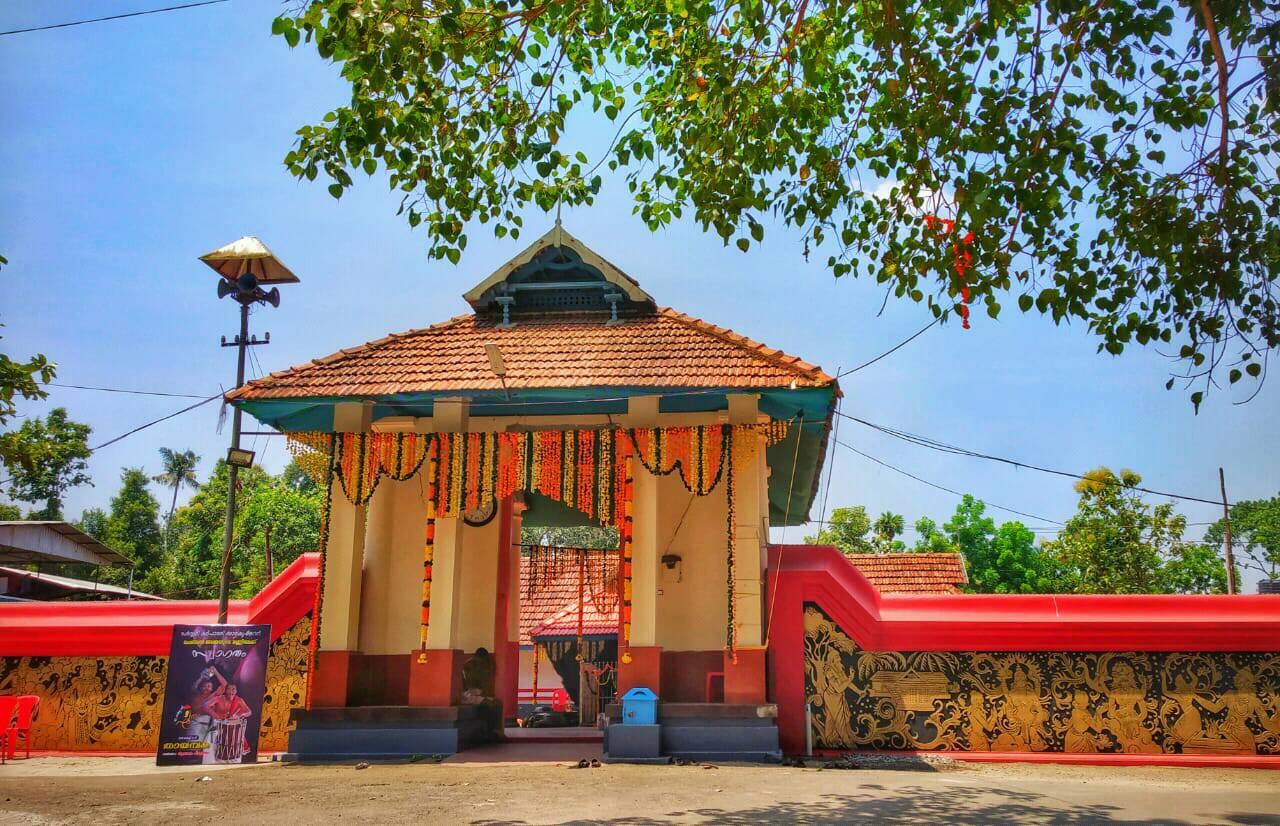
Chengal Bhagavathi Temple
Chengal Bhagavathi Temple in Kalady, Ernakulam, is a revered shrine dedicated to Goddess Durga, one of 108 temples consecrated by Parasurama. The temple draws devotees of all fa…
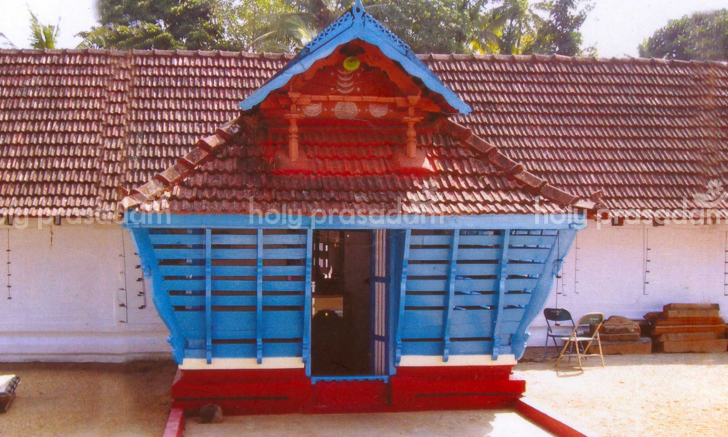
Karppillikkavu Sree Mahadeva Temple
Karppillikkavu Sree Mahadeva Temple in Manjapra, Ernakulam, is dedicated to Shiva in the form of Kirathamoorthy (the hunter), with the unique feature that the deity faces westwa…