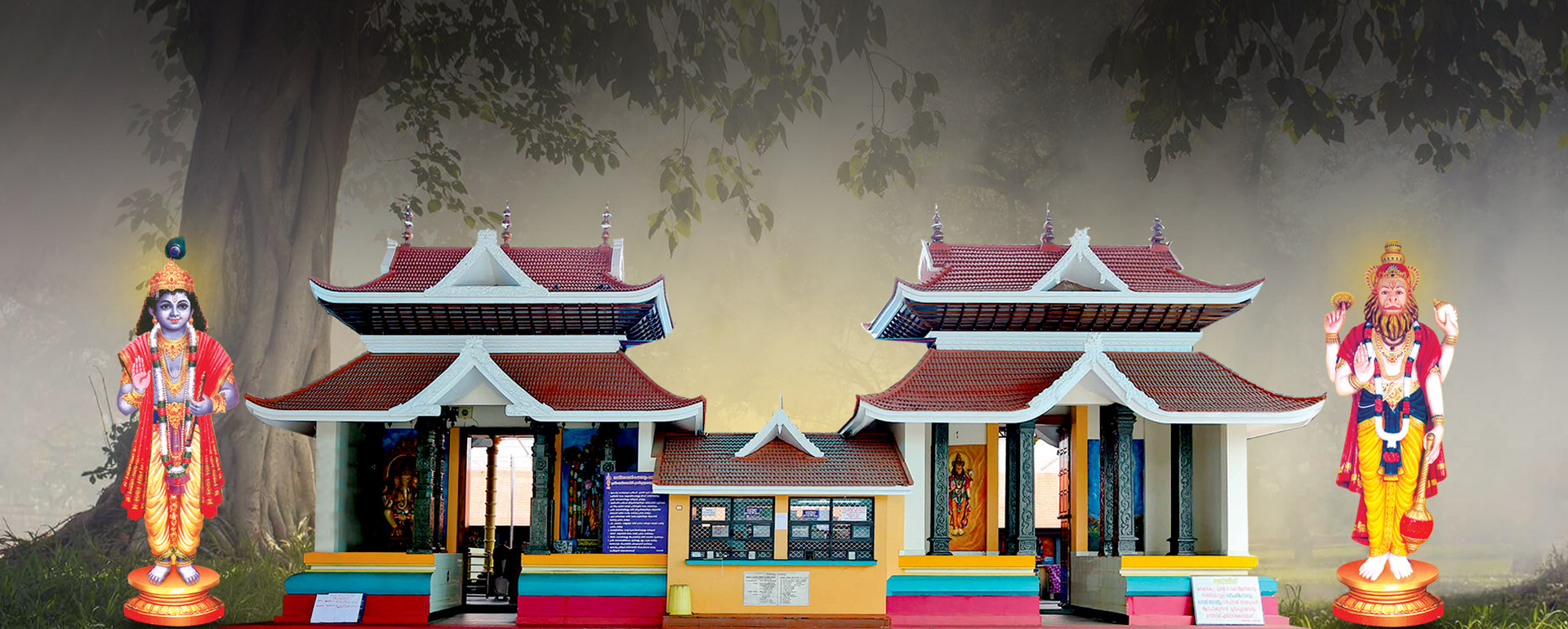
Chelamattom Shree Krishna Swami Temple
About Chelamattom Shree Krishna Swami Temple
The temple's origins are traced through a sequence of divine manifestations. According to local tradition, a simple shrine dedicated to Lord Vamana was established first on the north-east side of the present temple complex. This was followed by the installation of Lord Narasimha, who served as the household deity of Thottamattam Mana. Lord Krishna's arrival completed this triad of avatars at the site. While specific dates for these developments are not recorded in available sources, the layered history suggests a temple that accumulated sacred significance over time rather than emerging fully formed.
The Periyar River, which flows from west to east at this location, forms an integral part of the temple's geography and likely its ritual significance. The river's presence connects the temple to Kerala's broader sacred landscape, where water bodies have long held spiritual importance in Hindu practice.
Festivals and Observances
The temple's ritual calendar is anchored by two major festivals. Vavu Namaskaram, observed during the Malayalam month of Karkkidakam (July–August), stands as the most significant celebration at this temple. This festival is particular to southern Kerala temples and centres on ancestral veneration through ritual offerings. The observance includes namaskaram (ritual salutations), tilahavanam (offerings involving sesame), and various ancestral rites conducted over the course of a day. This festival reflects the temple's primary function as a site for honouring the deceased.
The annual Thiruvotsavam takes place in February and follows a different character. In 2026, the festival begins with the hoisting of the temple flag on 9 February and continues through 16 February, incorporating processions and ceremonial programmes throughout the week-long celebration. Beyond these two major festivals, the temple facilitates ancestral rites and offerings throughout the year, allowing devotees to conduct shraddha and other memorial observances according to their family calendars.
Worship, Offerings, and Facilities
The temple enables devotees to arrange multiple forms of worship and offerings, with many services available for online booking. Common offerings include annadaan (food donations), oil lamps, flower garlands, and payasam (sweet preparations). The temple also conducts regular worship services with various puja options tailored to different devotional needs and budgets. This accessibility to online booking reflects an effort to accommodate both local worshippers and those visiting from a distance.
Accommodation is available at the Vrindavan Guest House situated near the temple, which provides both air-conditioned and non-air-conditioned rooms for visiting devotees. Bookings for the guest house can be arranged by calling 8086053636. This facility makes it feasible for pilgrims to spend extended time at the temple, particularly during major festivals or when conducting ancestral rites that may require multiple visits.
Visiting the Temple
The temple is located in Chelamattom village, approximately one kilometre from the main Kalady–Perumbavoor road. The precise coordinates are 10.138650831883°N, 76.454257190882°E. The best times to visit are July–August for Vavu Namaskaram and February for Thiruvotsavam, though the temple welcomes devotees throughout the year for regular worship and ancestral observances. Visitors planning to conduct specific rituals or make substantial offerings should contact the temple in advance to arrange details and book services.
As with most Hindu temples in Kerala, visitors should dress modestly and remove footwear before entering the sanctum. Those unfamiliar with the temple's particular practices regarding ancestral rites or festival protocols may wish to seek guidance from temple staff upon arrival.
How to reach
You may also visit
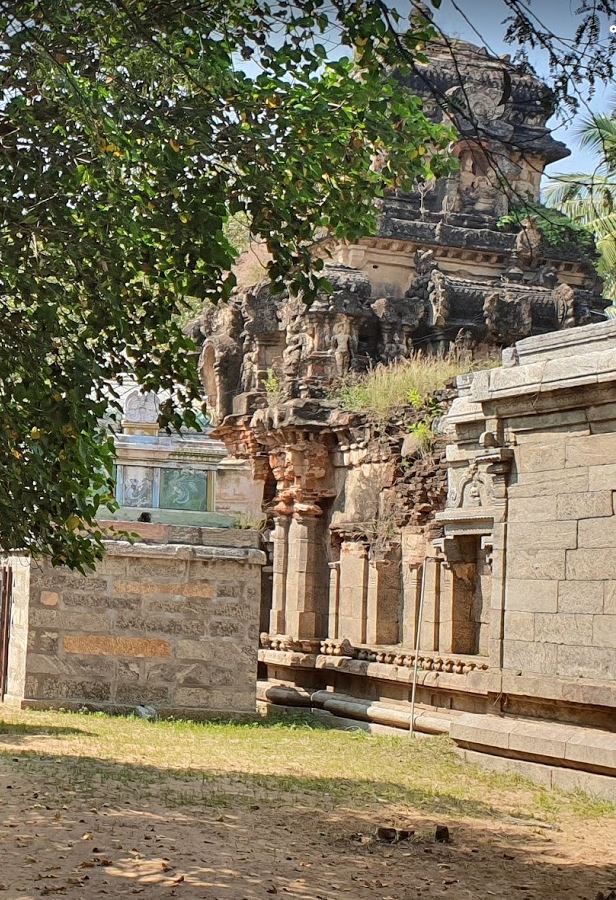
Agatheeswarar Temple, Karur
Agatheeswarar Temple in Thirumukkudalur, Karur district, is an ancient Hindu shrine dedicated to Shiva, situated at the sacred confluence of three rivers and believed to be over 1000 years old.
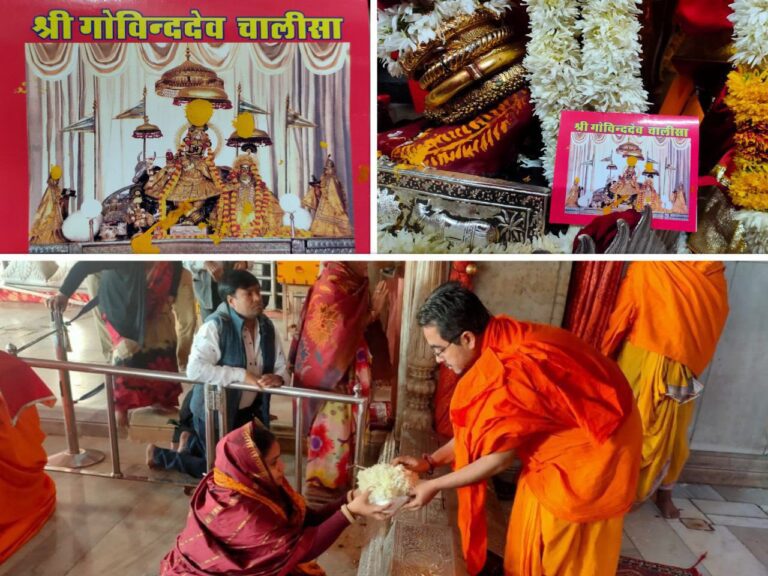
Kalyanji Temple
Kalyanji Temple in Jaipur's Chandpol Bazaar is an ancient Krishna shrine established in the 1820s, renowned for its seven daily aartis and special avatar darshan ceremonies during Akha Teej and Patottsav festivals.
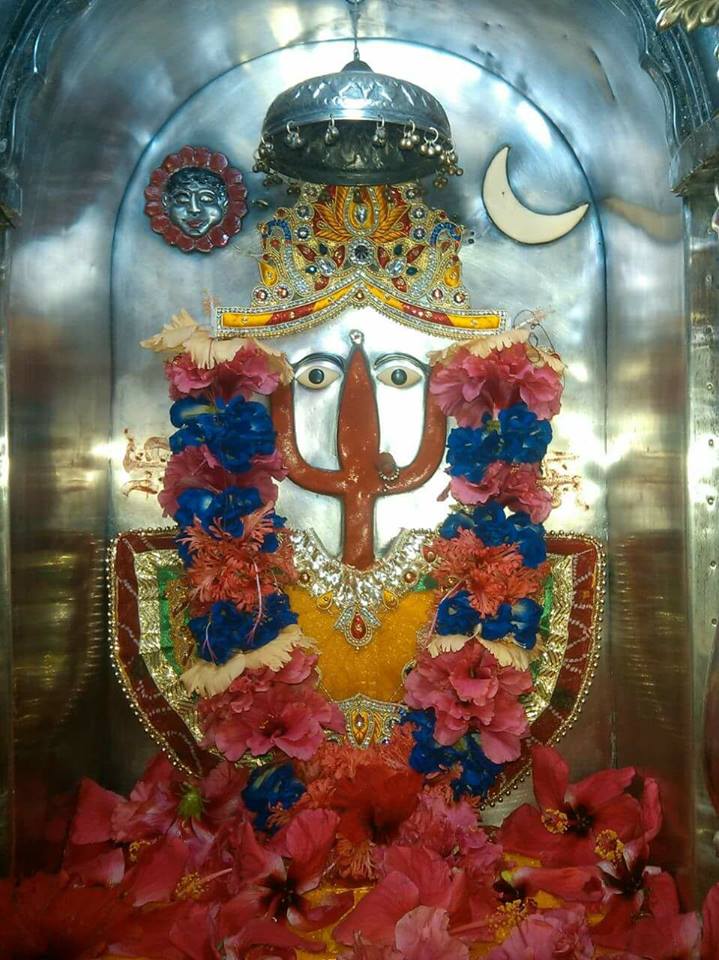
Rani Sati Mandir Mahuda
Rani Sati Mandir in Mahuda, Dhanbad District, is a Hindu temple established in 1992 that serves as a spiritual center for the local community and attracts devotees seeking blessings.