Gudhiyari Shiv temple, Kesharpal Chhattisgarh
About Gudhiyari Shiv temple, Kesharpal Chhattisgarh
The temple was constructed during the 13th century CE, a period of active temple building across central India. An inscription discovered in Nagari script at the site bears the name of Jayasimha, a Kakatiya ruler, and is now preserved in the Archaeological Museum at Jagdalpur. This inscription provides evidence of royal patronage and the temple's significance during the medieval period. The Kakatiya dynasty's involvement suggests the temple held importance beyond purely local devotion, reflecting broader patterns of religious patronage in the region during this era.
What Remains Today
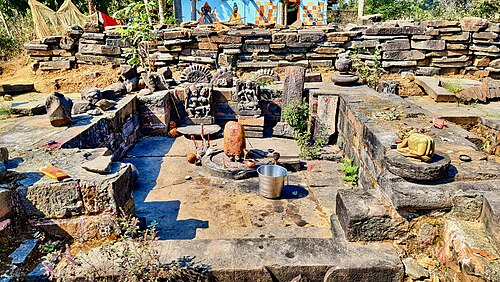
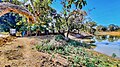
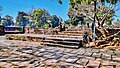
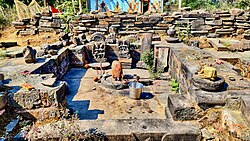
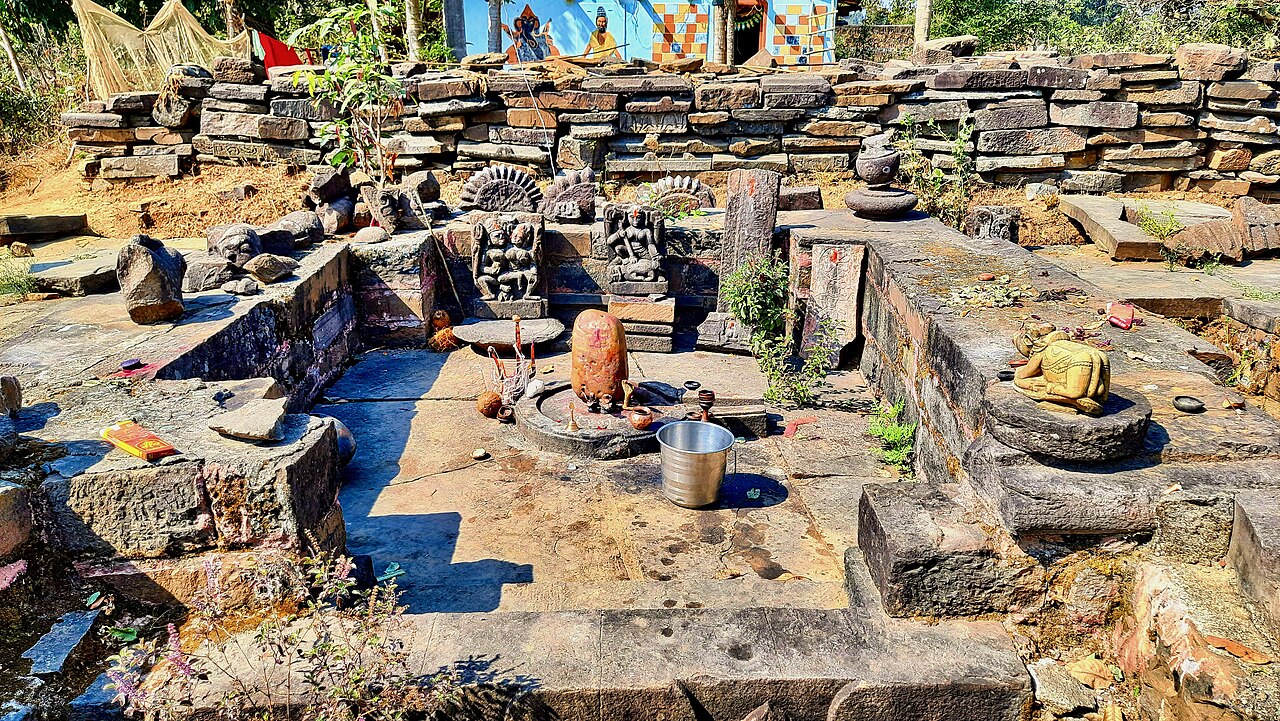
The temple now exists as ruins, with the remains of the ancient Shiva shrine visible on the pond's banks. Within the temple premises, images of Ganesha and Uma Mahesvara (Shiva with his consort Parvati) can be found. Broken idols and architectural fragments are scattered throughout the site, offering glimpses into the temple's original form and decoration. The Archaeological Survey of India has designated the temple as a protected monument, ensuring its preservation for future generations. Visitors should expect to encounter an archaeological site rather than an actively maintained shrine with regular worship facilities.
Visiting the Temple
The temple is situated approximately 10 kilometres from Besoli, accessible via the Raipur to Jagdalpur Road (NH 30). From major nearby towns, distances are: 23 kilometres from Bastar, 44 kilometres from both Kondagaon and Jagdalpur Airport, 45 kilometres from Jagdalpur town, and 48 kilometres from Jagdalpur Railway Station. Raipur, the state capital, lies 264 kilometres away. Visitors should plan their journey with these distances in mind, as the site is in a rural area without extensive tourist infrastructure. The nearest significant town with accommodation and services is Jagdalpur.
Practical Considerations for Visitors
As an ASI-protected archaeological site, the temple may have restricted access hours or require permissions for visits. Visitors should check with the Archaeological Survey of India or local authorities in Bastar District before planning a trip. The rural location means facilities such as refreshments, guides, or accommodation are not available at the temple itself. Appropriate dress for visiting a Hindu sacred site—modest clothing covering shoulders and knees—is respectful, though the site's archaeological nature means formal worship protocols may not apply. The pond setting suggests the area may be muddy or wet during monsoon seasons, so sturdy footwear is advisable. Photography policies should be confirmed with site authorities before visiting.
The Broader Bastar Region
Kesharpal village lies on the banks of the Markandeya River, placing the temple within a landscape of religious and natural significance. The Bastar region has a long history of Hindu worship and cultural practice. Visitors interested in medieval temple architecture and the history of Shiva worship in central India will find this site valuable, though it requires patience and preparation to access. The combination of archaeological importance and sacred geography makes it a destination for those seeking to understand the religious heritage of Chhattisgarh beyond more developed temple sites.
How to reach
Temples near Gudhiyari Shiv temple, Kesharpal Chhattisgarh
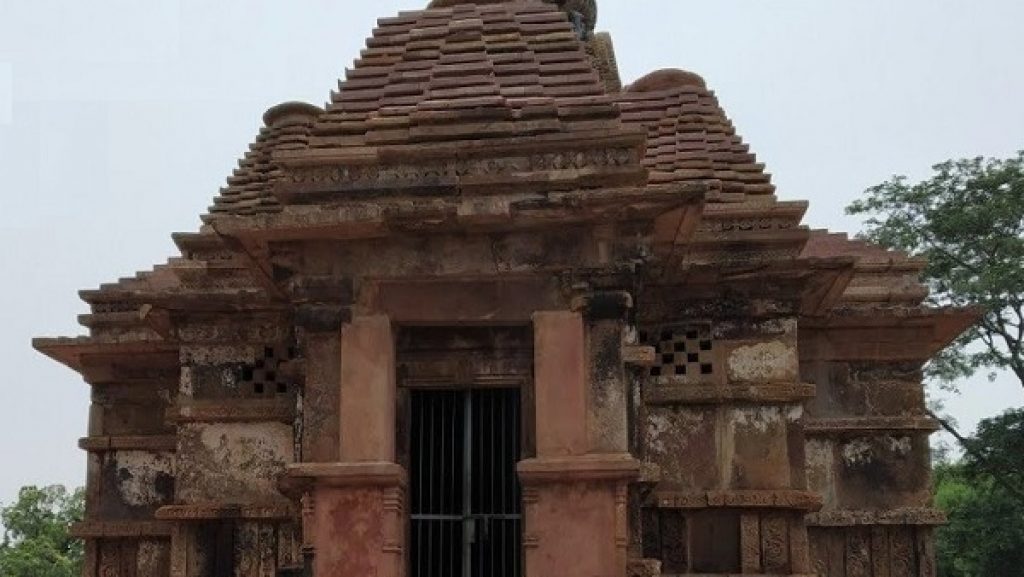
Narayanpal Temple
Narayanpal Temple is an 11th-century Hindu shrine dedicated to Vishnu, located near the confluence of the Indravati and Narangi rivers in Bastar district, Chhattisgarh. Built ar…
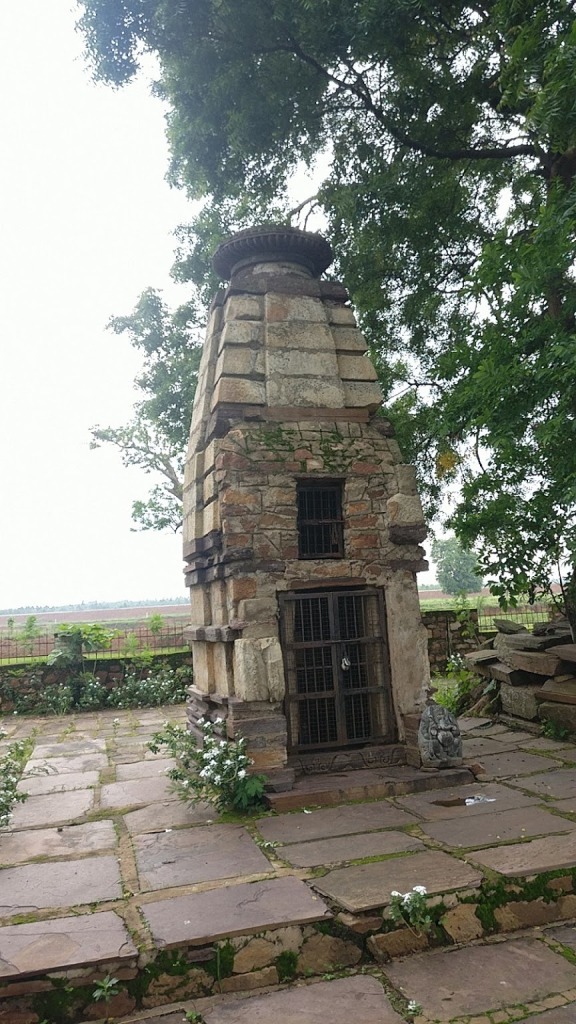
Dodrepal Temple, Chhotegud Chhattisgarh
The Dodrepal Temple in Bastar, Chhattisgarh is an 11th-century shrine dedicated to Lord Shiva, believed to have been constructed by the divine architect Vishwakarma during the N…
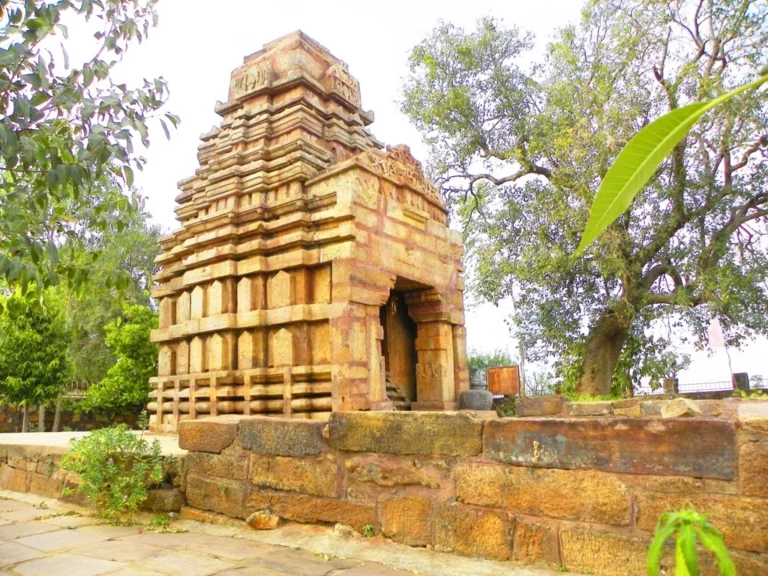
Shiva temple, Gumadpal Chhattisgarh
A Shiva temple located in Gumadpal, Chhattisgarh, this shrine serves the local community with traditional worship practices.
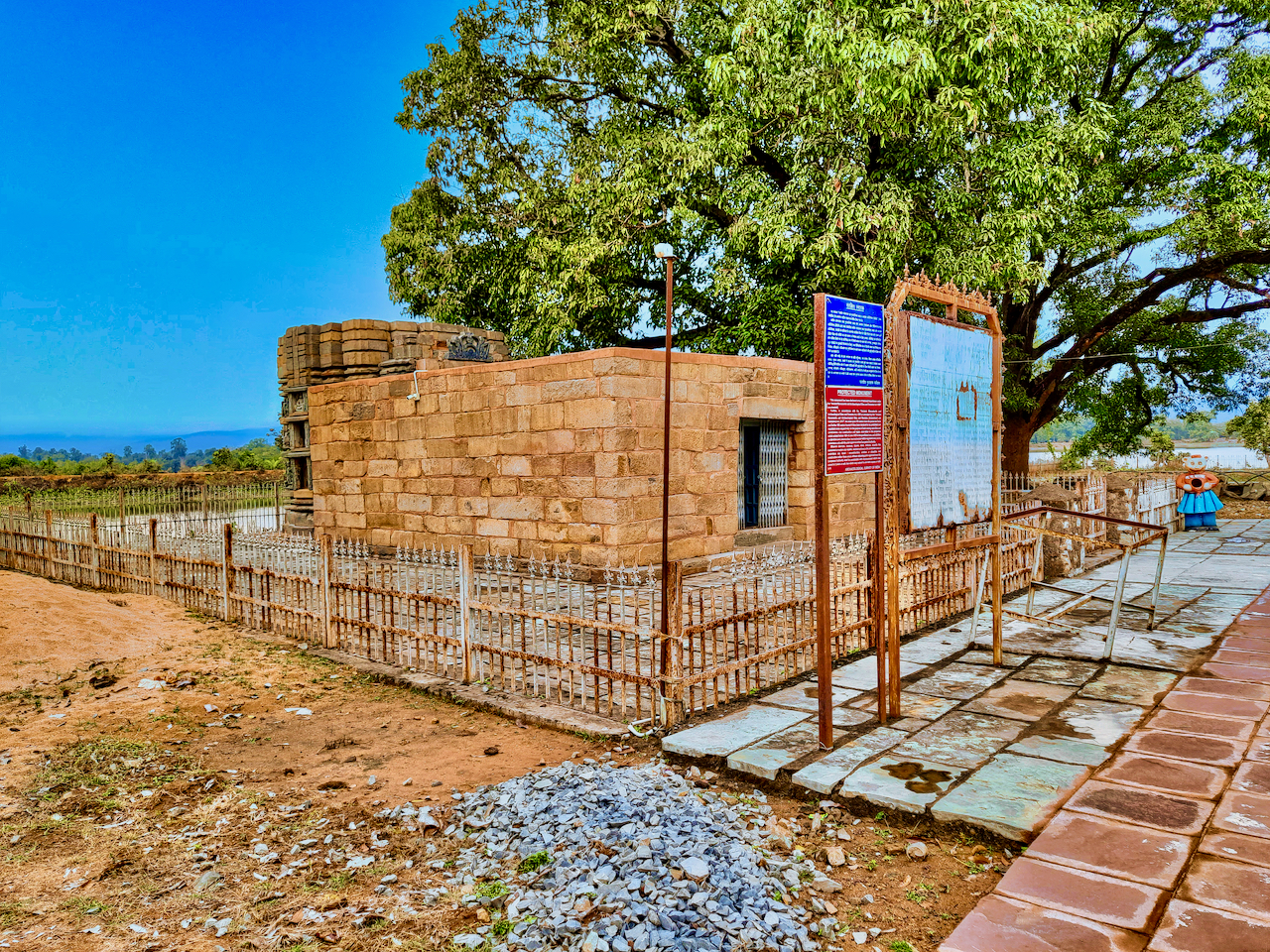
Chandraditya temple, Barsur
The Chandratiya Temple in Barsur is a medieval Shiva temple built in 1068 AD by Mahamandleshwar Chandraditya, a feudatory chief of the Nagvanshi ruler Dharavarsha. Located on th…
Chandratiya Temple
The Chandratiya Temple in Barsur, Chhattisgarh, is a Hindu shrine dedicated to Shiva, named after the medieval feudatory chief Mahamandleshwar Chandraditya and situated on the b…
Mama Bhanja Temple, Barsoor
Mama Bhanja Temple in Barsur, Dantewada district, is a 10th-13th century shrine dedicated to Lord Shiva, named after two members of the Naga dynasty and renowned for its medieva…