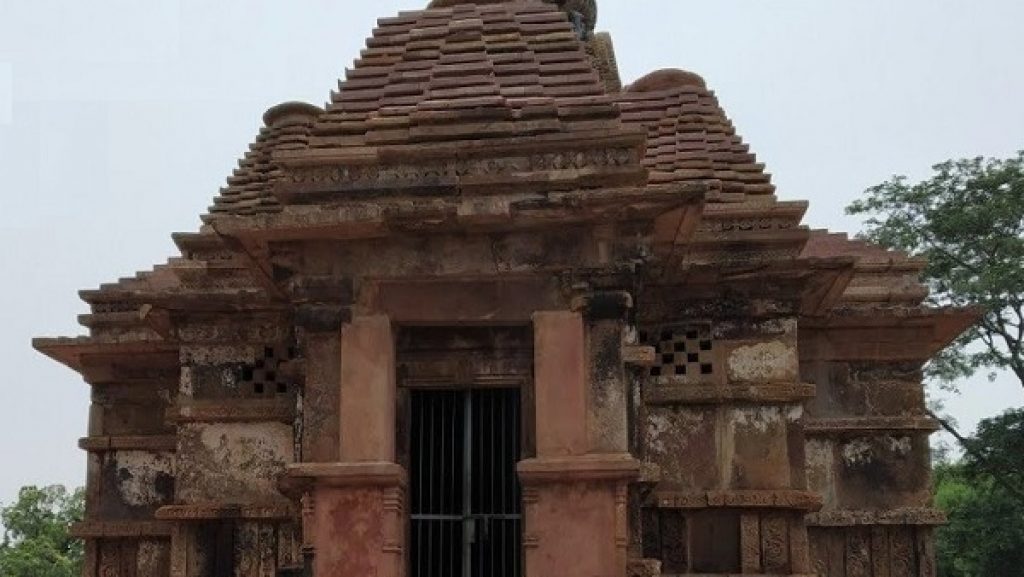

Narayanpal Temple
About Narayanpal Temple
The temple was built in the Nagara style, the dominant architectural tradition for Hindu temples across northern and central India. Its design also incorporates influences from the Chalukya architectural tradition, representing a synthesis of regional building practices. The Nagara style typically features a curvilinear tower rising above the sanctum, though the sources do not detail the specific architectural elements visible at Narayanpal today. The durability of its construction is evident in the temple's survival across nine centuries, a testament to the skill of its medieval builders.
The temple's endurance through centuries of environmental exposure in Bastar's climate demonstrates the robustness of 11th-century construction methods and materials, though visitors should not expect the polished restoration found at more heavily visited sites.
The Sacred Setting
The temple's placement near the confluence of two rivers reflects Hindu understanding of such locations as especially auspicious. River confluences hold spiritual significance in Hindu pilgrimage and worship traditions, and this geographical feature would have been central to the temple's original sanctity. The surrounding landscape of Bastar remains forested and relatively undeveloped, preserving much of the temple's original setting far from urban centers. This remoteness distinguishes Narayanpal from major pilgrimage routes, offering visitors an encounter with Hindu sacred space in a quieter, less commercialized context than many better-known temples.
Visiting the Temple: Practical Information
Narayanpal Temple lies on the far bank of the Indravati River from the main road network, requiring local knowledge or guidance to access. Visitors should dress modestly as is customary at Hindu temples and remove footwear before entering the sanctum. The remote location means facilities are limited; travelers should carry water and supplies before arriving. Specific darshan and aarti timings are not detailed in available sources, so confirmation with the temple before traveling is advisable, particularly if planning a visit around festival observances.
The nearest significant town is Jagdalpur, the district headquarters, approximately several hours' journey from Narayanpal village by road. Jagdalpur offers accommodation and services unavailable in the village itself. The temple lies about 4 kilometers east of Chitrakote Falls, making it a feasible addition to a broader exploration of Bastar's natural and cultural sites.
Getting There
Jagdalpur can be reached by rail from Raipur or Vishakapatnam via the East Coast Railway network, with several passenger trains connecting these cities to Jagdalpur station. From Jagdalpur, regular bus services operate through the district on national highways including NH 30. Private vehicles or hired transport provide the most practical means of reaching Narayanpal village itself, as the final approach requires navigation of local roads.
For those arriving by air, Raipur airport lies approximately 300 kilometers away, with flights connecting to major Indian cities. Prepaid taxis operate from the airport to Jagdalpur. The journey from Jagdalpur to Narayanpal takes several hours depending on road conditions and the specific route taken through the district.
Festivals and Observances
The temple observes Ganesh Chaturthi, the 10-day festival honoring Ganesha celebrated across Hindu communities. The temple is busiest and most beautifully decorated during festival observances, though specific details of other festivals celebrated at Narayanpal are not documented in available sources. Visitors planning to attend festivals should confirm dates and any special darshan arrangements with the temple in advance.
How to reach

You may also visit
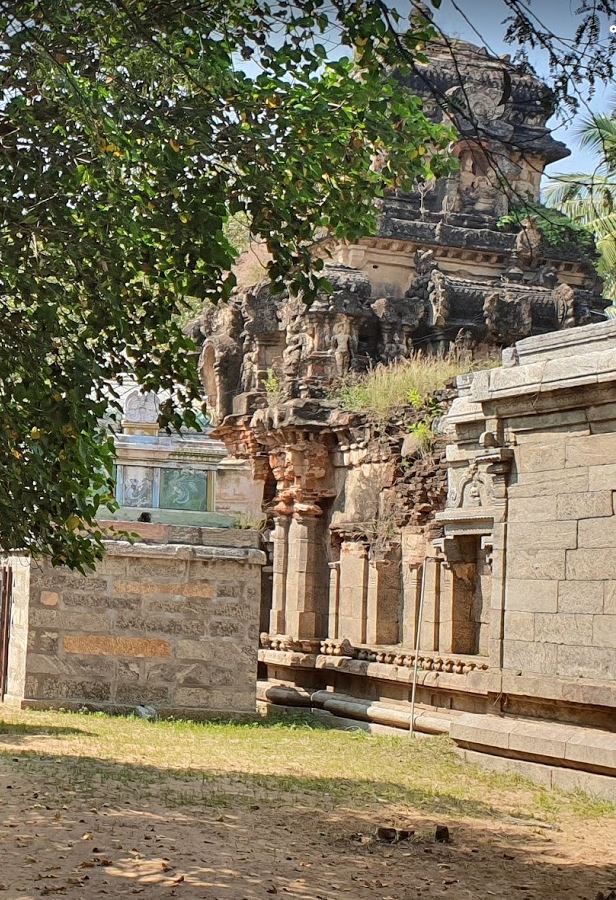
Agatheeswarar Temple, Karur
Agatheeswarar Temple in Thirumukkudalur, Karur district, is an ancient Hindu shrine dedicated to Shiva, situated at the sacred confluence of three rivers and believed to be over 1000 years old.
Kalyanji Temple
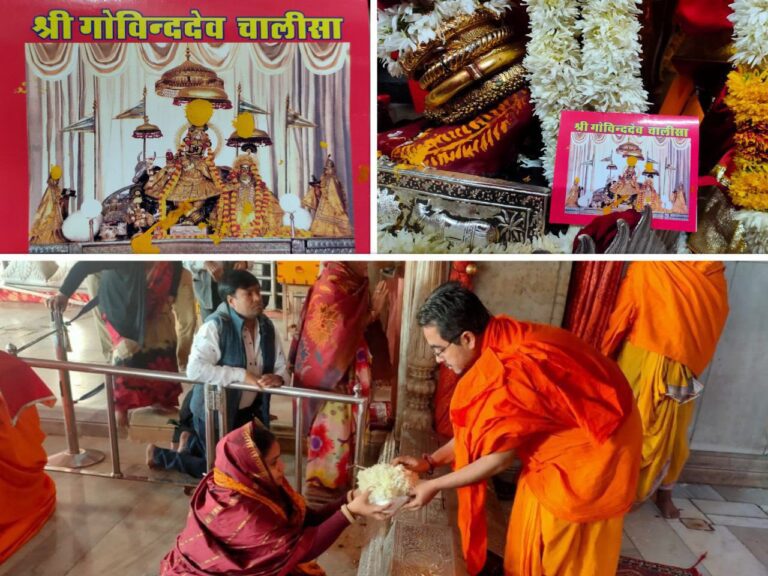
Kalyanji Temple in Jaipur's Chandpol Bazaar is an ancient Krishna shrine established in the 1820s, renowned for its seven daily aartis and special avatar darshan ceremonies during Akha Teej and Patottsav festivals.
Rani Sati Mandir Mahuda
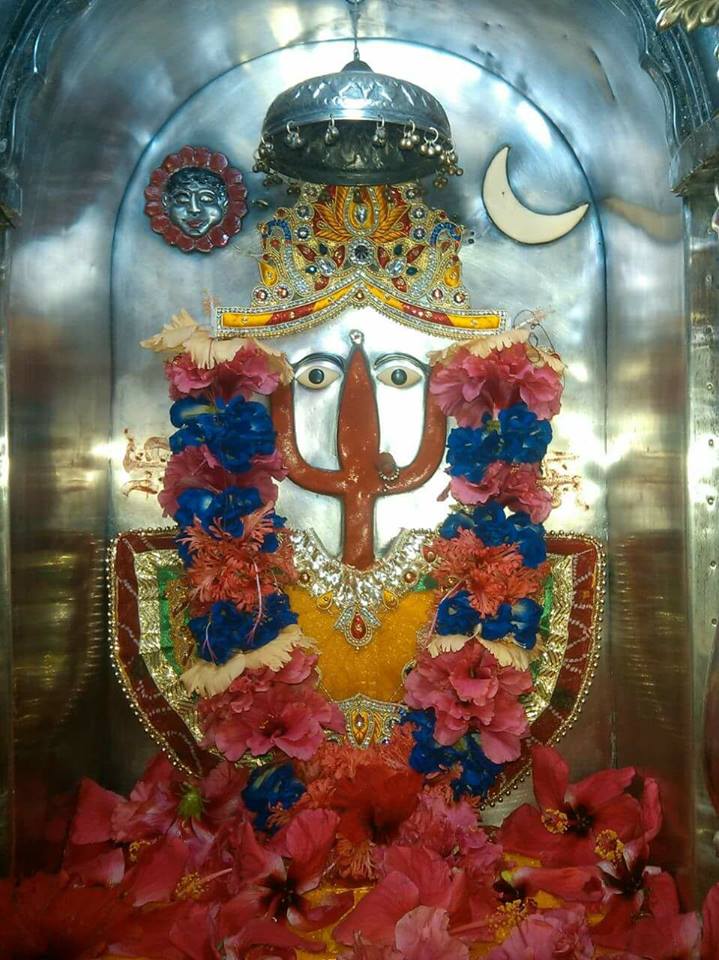
Rani Sati Mandir in Mahuda, Dhanbad District, is a Hindu temple established in 1992 that serves as a spiritual center for the local community and attracts devotees seeking blessings.