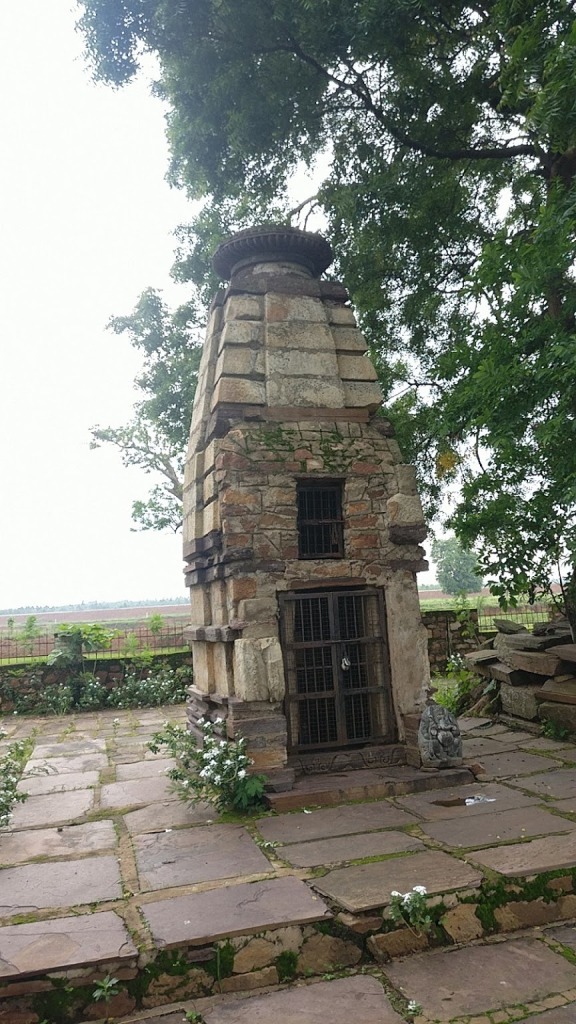
Chandratiya Temple
About Chandratiya Temple
The temple belongs to the Shaivite tradition, which centers worship on Shiva and his various manifestations. Temples dedicated to Shiva typically maintain daily rituals that honor the deity through offerings, prayers, and the recitation of sacred texts. The medieval period from which this temple's namesake derives was a formative era for temple construction and religious practice across central India, establishing patterns of worship and architectural design that many such temples continue to follow.
Darshan and Daily Worship
Visitors to Chandratiya Temple participate in darshan—the central act of Hindu worship in which devotees view the deity's image within the sanctum. The temple maintains regular timings for darshan, though these may shift during festival periods. Aartis, ritual offerings of light and prayers, punctuate the day following patterns typical of Shaivite worship. Devotees commonly offer flowers and traditional gifts as part of their visit, practices aligned with worship customs at temples dedicated to Shiva throughout India. It is advisable to confirm current darshan hours before traveling, as schedules can vary seasonally and during special observances.
Festivals and Celebrations
The temple observes several major festivals that draw devotees and transform the sanctuary with special decorations and heightened spiritual atmosphere. Raksha Bandhan, celebrated in August, marks the bond between siblings in Hindu tradition and brings enhanced observance to the temple. Sharad Navaratri in October honors the divine feminine through nine nights of worship, while Dussehra, also in October, celebrates the victory of good over evil. Diwali in November brings further festive observance. Visitors planning to attend during these periods should expect larger crowds. For those seeking a quieter experience, visiting outside these major festival periods is advisable. Specific ritual timings unique to Chandratiya Temple during these festivals should be confirmed in advance with local sources.
Practical Information for Visitors
The temple is located at coordinates 19.1372°N, 81.3829°E in Barsur, Dantewada district, Chhattisgarh. Barsur sits on the bank of the Indravati River, and the temple's position on Buddha Pond makes it accessible within the town. Visitors should plan trips with awareness of current darshan timings and any seasonal variations. Standard temple etiquette applies: modest dress is customary when visiting Hindu temples, and visitors should remove footwear before entering the sanctum. Photography policies may vary; it is respectful to inquire before photographing within the temple premises. Devotees typically carry flowers or other traditional offerings, though these are often available for purchase near the temple entrance.
Getting There
Barsur is located in Dantewada district in the state of Chhattisgarh. Visitors traveling to the temple should arrange transport to Barsur and then navigate to the temple's location on Buddha Pond. Local inquiry upon arrival will help orient visitors to the precise access routes. Those planning visits during major festivals should allow extra time for travel, as roads and local facilities may experience increased traffic during these periods.
How to reach
Temples near Chandratiya Temple
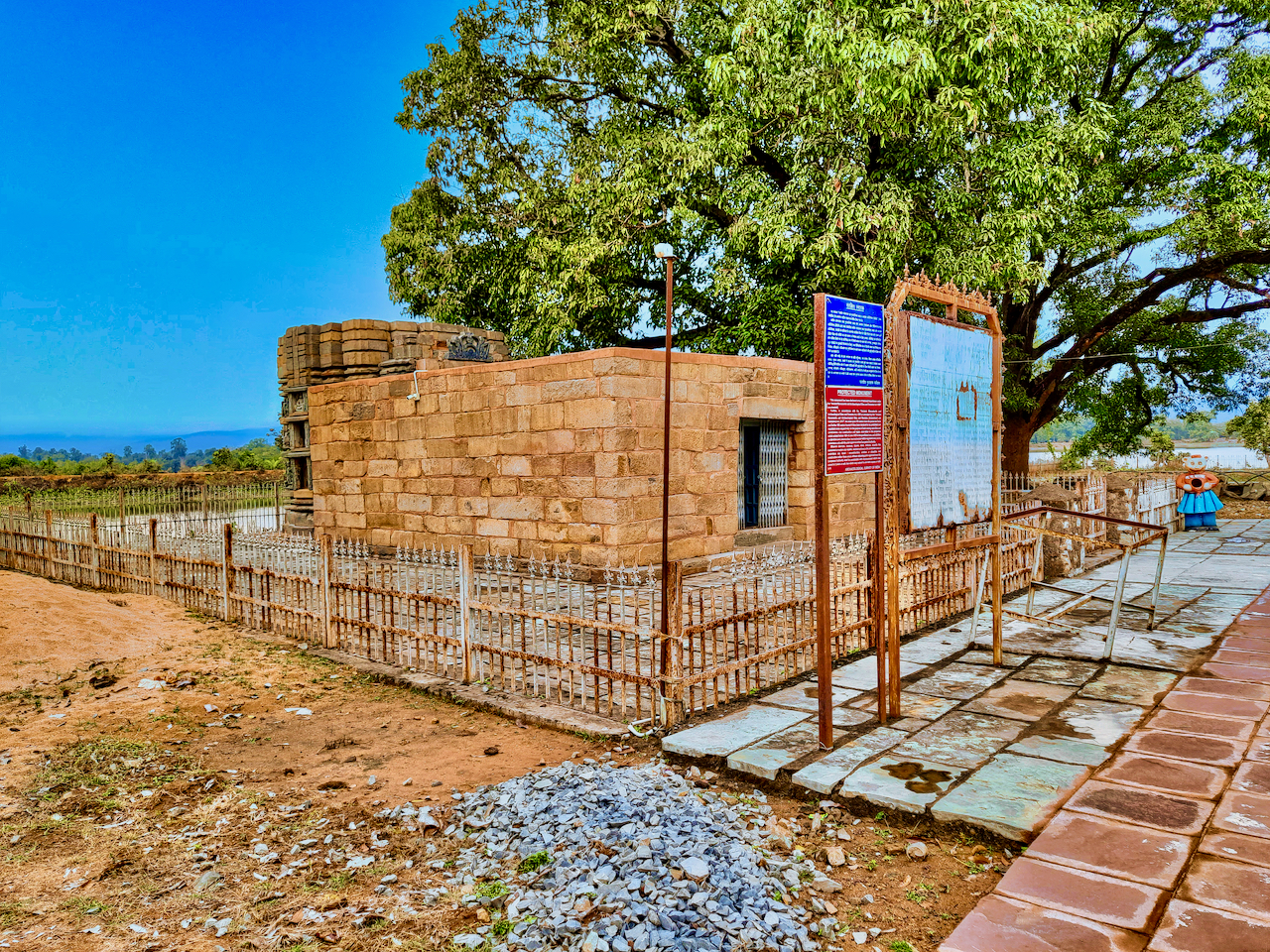
Chandraditya temple, Barsur
The Chandratiya Temple in Barsur is a medieval Shiva temple built in 1068 AD by Mahamandleshwar Chandraditya, a feudatory chief of the Nagvanshi ruler Dharavarsha. Located on th…
Mama Bhanja Temple, Barsoor
Mama Bhanja Temple in Barsur, Dantewada district, is a 10th-13th century shrine dedicated to Lord Shiva, named after two members of the Naga dynasty and renowned for its medieva…
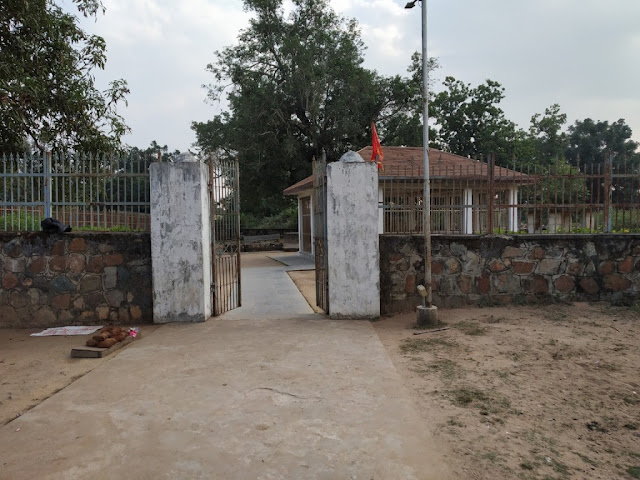
Ganesh Mandir, Barsur
Ganesh Mandir in Barsur, Chhattisgarh, is an 11th–12th century temple housing monolithic idols of Ganesha, protected as an ASI monument and situated near the Indravati River.
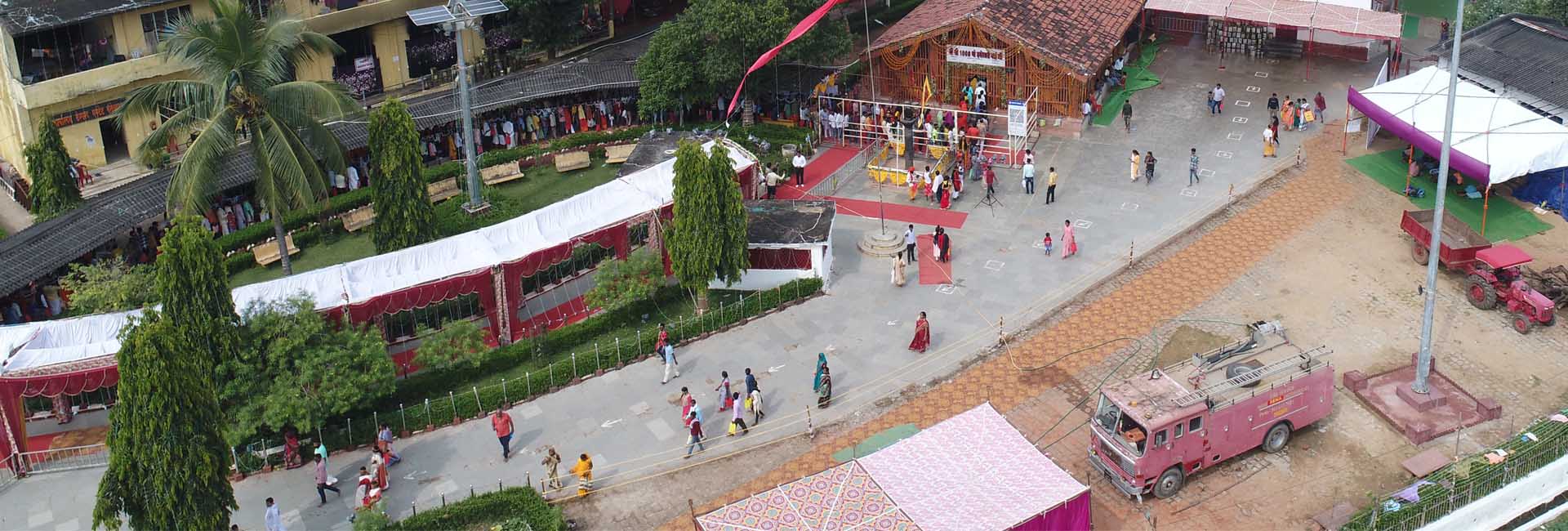
Danteshwari Temple
Danteshwari Temple in Dantewada, Chhattisgarh, is one of India's 52 Shakti Pithas dedicated to the divine feminine. Built in the 14th century, it serves as a major pilgrimage si…
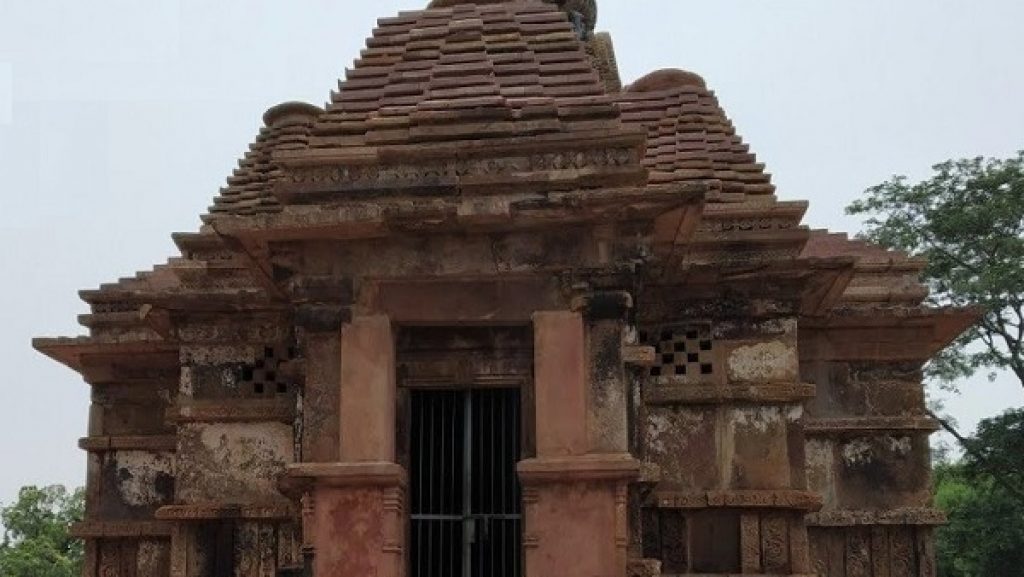
Narayanpal Temple
Narayanpal Temple is an 11th-century Hindu shrine dedicated to Vishnu, located near the confluence of the Indravati and Narangi rivers in Bastar district, Chhattisgarh. Built ar…
Dodrepal Temple, Chhotegud Chhattisgarh
The Dodrepal Temple in Bastar, Chhattisgarh is an 11th-century shrine dedicated to Lord Shiva, believed to have been constructed by the divine architect Vishwakarma during the N…