


Bhadra Maruti Temple
About Bhadra Maruti Temple
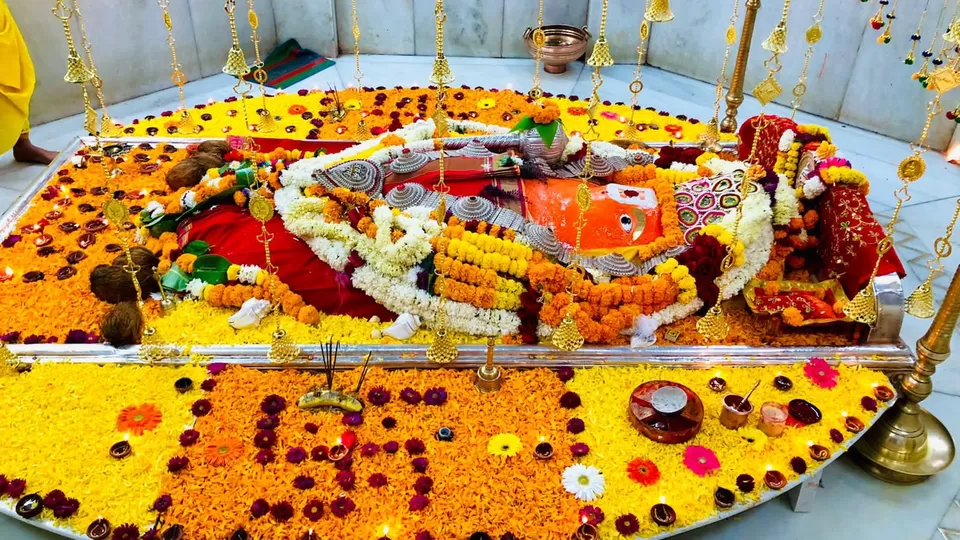
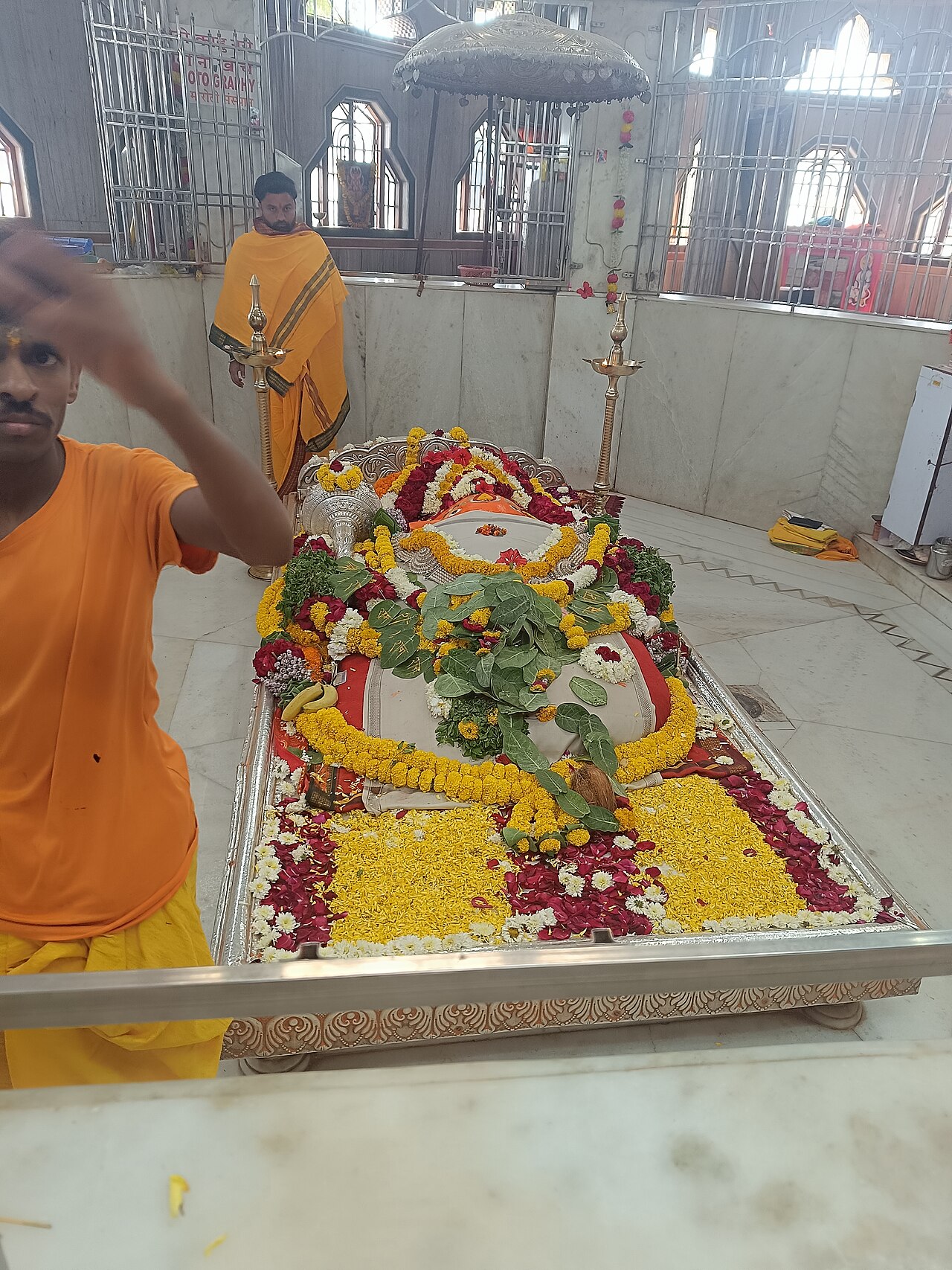
The temple was established in the 1960s, though the traditions associated with the site reach back into legend. According to local accounts, the area was once known as Bhadravati and was ruled by King Bhadrasena, a devoted follower of Lord Rama. The king would sing hymns of praise by the Bhadrakunda lake, and it is said that Hanuman, hearing these devotional songs during his travels, descended and entered into the Bhava Samadhi—the serene reclining state—before the king. The king prayed that Hanuman remain there eternally, blessing the land and all who sought Rama's grace.
Another narrative connects the temple to Hanuman's famous journey to the Himalayas to retrieve the Sanjeevani herb for the wounded Lakshmana. According to tradition, on his return carrying the mountain, Hanuman rested at this spot, sanctifying it with his presence. The revered saint Swami Samarth Ramdas is also credited with discovering the reclining murti at this location, linking the temple to a broader lineage of Hindu spiritual teachers.
Architecture and Setting
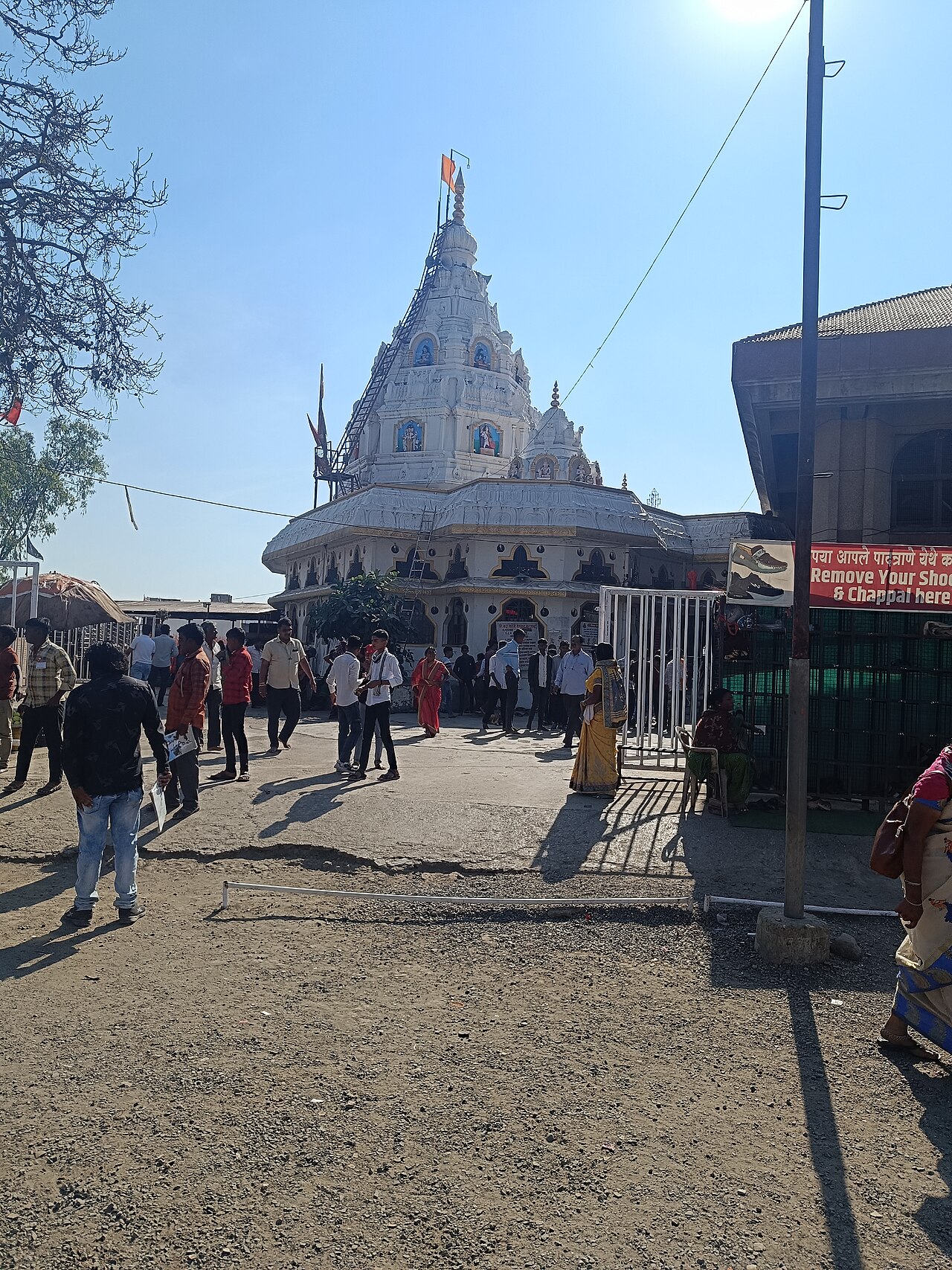
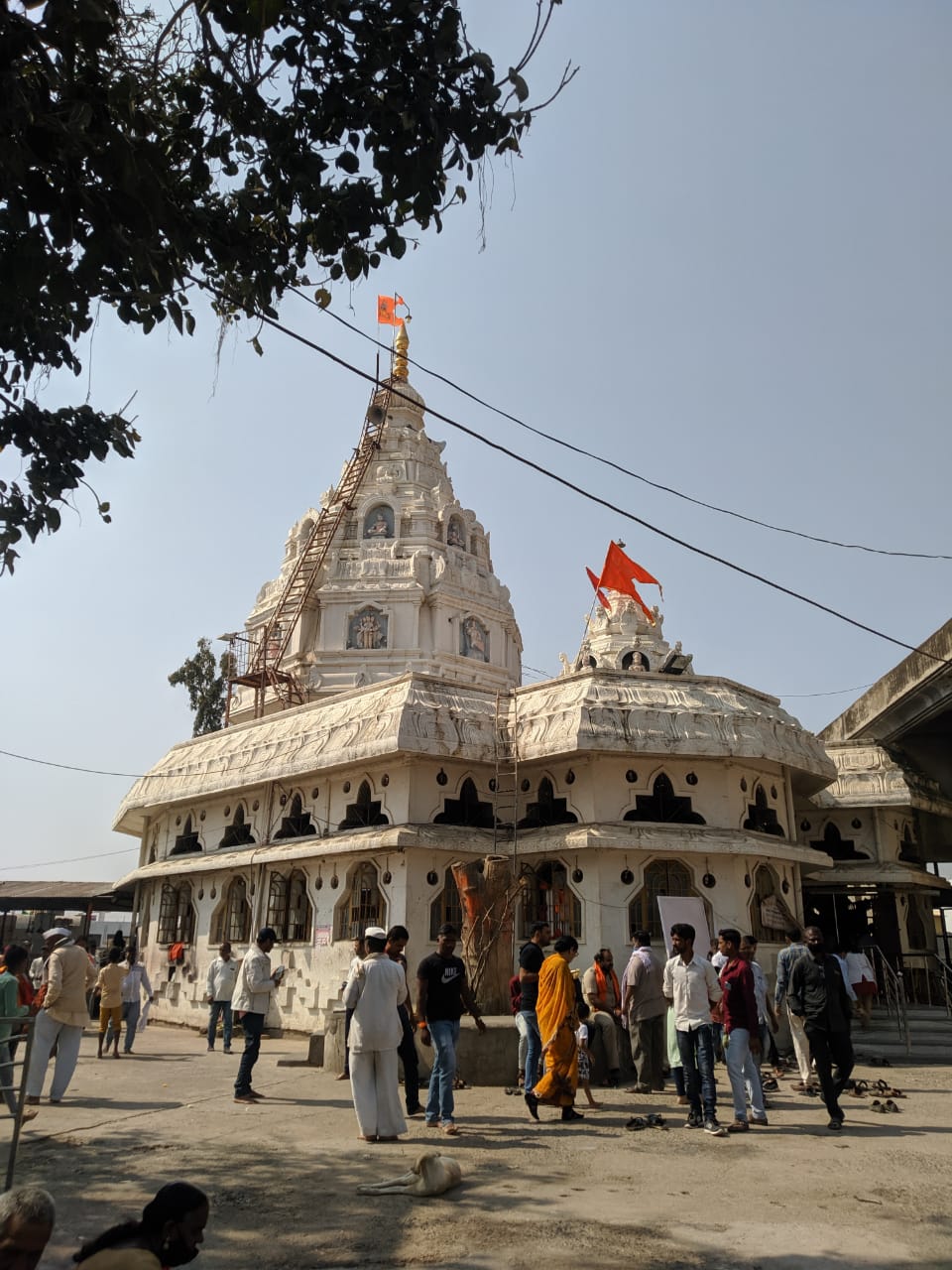
The temple is constructed in white marble and represents a rare architectural synthesis of North Indian and South Indian temple styles. This blending creates a distinctive aesthetic that draws visitors seeking both spiritual solace and architectural appreciation. The temple sits at an elevation of 725 meters in the historic town of Khuldabad, positioned just 4 kilometers from the UNESCO World Heritage site of Ellora Caves and approximately 22 kilometers from Aurangabad (officially Chhatrapati Sambhajinagar). This proximity makes the temple a natural waypoint for those visiting the region's other sacred and historical sites.
Daily Worship and Darshan
The temple opens early each morning at 5:00 am and closes at noon, then reopens at 4:00 pm until 9:00 pm, maintaining this schedule throughout the week. Entry is free for all visitors. Rituals and poojas are conducted in Marathi, Sanskrit, and Hindi, accommodating devotees from different linguistic backgrounds.
For those seeking a quieter experience, early mornings between 5:00 and 8:00 am offer a more meditative atmosphere with fewer crowds. The evening aarti times bring heightened devotional energy, with chanting and ritual activity intensifying the sacred mood. Weekdays generally experience lighter visitor numbers than weekends, making them preferable for those who prefer a less crowded darshan.
Festivals and Auspicious Times
The temple observes particular vibrancy during major festivals. Hanuman Jayanti and Ram Navami, celebrated in March and April, draw significantly larger numbers of devotees and feature elaborate decorations and extended rituals. The Shravana Saturdays falling in July and August—a period traditionally associated with Hanuman worship across Hindu practice—witness increased pilgrimage activity. Additionally, every Tuesday throughout the year holds special significance for Hanuman devotion, and the temple experiences elevated activity on these days.
During festival periods, rituals may extend beyond standard timings and decorations become more elaborate. Visitors planning to attend during these occasions should confirm specific arrangements with the temple office in advance.
Practical Information for Visitors
Bhadra Maruti Temple is located at coordinates 20.009628, 75.1965 in Khuldabad, Aurangabad district, Maharashtra 431101. The temple is accessible as part of a broader pilgrimage circuit that includes Ellora Caves and other sites in the region. Visitors should dress modestly, as is customary at Hindu temples, and remove footwear before entering the sanctum. The temple's free entry policy removes financial barriers to worship. Those planning visits during peak festival periods should contact the temple office beforehand to confirm timings and any special arrangements that may be in place.
How to reach
Temples near Bhadra Maruti Temple
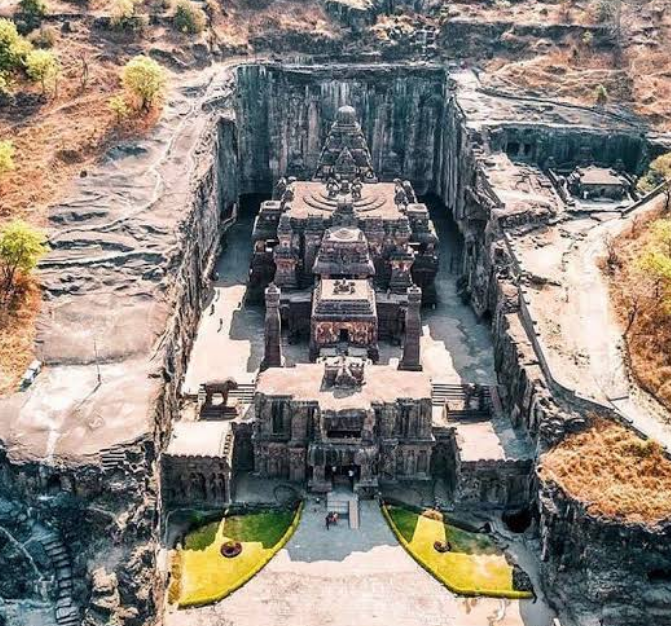
Kailasa Temple, Ellora
The Kailasa Temple at Ellora Caves is the largest rock-cut Hindu temple in India, carved downward from solid volcanic basalt by eighth-century artisans under Rashtrakuta king Kr…
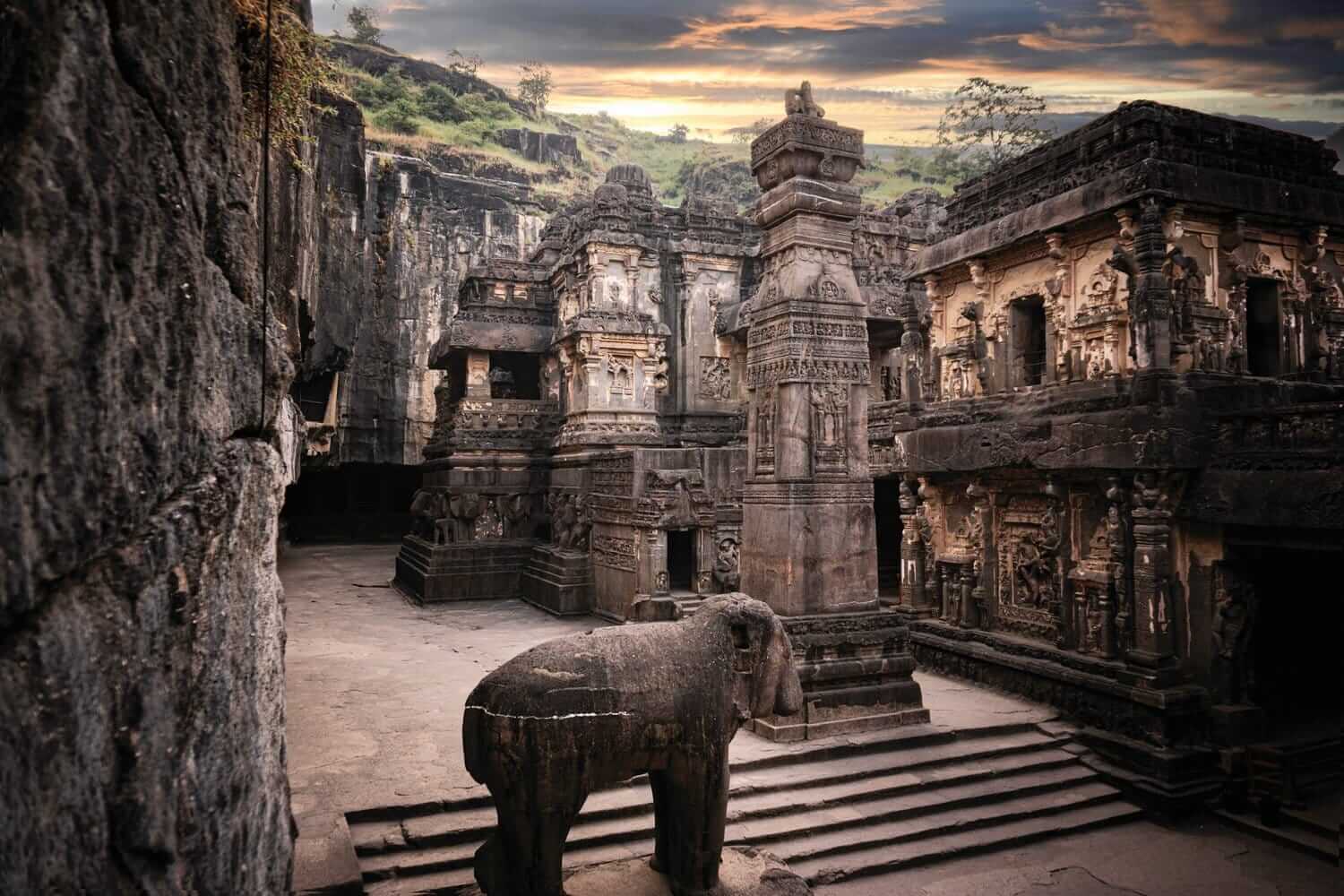
Ellora Caves
Ellora Caves is a UNESCO World Heritage Site comprising approximately 100 rock-cut caves representing Buddhist, Hindu, and Jain traditions, with the monolithic Kailasa Temple as…
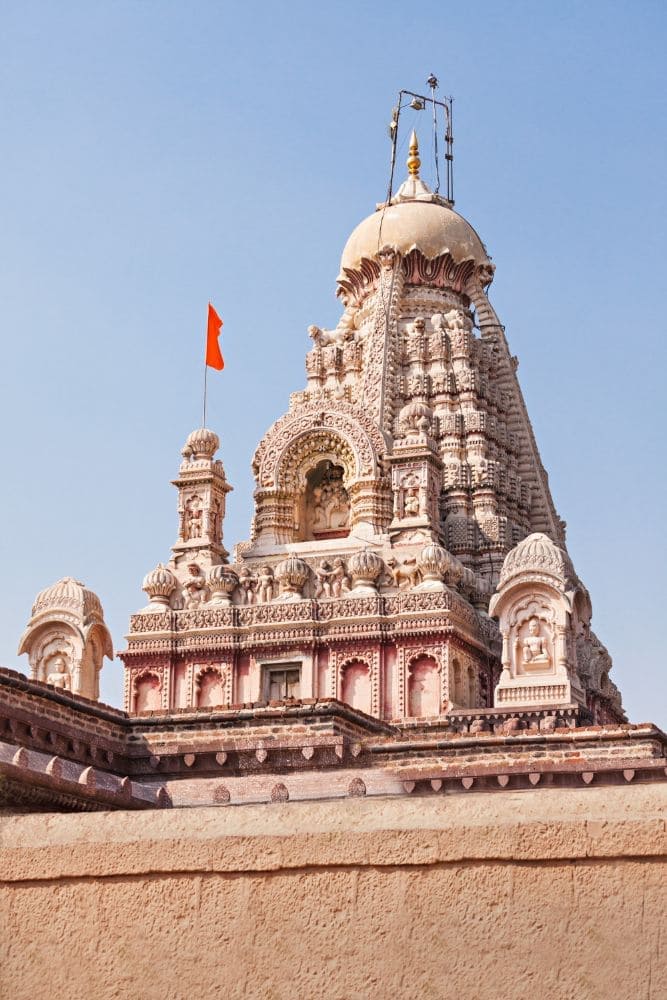
Grishneshwar temple
Grishneshwar Jyotirlinga is the twelfth and final Jyotirlinga of Lord Shiva, located near the Ellora Caves in Maharashtra. Rebuilt by Queen Ahilyabai Holkar in the 18th century,…

Siddheshwar temple, Toka
The Siddheshwar temple in Toka village showcases exceptional Yadava architecture from the 12th-13th century, featuring intricate sculptures and a sacred Shivlingam dedicated to…
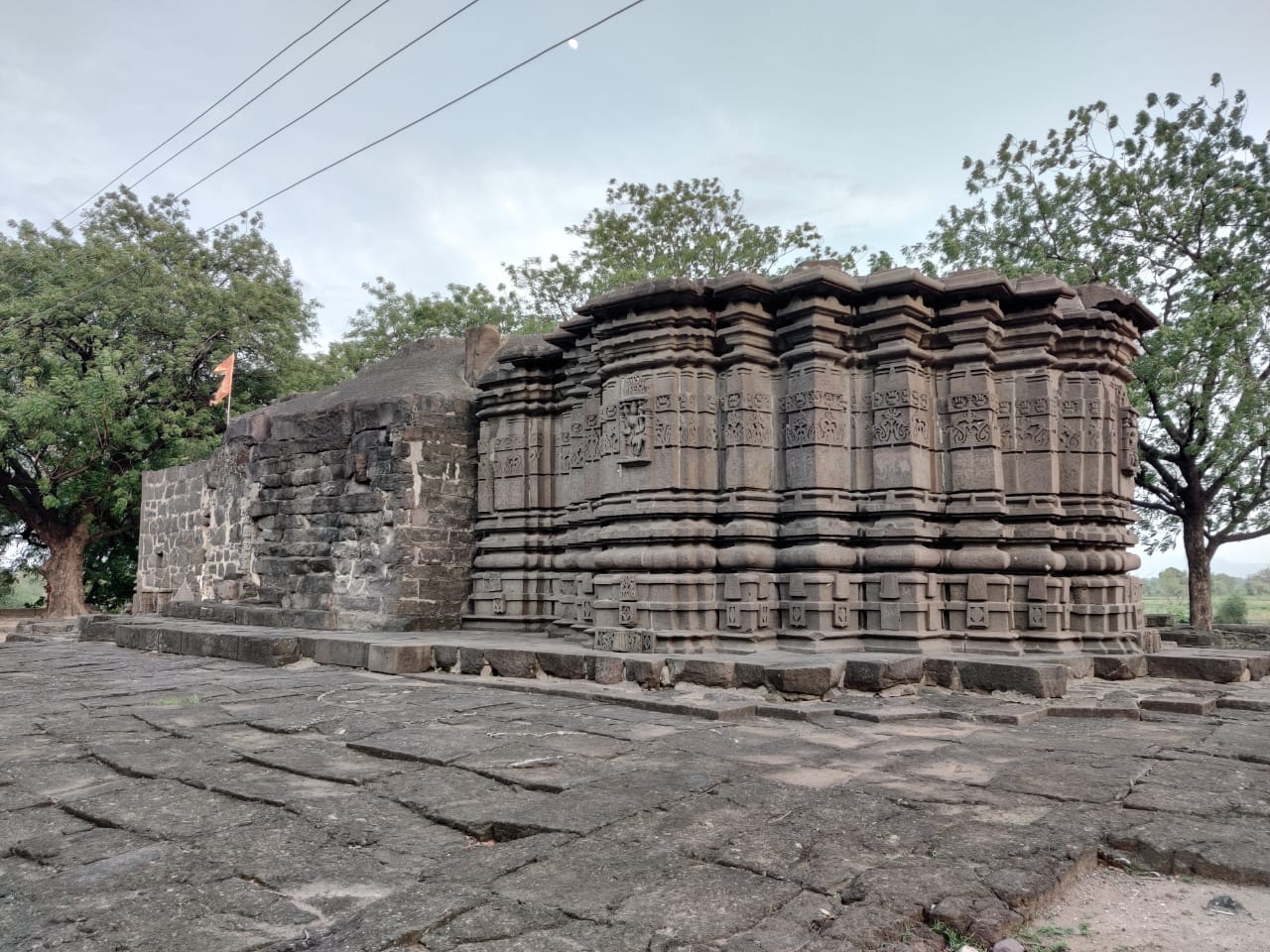
Mudhai Devi temple
Mudhai Devi temple is a medieval Hemadpanti structure dedicated to Goddess Mudhai, located in Waghali village within Jalgaon district's Khandesh region of Maharashtra.
Sai Tapovan
Sai Tapovan in Shirdi is the primary temple dedicated to Sai Baba, featuring his samadhi and hosting four daily aartis that form the spiritual rhythm of the complex.