Gopinath Temple, Pabna
About Gopinath Temple, Pabna
It is important to note that active worship does not currently take place at Gopinath Temple. The temple stands as a historical structure rather than a functioning place of daily ritual. This change in status reflects broader transformations in religious practice and community demographics across the region over the past century.
Visitors should approach the temple with awareness of its current condition as a heritage site rather than an active shrine. The absence of regular worship means that typical temple protocols—such as darshan times, ritual schedules, or priestly presence—do not apply. Those interested in visiting should verify current access conditions locally, as the temple's preservation and public access may depend on local heritage initiatives or municipal oversight.
Architecture and Heritage Value
The temple's significance lies primarily in its architectural and historical importance. As a documented example of mid-19th-century Bengal temple construction, it provides insight into the aesthetic and technical choices of its era. The Jor-Bangla style represents a distinctive regional approach to sacred architecture that differs markedly from temple traditions in other parts of India.
The temple's modest scale and refined proportions demonstrate the skill of craftspeople working within established architectural conventions. The structure's survival to the present day makes it a valuable record of construction techniques and design principles from the 1850s. For those interested in the history of Hindu architecture or the cultural landscape of 19th-century Bengal, the temple offers concrete evidence of how communities invested in religious spaces during this transformative period.
Visiting the Temple
Pabna is located in northwestern Bangladesh, accessible by road from Rajshahi and other major cities in the region. The temple's address in Jor-Bangla Para provides a specific location within the city. Visitors should contact local tourism offices or community representatives in Pabna to confirm current access arrangements and any restrictions on visiting the site.
Given the temple's status as a heritage structure without active worship, visitors should be respectful of the building and its historical significance. Photography may be permitted, but this should be confirmed locally. The temple's compact size means that a visit need not be lengthy, though those with interest in architectural history may wish to spend time observing the building's details and proportions.
Getting There
Pabna city can be reached by road from Rajshahi, which has better transport connections to other parts of Bangladesh. Local transportation within Pabna—including rickshaws and auto-rickshaws—can convey visitors to the Jor-Bangla Para neighbourhood. Those planning a visit should allow time to locate the specific site and may benefit from seeking local guidance, as heritage structures in smaller cities are not always prominently marked or easily identified by visitors unfamiliar with the area.
How to reach
You may also visit
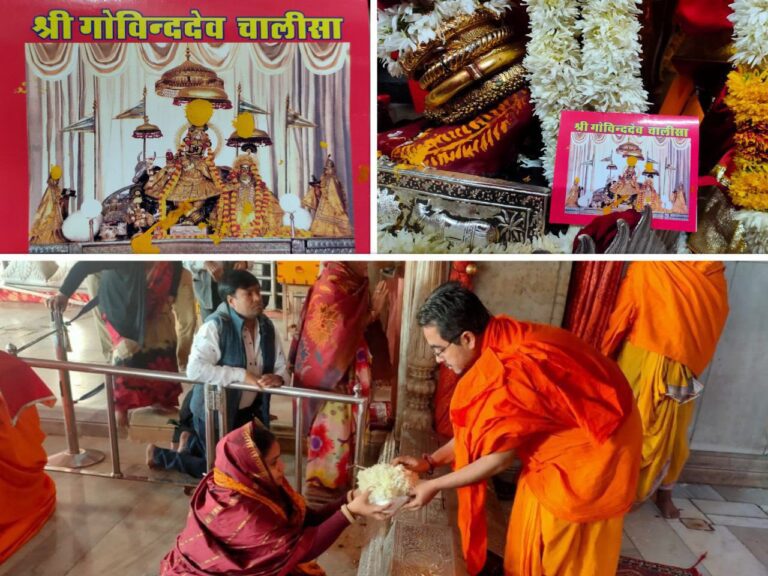
Kalyanji Temple
Kalyanji Temple in Jaipur's Chandpol Bazaar is approximately two centuries old and renowned for displaying the twenty-four avatars of Krishna, visible only twice yearly during Akha Teej and Patottsav festival.
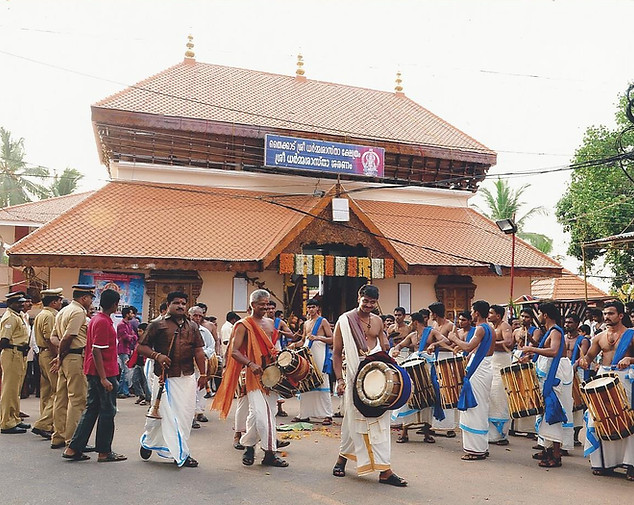
Sastha (Ayyappan) Temple
Sree Dharma Sastha Temple in Thycaud, Thiruvananthapuram, is a centuries-old shrine where the deity manifests as Dhanwanthari, the divine healer, holding the sacred blue lotus.
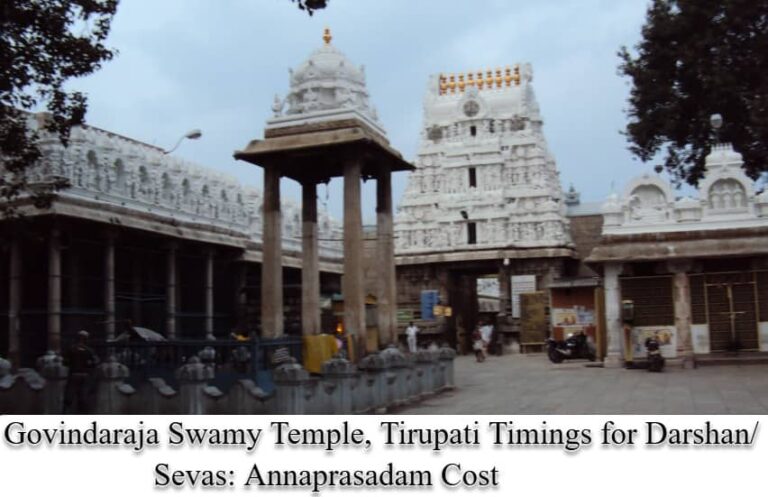
Govindarajaswamy Temple
Sri Govindarajaswamy Temple in Tirupati is an ancient Vaishnavaite shrine consecrated in 1130 AD by Saint Ramanuja, where the presiding deity rests in eternal Yoga Nidra on the serpent Adisesha.