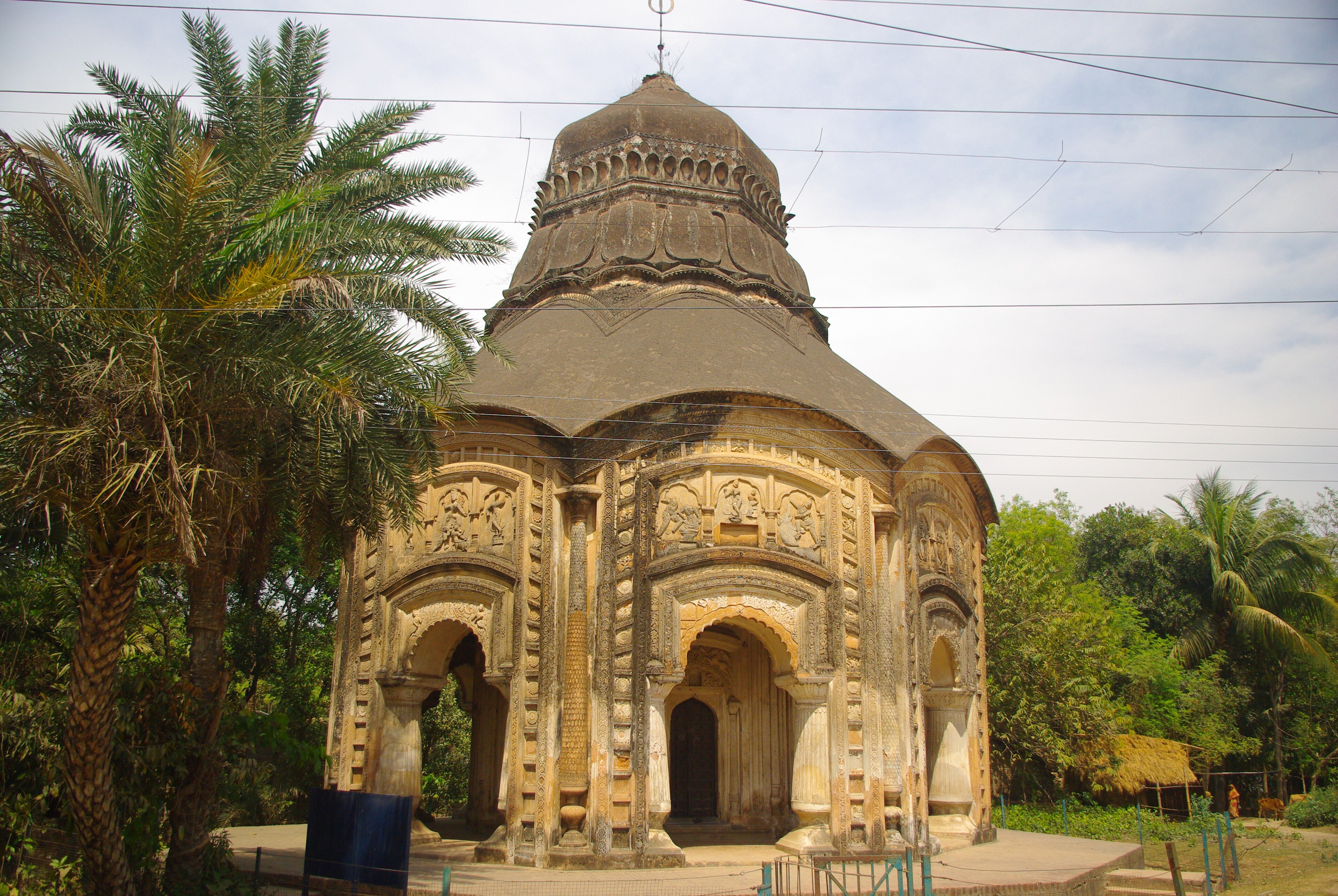
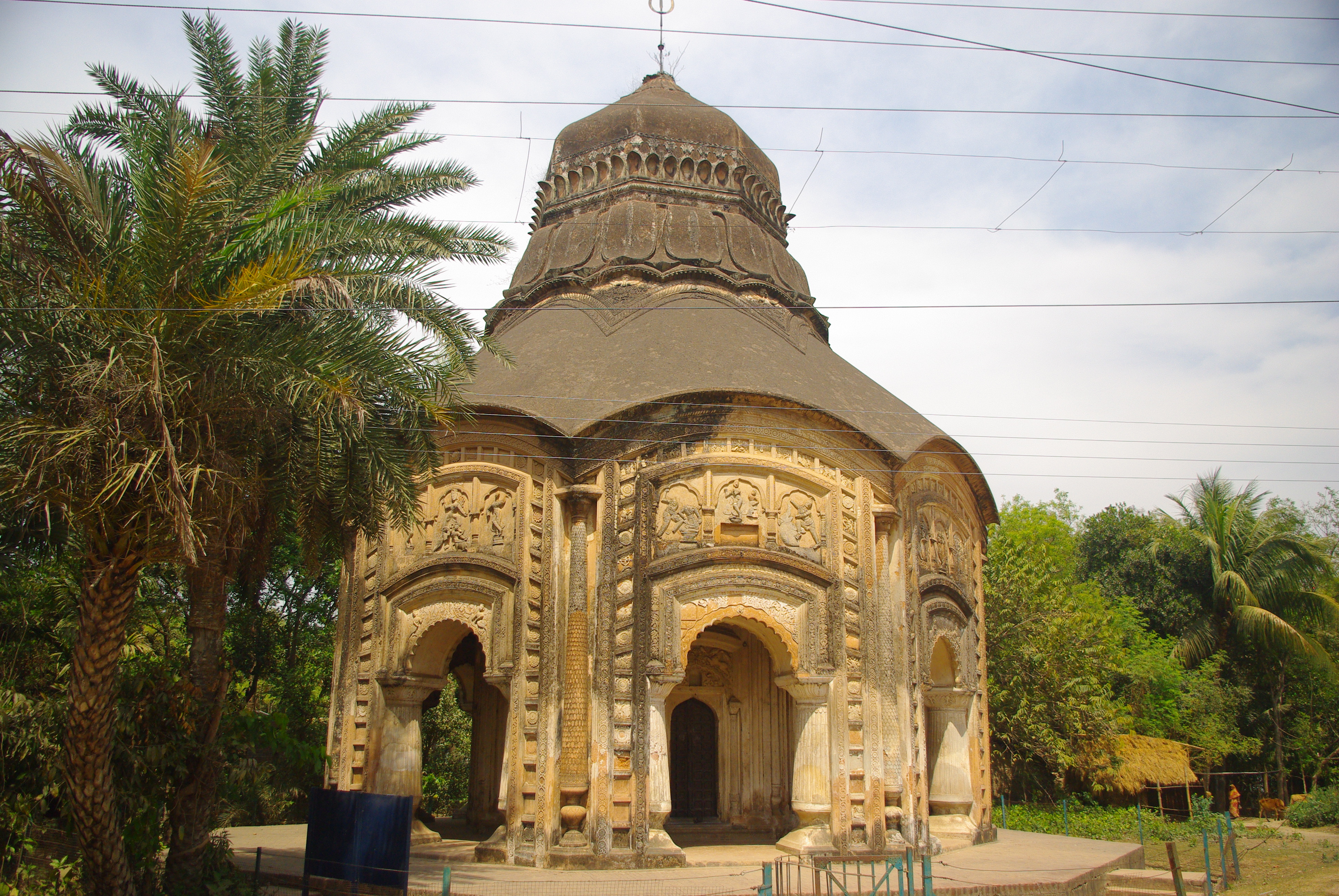
Bhavaniswar Mandir
About Bhavaniswar Mandir
Bhavaniswar Mandir stands in Baranagar, a village within the Murshidabad-Jiaganj administrative block of Murshidabad district in West Bengal. The temple sits in the Lalbag subdivision, a region with deep historical significance in Bengal's past. Murshidabad district itself lies in the eastern part of West Bengal, accessible by road from major towns in the region. Visitors planning to reach the temple should note the village setting and plan transport accordingly, as rural temple locations typically require local knowledge or advance arrangement for reliable access.
The coordinates 24.25198056, 88.24318611 may be used with mapping applications to locate the precise site. Those unfamiliar with the area are advised to seek local guidance or contact nearby villages for directions, as signage in rural temple locations is often minimal.
The Deity and Significance
The temple is dedicated to Bhavaniswar, a form of Shiva worshipped across Hindu traditions. The name itself—Bhavani referring to the divine feminine principle and Iswara meaning lord—points to the integration of Shakti and Shiva in this manifestation. Temples bearing this name are found in various regions of India, each holding local significance within their communities. The specific theological importance of this particular shrine to its local devotees remains undocumented in available sources, but the temple clearly serves as a place of worship for those in the surrounding villages and beyond.
Visiting the Temple
Limited information is available regarding the temple's daily schedule, facilities, or formal visiting hours. Visitors should approach with the respectful demeanor expected at Hindu temples: removing shoes before entering the sanctum, maintaining quiet reverence during worship, and dressing modestly. Women and men typically follow customary practices of the tradition, though specific local customs should be confirmed upon arrival.
As with most village temples in West Bengal, the shrine likely operates according to a simple daily rhythm centered on morning and evening worship. Visitors are encouraged to arrive during daylight hours and to inquire locally about appropriate times for darshan (viewing of the deity). The temple may have limited facilities, so visitors should come prepared with water and any personal necessities.
Worship and Rituals
The daily worship at Bhavaniswar Mandir follows patterns typical of Shaivite temples in Bengal. Priests conduct rituals focused on honoring Shiva in his manifestation as Bhavaniswar. The specific timing and nature of these rituals—whether elaborate pujas or simpler daily offerings—are not detailed in available sources. Devotees seeking to participate in or witness worship should arrive early in the morning or during evening hours, when temples traditionally perform their principal rituals.
Those wishing to make offerings or participate in worship may do so according to local custom. It is advisable to ask the temple priest or local devotees about proper procedures and any donations that support the temple's maintenance.
Festivals and Observances
Information about specific festivals celebrated at Bhavaniswar Mandir is not available from documented sources. However, temples dedicated to Shiva typically observe Maha Shivaratri, the great night of Shiva, which falls in late winter or early spring according to the lunar calendar. Other significant occasions in the Shaivite calendar, such as Kartik Purnima, may also be marked. Local festivals particular to the Baranagar community may be observed as well.
Visitors interested in experiencing the temple during festival times should inquire locally about the annual calendar of celebrations, as these occasions often draw larger gatherings and may feature special rituals and temporary structures.
Practical Information for Visitors
The temple's exact opening hours, entry fees (if any), and available facilities are not documented. Visitors should expect a rural setting with basic amenities. It is wise to carry water, wear comfortable walking shoes for the approach, and dress conservatively. Mobile phone reception may be limited in this village location.
Those planning a visit are encouraged to contact local residents or nearby administrative offices in advance to confirm access and learn about any local customs or restrictions. The nearest towns with hotels and restaurants would be in the larger centers of Murshidabad district, so visitors may wish to base themselves there and make a day visit to the temple.
How to reach


Temples near Bhavaniswar Mandir
Kiriteswari Temple
Kiriteswari Temple is one of the 51 Shakti Peethas, located in Kiritkona village in Murshidabad district, West Bengal. The temple is associated with the crown (kirit) of Sati an…
Tarapith
Tarapith temple, situated on the banks of the Dwarka River in Birbhum, West Bengal, is one of the 52 Shakti Peethas of India dedicated to Tara Maa, a form of Kali. The temple is…
Tarapur Mandir
Tarapur Mandir is an 18th-century Hindu temple within the Puthia Temple Complex in Rajshahi Division, Bangladesh, also known locally as Rath Bagicha Tarapur and Hawakhana.

Maluti temples
Maluti is a remarkable cluster of terracotta temples in Jharkhand's Dumka district, built by the rajas of the Baj Basanta kingdom between the 17th and 19th centuries. Once numbe…

Gopal Temple, Puthia
Gopal Temple in Puthia, Rajshahi, Bangladesh is a Krishna temple within the historic Puthia Temple Complex.
Bahula Temple
Bahula Temple, one of the 51 Shakti Pithas, is a Hindu shrine in West Bengal dedicated to Goddess Bahula, a manifestation of Devi Parvati, attracting pilgrims seeking communion…