Kiriteswari Temple
About Kiriteswari Temple
The temple is situated in Kiritkona village in Murshidabad district, in the eastern state of West Bengal. The coordinates place it at 24.2°N, 88.22°E. Murshidabad district, historically significant in Bengal's past, provides the broader regional context for this sacred site. The village itself gained recognition in September 2023 when it was selected as one of India's best tourism villages, reflecting growing interest in the area's cultural and spiritual heritage.
Visitors planning a journey to the temple should arrange travel to Murshidabad district and then proceed to Kiritkona village. The specific road conditions, transport options, and travel times from major cities are details best confirmed with local tourism resources or the village administration, as these practical matters fall outside the historical and religious information available about the temple itself.
The Shakti Tradition and Worship
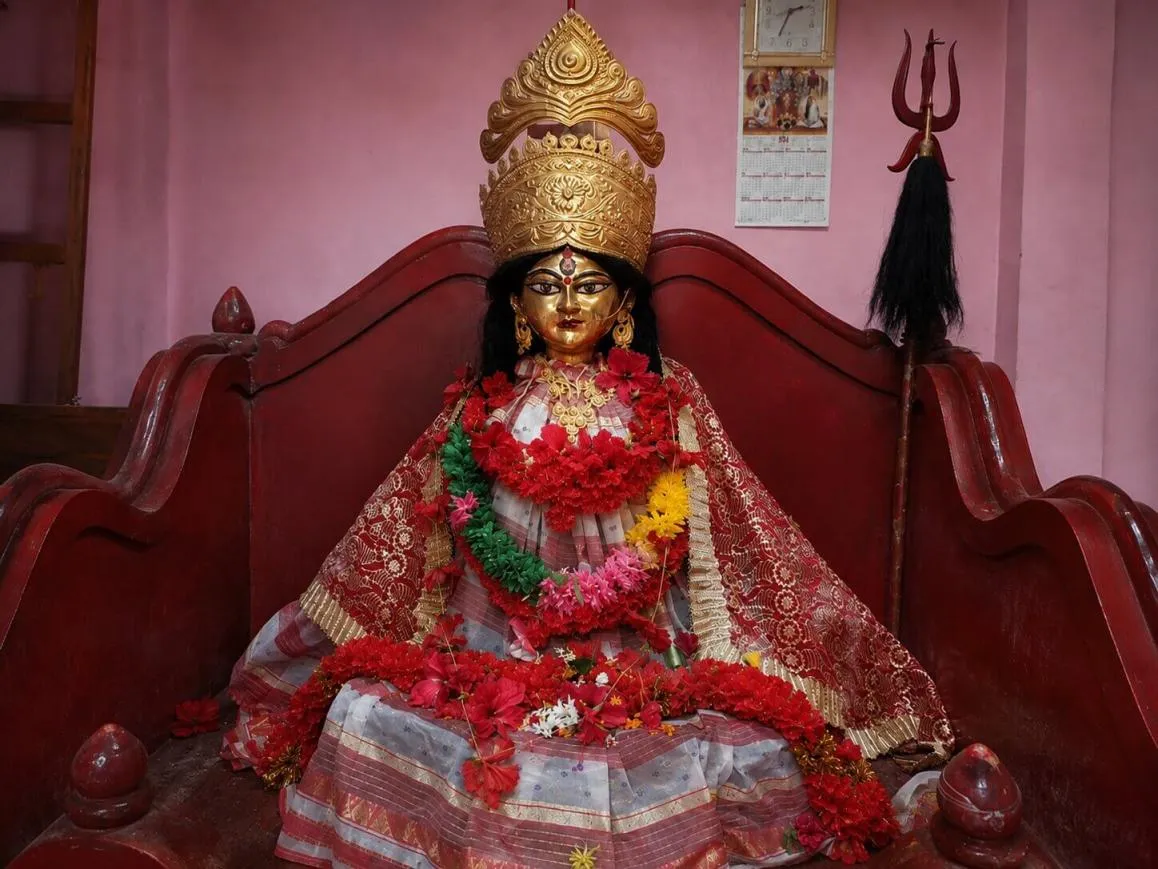
Temples dedicated to the Divine Feminine within the Shakti tradition typically focus worship on the goddess in her various manifestations. The sources identify the temple's connection to Goddess Vimala within the Shakta Peetha framework, though detailed information about daily worship practices, specific rituals, or the exact form in which the deity is worshipped at this particular temple is not provided in available sources.
Devotees visiting Shakta Pithas generally come seeking the blessings and grace of the goddess, with worship practices varying according to individual tradition and the specific customs maintained at each temple. Those planning to visit should be prepared to observe the respectful conduct expected at active places of worship, including appropriate dress and behavior during darshan and ritual times.
19th Century Reconstruction
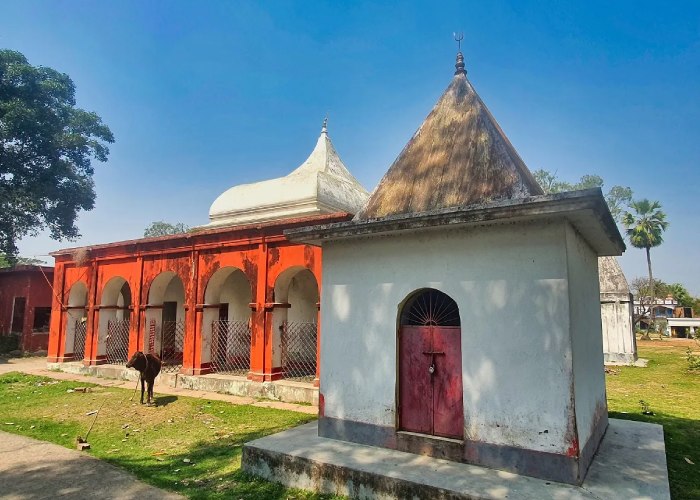
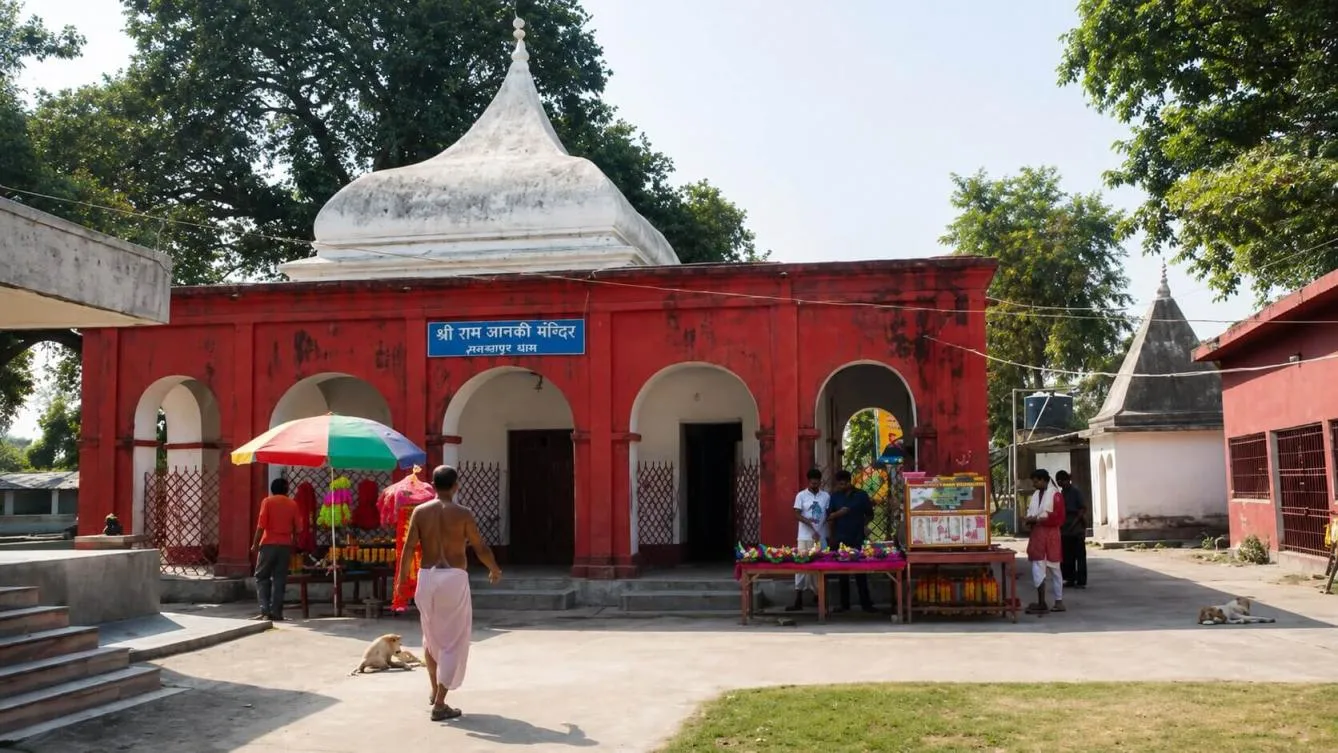
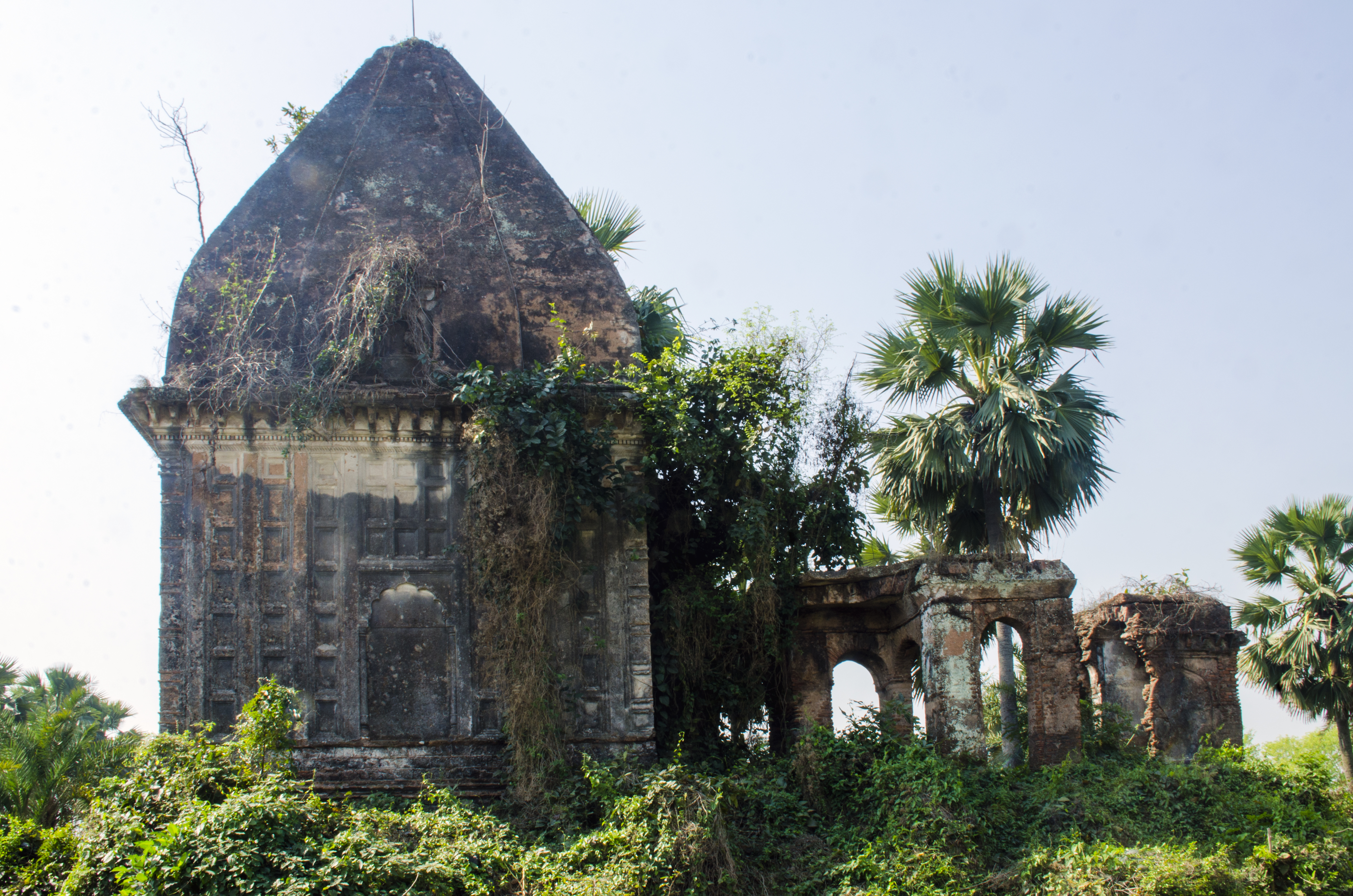
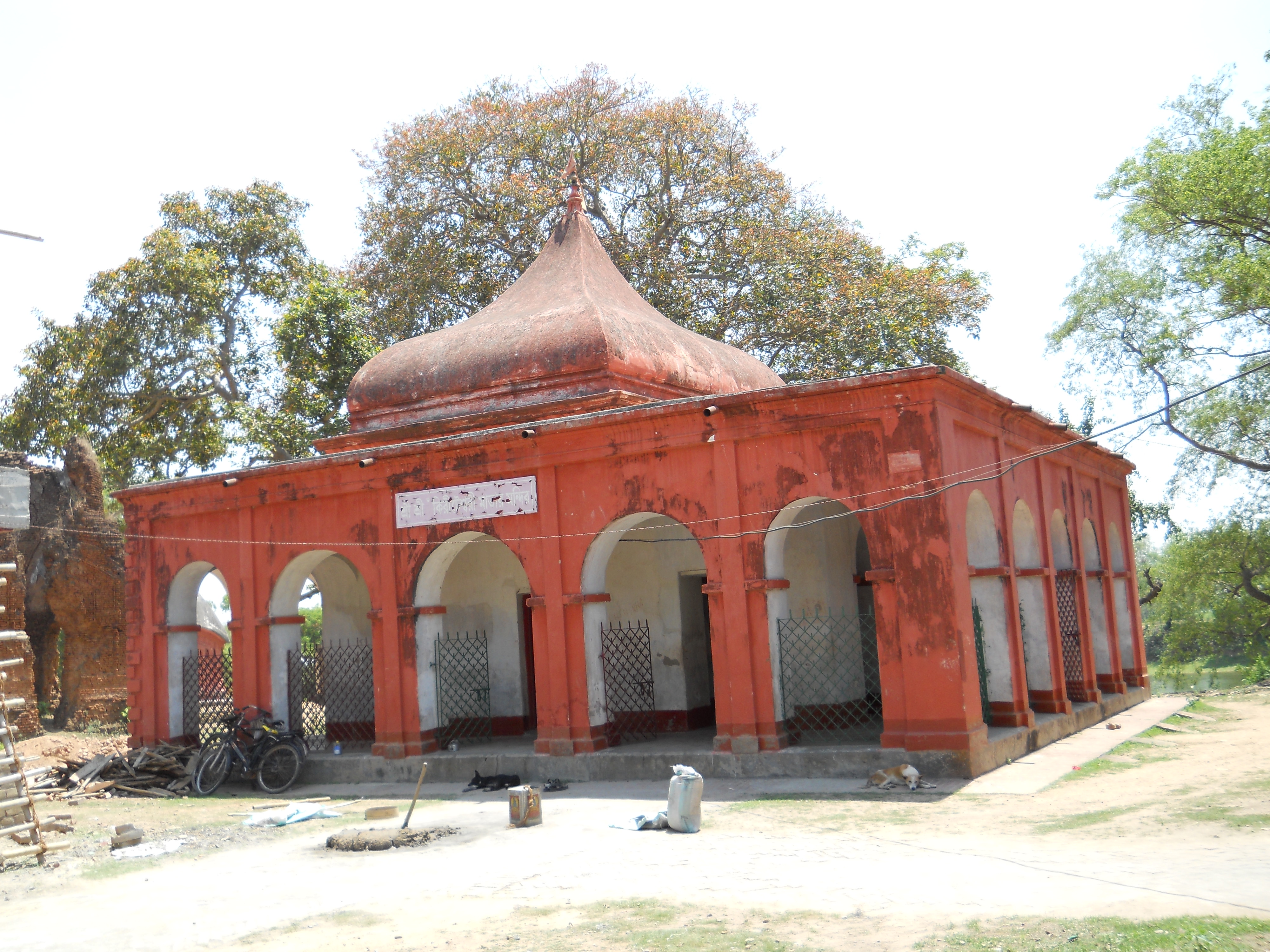
The temple's current form dates to the 19th century, when it underwent reconstruction. This rebuilding phase represents an important chapter in the temple's history, occurring during a period of significant change in Bengal. The decision to reconstruct the temple reflects the enduring devotion of the community to this sacred site and their commitment to maintaining worship despite the passage of time and changing circumstances.
The architectural style and construction methods of this 19th-century rebuilding would reflect the aesthetic and technical practices of that era, though specific architectural details are not documented in available sources. The temple thus embodies both its ancient spiritual lineage and its more recent physical manifestation.
Visiting the Temple
As an active place of worship within the Shakta Peetha tradition, the temple welcomes devotees and visitors. Standard practices for temple visits in this tradition typically include removing footwear before entering the sanctum, maintaining respectful silence during worship times, and dressing modestly. Women and men alike should wear clothing that covers shoulders and knees as a mark of respect.
Visitors should inquire locally about darshan timings, as these may vary seasonally or according to festival schedules. The temple may have specific hours for public worship, and it is courteous to plan visits accordingly. Photography policies and any restrictions on entering certain areas should be confirmed upon arrival. Those unfamiliar with temple etiquette are welcome to observe and follow the example of other devotees present.
Regional Significance
Kiritkona village's recent designation as a best tourism village reflects growing recognition of the area's cultural importance. The temple serves as a spiritual anchor for the region and draws pilgrims who follow the Shakta tradition. The broader Murshidabad district carries historical weight in Bengal's narrative, and the temple's presence within this landscape connects contemporary worship to centuries of spiritual practice.
For visitors interested in understanding Bengal's religious heritage and the Shakta tradition, a visit to Kiriteswari Temple offers direct encounter with a living sacred site that bridges ancient spiritual lineages with ongoing community devotion.
How to reach



Temples near Kiriteswari Temple
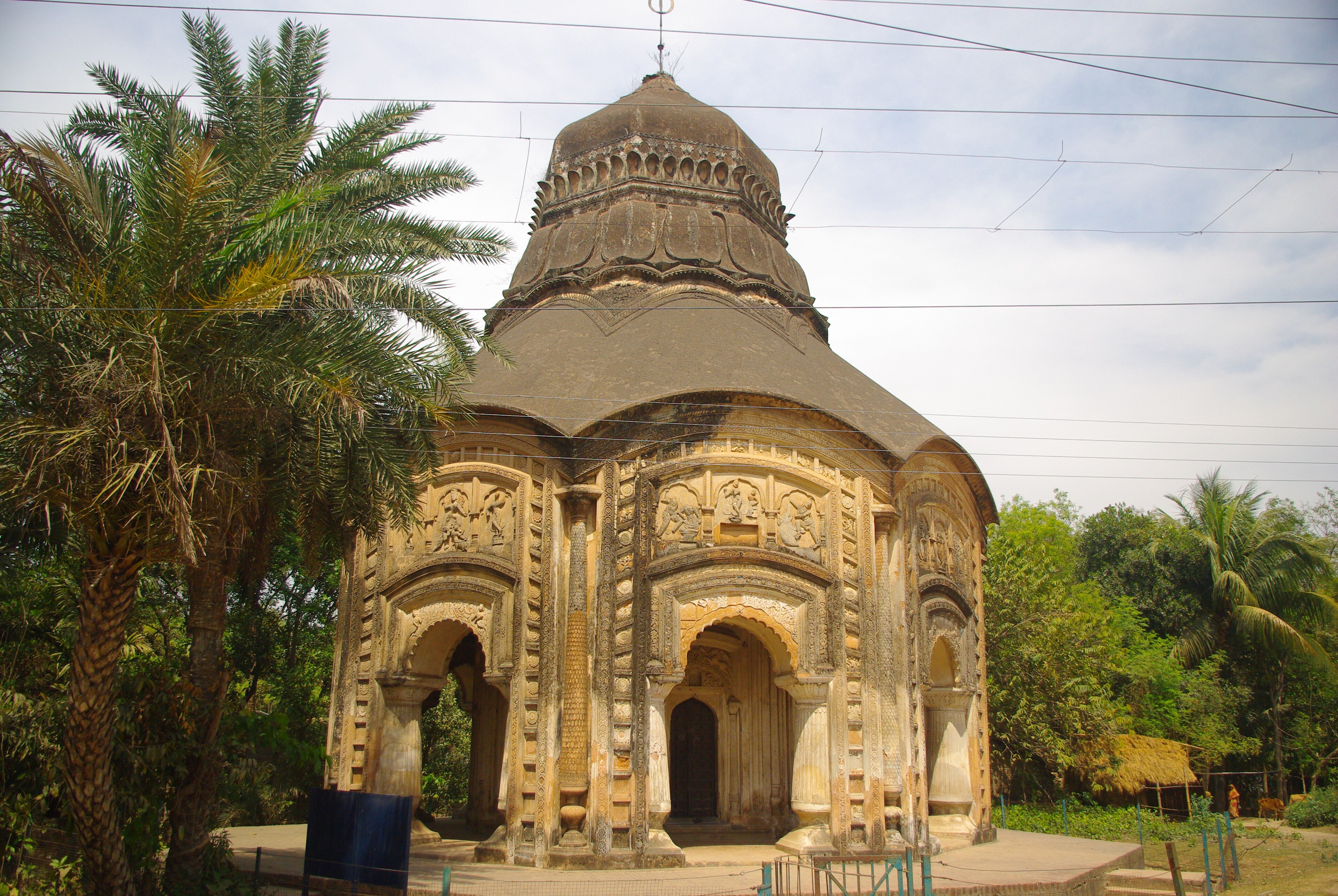
Bhavaniswar Mandir
Bhavaniswar Mandir in Baranagar, Murshidabad district, West Bengal, is dedicated to Bhavaniswar, a manifestation of Shiva that integrates both the divine feminine principle and…
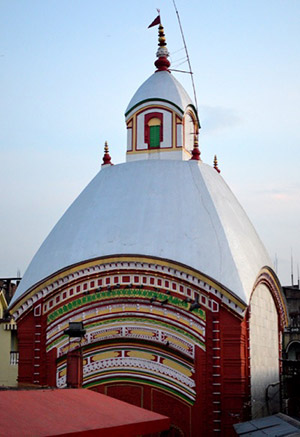
Tarapith
Tarapith temple, situated on the banks of the Dwarka River in Birbhum, West Bengal, is one of the 52 Shakti Peethas of India dedicated to Tara Maa, a form of Kali. The temple is…

Maluti temples
Maluti is a remarkable cluster of terracotta temples in Jharkhand's Dumka district, built by the rajas of the Baj Basanta kingdom between the 17th and 19th centuries. Once numbe…
Bahula Temple
Bahula Temple, one of the 51 Shakti Pithas, is a Hindu shrine in West Bengal dedicated to Goddess Bahula, a manifestation of Devi Parvati, attracting pilgrims seeking communion…

Nandikeshwari Temple
Nandikeshwari Temple in Sainthia, West Bengal, is a revered Shakti Peetha where the necklace of Goddess Sati is believed to have fallen. The presiding deity is Goddess Nandikesh…
Tarapur Mandir
Tarapur Mandir is an 18th-century Hindu temple within the Puthia Temple Complex in Rajshahi Division, Bangladesh, also known locally as Rath Bagicha Tarapur and Hawakhana.