
Gopal Temple, Puthia
About Gopal Temple, Puthia
The temple was established in the 19th century, a period of significant temple construction across India. It was built by Bayaji Bai Shinde, the wife of Maratha ruler Daulatrao Scindia, and reflects the architectural traditions of the Maratha period. Maratha-style temple architecture is characterized by distinctive design elements that distinguish it from other regional building traditions. The temple thus represents both a personal act of devotion by its founder and a broader historical moment when Maratha patrons were commissioning religious structures across their domains.
Visiting the Temple
Puthia is located in West Bengal, and the temple's coordinates are 24.362394, 88.83504. Visitors planning a trip should note that specific information about darshan timings, aarti schedules, and current facilities is not available from the sources provided. Before visiting, it is advisable to contact the temple directly or consult local sources to confirm opening hours, any entry requirements, and the availability of amenities for pilgrims.
As with most Hindu temples, visitors should dress modestly and respectfully. Shoes are typically removed before entering the sanctum. Photography policies vary by temple; it is courteous to ask permission before photographing the deity or rituals. Devotees often bring offerings such as flowers, incense, or sweets, though the temple may have specific guidelines about what can be offered.
Worship and Daily Observances
Krishna temples typically maintain daily worship schedules that include morning and evening rituals. The specific practices at Gopal Temple—such as the timing of aartis, the offerings made, or the particular hymns sung—would be best learned by visiting or contacting the temple directly. Devotees visiting for personal worship should be prepared to participate respectfully in whatever rituals are underway, standing aside if necessary to allow priests and regular worshippers to conduct their observances.
Festivals and Celebrations
Krishna-devoted temples across India celebrate several major festivals throughout the year, most notably Janmashtami, which marks Krishna's birth. However, the specific festivals observed at Gopal Temple and their dates are not documented in available sources. Visitors interested in attending festival celebrations should inquire with the temple in advance to learn which festivals are observed and when they occur.
Practical Information for Visitors
The temple is situated in Puthia, and reaching it will require local transportation. Visitors should plan their visit during daylight hours and allow time for unhurried darshan. It is respectful to avoid visiting during times when private worship or rituals are taking place. If you have specific questions about facilities, accessibility, or temple protocols, contacting the temple administration beforehand will ensure a more informed and respectful visit.
How to reach
You may also visit
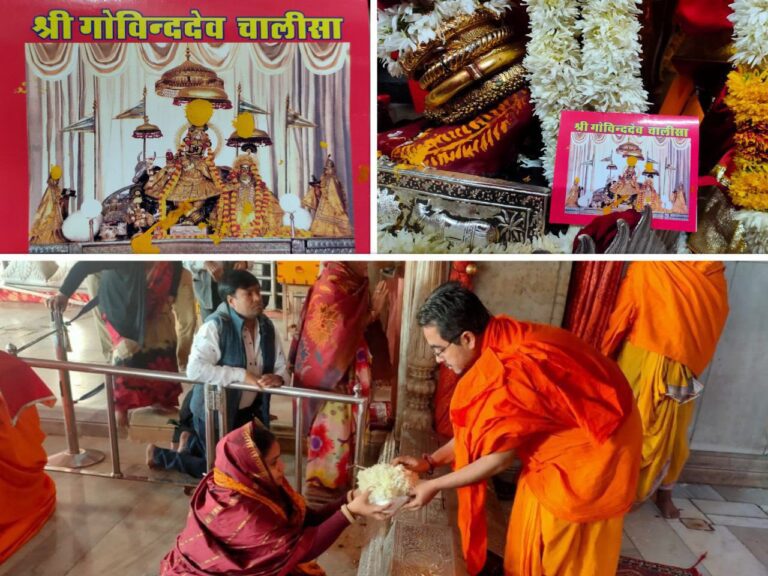
Kalyanji Temple
Kalyanji Temple in Jaipur's Chandpol Bazaar is approximately two centuries old and renowned for displaying the twenty-four avatars of Krishna, visible only twice yearly during Akha Teej and Patottsav festival.
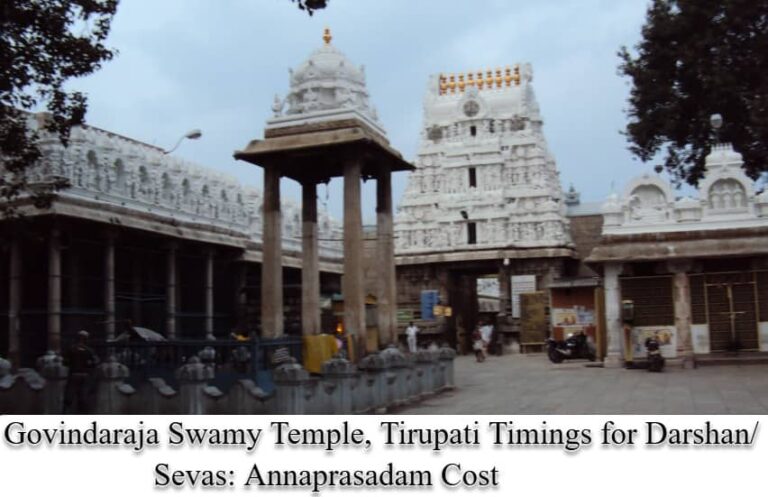
Govindarajaswamy Temple
Sri Govindarajaswamy Temple in Tirupati is an ancient Vaishnavaite shrine consecrated in 1130 AD by Saint Ramanuja, where the presiding deity rests in eternal Yoga Nidra on the serpent Adisesha.
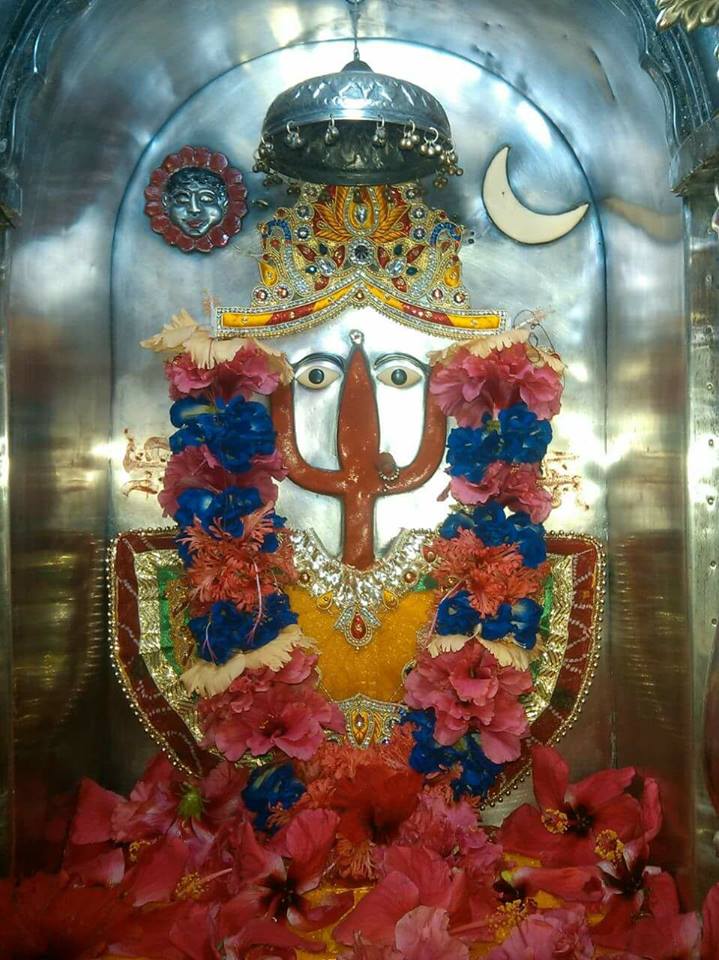
Rani Sati Mandir Mahuda
Rani Sati Mandir in Mahuda, Dhanbad District, is a Hindu temple established in 1992 that serves as a spiritual center for the local community and attracts devotees seeking blessings.