Budhanilkantha Temple
About Budhanilkantha Temple
The temple operates on a structured daily schedule that accommodates both early risers and daytime visitors. The gates open at 04:00, though formal darshan—the viewing of the deity—begins at 06:00 and continues until 17:00. The temple closes at 19:30 each evening. Two aartis (ritual worship ceremonies) mark the day: the morning aarti takes place at 05:00, and the evening aarti at 17:00. These rituals follow the traditional pattern of Hindu temple worship, with the morning ceremony typically drawing devotees seeking blessings at the start of their day. Visitors planning to attend the aartis should arrive with sufficient time before these hours, as the temple may experience increased crowds during these periods.
Festival Observances
Throughout the year, Budhanilkantha Temple celebrates several significant festivals that draw larger numbers of pilgrims and see the temple decorated with special care. Kartika Ekadasi is marked by the Hari Bodini Mela, commemorating Lord Vishnu's awakening—a major occasion in the Vaishnava calendar. The temple also observes Baisakh Purnima, Janai Purnima, Akshya Tritiya, and Ram Navami. These festivals align with the lunar calendar and hold particular importance in Hindu devotional practice. Visitors interested in experiencing the temple during these occasions should verify exact dates in advance, as lunar festivals vary from year to year.
Visiting Information and Practicalities
The temple is located at coordinates 27.77805556, 85.36222222 in Budhanilkantha, Kathmandu, making it accessible via Google Maps for navigation. As an open-air temple, it remains exposed to weather conditions year-round; visitors should dress appropriately for Kathmandu's climate and bring sun protection during warmer months. Temples of this tradition typically expect visitors to remove footwear before entering the sanctum area and to dress modestly, covering shoulders and knees. Photography policies may vary; it is respectful to ask permission before photographing the deity or ongoing rituals. The temple's early opening time means that those wishing to attend the morning aarti should plan accordingly, particularly if traveling from central Kathmandu.
The Reclining Form of Mahavishnu
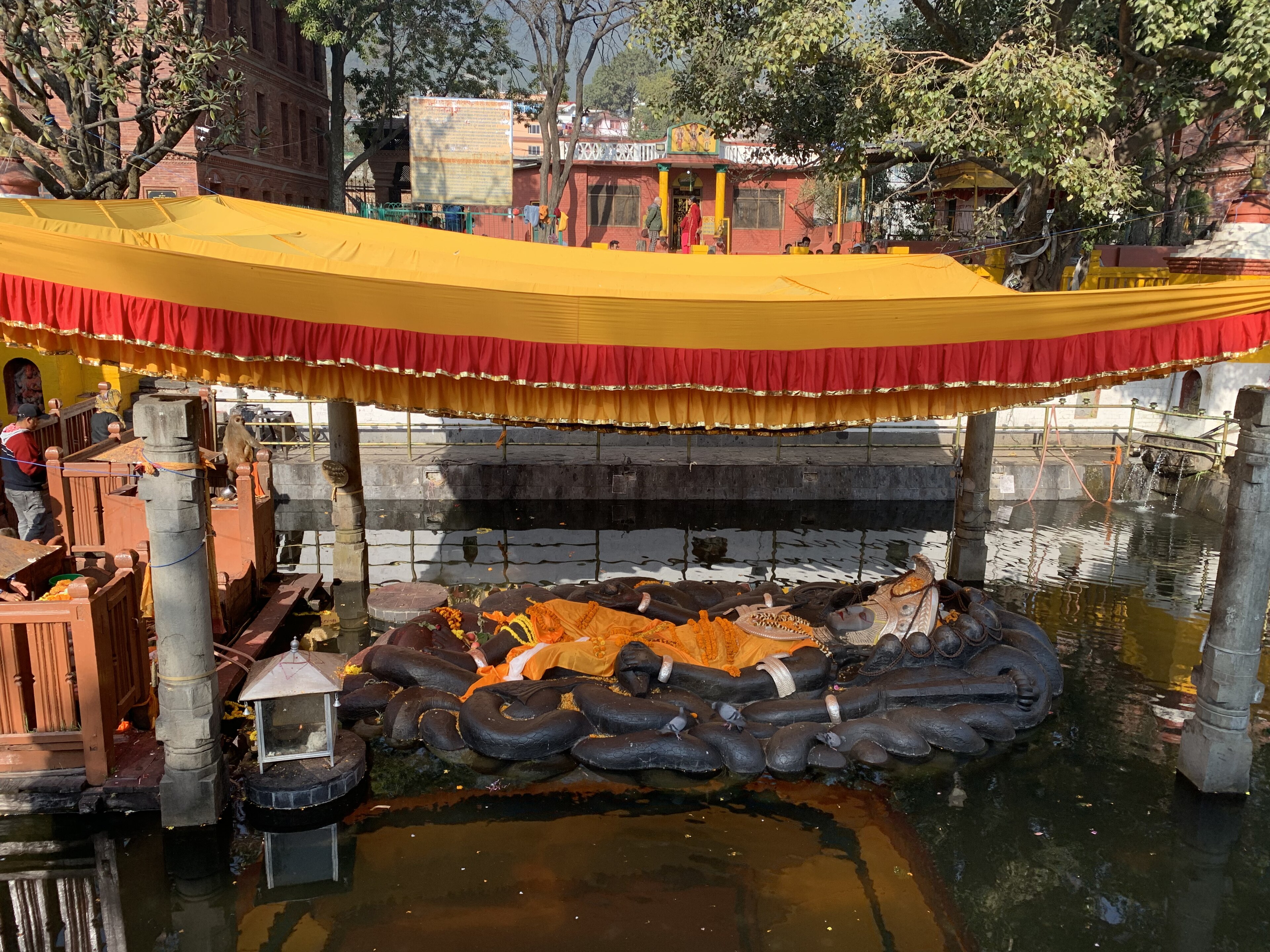
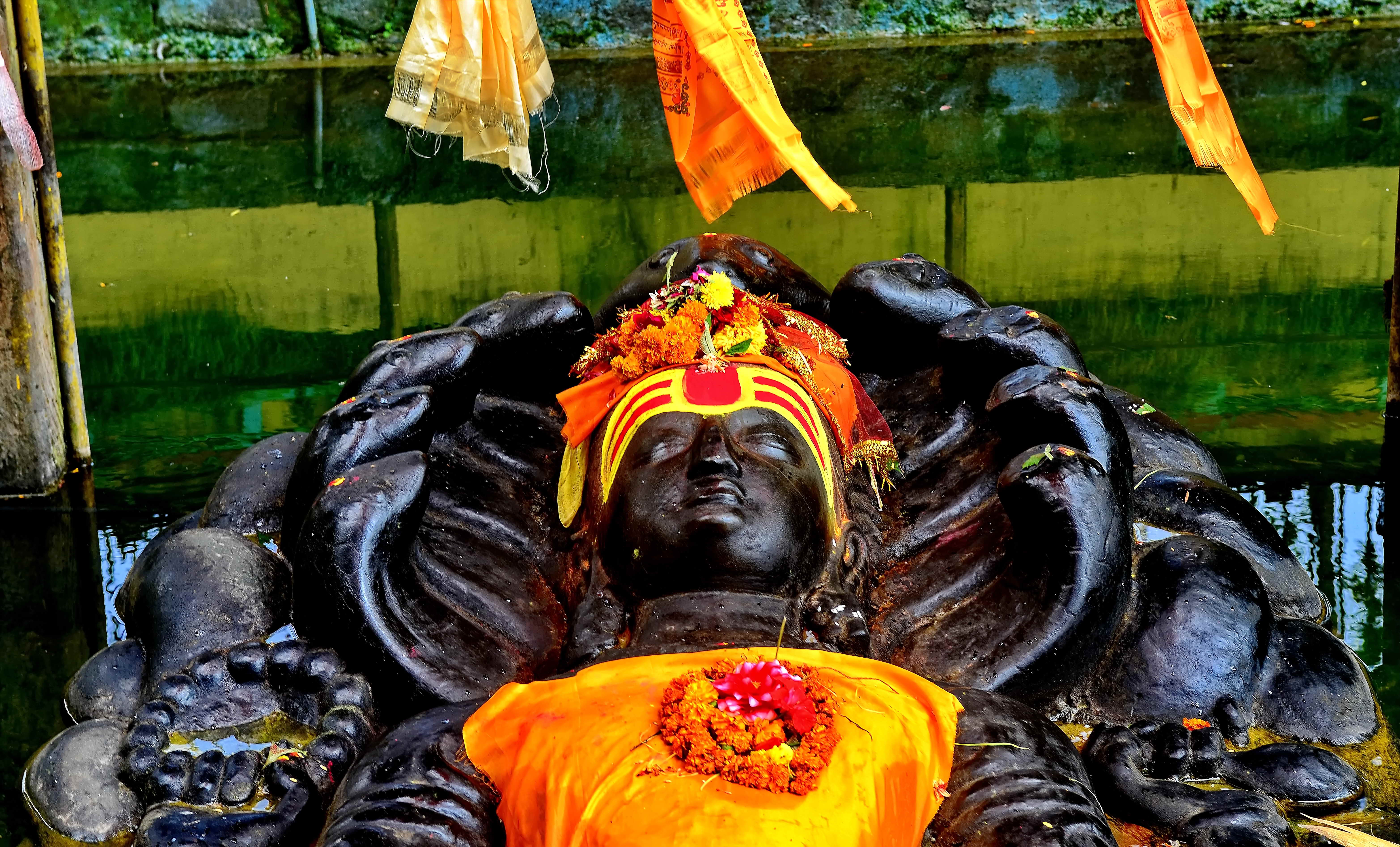
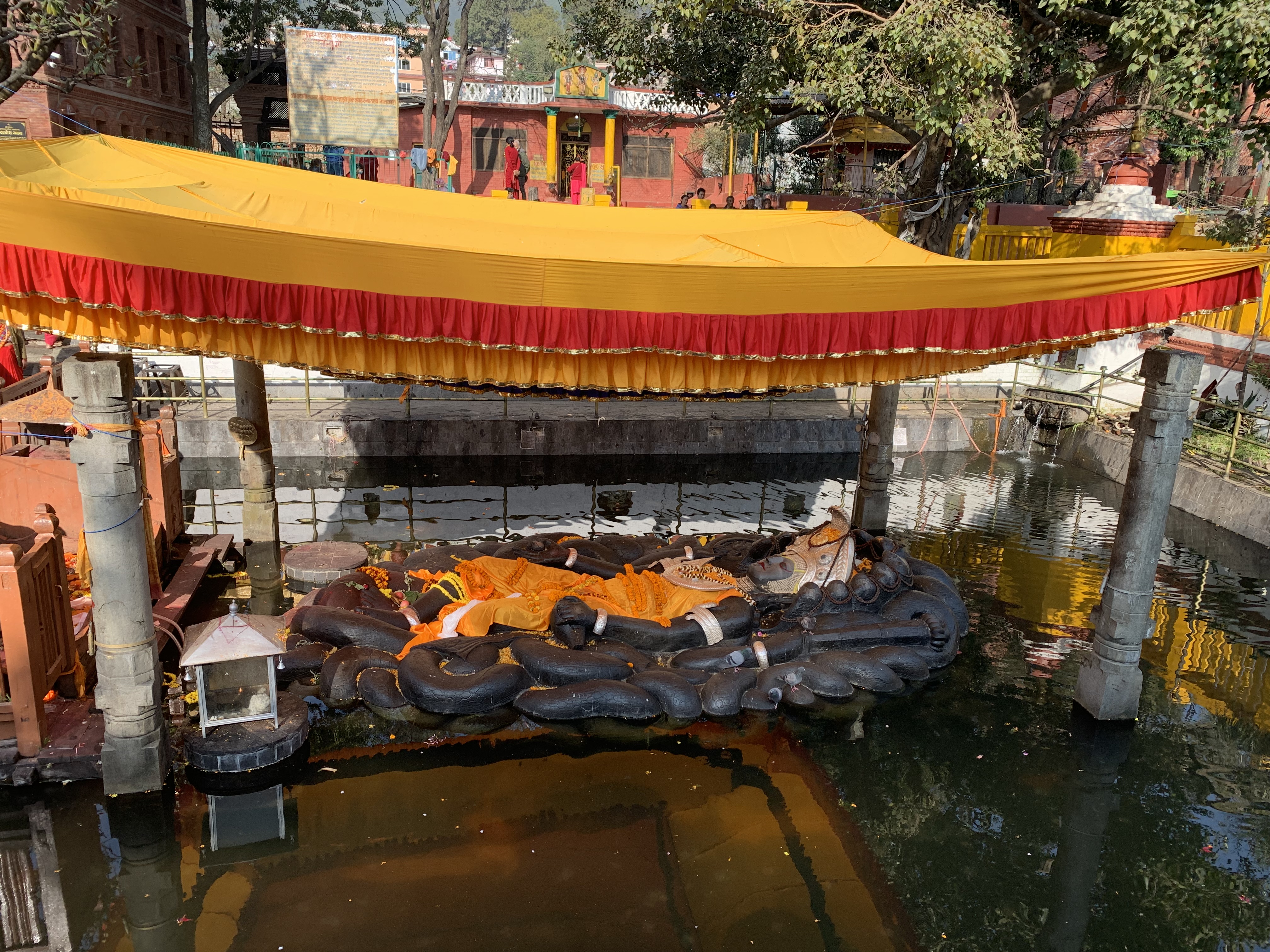
The reclining posture of the deity depicted in the temple's central statue carries specific theological significance in Hindu tradition. This form represents Mahavishnu in cosmic repose, often associated with the deity's rest between cycles of creation. The reclining position is a recognized iconographic form across Hindu temples, particularly those dedicated to Vishnu. The prominence of this statue as the temple's defining feature makes it the focal point of devotion and the primary object of darshan for visitors. The open-air setting allows worshippers to view the statue under natural light, creating a distinctive experience compared to enclosed temple sanctums.
Getting There
Budhanilkantha is located within Kathmandu and can be reached using local transportation. The specific coordinates (27.77805556, 85.36222222) can be entered into navigation applications to determine the most direct route from your current location. Visitors should allow time for travel within the city and consider visiting during daylight hours if unfamiliar with the area. The temple's early opening time means that those planning to attend morning worship should depart with sufficient time to account for travel delays.
How to reach
You may also visit
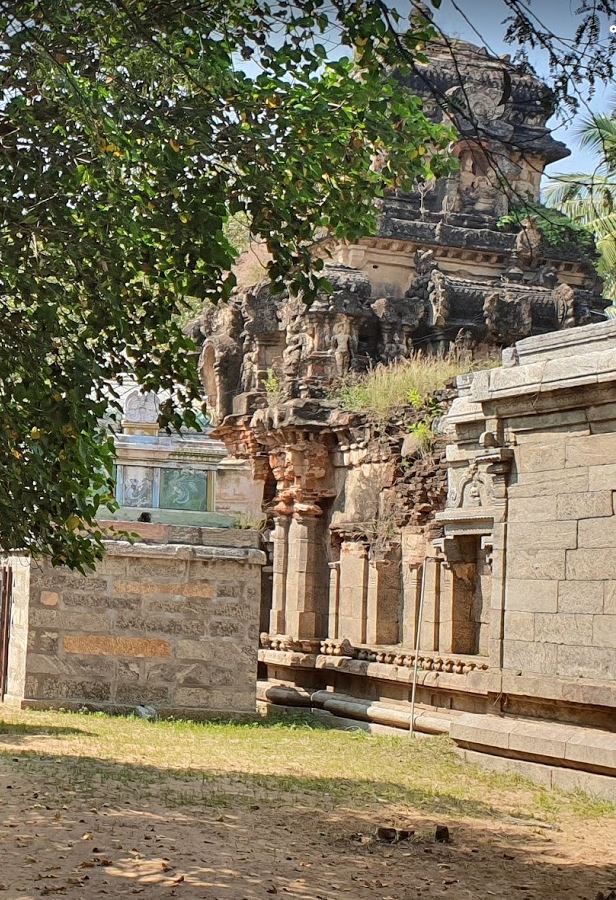
Agatheeswarar Temple, Karur
Agatheeswarar Temple in Thirumukkudalur, Karur district, is an ancient Hindu shrine dedicated to Shiva, situated at the sacred confluence of three rivers and believed to be over 1000 years old.
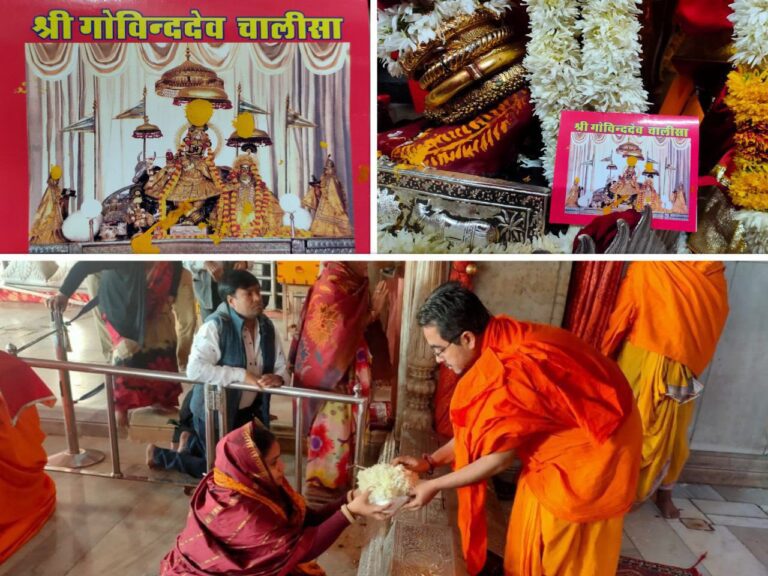
Kalyanji Temple
Kalyanji Temple in Jaipur's Chandpol Bazaar is an ancient Krishna shrine established in the 1820s, renowned for its seven daily aartis and special avatar darshan ceremonies during Akha Teej and Patottsav festivals.
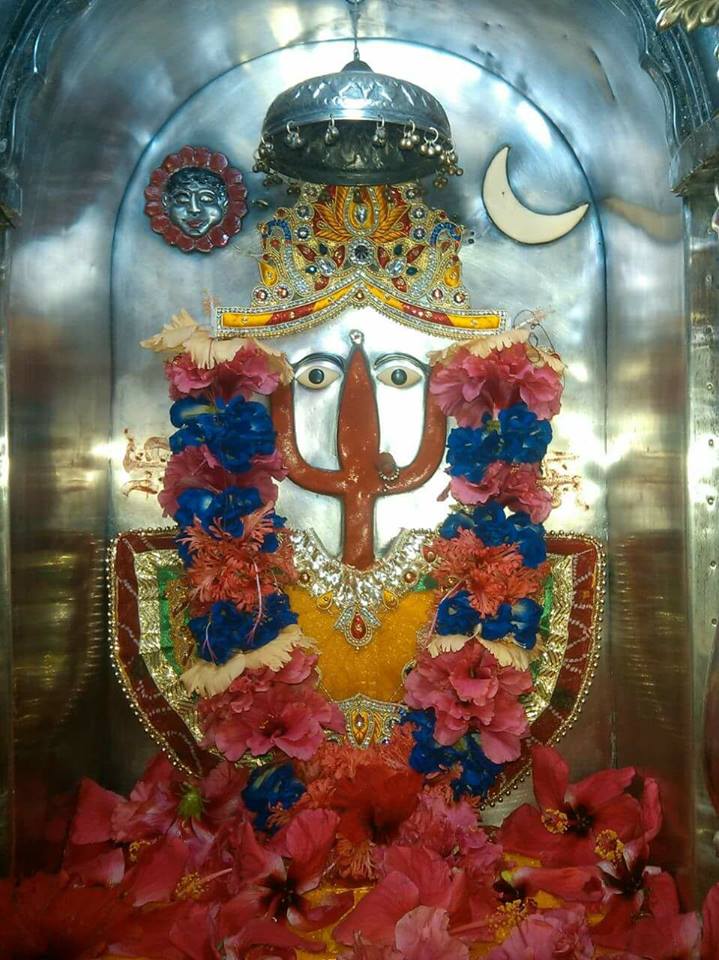
Rani Sati Mandir Mahuda
Rani Sati Mandir in Mahuda, Dhanbad District, is a Hindu temple established in 1992 that serves as a spiritual center for the local community and attracts devotees seeking blessings.