Devrani Jethani Temple Complex
About Devrani Jethani Temple Complex
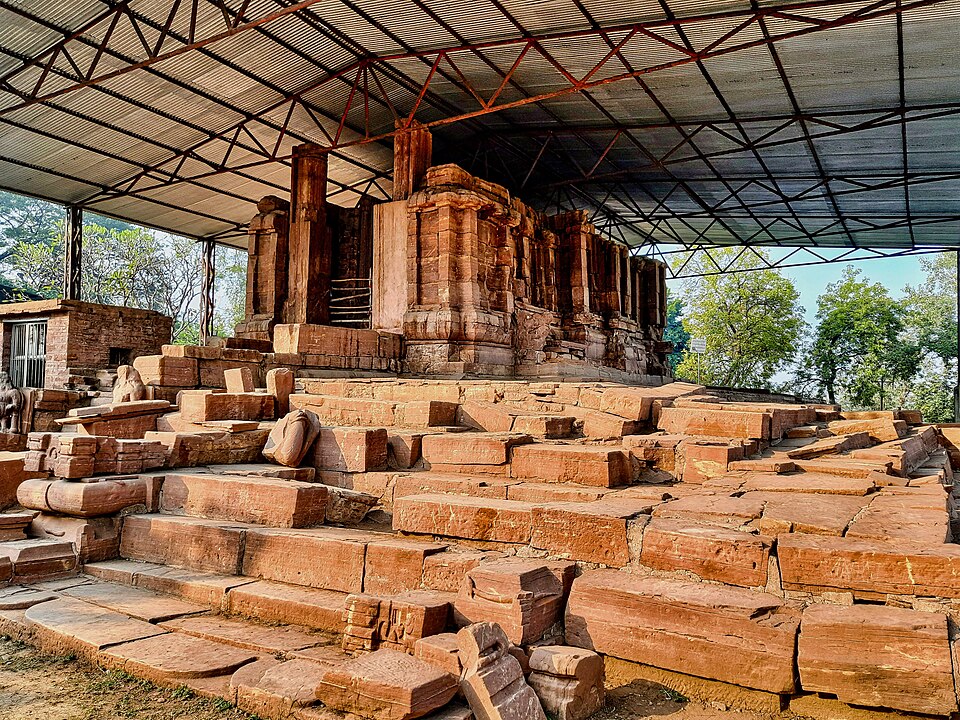
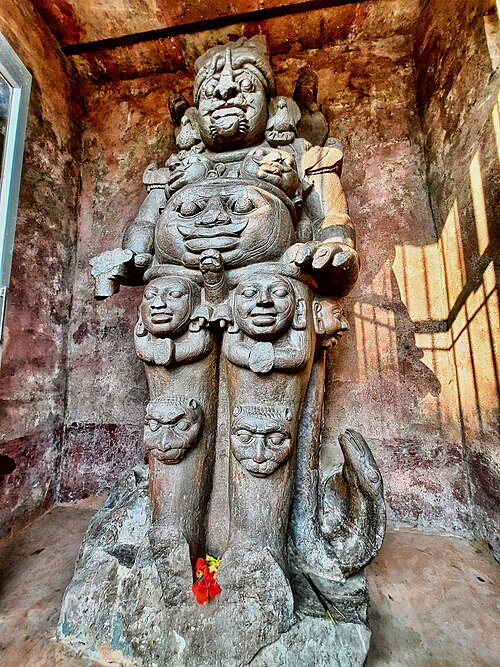
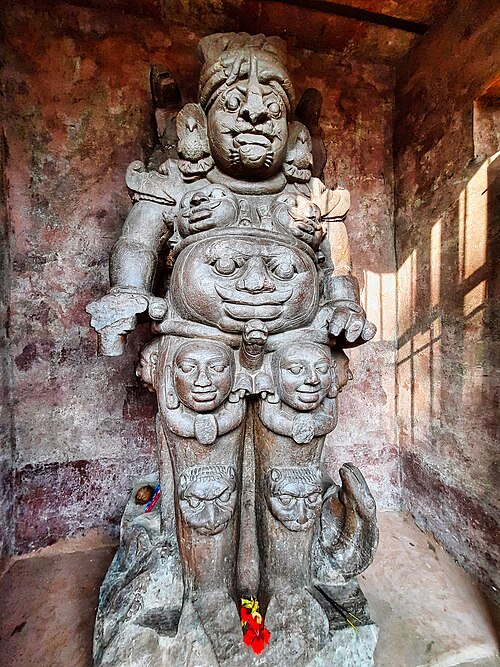
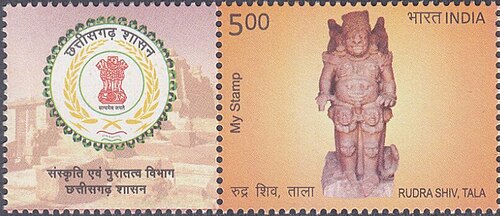
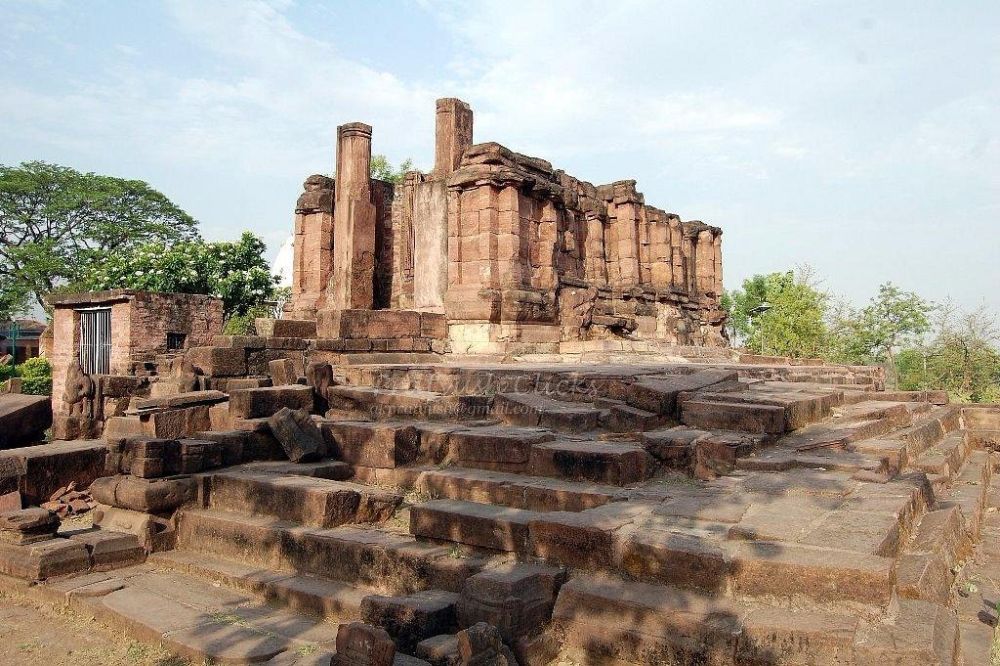
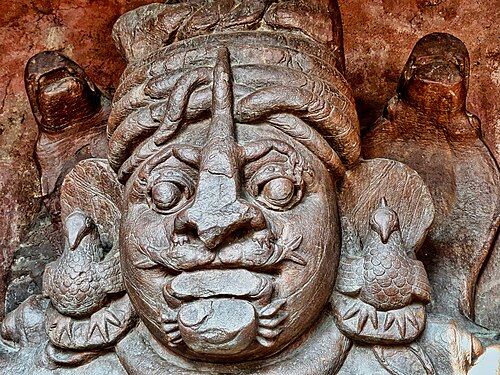
The Devrani temple, the better-preserved of the two structures, consists of a shrine, antechamber, and pavilion constructed from ashlar stone. Its doorway is lavishly decorated with relief sculptures that demonstrate the skilled craftsmanship of the period. The Rudra Shiva statue excavated from within the temple remains in situ, allowing visitors to encounter it in its original setting.
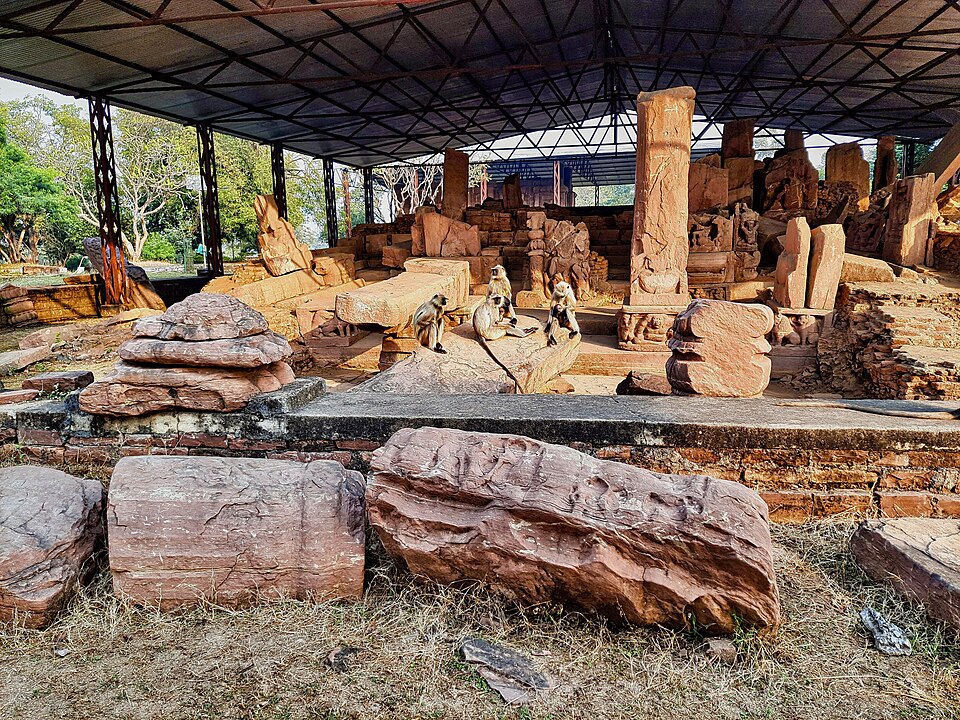
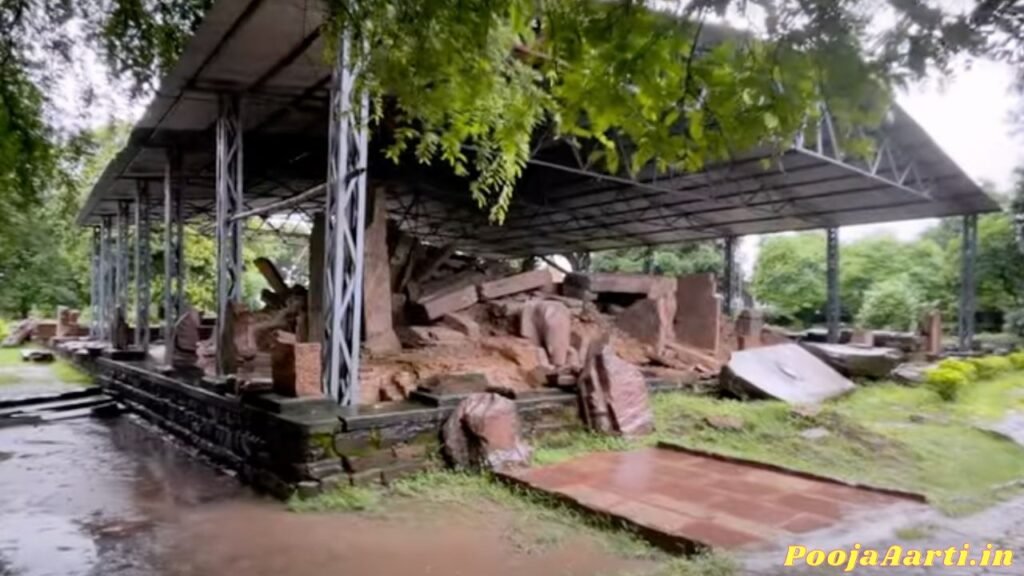
The Jethani temple exists largely in ruins, with fragments scattered across the site that allow archaeologists to reconstruct its original plan. Despite its deteriorated condition, the scale of its construction suggests it was an ambitious undertaking. Together, these two temples form an important record of early medieval Hindu temple architecture in central India.
Visiting Information and Practical Details
The temple complex is open Monday through Saturday from 10:00 AM to 5:00 PM, and closed on Sundays. Entry is free. The site is located in Tala village, Bilaspur district, Chhattisgarh, at coordinates 21.9072, 82.0259.
The best time to visit is between October and March, when the climate is cooler and more comfortable for walking the uneven temple grounds. The festival of Maha Shivratri, observed annually in honour of Shiva, draws devotees to the site. Visitors should carry water and sun protection, as the area can become quite hot. Comfortable footwear is essential, as the temple grounds contain uneven surfaces and scattered stone fragments. Respect for the site's archaeological and spiritual significance is important; visitors should follow any guidelines posted for preservation of this ancient complex.
The Maniyari River Setting
The temples stand on the banks of the Maniyari River, a geographical feature that would have been significant to the religious and practical life of the ancient settlement. The river's presence shaped both the choice of location and the daily rhythms of worship and community life at this Shaivite center. Visitors approaching the site encounter this landscape as part of the temple experience.
What Devotees and Visitors Seek
Those who visit the Devrani Jethani complex come with varied purposes. Devotees are drawn to the unique Rudra Shiva form, which is believed to convey spiritual teaching through its distinctive iconography—the representation of the divine through all creatures is understood to remove ego and reveal the Lord's presence in all living things. Historians and archaeologists value the site as evidence of Tantric practice and architectural achievement during the early medieval period. Visitors more broadly come to witness the craftsmanship of ancient artisans and to experience a landscape shaped by centuries of religious devotion.
Access and Nearby Context
The temple complex is situated within Bilaspur district in Chhattisgarh state. The site remains somewhat removed from major tourist circuits, which has both preserved its character and meant that detailed visitor facilities are limited. Local tourism resources can provide current information about access routes and any seasonal considerations. The archaeological importance of the site continues to draw scholarly attention, and conservation efforts remain ongoing.
How to reach
Temples near Devrani Jethani Temple Complex
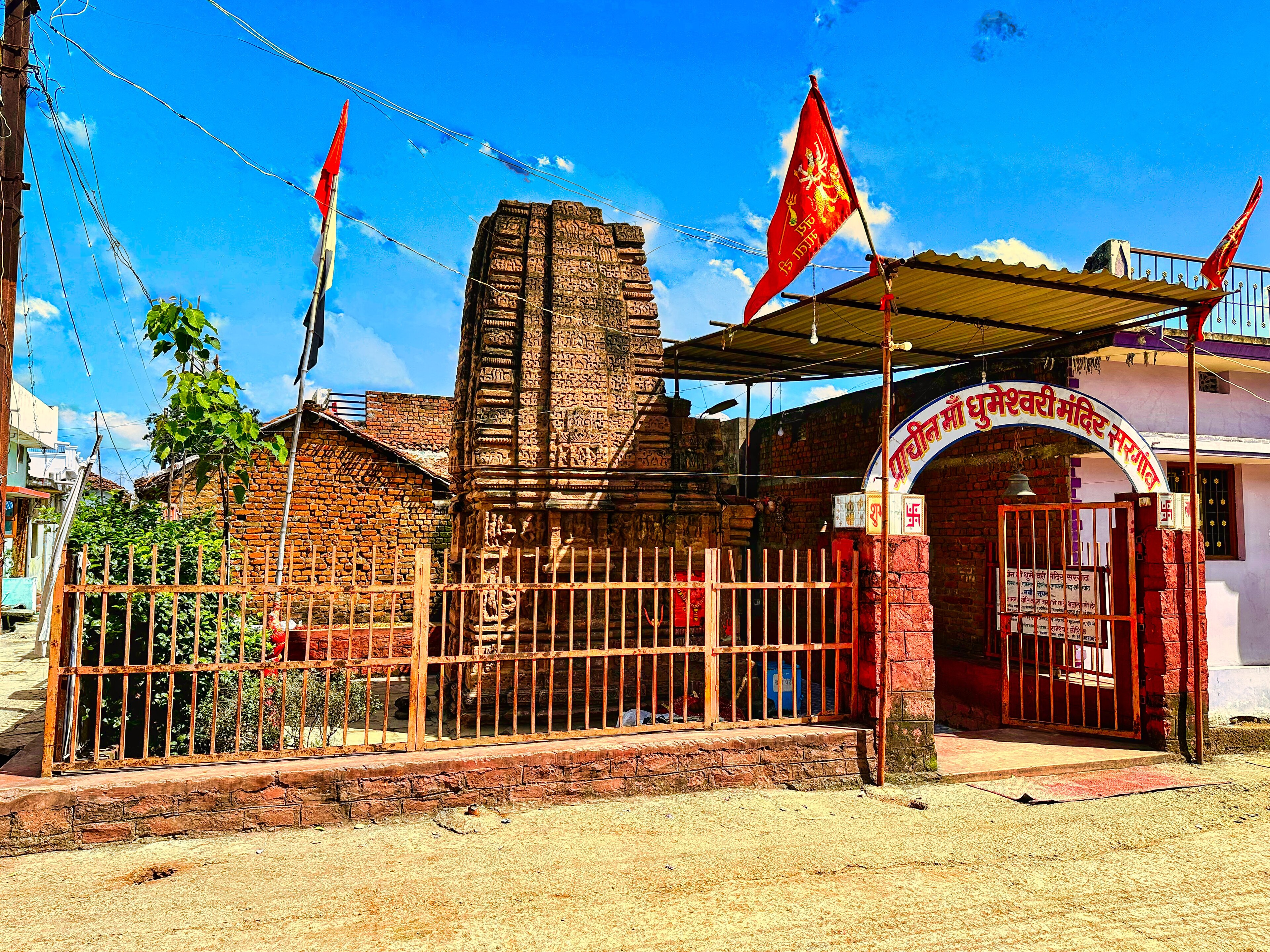
Dhumnath Temple
Dhumnath Temple is a Shiva temple located in Sargaon village, Chhattisgarh, built during the Kalachuri period and protected as a state monument.
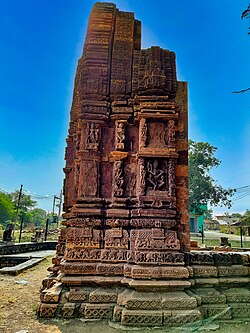
Deokirari Shiv temple, Kirari Godi, Chhattisgarh
The Deokirari Shiv temple is an 11th-century Kalachuri-era shrine near Kirari Godhi village in Bilaspur district, Chhattisgarh. Though largely ruined, its remaining platform and…
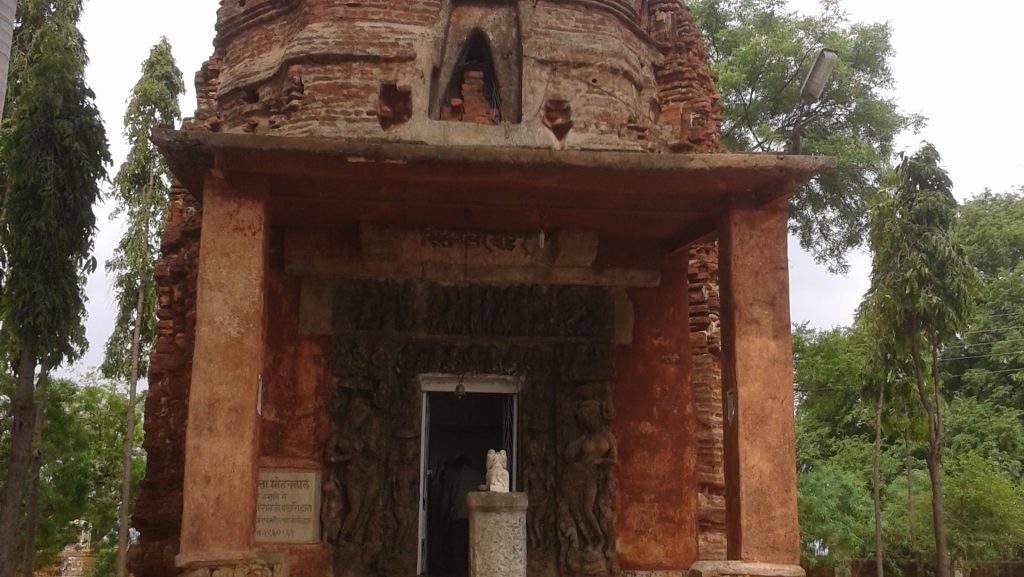
Siddheshwar Mandir, Palari
Siddheshwar Mandir in Palari is an ancient brick-built Shiva temple from the 7th–8th century, situated on the embankment of Balasamund pond in Chhattisgarh's Balodabazar district.
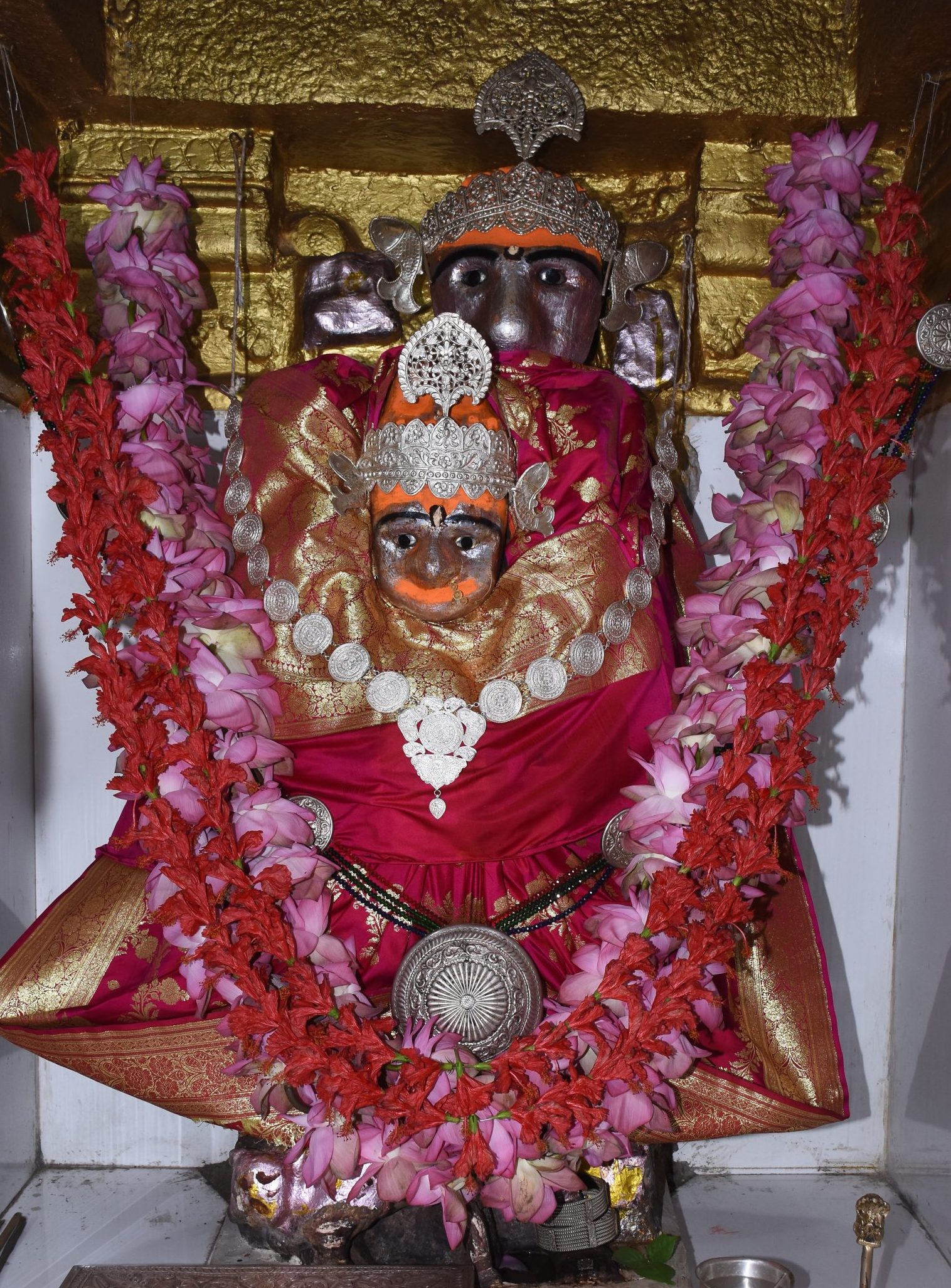
Mahamaya Temple
Mahamaya Temple in Ratanpur is a revered Shakta pitha dedicated to Goddess Durga in her forms as Mahamaya and Mahalakshmi, representing one of India's 52 sacred feminine power s…
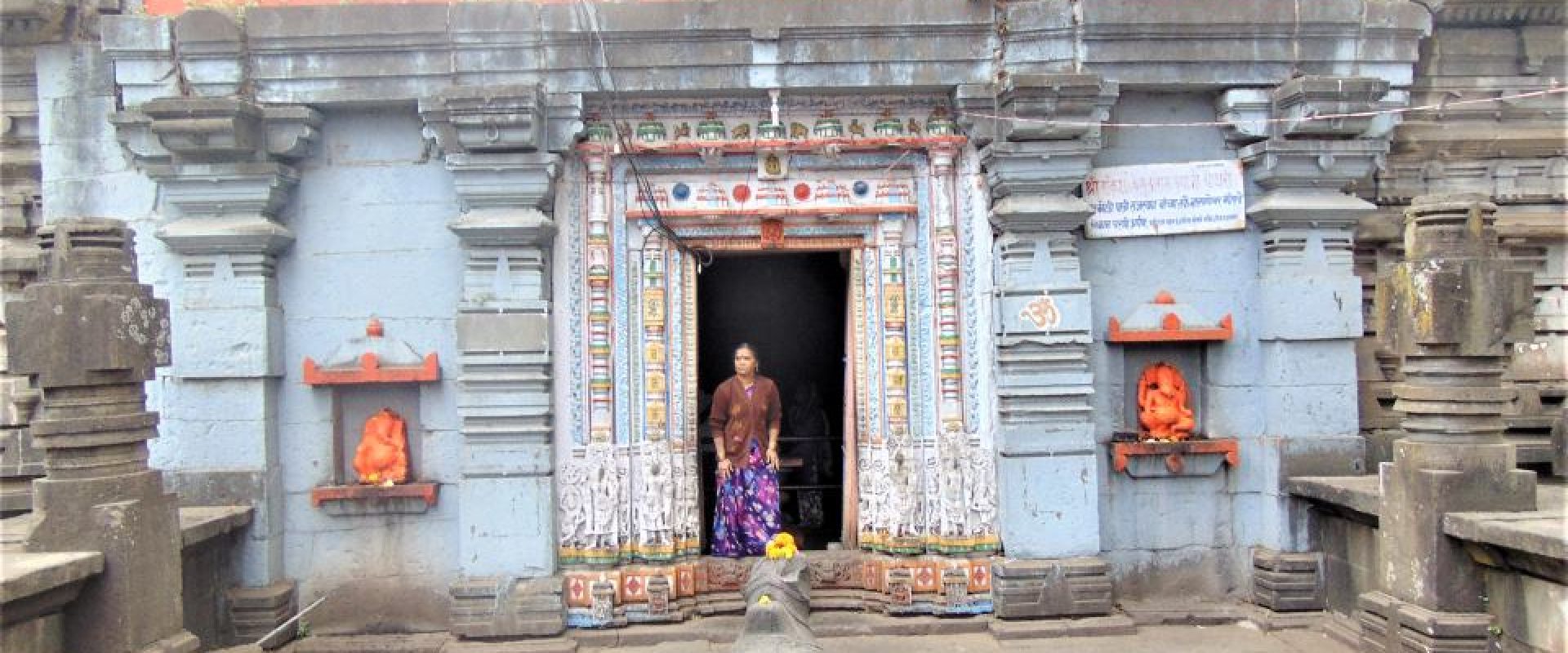
Narayanpur Mahadev Temple
Narayanpur Mahadev Temple, located in Purandar, Pune, is an ancient shrine dedicated to Lord Shiva with intricate stone carvings believed to date from the Yadav era. The temple…

Indal Deul Temple
Indal Deul Temple in Kharod, Chhattisgarh is an early medieval brick temple dating to 650–675 CE, representing a significant example of seventh-century Hindu temple architecture…