Siddheshwar Mandir, Palari
About Siddheshwar Mandir, Palari
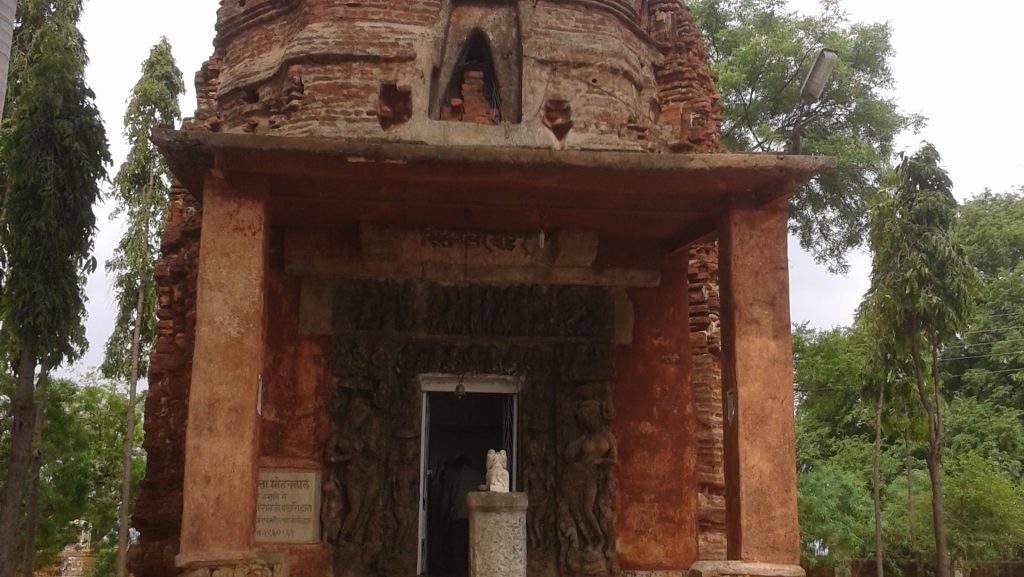
The temple's entrance announces its theological purpose through carefully composed sculpture. Life-sized figures of the river goddesses Ganga and Yamuna flank the doorway, posed in tribhanga mudra—a classical stance of graceful, three-fold flexion. These are accompanied by representations of the eight directional guardians, which establish the sacred geography of the shrine according to Hindu cosmological principles.
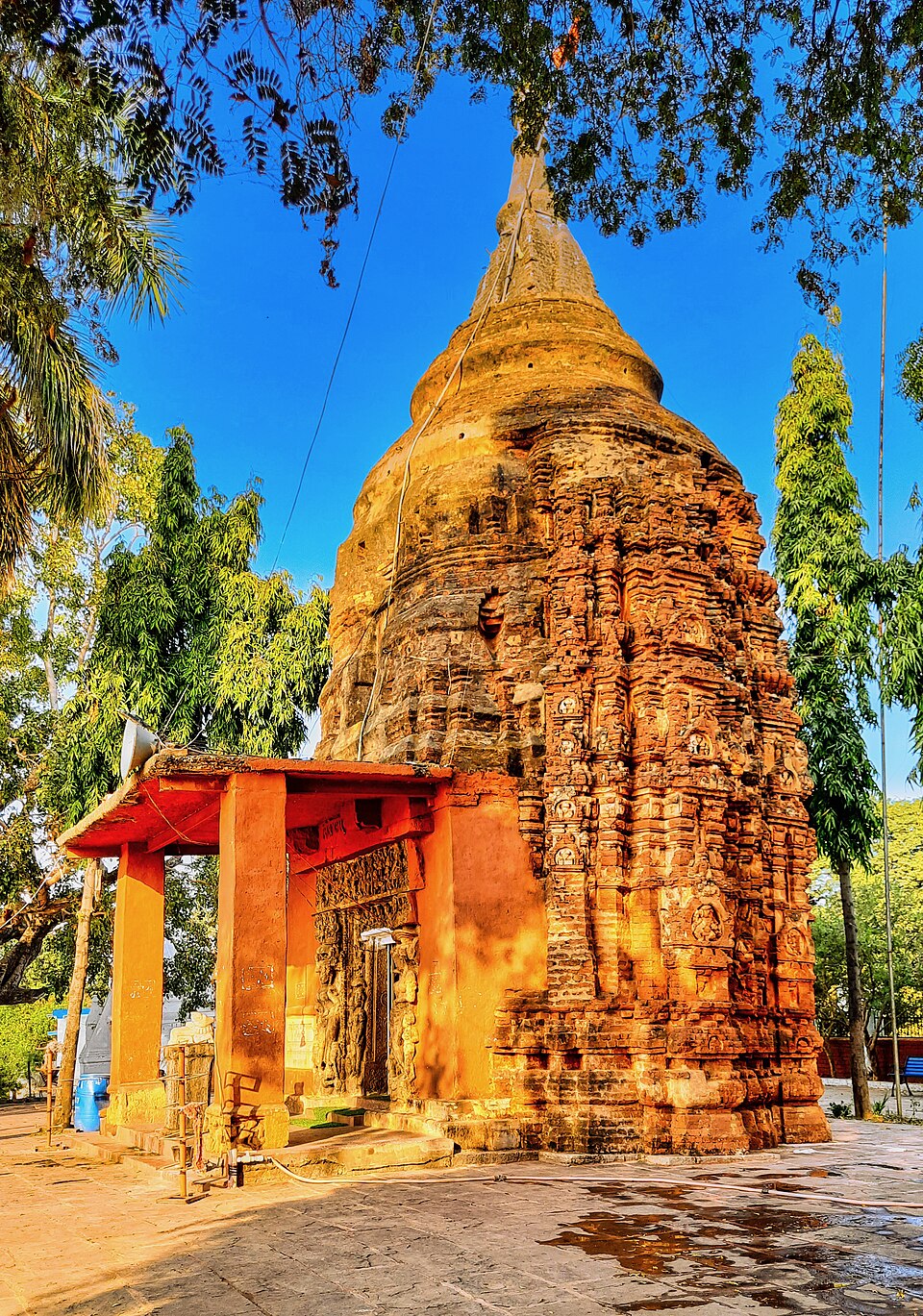
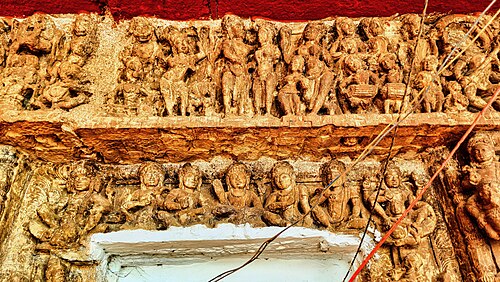
The lintel above the entrance carries elaborate carving: Lakulisha appears with his four disciples, while Brahma and Vishnu are also represented. An upper frieze depicts the wedding of Shiva and Parvati alongside scenes of Shiva vanquishing demons, imagery that emphasizes the deity's role as cosmic protector and restorer of order. The shikhara, or tower, is ornamented with gavakshas—small arched openings—each crowned with lion motifs. The courtyard entrance displays pillars bearing life-sized male figures, an early example of such sculptural placement in temple design. These elements collectively demonstrate the craftsmanship and theological vision of seventh-century builders in the region.
Daily Worship and Darshan
Puja is conducted three times each day at the temple. The morning session runs from 09:30 to 10:30, the afternoon from 16:00 to 17:00, and the evening from 22:00 to 23:00. Devotees may visit during these times to offer prayers and receive darshan of the Shivalinga.
Monday holds particular significance in Shiva worship traditions, and this temple observes the day with special reverence. Visitors planning their visit should confirm current timings with the temple, as schedules may vary seasonally or on festival occasions. Temples dedicated to Shiva typically welcome visitors of all backgrounds, though standard etiquette applies: removing footwear before entering the sanctum, maintaining respectful behavior, and following any instructions given by temple staff. Modest dress is customary when visiting Hindu temples.
Festivals and Celebrations
The temple celebrates several festivals throughout the year. Hanuman Jayanti in April marks the birth of Hanuman, the monkey deity revered across Hindu traditions. Diwali and Kartik Purnima both fall in November; Diwali is observed with the festival of lights and Lakshmi puja, while Kartik Purnima is celebrated as Dev Deepawali. During these festivals, the temple is typically decorated more elaborately and draws larger numbers of worshippers. November is noted as the best time to visit if you wish to experience the temple during these celebrations.
Visiting Information and Practical Details
Siddheshwar Mandir is located at coordinates 21.534904°N, 82.177734°E in Palari village, Balodabazar district. The nearest town reference point is Balodabazar, approximately 25 kilometers away. Visitors should confirm darshan timings before traveling, as these may vary on festival days.
The temple is protected heritage property, and visitors should treat the site with appropriate respect for its age and religious significance. No detailed information about facilities such as parking, accommodation, or refreshment services is available from current sources. Visitors are advised to contact the temple directly or check locally for such amenities before arrival.
How to reach
You may also visit
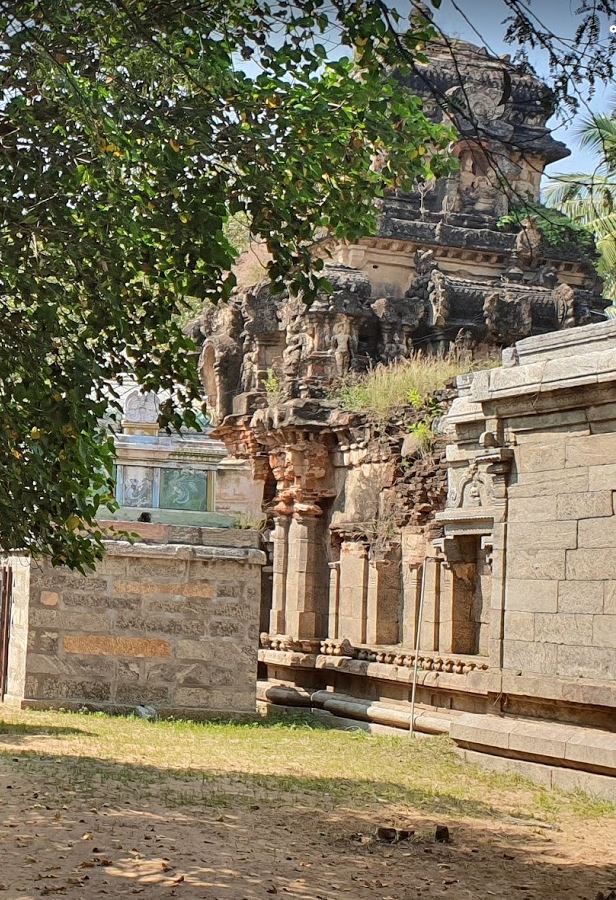
Agatheeswarar Temple, Karur
Agatheeswarar Temple in Thirumukkudalur, Karur district, is an ancient Hindu shrine dedicated to Shiva, situated at the sacred confluence of three rivers and believed to be over 1000 years old.
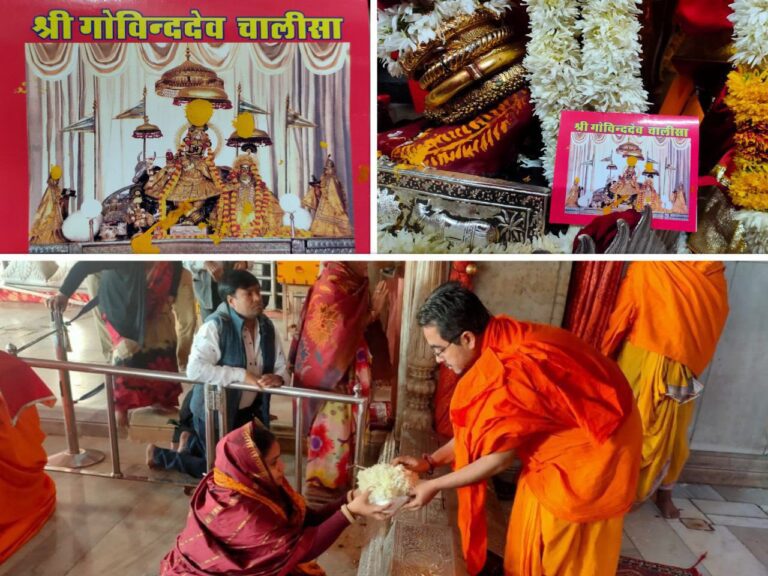
Kalyanji Temple
Kalyanji Temple in Jaipur's Chandpol Bazaar is an ancient Krishna shrine established in the 1820s, renowned for its seven daily aartis and special avatar darshan ceremonies during Akha Teej and Patottsav festivals.
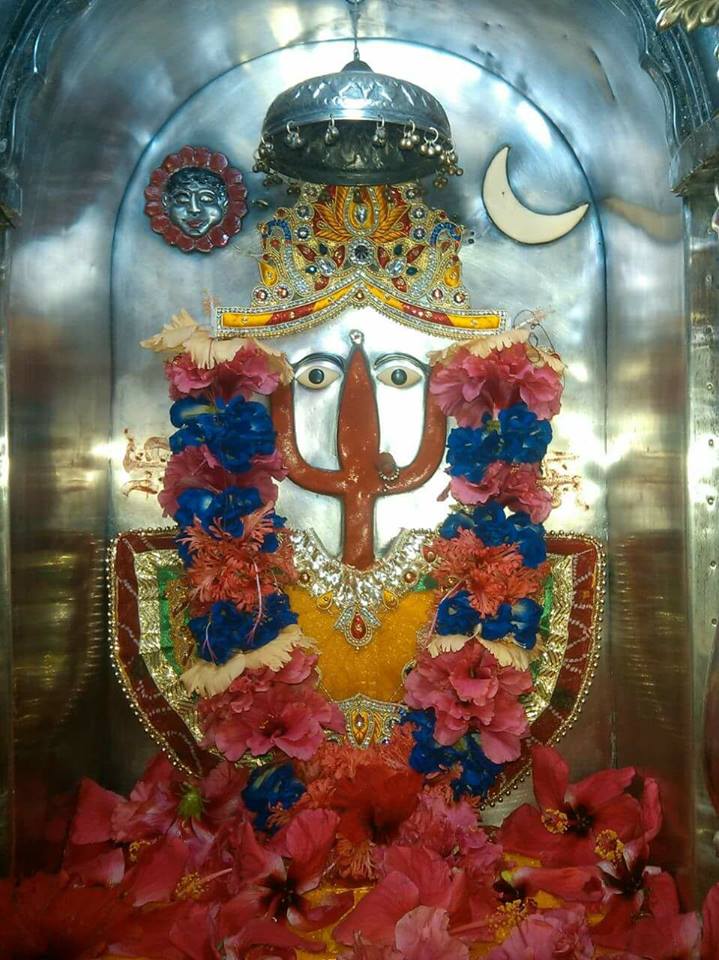
Rani Sati Mandir Mahuda
Rani Sati Mandir in Mahuda, Dhanbad District, is a Hindu temple established in 1992 that serves as a spiritual center for the local community and attracts devotees seeking blessings.