


Indal Deul Temple
About Indal Deul Temple
The temple was constructed using brick and stucco, materials that were standard in seventh-century Chhattisgarh building practice. This technique allowed craftsmen to work with locally available resources while creating detailed ornamentation. The architectural design incorporates symbolic and decorative elements drawn from the period's established vocabulary, including representations of the Ganga and Yamuna rivers. These river goddesses typically appeared as sculptural or carved elements, often positioned to flank entrances or featured prominently in the temple's design. Their inclusion reflects their deep significance in Hindu cosmology and the aesthetic conventions of temple building during this era.
The durability of brick-and-stucco construction, combined with the care of successive generations of caretakers, has allowed the temple to survive to the present day. Structures of this age and material require ongoing maintenance to preserve their integrity, and the temple's continued existence speaks to both the skill of its original builders and the commitment of those who have maintained it.
The Panduvamshi Period and Regional Context
Indal Deul Temple emerged during the Panduvamshi period, a time when Chhattisgarh witnessed flourishing temple construction and the development of distinctive regional architectural styles. This era saw the creation of devotional spaces that would influence temple building practices across central India. The temple's construction date places it among the earlier surviving examples of brick temple architecture in the region, making it valuable for understanding how Hindu communities conceived and built sacred spaces during this transformative period.
Chhattisgarh has long functioned as an important center of Hindu worship and pilgrimage, with numerous temples reflecting centuries of continuous religious practice. Indal Deul Temple contributes to this heritage as a tangible connection to early medieval devotional life and the spiritual aspirations of its time.
Visiting the Temple: Practical Information
Specific information about current opening hours, darshan timings, and facilities at Indal Deul Temple is not available in documented sources. Before planning a visit, travelers should contact local authorities in Janjgir–Champa District or seek guidance from residents of Kharod regarding access, worship schedules, and any ongoing religious practices at the site.
The temple is located at coordinates 21.74682825688813, 82.579605519453 in Kharod village. Kharod is situated in Janjgir–Champa District in Chhattisgarh state. Visitors will need to arrange their own transportation to the village; specific distances and travel times from major cities are not detailed in available sources, though Raipur, the state capital, is the nearest major urban center.
Etiquette and Dress
As with most Hindu temples, visitors should expect to remove footwear before entering the inner sanctum and dress modestly. Specific dress codes or ritual requirements may vary according to local custom and current worship practices. Upon arrival, observing the behavior of local devotees and seeking guidance from temple staff or residents will help ensure respectful participation in the sacred space.
For the Historically Minded
Visitors with particular interest in seventh-century architecture or the temple-building traditions of central India may find Indal Deul Temple rewarding. The site offers direct evidence of how brick and stucco were employed in religious construction during the early medieval period, and its survival provides insight into both the technical capabilities and aesthetic priorities of its builders. Those seeking to understand the regional development of Hindu temple architecture will find value in examining the temple's design and decorative elements firsthand.
How to reach
Temples near Indal Deul Temple
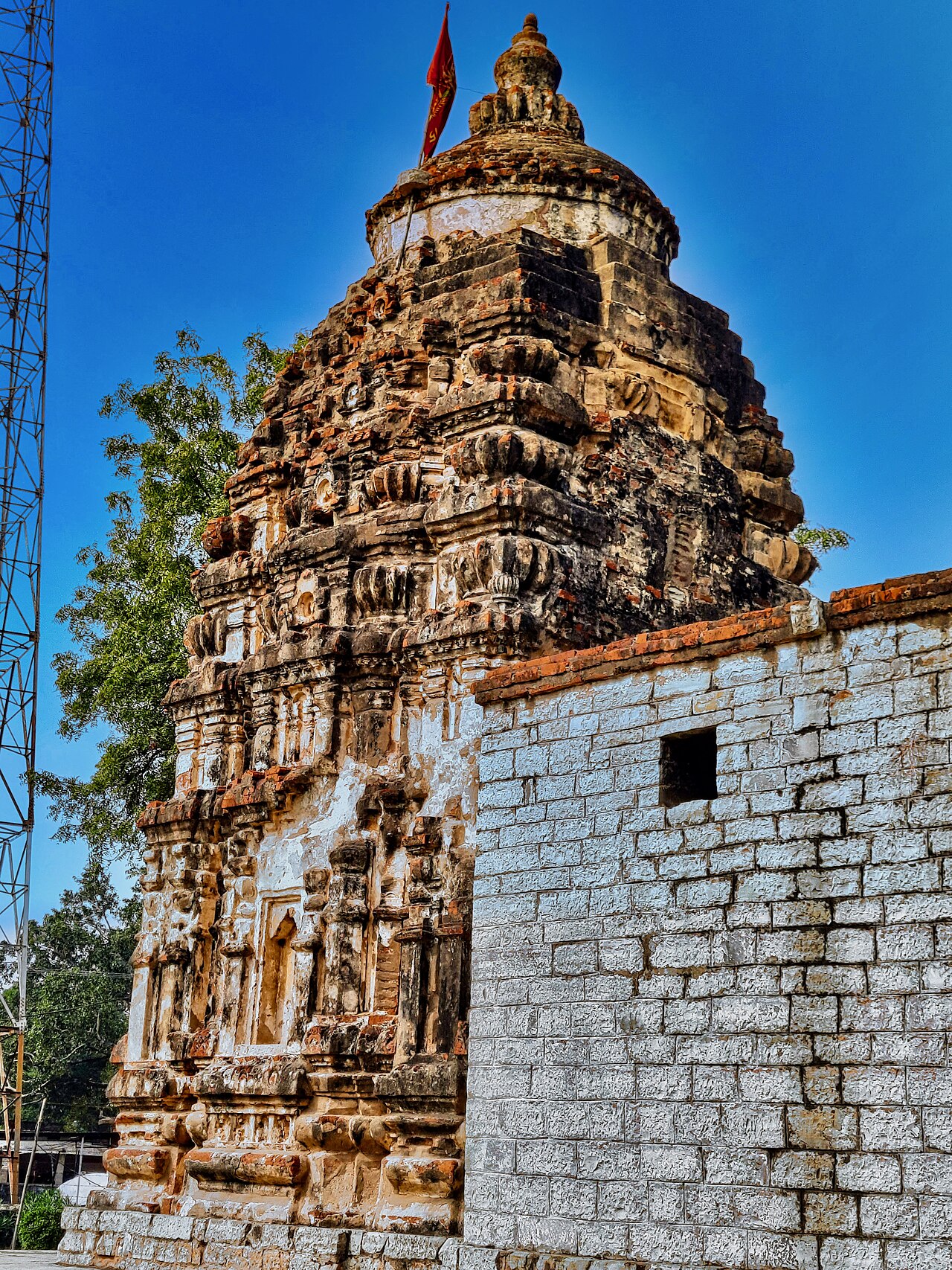
Shabari temple, Kharod
Shabari Temple in Kharod, Chhattisgarh is an ancient Hindu shrine dedicated to Maa Shabari, an 8th-century sacred site in central India.
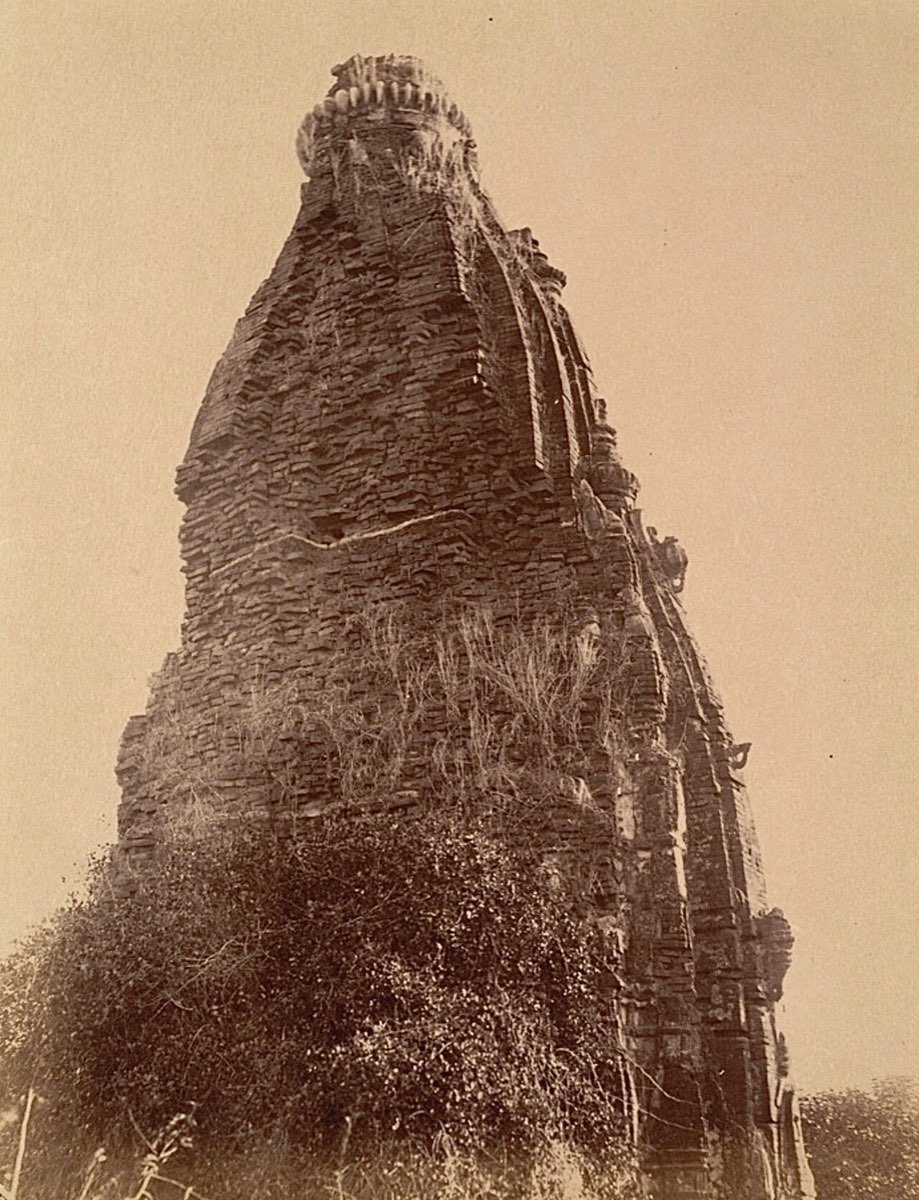
Sheorinarayana Temple and compound
Shivrinarayan Temple in Chhattisgarh is a sacred pilgrimage site dedicated to Lord Shiva and Narayan, revered especially for its location at the Mahanadi sangam confluence.
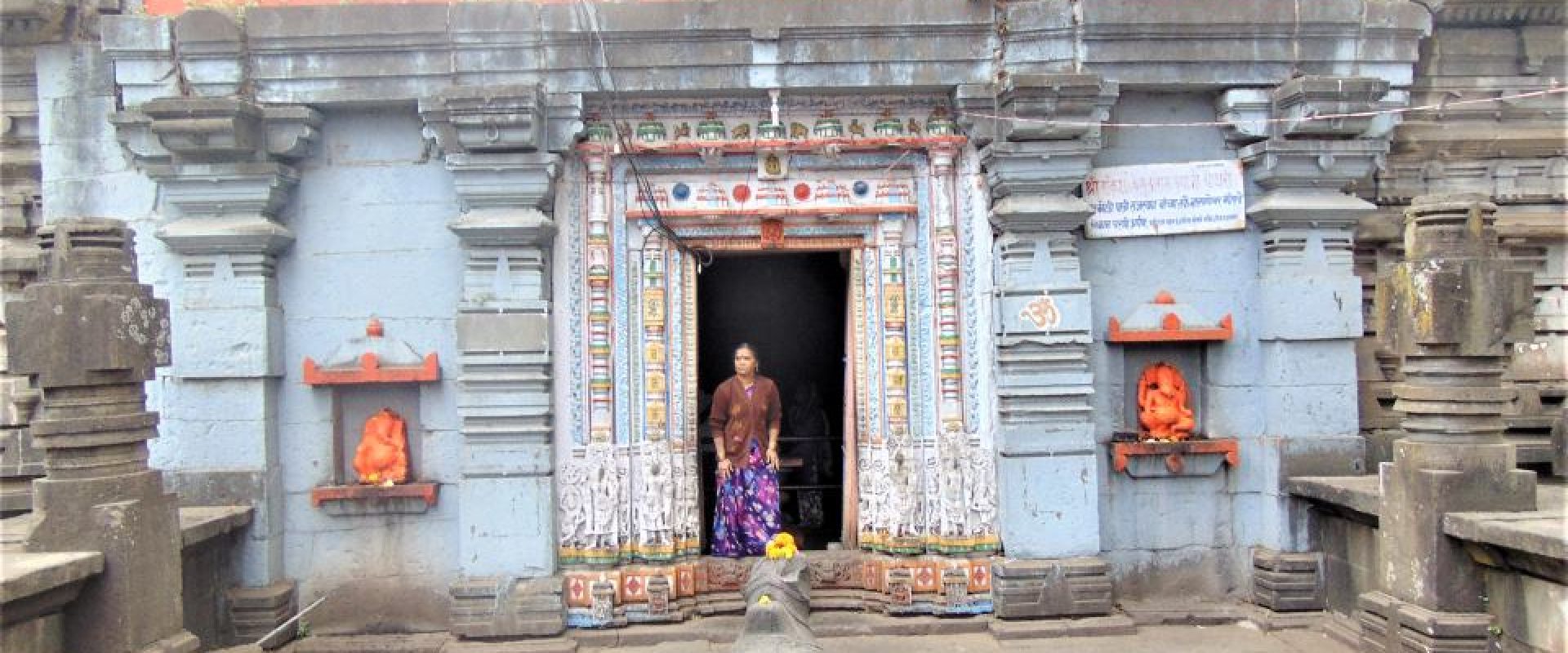
Narayanpur Mahadev Temple
Narayanpur Mahadev Temple, located in Purandar, Pune, is an ancient shrine dedicated to Lord Shiva with intricate stone carvings believed to date from the Yadav era. The temple…
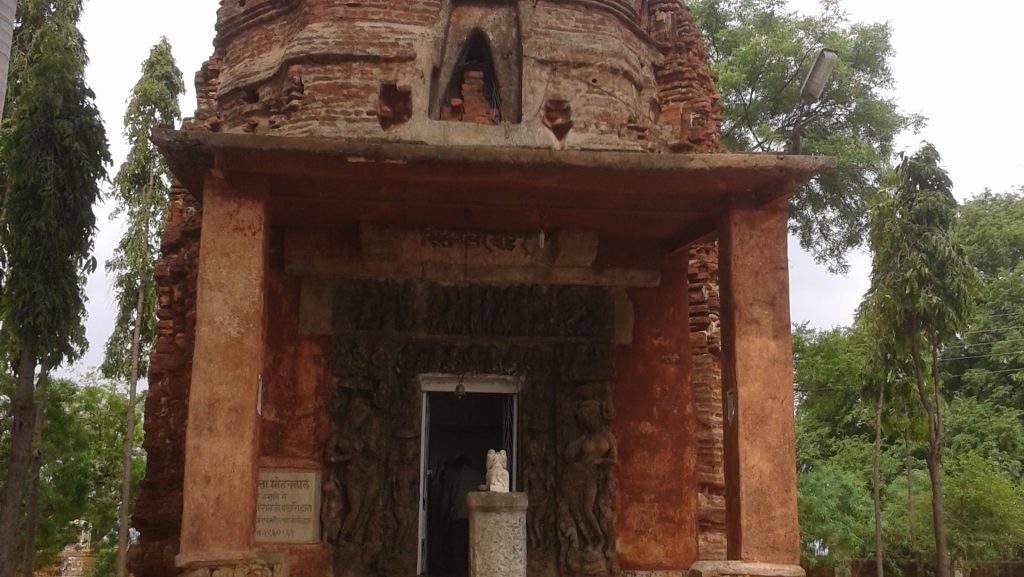
Siddheshwar Mandir, Palari
Siddheshwar Mandir in Palari is an ancient brick-built Shiva temple from the 7th–8th century, situated on the embankment of Balasamund pond in Chhattisgarh's Balodabazar district.
Ashtabhuji Temple
Ashtabhuji Temple is a Shaivist shrine dedicated to Lord Shiva, situated in Adbhar village within Janjgir-Champa district, Chhattisgarh. The temple draws devotees throughout the…
Deokirari Shiv temple, Kirari Godi, Chhattisgarh
The Deokirari Shiv temple is an 11th-century Kalachuri-era shrine near Kirari Godhi village in Bilaspur district, Chhattisgarh. Though largely ruined, its remaining platform and…