Deokirari Shiv temple, Kirari Godi, Chhattisgarh
About Deokirari Shiv temple, Kirari Godi, Chhattisgarh
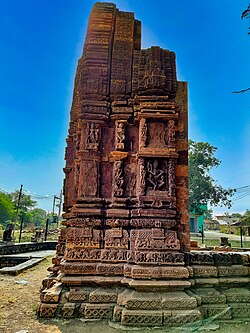
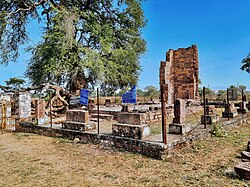
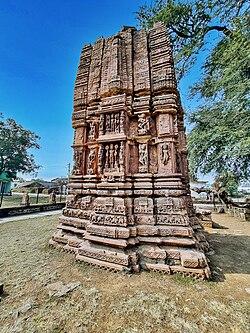
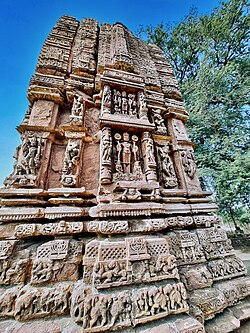
The temple was originally designed as a pancharatha structure—a style featuring a central sanctum with projecting wings—and rose to six storeys. Today, the jagati (stone platform) remains largely intact, along with portions of two walls from the sanctum and shikhara (tower). These surviving sections preserve carved reliefs and sculptural details that offer glimpses into the temple's original design and the skill of its craftsmen.
The artwork visible on the remaining walls includes several notable pieces. Among these are representations of Surya that blend iconography of Shiva, Vishnu, and the sun god; Nataraja in his cosmic dance form; Harihara (a combined form of Vishnu and Shiva); Chamunda; Ganesha; and Agni. Many of these carvings show signs of damage or deliberate defacement, yet enough detail survives to convey the temple's former richness. The pancharatha design and six-storey height suggest this was a structure of considerable importance in its period.
Visiting the Temple
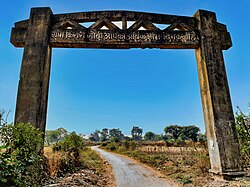
The temple is located at coordinates 21.925938, 82.085608 in Kirari Godhi village. It lies along the Bilha-Raipur Road in Bilaspur district. Visitors should be aware that this is a ruins site rather than an active place of worship with regular darshan hours or facilities. The temple's condition and accessibility may vary with weather and local conditions.
When visiting, dress respectfully as you would at any Hindu sacred site. The ruins themselves require careful movement, as structural integrity cannot be guaranteed. Photography is typically permitted at archaeological sites, though it is courteous to be mindful of the sacred nature of the location. There are no facilities such as shops, food stalls, or rest areas on site, so plan accordingly.
Historical Significance
The Kalachuri period, during which this temple was built, was marked by active patronage of temple construction and sculptural arts. The Deokirari temple represents this tradition of stone architecture and religious devotion. The fact that substantial portions of the structure were demolished at some point in its history—the sources do not specify when or by whom—makes the surviving elements particularly valuable for understanding both the temple's original form and the changes it has undergone.
The temple's architectural style and sculptural program reflect the religious and aesthetic values of 11th-century central India. The presence of multiple deities in the carved reliefs suggests a temple that honoured Shiva while also acknowledging other significant figures in the Hindu pantheon.
Getting There
Kirari Godhi village is situated in Bilaspur district, Chhattisgarh. The nearest city is Bilaspur. Those travelling by road should use the Bilha-Raipur Road as a reference point. It is advisable to confirm current road conditions and accessibility before visiting, as rural sites in the region may be affected by seasonal factors. Local inquiry in Kirari Godhi village will help direct visitors to the exact location of the ruins.
Planning Your Visit
This site is best suited to visitors with an interest in temple architecture, history, and archaeology. Unlike active temples, there are no regular worship times, festivals, or darshan schedules to plan around. The ruins are accessible during daylight hours, though there is no formal gatekeeper or information office. Bring water, sun protection, and sturdy footwear suitable for walking on uneven ground. Photography equipment may be useful for those documenting the sculptural details.
How to reach
Temples near Deokirari Shiv temple, Kirari Godi, Chhattisgarh
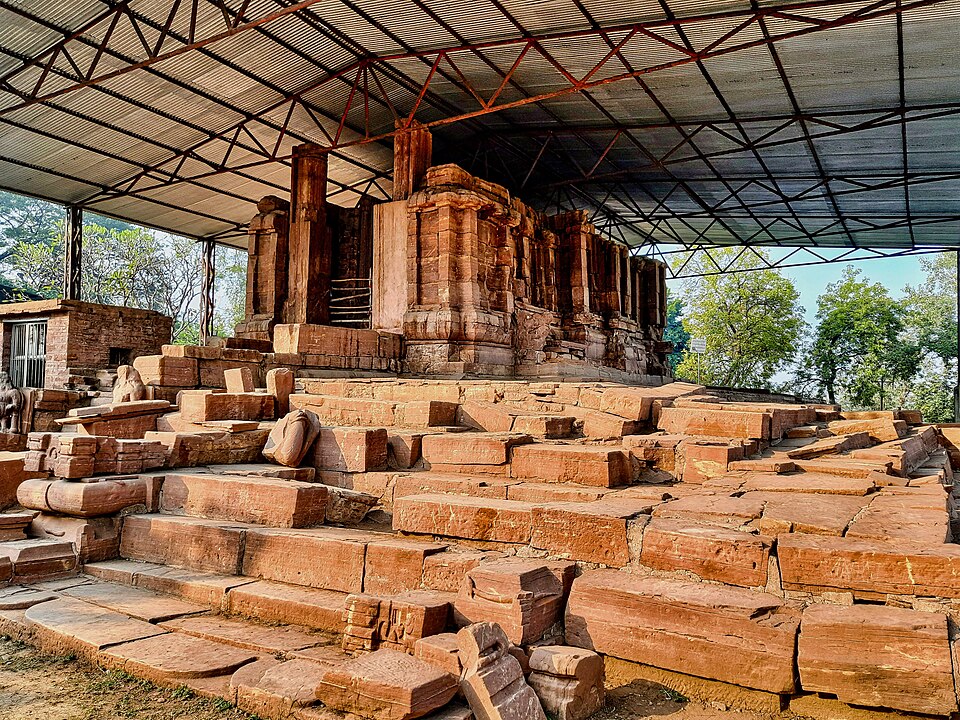
Devrani Jethani Temple Complex
The Devrani Jethani Temple Complex in Tala, Chhattisgarh comprises two ancient stone temples dating to the 5th-6th centuries, renowned for a unique seven-foot Rudra Shiva statue…
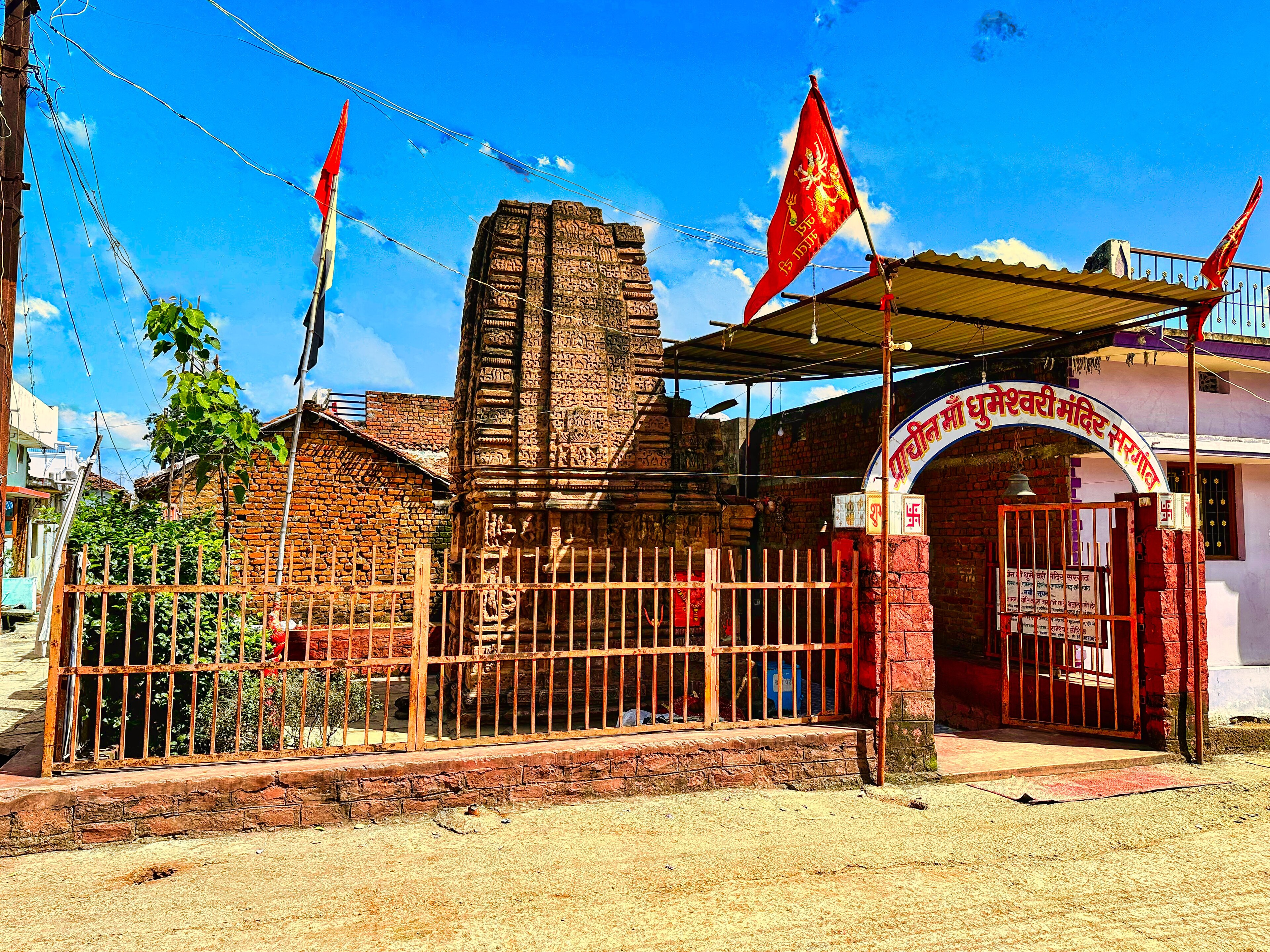
Dhumnath Temple
Dhumnath Temple is a Shiva temple located in Sargaon village, Chhattisgarh, built during the Kalachuri period and protected as a state monument.
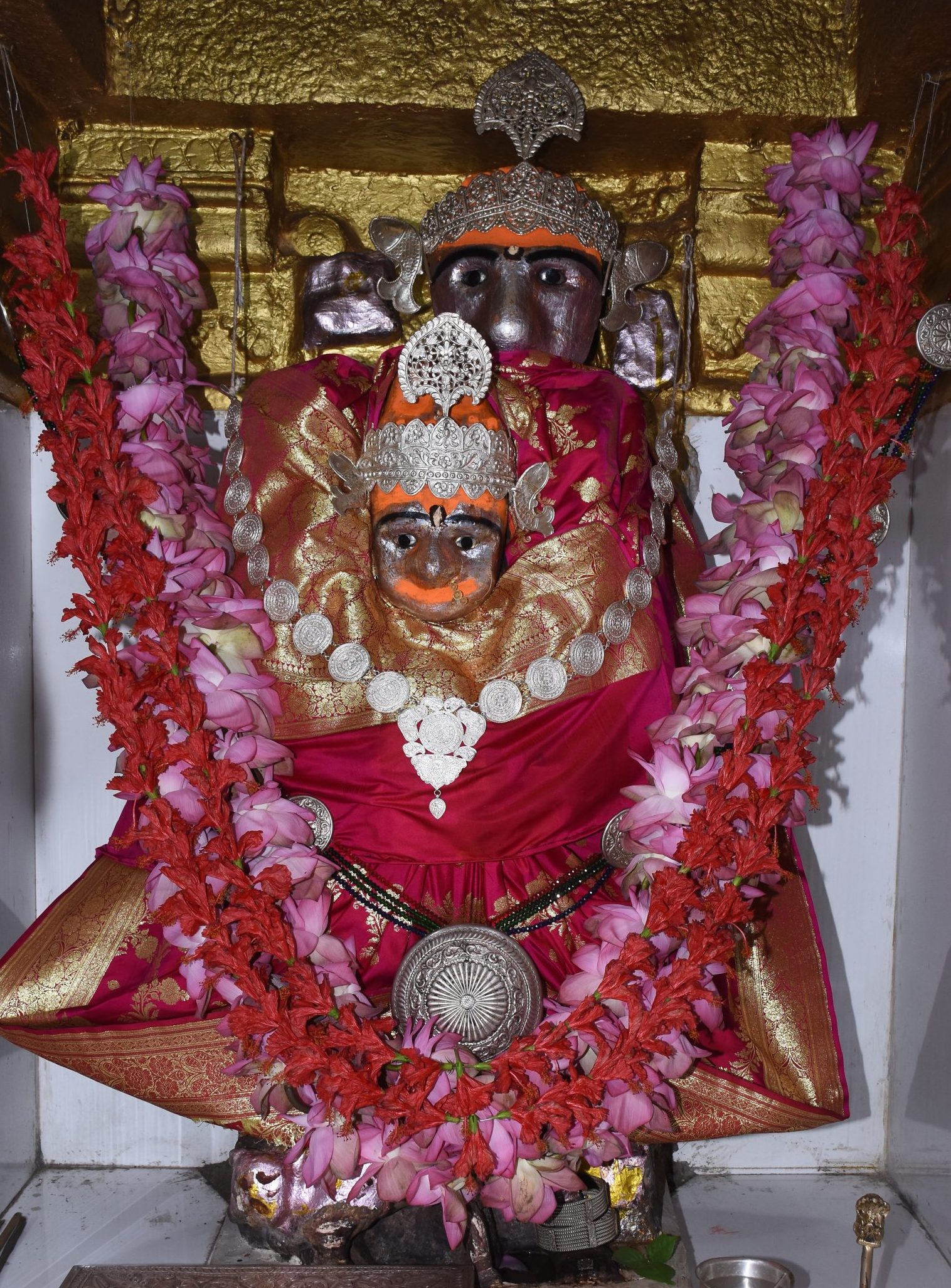
Mahamaya Temple
Mahamaya Temple in Ratanpur is a revered Shakta pitha dedicated to Goddess Durga in her forms as Mahamaya and Mahalakshmi, representing one of India's 52 sacred feminine power s…
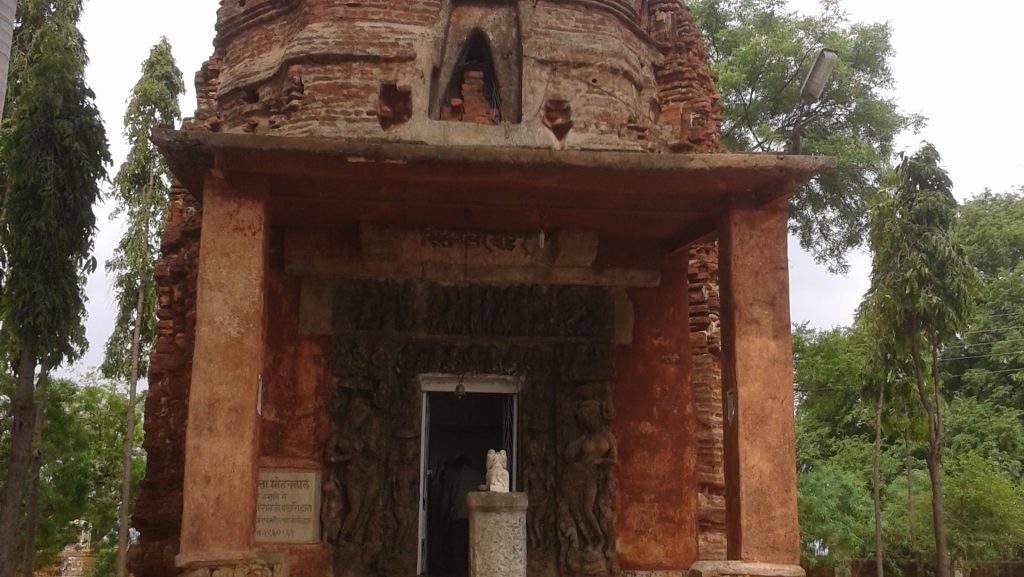
Siddheshwar Mandir, Palari
Siddheshwar Mandir in Palari is an ancient brick-built Shiva temple from the 7th–8th century, situated on the embankment of Balasamund pond in Chhattisgarh's Balodabazar district.
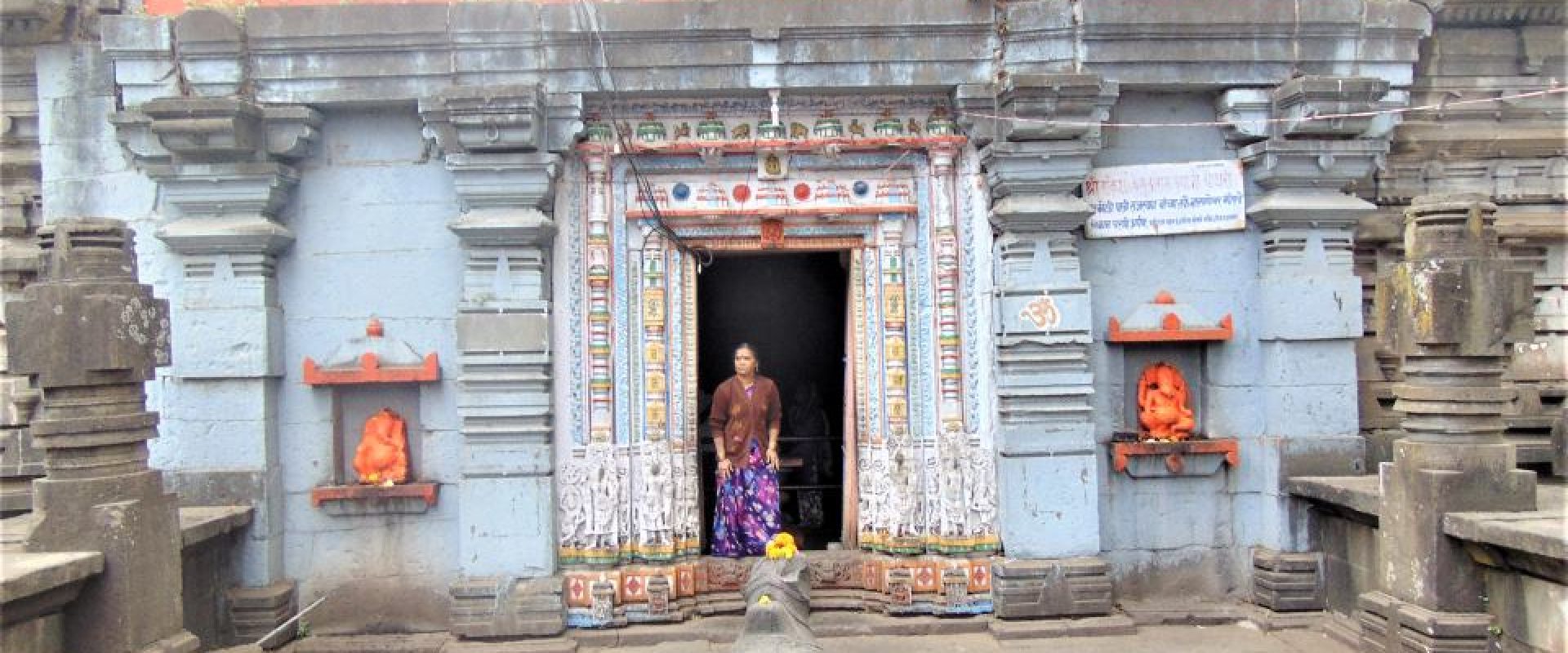
Narayanpur Mahadev Temple
Narayanpur Mahadev Temple, located in Purandar, Pune, is an ancient shrine dedicated to Lord Shiva with intricate stone carvings believed to date from the Yadav era. The temple…

Indal Deul Temple
Indal Deul Temple in Kharod, Chhattisgarh is an early medieval brick temple dating to 650–675 CE, representing a significant example of seventh-century Hindu temple architecture…