
Mahamaya Temple
About Mahamaya Temple
The temple was established in the 11th century, making it a structure of considerable antiquity. Its age and status as a Shakta pitha have drawn the attention of historians and archaeologists for many decades. The temple and the town of Ratanpur together represent an important site of religious and cultural continuity in southeast India, though detailed historical records of its founding and early development are not extensively documented in readily available sources.
The Deity and Worship Tradition
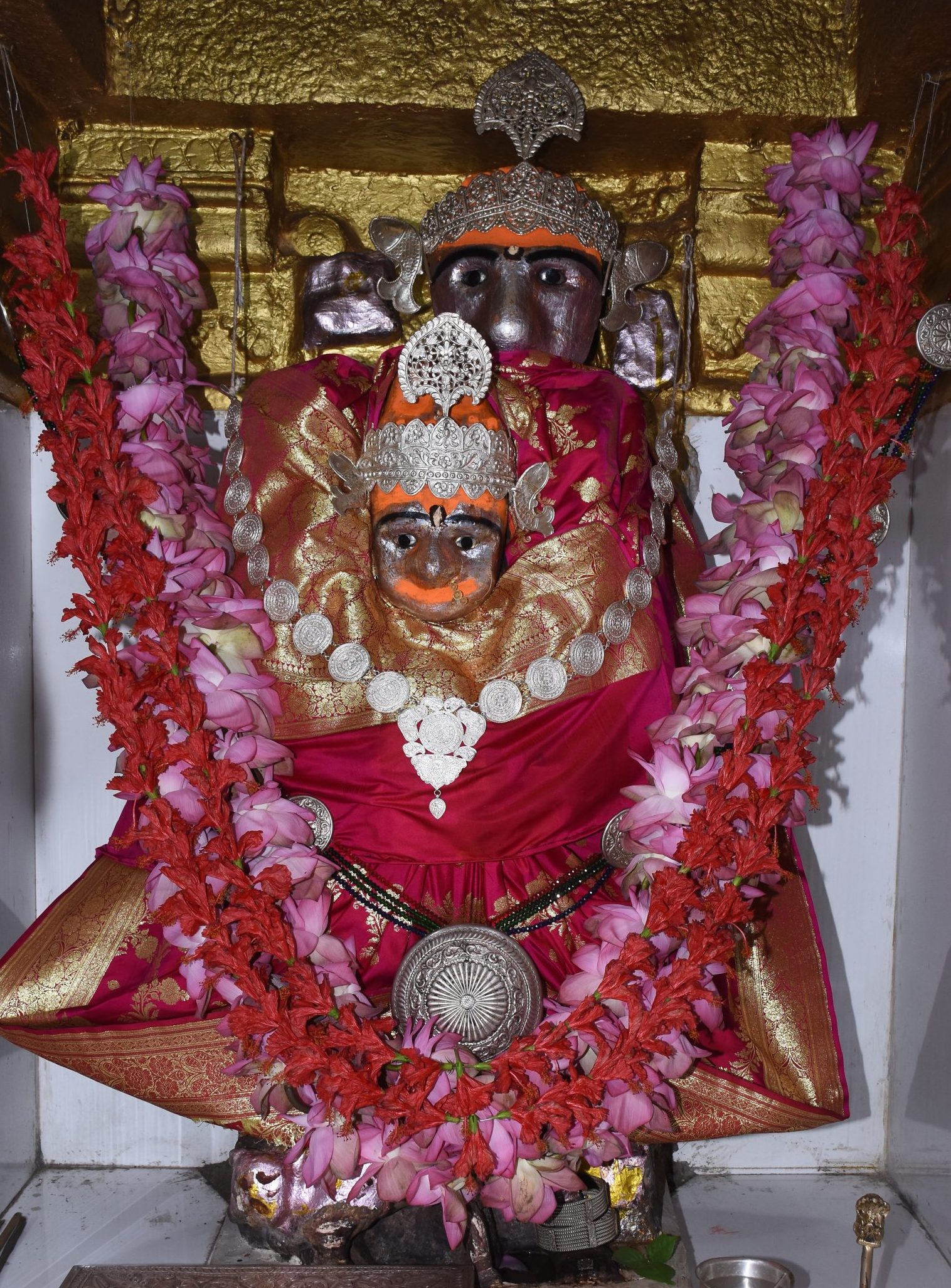
Goddess Durga, in her form as Mahamaya, embodies the divine feminine power central to Shakta worship. Temples dedicated to Durga typically emphasise her role as the supreme protector and destroyer of evil forces. The dual naming of the deity—as both Durga and Mahalakshmi—reflects the multifaceted nature of the goddess within Hindu philosophy, encompassing both fierce protective power and the bestowal of prosperity and well-being. Devotees approach the temple seeking blessings related to these divine qualities.
Darshan and Daily Worship
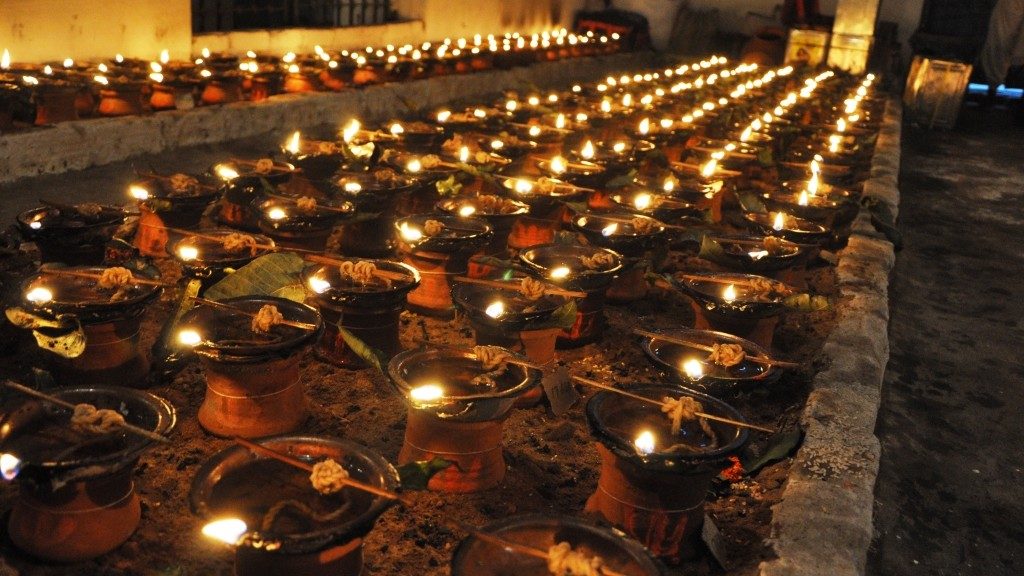
The temple remains open for darshan throughout the day, with specific timings for ritual worship. Aarti ceremonies—the formal worship rituals involving the offering of light and prayers—are performed at designated times. During major festivals, particularly the Navratri observances, the temple conducts special rituals including the Akhand Manokaamnaa Navratra Jyoti Kalash, a continuous ritual lamp offering. The temple has made provisions for online darshan through live streaming, allowing devotees unable to visit in person to participate in worship remotely.
Festivals and Celebrations
Navratri, the nine-night festival honouring the goddess, is observed at the temple with particular significance. The spring Navratri (Chaitra Navratri) and autumn Navratri (Sharad Navratri) are celebrated with enhanced rituals and increased devotional activity. During these periods, the temple becomes a focal point for pilgrimage and worship. The temple also facilitates online participation in festival observances, recognising the dispersed nature of its devotee community.
Visiting Information
Ratanpur is accessible from Bilaspur, located approximately 25 kilometres away. The temple's coordinates are 22.2884°N, 82.1599°E for those using navigation aids. Accommodation options are available in the town for pilgrims requiring overnight stays. The temple accepts donations through multiple channels, including online banking facilities via SBI and HDFC, as well as in-person contributions. Visitors should observe standard temple etiquette: removing footwear before entering the sanctum, maintaining respectful conduct during worship, and dressing modestly as is customary in Hindu temples. Contact information for the temple trust is available for specific queries regarding facilities, puja bookings, or donations.
Architectural and Cultural Importance
The temple is noted for its architectural merit and cultural richness, representing the religious and artistic traditions of the region. Its status as a Shakta pitha connects it to a broader pan-Indian network of goddess worship sites, each holding particular spiritual significance within Hindu tradition. The temple's presence in Ratanpur contributes to the town's identity as a centre of religious learning and practice in Chhattisgarh.
How to reach
You may also visit
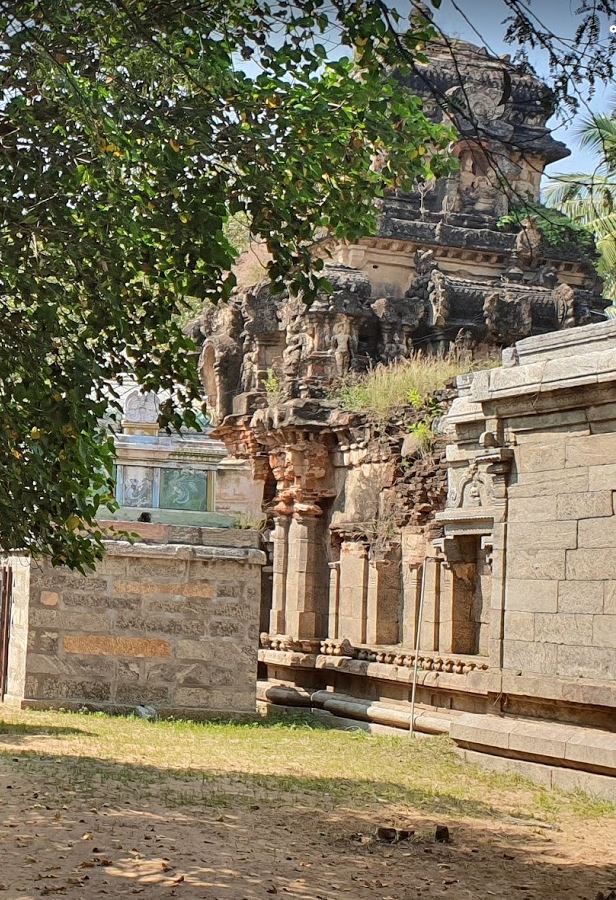
Agatheeswarar Temple, Karur
Agatheeswarar Temple in Thirumukkudalur, Karur district, is an ancient Hindu shrine dedicated to Shiva, situated at the sacred confluence of three rivers and believed to be over 1000 years old.
Kalyanji Temple
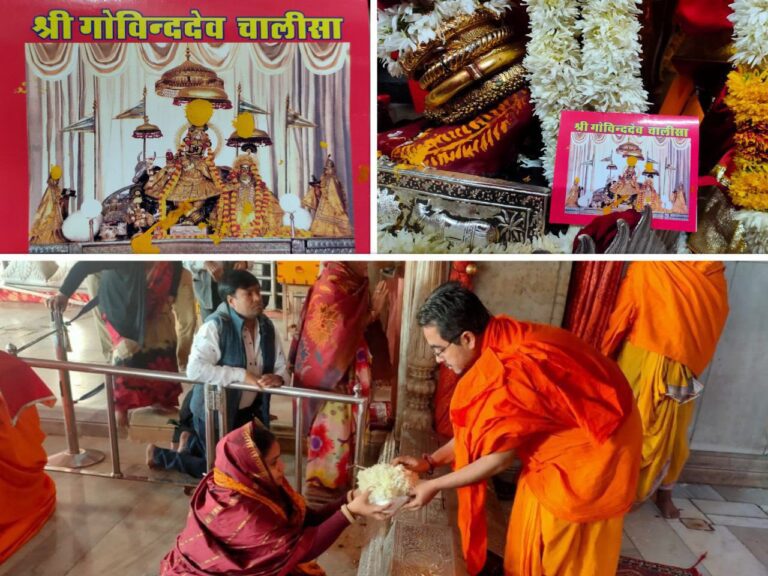
Kalyanji Temple in Jaipur's Chandpol Bazaar is an ancient Krishna shrine established in the 1820s, renowned for its seven daily aartis and special avatar darshan ceremonies during Akha Teej and Patottsav festivals.
Rani Sati Mandir Mahuda
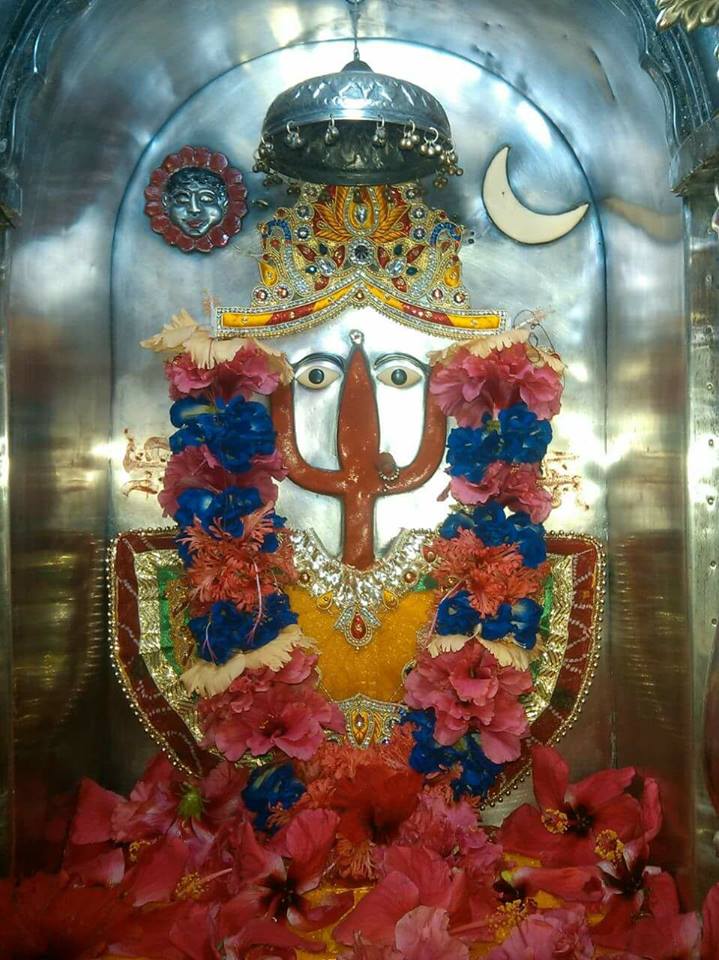
Rani Sati Mandir in Mahuda, Dhanbad District, is a Hindu temple established in 1992 that serves as a spiritual center for the local community and attracts devotees seeking blessings.