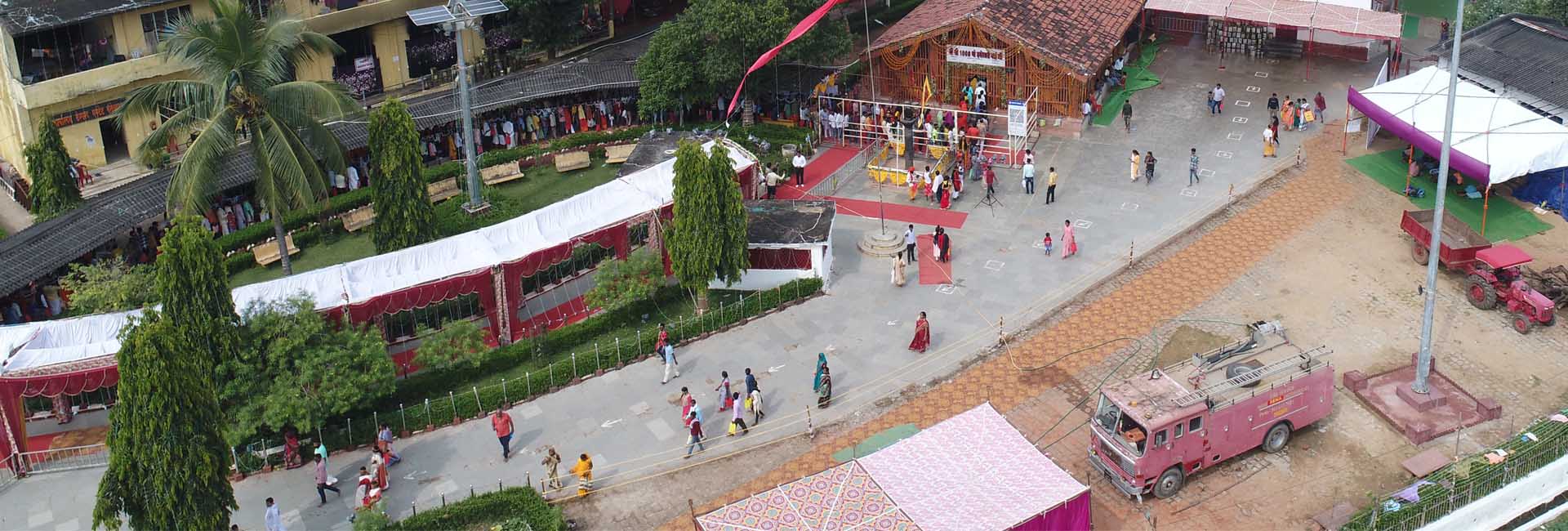
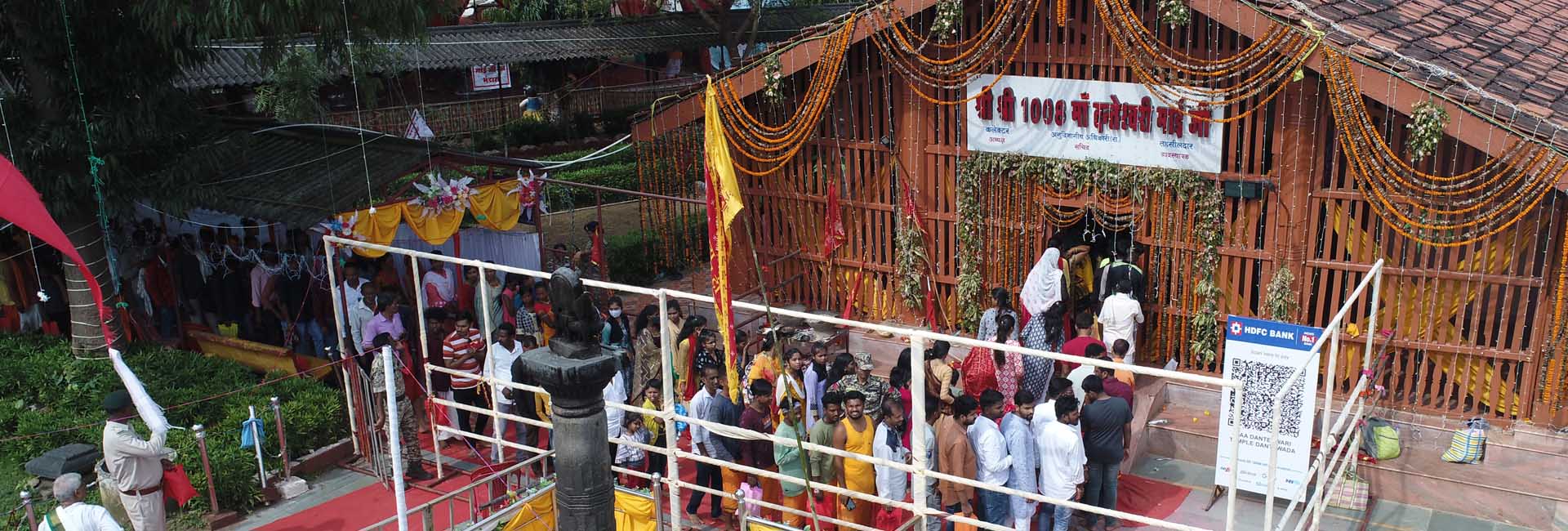
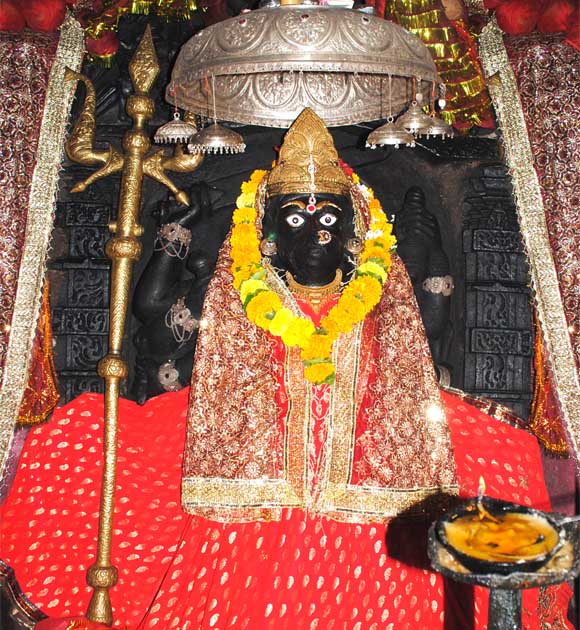
Danteshwari Temple
About Danteshwari Temple
The temple was established in the 14th century, a period that saw significant developments in the Bastar region. According to historical records, the Kakatiya dynasty played a formative role in the area's development. The temple's construction and enduring presence reflect the deep roots of goddess worship in this part of Chhattisgarh, where devotion to Danteshwari has been maintained across generations.
The longevity of the temple—spanning more than six centuries—testifies to its resilience and the sustained faith of those who have worshipped here.
Daily Darshan and Worship
The temple opens for darshan twice daily, accommodating devotees with flexible visiting hours. Morning darshan runs from 6:00 AM to 12:00 PM, while evening darshan operates from 4:00 PM to 9:00 PM. Both morning and evening aartis (ritual worship ceremonies) are performed, marking the principal moments of daily worship at the temple.
Visitors planning their visit should confirm exact timings before arrival, as schedules may shift during festival periods or with seasonal changes. The temple remains accessible throughout the year, making it possible to visit during any season.
Navaratri Festivals and Seasonal Celebrations
The two Navaratri festivals—Sharad Navaratri (September-October) and Chaitra Navaratri (March-April)—bring significant traditional festivity to Dantewada. These nine-day celebrations honoring the divine feminine draw devotees and visitors to the temple town. Additionally, Fagunmela, observed in March-April, contributes to the calendar of observances at this sacred site. During these periods, the temple becomes a center of heightened religious activity and celebration, with opportunities to participate in or witness traditional worship practices.
The October-to-March season generally offers the most pleasant visiting conditions, with cooler temperatures and lower rainfall making travel and darshan more comfortable for those planning a visit outside the festival calendar.
Location and Access
Dantewada is situated 80 kilometers from Jagdalpur Tehsil and 350 kilometers from Raipur, the capital of Chhattisgarh. The town is well connected by NH30, making it accessible by road. The journey from Raipur typically takes approximately 7-8 hours by road, allowing visitors from the state capital to reach the temple with reasonable travel time.
The temple's accessibility throughout the year means that pilgrims and tourists can plan visits according to their convenience, whether during the quieter seasons or during the major festival periods when larger gatherings occur.
Visiting Practicalities
Visitors should plan to arrive during the designated darshan hours and be prepared for the possibility of larger crowds during Navaratri festivals and Fagunmela. As with most Hindu temples, modest dress is customary—covering shoulders and knees is appropriate. Footwear is typically removed before entering the inner sanctum, and visitors should follow the directions of temple staff regarding movement through the shrine.
The temple offers online booking facilities for certain observances, such as Jyoti Kalash offerings during Navaratri, which can be arranged in advance through the temple's official channels. Contact information and further details about specific rituals and donations are available through the temple's website and phone services, allowing visitors to plan their participation in temple activities ahead of time.
How to reach
You may also visit
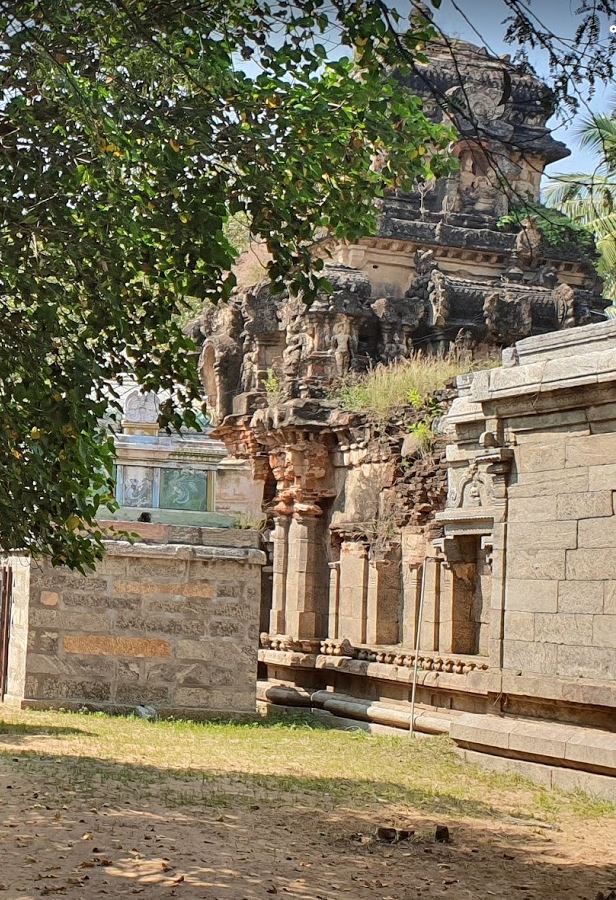
Agatheeswarar Temple, Karur
Agatheeswarar Temple in Thirumukkudalur, Karur district, is an ancient Hindu shrine dedicated to Shiva, situated at the sacred confluence of three rivers and believed to be over 1000 years old.
Kalyanji Temple
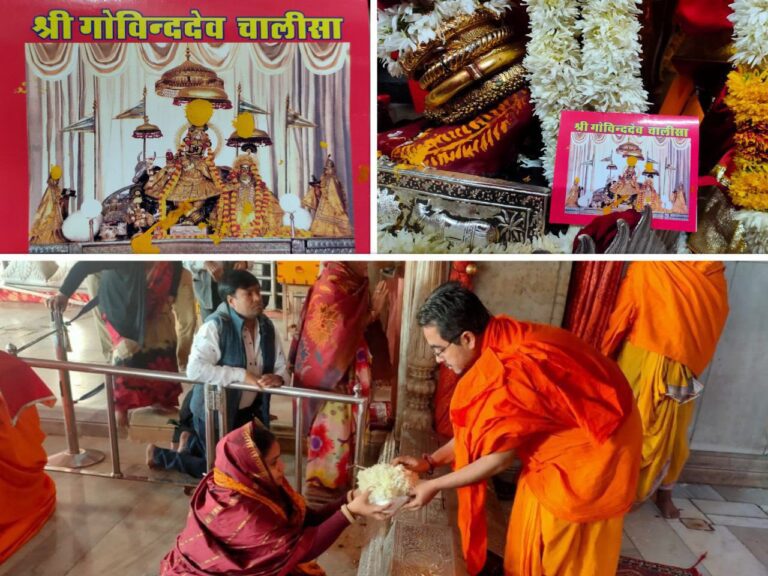
Kalyanji Temple in Jaipur's Chandpol Bazaar is an ancient Krishna shrine established in the 1820s, renowned for its seven daily aartis and special avatar darshan ceremonies during Akha Teej and Patottsav festivals.
Rani Sati Mandir Mahuda
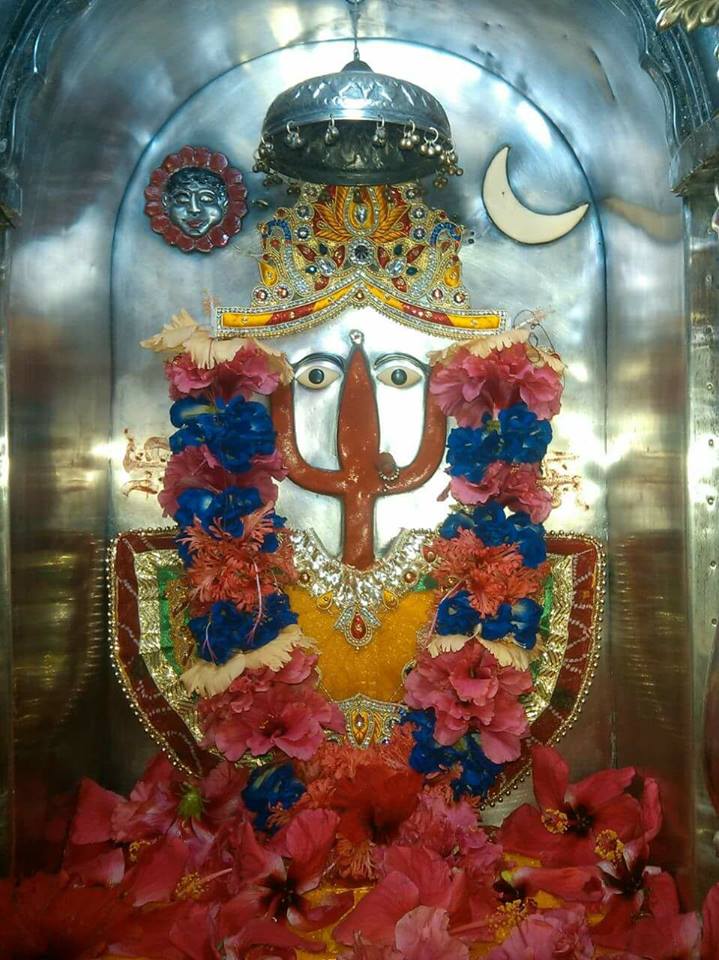
Rani Sati Mandir in Mahuda, Dhanbad District, is a Hindu temple established in 1992 that serves as a spiritual center for the local community and attracts devotees seeking blessings.