
Bahula Temple
About Bahula Temple
General darshan at Bahula Temple is typically free of charge, allowing all devotees access to the sanctum. The temple may offer special puja services at dedicated counters, which may involve temple-set fees; these arrangements vary according to the temple's schedule and festival calendar. Some expedited or VIP darshan options may be available, though policies differ depending on current circumstances.
Visitors should observe modest, traditional attire when entering the temple, in keeping with the conventions of Hindu sacred spaces. This practice reflects respect for the sanctity of the site and the worship taking place within it. As with temples of this tradition, removing footwear before entering the inner sanctum is standard practice.
The Goddess Bahula and Shakti Worship
Goddess Bahula, as worshipped at this temple, represents one of the many forms through which devotees encounter Devi Parvati, the supreme feminine principle in Hindu theology. The Shakti Peetha tradition emphasizes direct communion with the Goddess through darshan—the auspicious sight of the deity—and through ritual worship and prayer. Pilgrims visiting Bahula Temple engage in practices common to this tradition: approaching the sanctum for darshan, performing personal sankalpa (vows or intentions), and receiving the blessings associated with the sacred site.
The veneration of the Goddess in her various manifestations remains central to the spiritual life of the region, and Bahula Temple serves as a focal point for this devotion.
Location and Access
Bahula Temple is situated in Ketugram, within Katwa Subdivision of Purba Bardhaman district in West Bengal. The temple's coordinates are 23.70027777777778, 88.04166666666667. Visitors planning their journey should use these coordinates with mapping applications or consult local transportation resources for directions from nearby towns and railway stations. Katwa Subdivision serves as the administrative reference point for locating the temple within the district.
Practical Information for Pilgrims
Pilgrims should plan their visits with attention to both personal schedules and the temple's festival calendar. The combination of regular darshan hours and the significance of seasonal observances means that timing can substantially affect the quality of one's visit. Those traveling from a distance may wish to confirm current conditions and any temporary changes to timings before undertaking the journey.
The temple's role as a Shakti Peetha makes it a destination for both local devotees and pilgrims traveling longer distances to visit multiple sacred sites. Whether visiting as part of a broader pilgrimage circuit or as a focused journey to this particular shrine, visitors should approach the temple with the reverence appropriate to a major center of Goddess worship in the Hindu tradition.
How to reach
You may also visit
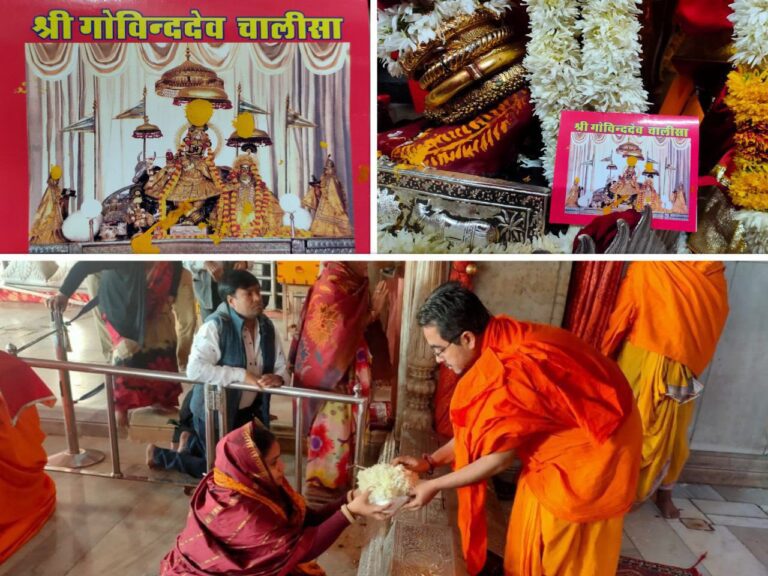
Kalyanji Temple
Kalyanji Temple in Jaipur's Chandpol Bazaar is approximately two centuries old and renowned for displaying the twenty-four avatars of Krishna, visible only twice yearly during Akha Teej and Patottsav festival.
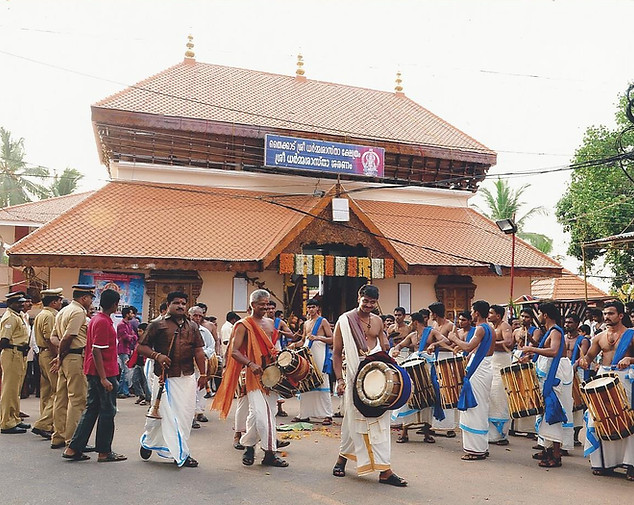
Sastha (Ayyappan) Temple
Sree Dharma Sastha Temple in Thycaud, Thiruvananthapuram, is a centuries-old shrine where the deity manifests as Dhanwanthari, the divine healer, holding the sacred blue lotus.
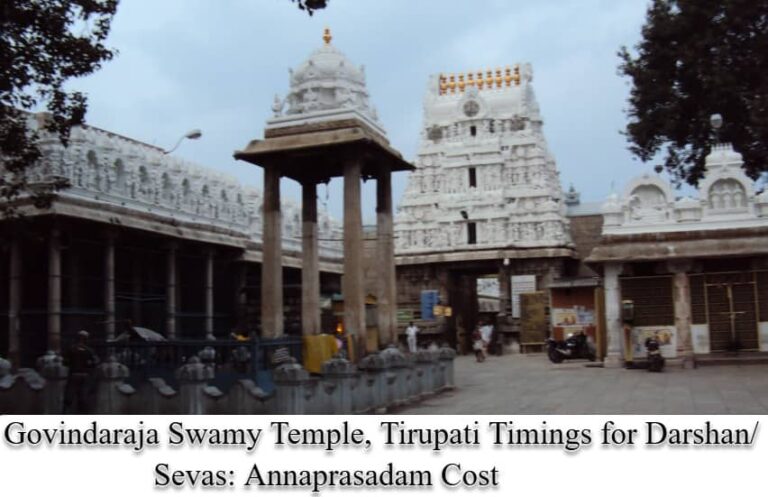
Govindarajaswamy Temple
Sri Govindarajaswamy Temple in Tirupati is an ancient Vaishnavaite shrine consecrated in 1130 AD by Saint Ramanuja, where the presiding deity rests in eternal Yoga Nidra on the serpent Adisesha.