Maluti temples
About Maluti temples
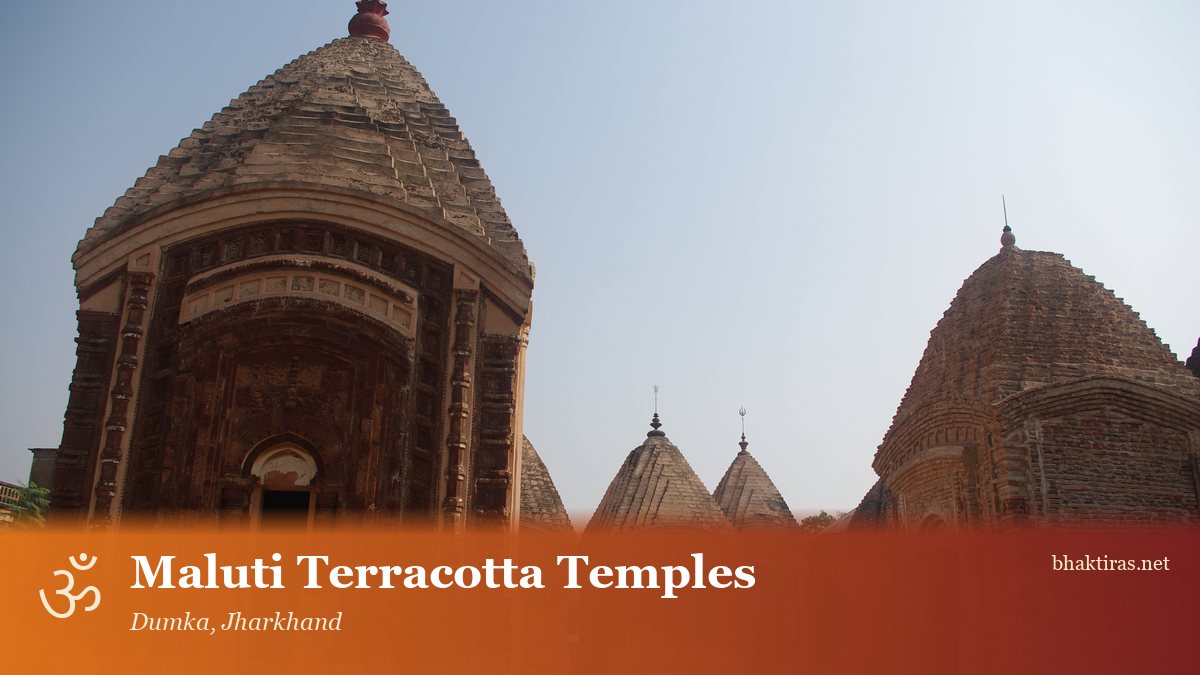
The distinction of Maluti lies in its terracotta work. Artisans pressed carved clay panels into the brick walls, creating a visual narrative across the temple surfaces. These panels depict scenes from the Ramayana and Mahabharata, representations of gods and goddesses, hunting expeditions, boats and scenes of village life from centuries past. Centuries of monsoon rains have weathered these panels, yet many remain vivid enough to read—a picture-book of myth and memory embedded in the temple walls. This terracotta tradition reflects the Bengal architectural style characteristic of the region, distinguishing Maluti from stone-built temples elsewhere in India. The temples themselves follow Bengal chala and ratna architectural forms, modest in scale but rich in sculptural detail.
Worship and Daily Rhythms
Maluti remains a living place of worship despite its historical significance. The temples host morning and evening aartis, with darshan available from 6:00 AM to 12:00 PM and again from 4:00 PM to 9:00 PM (timings may vary with festivals and seasons, so confirmation on arrival is advisable). The village observes major festivals including Maha Shivaratri and Kali Puja, occasions when the temple lanes fill with devotees. Visitors should dress modestly when entering the shrines, removing shoes at the threshold as is customary in Hindu temples. The temples remain active places of prayer rather than museums, and respectful conduct—avoiding photography during worship if requested, maintaining silence in inner sanctums—is expected.
Reaching Maluti
The village lies in Dumka district, Jharkhand, approximately 55 kilometers from Dumka town and near Rampurhat, which sits just across the West Bengal border. Rampurhat railway station, about 16 kilometers away, serves as the nearest convenient railhead for those traveling by train. Visitors arriving by air may use Kolkata or Deoghar airports as entry points. The journey to Maluti requires road travel from these larger centers; local transport or hired vehicles are necessary for the final approach to the village.
Best Time to Visit
October through March offers the most favorable conditions for visiting Maluti. During these months, the climate is cooler and drier, making it comfortable to walk among the temples and examine the terracotta panels in daylight. The monsoon season brings heavy rains that, while part of the landscape that has shaped these structures for centuries, can make village paths difficult and obscure the carved details visitors come to see.
A Heritage Emerging from Obscurity
Long overlooked beyond regional awareness, Maluti has in recent years gained recognition as a heritage site of national importance. Conservation efforts have begun to address the decay that centuries of exposure have inflicted on the surviving temples. The site represents a unique chapter in Indian temple architecture—a vanished kingdom's devotion expressed not through a single grand shrine but through a village-wide act of collective piety. Visitors encounter both an active place of worship and an open-air record of Bengal's architectural and artistic traditions, a combination that makes Maluti distinct among India's temple destinations.
How to reach
Temples near Maluti temples
Tarapith
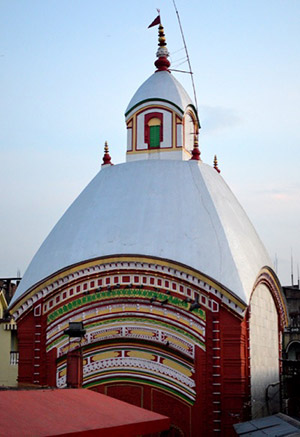
Tarapith temple, situated on the banks of the Dwarka River in Birbhum, West Bengal, is one of the 52 Shakti Peethas of India dedicated to Tara Maa, a form of Kali. The temple is…

Nandikeshwari Temple
Nandikeshwari Temple in Sainthia, West Bengal, is a revered Shakti Peetha where the necklace of Goddess Sati is believed to have fallen. The presiding deity is Goddess Nandikesh…
Kiriteswari Temple
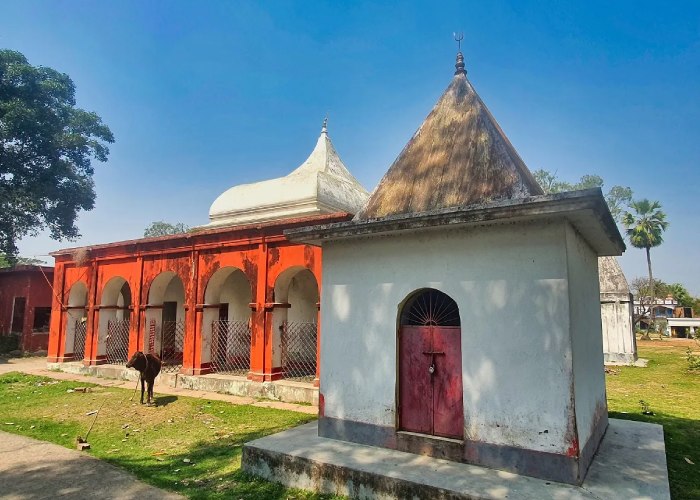
Kiriteswari Temple is one of the 51 Shakti Peethas, located in Kiritkona village in Murshidabad district, West Bengal. The temple is associated with the crown (kirit) of Sati an…
Bhavaniswar Mandir
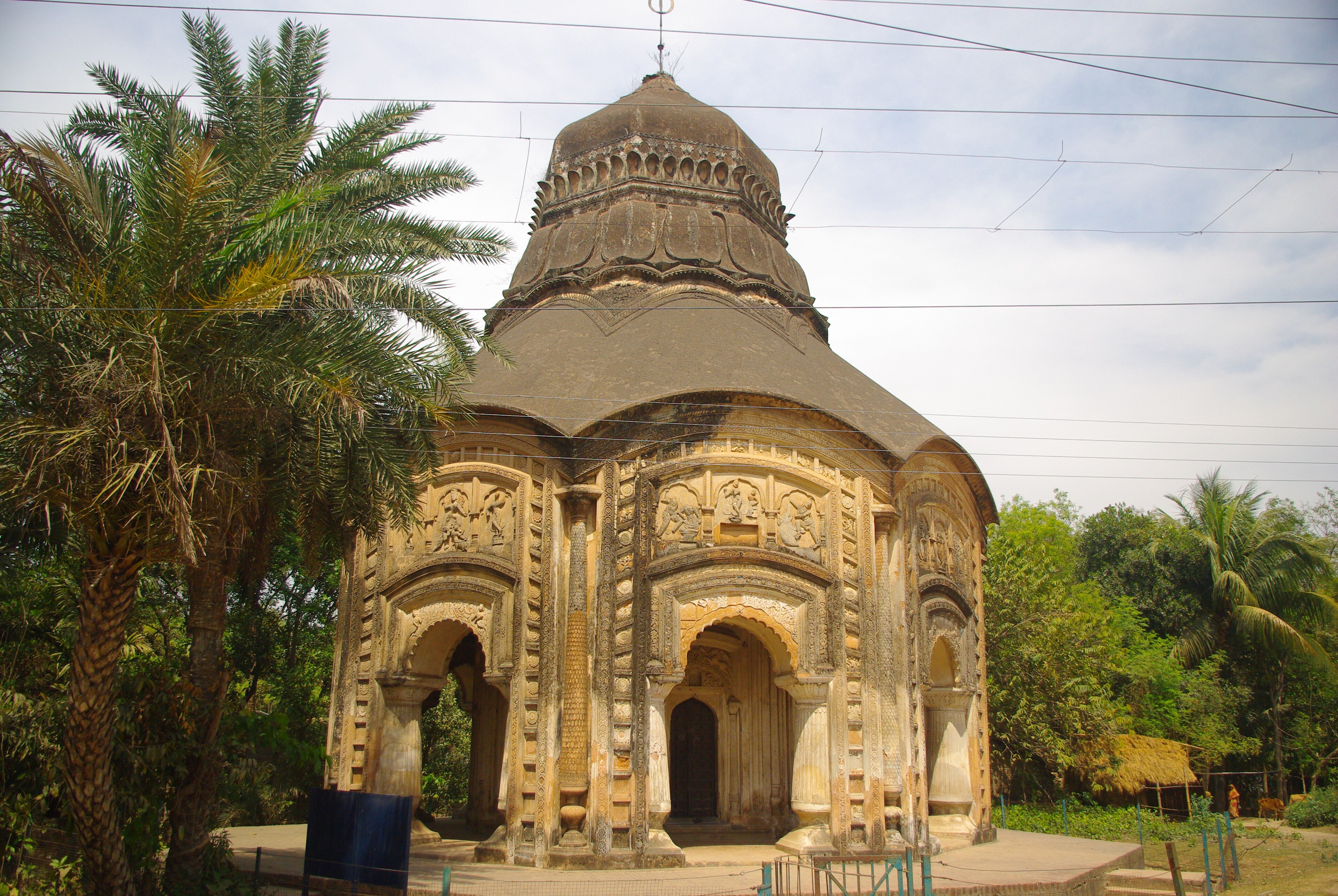
Bhavaniswar Mandir in Baranagar, Murshidabad district, West Bengal, is dedicated to Bhavaniswar, a manifestation of Shiva that integrates both the divine feminine principle and…
Bahula Temple
Bahula Temple, one of the 51 Shakti Pithas, is a Hindu shrine in West Bengal dedicated to Goddess Bahula, a manifestation of Devi Parvati, attracting pilgrims seeking communion…
Karneshwar Dham
Karneshwar Dham is an ancient Shiva temple complex in Karon, Deoghar district, Jharkhand, named after Karna from the Mahabharata and housing a Shivalinga within its main sanctum.