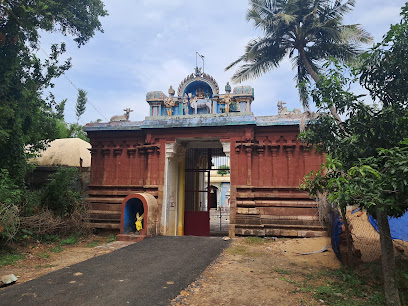
Palunkanda Nathar Temple
About Palunkanda Nathar Temple
The temple is traditionally dated to between 1,000 and 2,000 years old, placing its origins in the early medieval period. Its historical name is recorded as Tiru Aippadi. The temple's connection to the Chola era and its inclusion in the Tevaram hymns of Thirunavukkarasar (also known as Appar) anchor it firmly in the classical period of Tamil religious literature. While architectural details from the sources are limited, the temple's longevity and continued worship testify to its enduring place in the religious landscape of the Thanjavur region.
The Shrine and Its Deities
The presiding deity is described in temple tradition as a Swayambhu Murthy—a self-manifested form of Shiva. Within the temple complex, several shrines merit attention during darshan. The Chandikeswarar shrine, located near the sanctum, holds particular importance at this temple and warrants a visit. The complex also houses a shrine to Periyanayaki Amman. In the Mahamandapa (the main hall), devotees will find images of Bhairava, Surya, and Sani Bhagavan. These multiple focal points allow pilgrims to structure their worship according to their own inclinations and the temple's layout.
Visiting Hours and Best Times
The temple opens for darshan from 7:00 am to 12:00 pm in the morning and from 5:00 pm to 7:30 pm in the evening. For a quieter, more contemplative visit, weekday mornings are preferable to weekends. The most comfortable season for travel is October through March, when the Tamil Nadu climate is cooler and more pleasant for walking and standing in open courtyards.
Those seeking a festive atmosphere should plan their visit around Shivaratri or the Chandeshvara Nayanar Brahmotsavam, which falls around February to March. These occasions draw larger crowds and feature heightened ritual activity, though visitors should expect busier conditions and should confirm exact dates locally before travelling. It is advisable to check current timings with the temple before arrival, particularly around festival periods when schedules may shift.
Conduct and Practicalities
Modest dress is expected; clothing that covers shoulders and knees is appropriate. Footwear should be removed before entering the temple, using the stands provided. Photography is not permitted inside the temple, so visitors should plan to experience the shrine through direct observation rather than the camera lens.
Prasadam (blessed food offering) is available, though availability should be confirmed at the temple itself. Plan to allow 30 to 60 minutes for a relaxed darshan and to visit the main shrines without rushing. Carry drinking water, particularly if visiting during warmer months or if combining this temple with others in a pilgrimage circuit. The temple can be meaningfully combined with other important shrines in Thiruppanandal, Kumbakonam, and Thiruvidaimarudur for those undertaking a broader Shaiva pilgrimage.
How to Reach
The temple is located at Sri Palunkanda Nathar Temple, Thiruvaipadi-612504, Thiruppanandal post, Tiruvidaimarudur Taluk, Thanjavur district. The nearest railway station is Aduthurai, approximately 10 kilometres away. Thiruppanandal Bus Stand lies about 5 kilometres from the temple. For those arriving by air, Tiruchirappalli International Airport is roughly 100 kilometres distant. Local transport from these points can be arranged, and it is worth confirming directions locally upon arrival, as village temples are not always prominently signposted on main roads.
How to reach
You may also visit
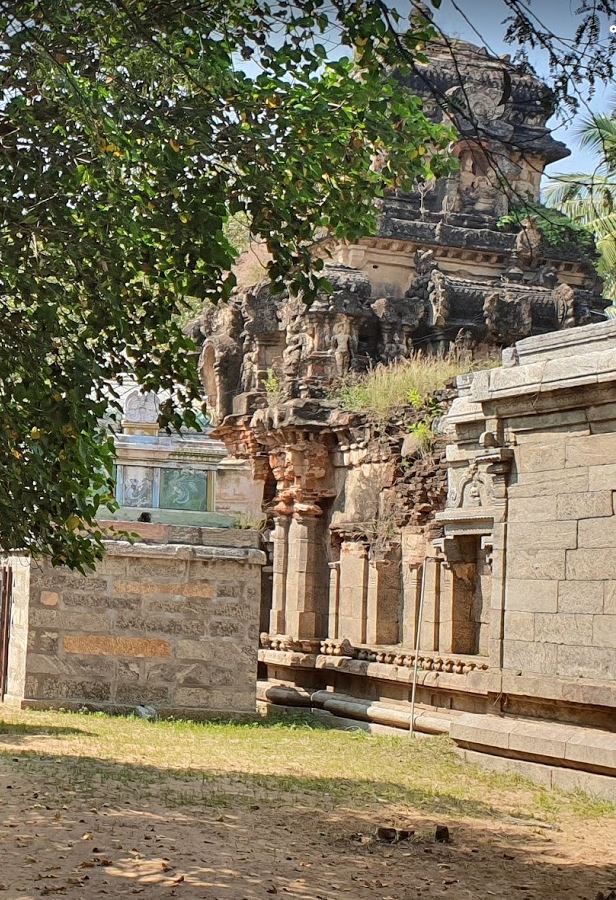
Agatheeswarar Temple, Karur
Agatheeswarar Temple in Thirumukkudalur, Karur district, is an ancient Hindu shrine dedicated to Shiva, situated at the sacred confluence of three rivers and believed to be over 1000 years old.
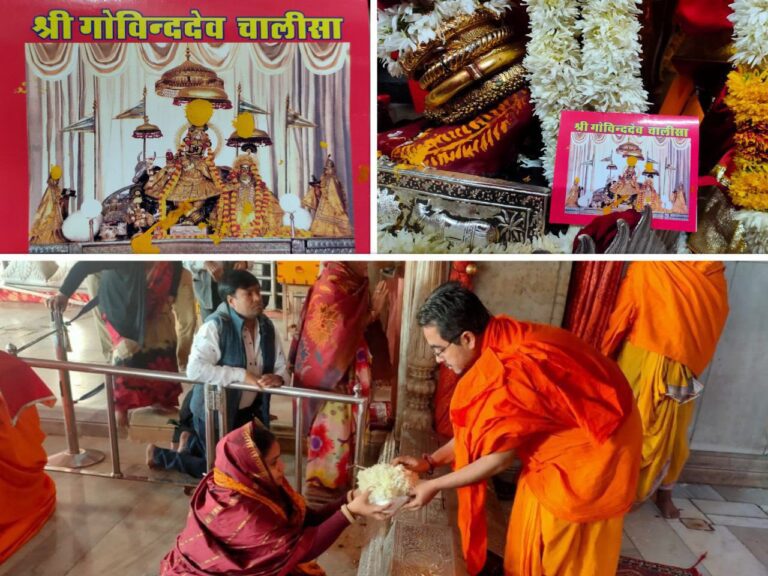
Kalyanji Temple
Kalyanji Temple in Jaipur's Chandpol Bazaar is an ancient Krishna shrine established in the 1820s, renowned for its seven daily aartis and special avatar darshan ceremonies during Akha Teej and Patottsav festivals.
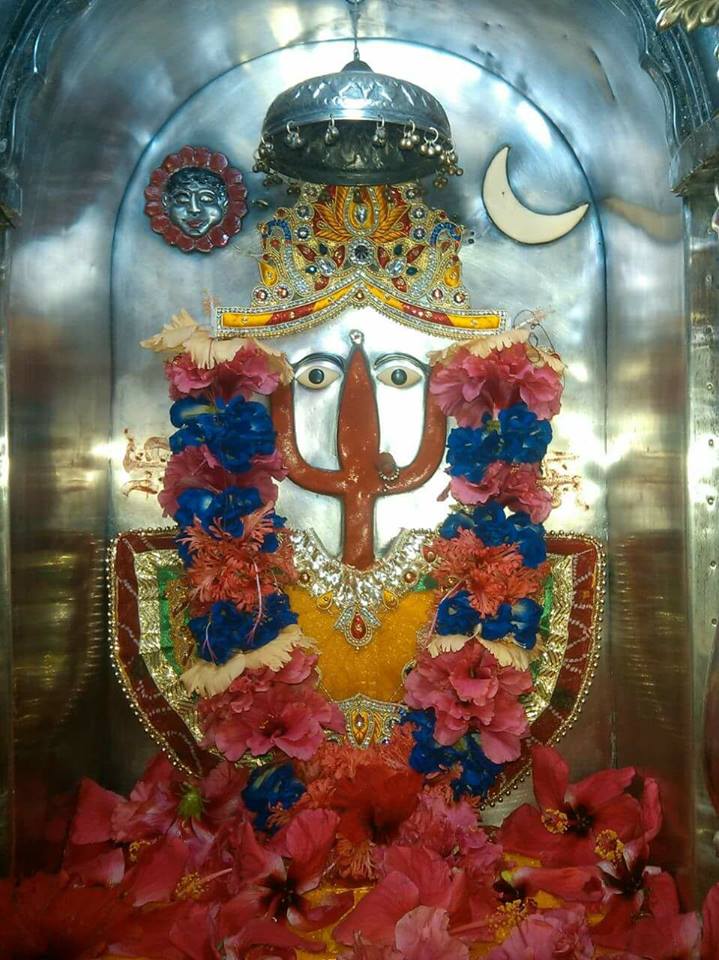
Rani Sati Mandir Mahuda
Rani Sati Mandir in Mahuda, Dhanbad District, is a Hindu temple established in 1992 that serves as a spiritual center for the local community and attracts devotees seeking blessings.