


Bhairabi Temple
About Bhairabi Temple
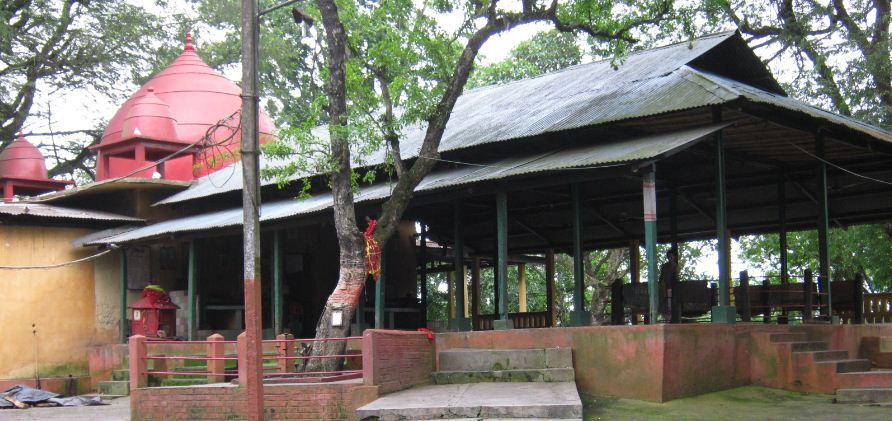
The temple's origins trace back to the 9th century, evidenced by stone carvings that survive from this early period. The structure that stands today, however, dates to approximately four hundred years ago, representing a more recent phase of construction and renovation. This layering of centuries—from medieval stone work to the early modern temple complex—reflects how sacred sites in India often accumulate and preserve their histories across generations, with older elements incorporated into newer structures.
Location and Access
The temple occupies a site on the outskirts of Tezpur, a town in Sonitpur District in Assam's northeast. It sits approximately six kilometers from Tezpur's main road, positioned on elevated terrain near the Brahmaputra River. The coordinates 26.6185°N, 92.8190°E can guide visitors using GPS navigation. Tezpur itself is accessible by road, rail, and air, serving as a regional hub. From the town center, visitors will need to arrange local transportation—whether by taxi, auto-rickshaw, or other vehicle—to reach the temple's outlying location. Those arriving by train or air should confirm current directions and transport options with local guides or Tezpur's tourism office upon arrival.
Visiting Hours and Darshan
The temple opens for darshan from 06:00 in the morning until 20:00 in the evening, offering devotees flexibility in timing their visits throughout the day. Darshan—the viewing and receiving of blessings from the deity—forms the core of worship practice at Hindu temples. Visitors should plan their visit within these hours and be prepared for the possibility of crowds, particularly during festival periods. Specific details about daily rituals, puja schedules, or particular ceremonies performed at the temple are not documented in available sources; those interested in witnessing or participating in specific rituals are advised to inquire upon arrival or contact the temple directly.
Festivals and Peak Seasons
The temple observes two significant festival periods that draw larger numbers of devotees: Navratri, the nine-day festival celebrating the goddess in her various forms, and Durga Puja, which typically follows. These festivals align with the autumn season and represent peak times for pilgrimage to goddess temples across Assam and beyond. During these periods, the temple atmosphere intensifies with heightened worship and increased visitor numbers.
The most favorable season for visiting extends from October through March, when cooler temperatures make travel and outdoor exploration more comfortable compared to Assam's hot and humid summer months. This window also coincides with the major festival season, allowing visitors to experience the temple during its most vibrant periods if they wish, or to visit during quieter times within this span if they prefer a more contemplative experience.
Practical Information for Visitors
Visitors should dress modestly and respectfully, as is customary at Hindu temples—typically covering shoulders and knees. Footwear is generally removed before entering the inner sanctum, though practices may vary; observe what other devotees do upon arrival. The temple's location on elevated terrain near the river means visitors should be prepared for the natural environment. Bring water and sun protection, particularly during midday visits.
Specific information about accommodation, food facilities, or other amenities at or near the temple is not available from current sources. Visitors are advised to check locally or contact Tezpur's tourism office for details about lodging and dining options in the area.
How to reach
Temples near Bhairabi Temple
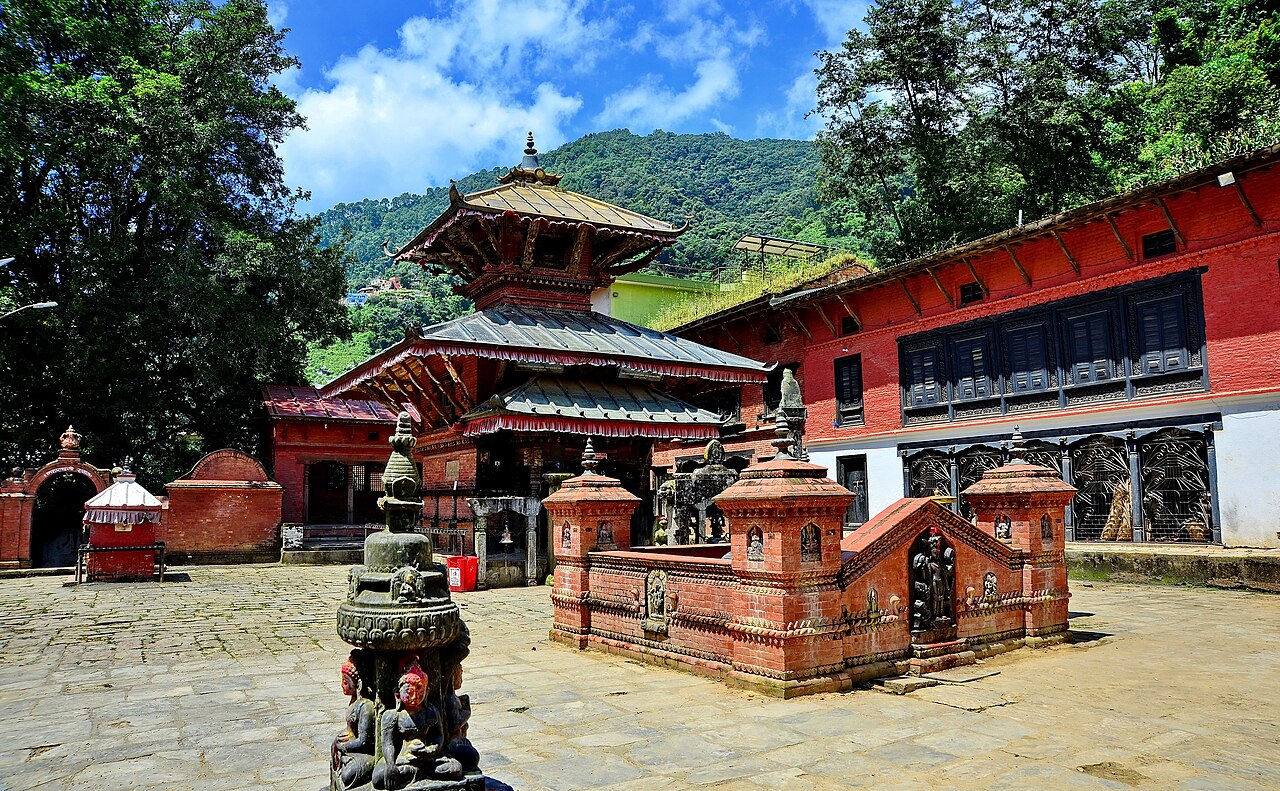
Ichangu Narayan Temple
Ichangu Narayan Temple is a 5th-century Hindu shrine dedicated to Lord Vishnu, located on the western slopes of Kathmandu Valley and forming one of the four sacred Narayan templ…
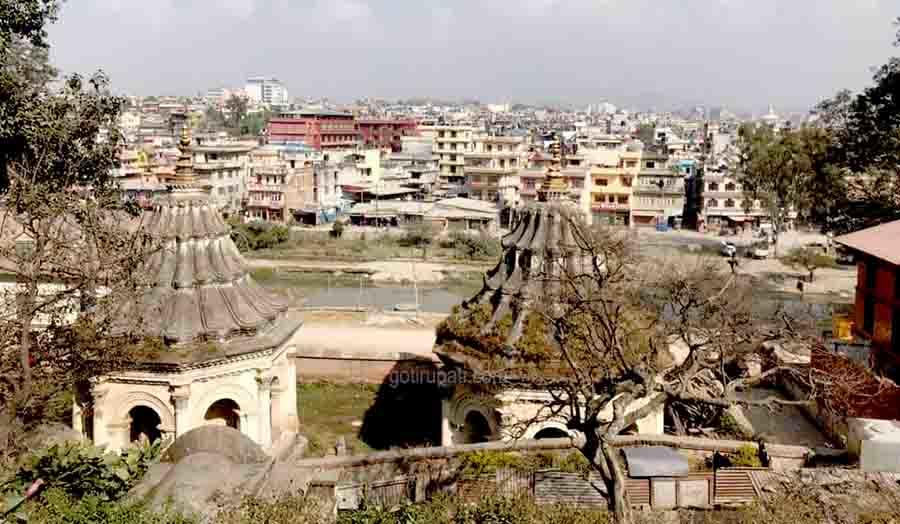
Budhanilkantha Temple
Budhanilkantha Temple is an open-air Hindu shrine in Kathmandu, Nepal, centered on a striking reclining statue of Lord Mahavishnu that represents the deity in cosmic repose betw…

Naradevi Temple
Naradevi Temple, also known as Swetakaali Temple, is a Hindu tantric shrine in historic Kathmandu dedicated to the goddess Sweta Kali, believed to embody powerful female energy…
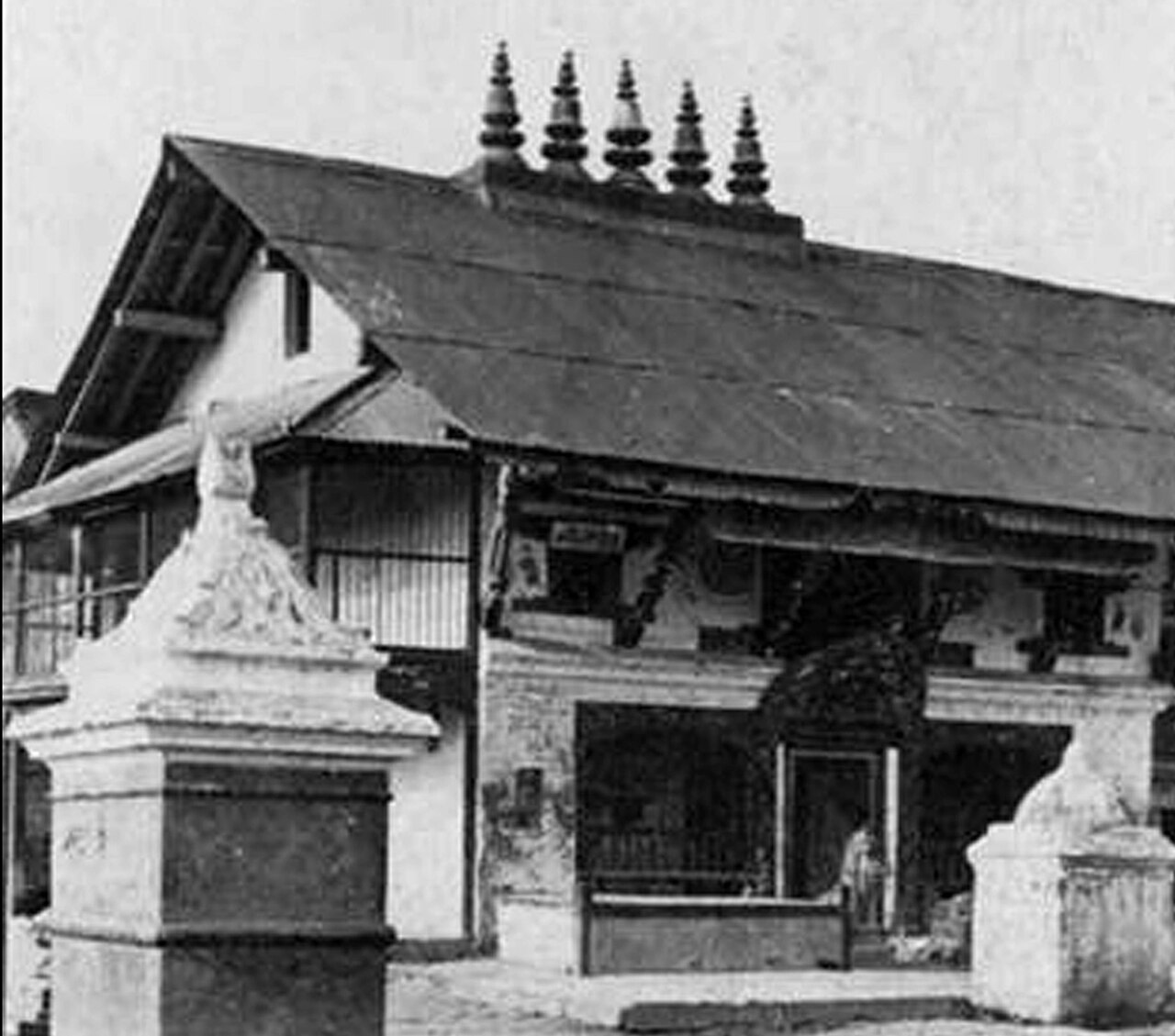
Sankata Temple
The Saṃkaṭā Temple at Te Bahal in Kathmandu is a sacred shrine where Buddhists worship Palah: Dya to ward off misfortune and illness, particularly on Saturdays, while also vener…
Bhaleshwor Mahadev Temple
Bhaleshwor Mahadev Temple, perched at 2,551 meters on Chandragiri Hill southwest of Kathmandu, is a sacred Hindu shrine dedicated to Lord Shiva believed to mark where the goddes…

Gokarneshwor Mahadev temple
Gokarneshwor Mahadev Temple, situated northeast of Bodhnath in Kathmandu Valley, houses an important lingam of Shiva and is renowned for its exceptional collection of ancient sc…