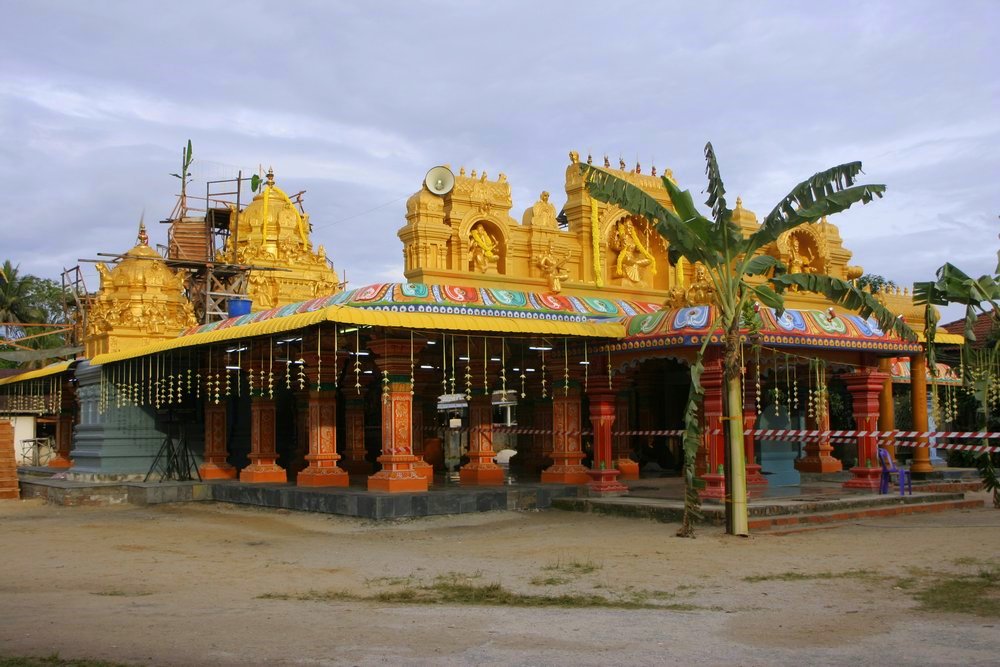
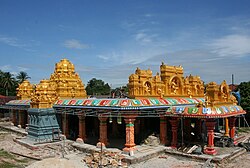
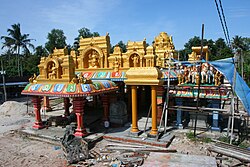
Arulmigu Maha Muthu Mariamman Thevasthanam
About Arulmigu Maha Muthu Mariamman Thevasthanam
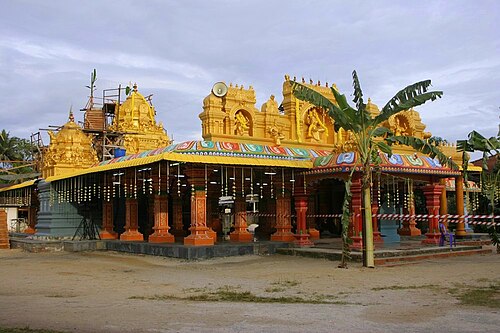
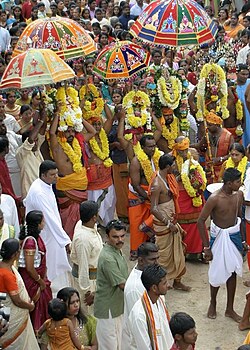
Arulmigu Maha Muthu Mariamman Thevasthanam was established in 1962 in Gopeng, a town in Kampar District, Perak, Malaysia. The temple is dedicated to Mariamman, a goddess venerated across South India and in diaspora communities throughout Southeast Asia. The name "Maha Muthu" reflects the temple's significance within its local Hindu community. As a relatively modern foundation, this temple represents the continuation of Hindu worship traditions among Malaysian devotees, particularly those with Tamil heritage.
The temple's establishment in the mid-twentieth century coincides with a period of community consolidation in Perak. Gopeng, situated along major transport routes, provided a suitable location for a place of worship serving the surrounding Hindu population. The temple has since become a focal point for religious observance and cultural practice in the region.
Architecture and Design
The temple follows Dravidian architectural principles, the classical temple-building tradition of South India. This style is characterized by distinctive structural elements and proportions that reflect centuries of Hindu temple design. The use of Dravidian architecture in a Malaysian context demonstrates how traditional South Indian building practices have been adapted and maintained by diaspora communities.
The specific architectural features and layout of this particular temple remain undocumented in available sources. Visitors interested in the temple's structural details and artistic elements are encouraged to observe the gopuram (tower), sanctum, and other components during their visit.
The Goddess Mariamman
Mariamman is worshipped as a powerful protective deity associated with health, fertility, and the welfare of communities. She is particularly revered during times of illness and is believed to grant blessings for family wellbeing. Temples dedicated to Mariamman exist throughout Tamil Nadu and in Hindu communities across the diaspora, reflecting her enduring significance in South Indian religious practice.
Devotees approach Mariamman with prayers for protection and healing. The goddess is understood as both fierce and compassionate—capable of averting harm while bestowing grace upon her worshippers. Her worship typically involves offerings of flowers, fruits, and other items prepared with devotion.
Visiting the Temple
The temple is located at Kopisan Baru in Gopeng, Kampar District, Perak. Visitors should dress modestly, covering shoulders and knees, as is customary in Hindu temples. Footwear is typically removed before entering the inner sanctum. Photography policies may vary; it is respectful to ask permission before photographing the deity or rituals.
Specific information regarding temple timings, darshan hours, and current facilities is not available in the sources consulted. Visitors are advised to contact the temple directly or check with local Hindu community organizations in Perak for current opening hours and any special arrangements. Many temples observe particular hours for different types of worship and may have specific times for public darshan.
Offerings and Worship
Devotees typically make offerings of flowers, coconut, fruits, and sweets to the goddess. Many temples dedicated to Mariamman accept offerings of turmeric and other auspicious items. Prayers are often accompanied by circumambulation of the sanctum, moving clockwise around the deity as a sign of respect and devotion.
Priests at the temple perform daily rituals and poojas on behalf of devotees. Individuals may request specific prayers for health, protection, or family welfare. The temple likely offers archana (ritual worship) services where priests chant prayers and present offerings to the goddess on a devotee's behalf.
Reaching Gopeng
Gopeng is situated in Kampar District, Perak, accessible by road from major towns in the state. The temple's coordinates are 4.46150556°N, 101.15661667°E. Those traveling by public transport should inquire locally about bus services to Kopisan Baru. Private vehicles can navigate to the temple using GPS coordinates or by asking for directions from local residents familiar with the area.
Visitors from other states or countries should plan their journey in advance, allowing time to locate the temple and participate in worship without haste. The surrounding area offers typical Malaysian town amenities, though specific details about nearby accommodation or facilities are not documented in available sources.
How to reach
Temples near Arulmigu Maha Muthu Mariamman Thevasthanam
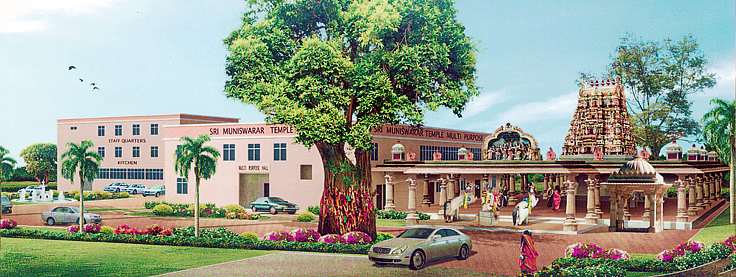
Jalan Baru Sri Muniswarar Temple
The Jalan Baru Sri Muniswarar Temple in Prai, Penang is a historic Hindu temple established in the 1870s by Indian immigrants, now renowned for blessing newly purchased vehicles…

Arulmigu Karumariamman Temple
Arulmigu Devi Karumariamman Temple in Thiruverkadu, Chennai, is a significant South Indian Hindu shrine dedicated to the goddess Karumari, featuring a five-tiered rajagopuram an…
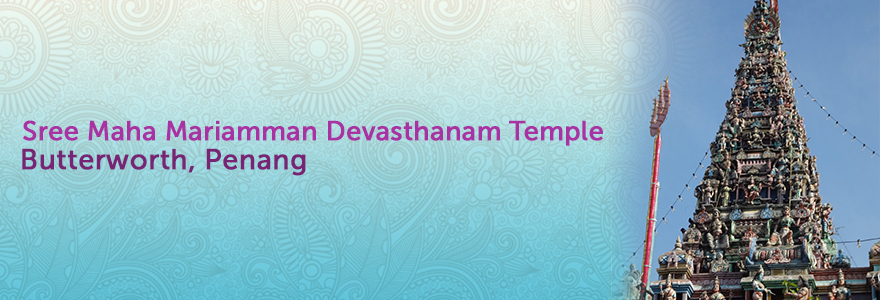
Sree Maha Mariamman Devasthanam Temple, Butterworth
Sree Maha Mariamman Devasthanam Temple in Butterworth is the largest and oldest Hindu temple in the area, dedicated to Goddess Mariamman and serving the Tamil Hindu community si…
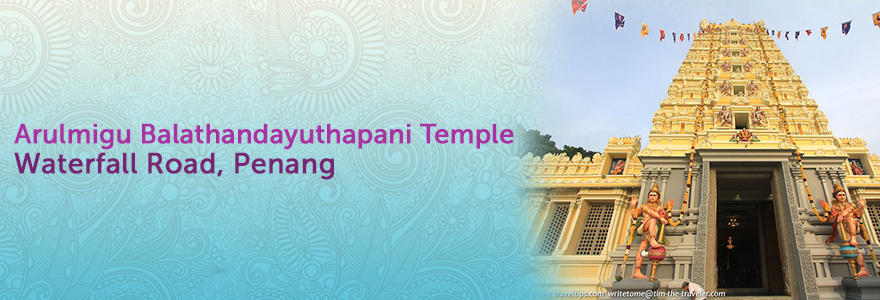
Arulmigu Balathandayuthapani Temple, Penang
A hilltop Hindu temple in Penang dedicated to Lord Murugan, featuring a seven-storey 21.6-meter gopuram and claimed to be the largest Lord Murugan temple outside India.
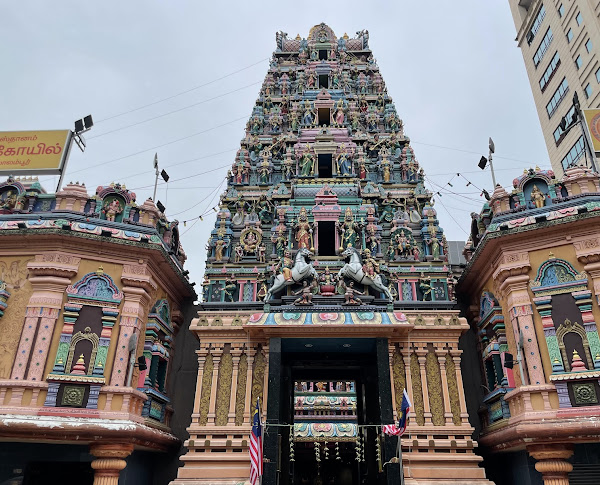
Sri Siva Maha Mariamman
Sri Siva Maha Mariamman Temple in Kuala Lumpur's Chinatown is a historic Tamil Hindu shrine established in 1873, dedicated to the goddess Mariamman and featuring a striking 22.7…
Ramayana Cave
Ramayana Cave is a limestone cave shrine within Batu Caves, Kuala Lumpur, featuring Ramayana artwork and serving as a Hindu pilgrimage site with evening aarti ceremonies.