Jalan Baru Sri Muniswarar Temple
About Jalan Baru Sri Muniswarar Temple
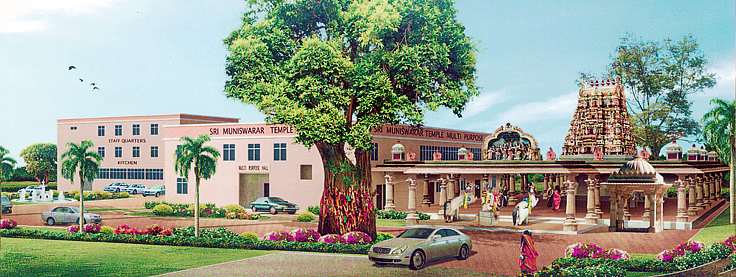
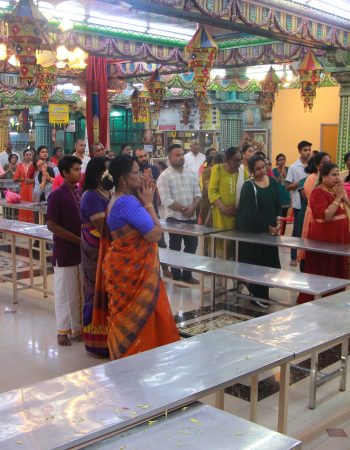
The temple was established in the 1870s by Indian immigrants working with the East India Company during that period. It was originally known as Sri Muniandy Temple before being renamed Sri Muniswarar Temple. When first built, the structure was modest—a simple attap hut with no cement floor, piped water, or electricity. Despite these humble beginnings, the temple gradually gained prominence among Hindu communities across the region and eventually became recognized as one of Malaysia's oldest temples.
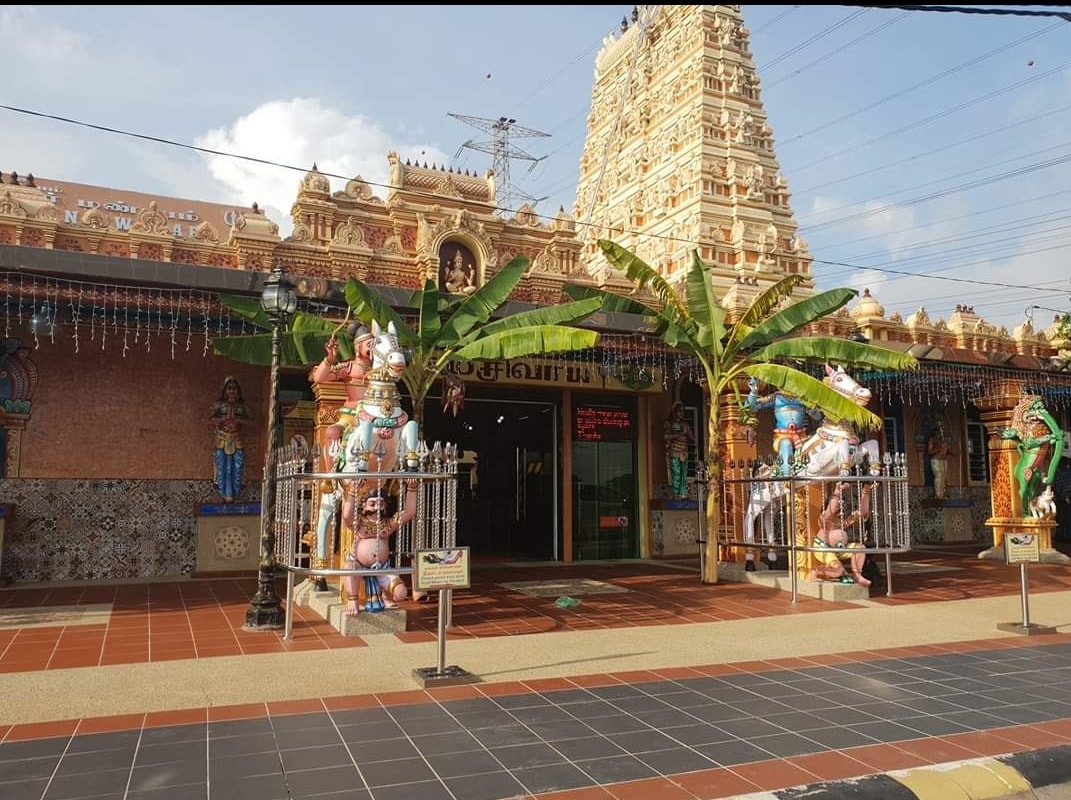
Over time, the temple underwent development and expansion, transforming from its original basic structure into a more established place of worship. The growth of the temple reflects both the increasing Hindu population in the area and the temple's spiritual significance to its devotees.
Religious Classes and Community Activities
The temple conducts Hindu religious and Tamil language classes on Sunday afternoons from 3:00 PM to 5:00 PM. These classes are free and open to all age groups, with light refreshments provided. Those interested in attending should register their name with the temple staff. The classes represent the temple's role in preserving religious knowledge and language among the community, particularly for younger generations.
The temple also organizes religious and cultural competitions. These activities extend the temple's function beyond ritual worship to include education and cultural engagement with the broader community.
Visiting the Temple
The temple is located at Jalan Baru, 13700 Perai, Penang, Malaysia (coordinates: 5.38, 100.39472222). Visitors should note that formal religious and educational activities take place during the afternoon hours from 3:00 PM to 5:00 PM on Sundays. Those coming specifically for vehicle blessings or other worship should inquire about appropriate timings with the temple management.
Visitors to Hindu temples typically observe basic etiquette: removing shoes before entering the inner sanctum, dressing modestly, and maintaining respectful behavior within the premises. The temple welcomes people of all faiths, though those unfamiliar with Hindu temple customs may wish to observe quietly during their first visit to understand the practices. The temple staff can provide guidance on specific rituals or blessings a visitor may seek.
Vehicle Blessings and Special Services
The temple offers blessings for newly purchased vehicles, a service that has become its most distinctive feature. Those seeking this blessing should contact the temple to understand the process and any associated charges. The temple also conducts various rituals and ceremonies for other occasions, including engagements, weddings, and other functions. A charges list for different services is available through the temple, and interested parties should inquire directly with the temple management for current rates and availability.
Multi-Faith Significance
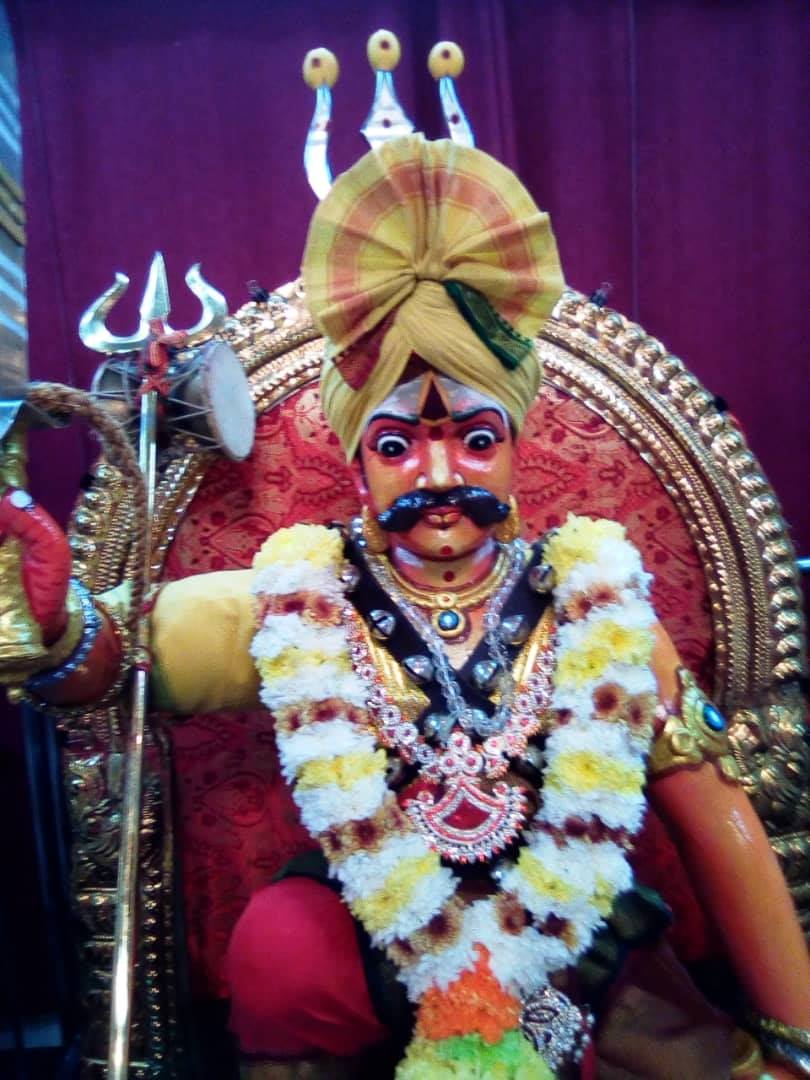
The temple's openness to visitors of different faiths reflects its role as a spiritual space within Malaysia's diverse religious landscape. While dedicated to Hindu worship and the veneration of Muniswarar, the temple has become a place where Buddhists, Christians, Sikhs, and others feel welcome to seek blessings and participate in its activities. This inclusive approach has contributed to the temple's prominence and its reputation as a landmark accessible to the broader community beyond the Hindu population.
How to reach
You may also visit
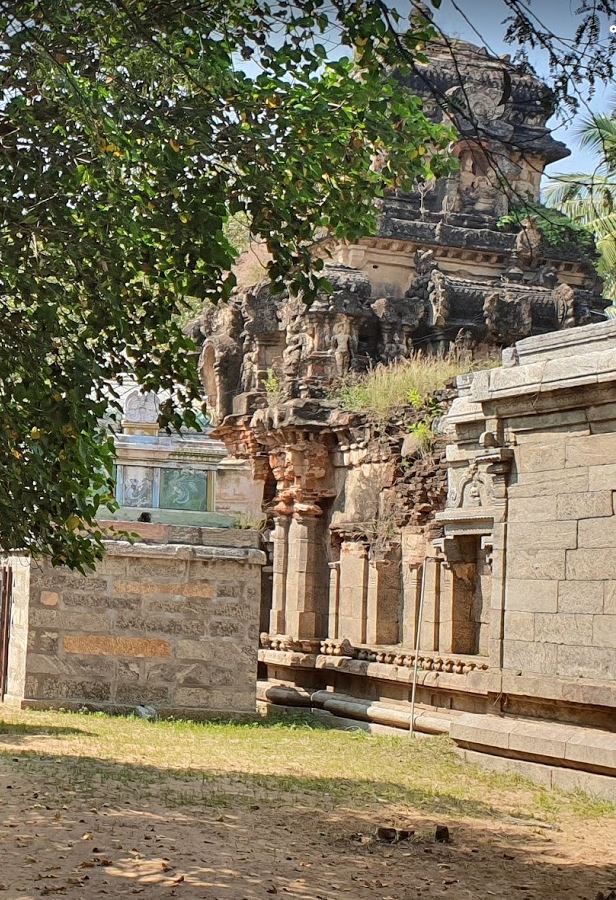
Agatheeswarar Temple, Karur
Agatheeswarar Temple in Thirumukkudalur, Karur district, is an ancient Hindu shrine dedicated to Shiva, situated at the sacred confluence of three rivers and believed to be over 1000 years old.
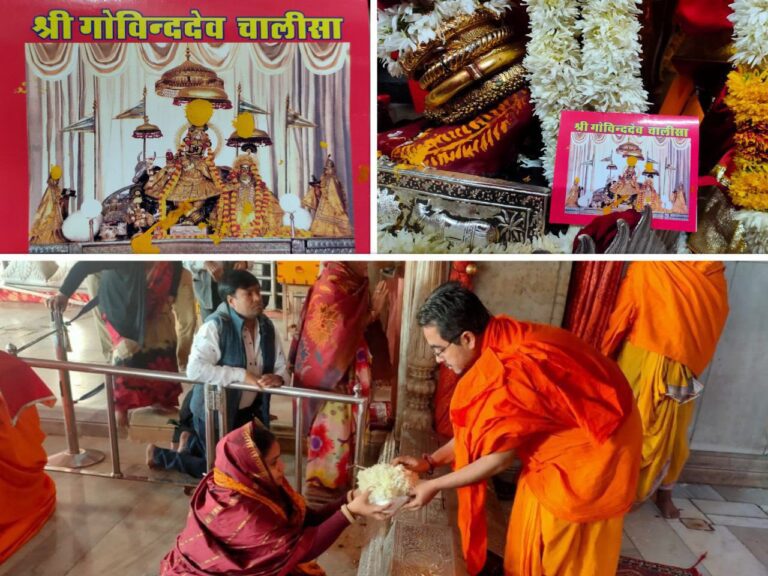
Kalyanji Temple
Kalyanji Temple in Jaipur's Chandpol Bazaar is an ancient Krishna shrine established in the 1820s, renowned for its seven daily aartis and special avatar darshan ceremonies during Akha Teej and Patottsav festivals.
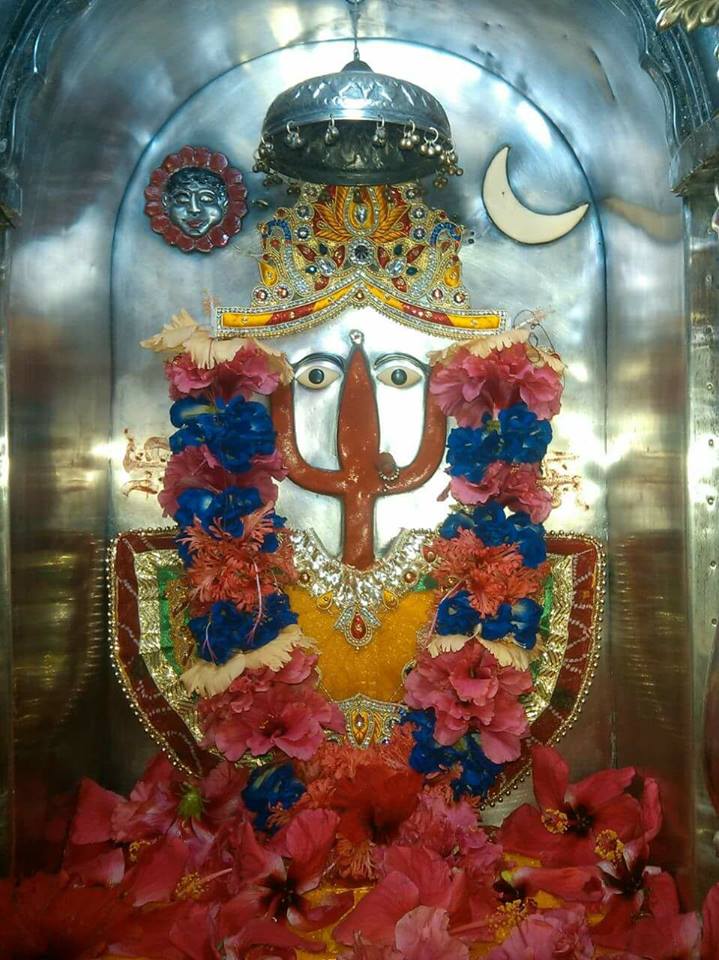
Rani Sati Mandir Mahuda
Rani Sati Mandir in Mahuda, Dhanbad District, is a Hindu temple established in 1992 that serves as a spiritual center for the local community and attracts devotees seeking blessings.